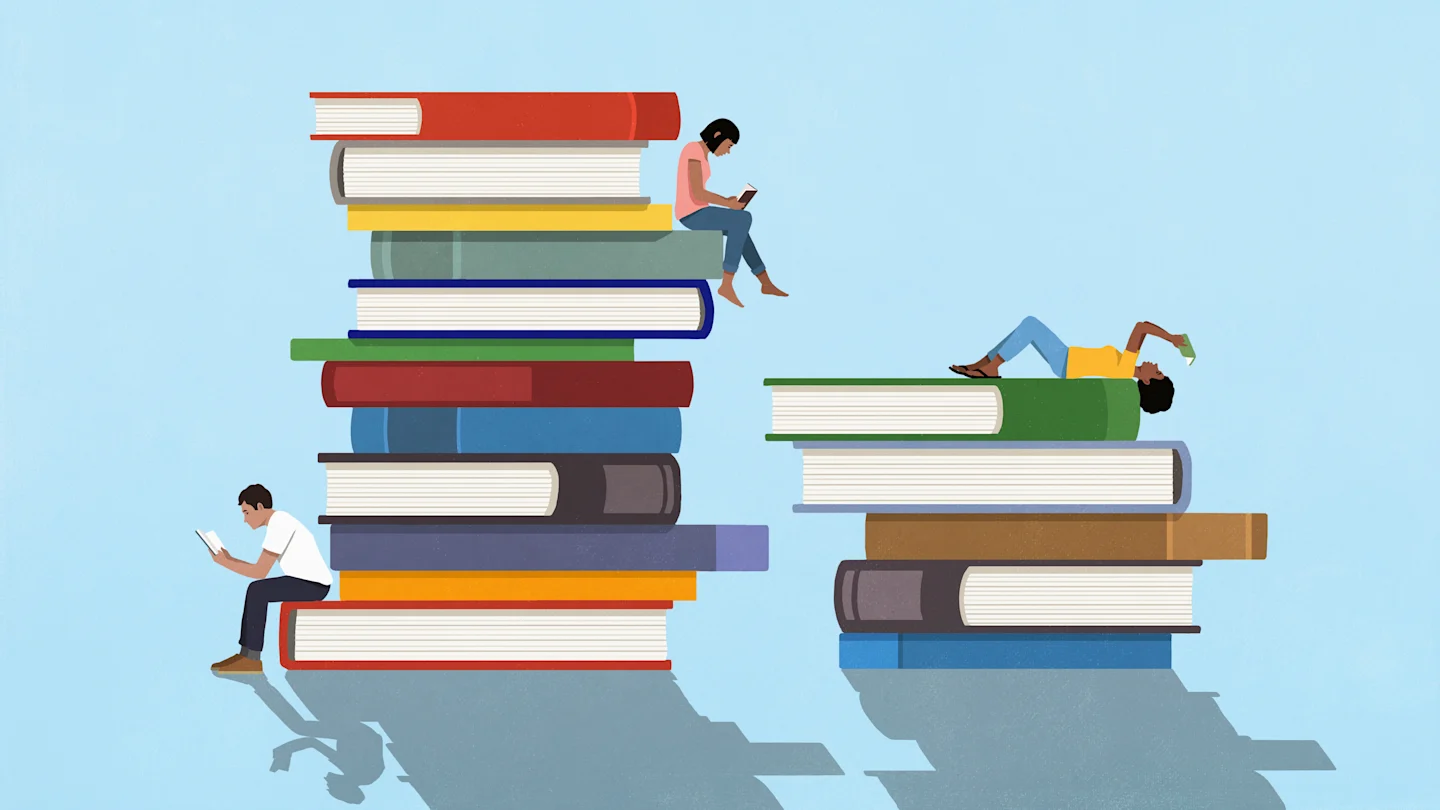
A study using PIAAC data reveals that New Hampshire and Minnesota have the highest adult literacy rates in the U.S., while New Mexico, Louisiana, and Mississippi have the lowest. Overall, adult literacy levels are declining nationally, with an increase in adults with low literacy skills and a decrease in those with high literacy, highlighting the need for expanded adult education programs.
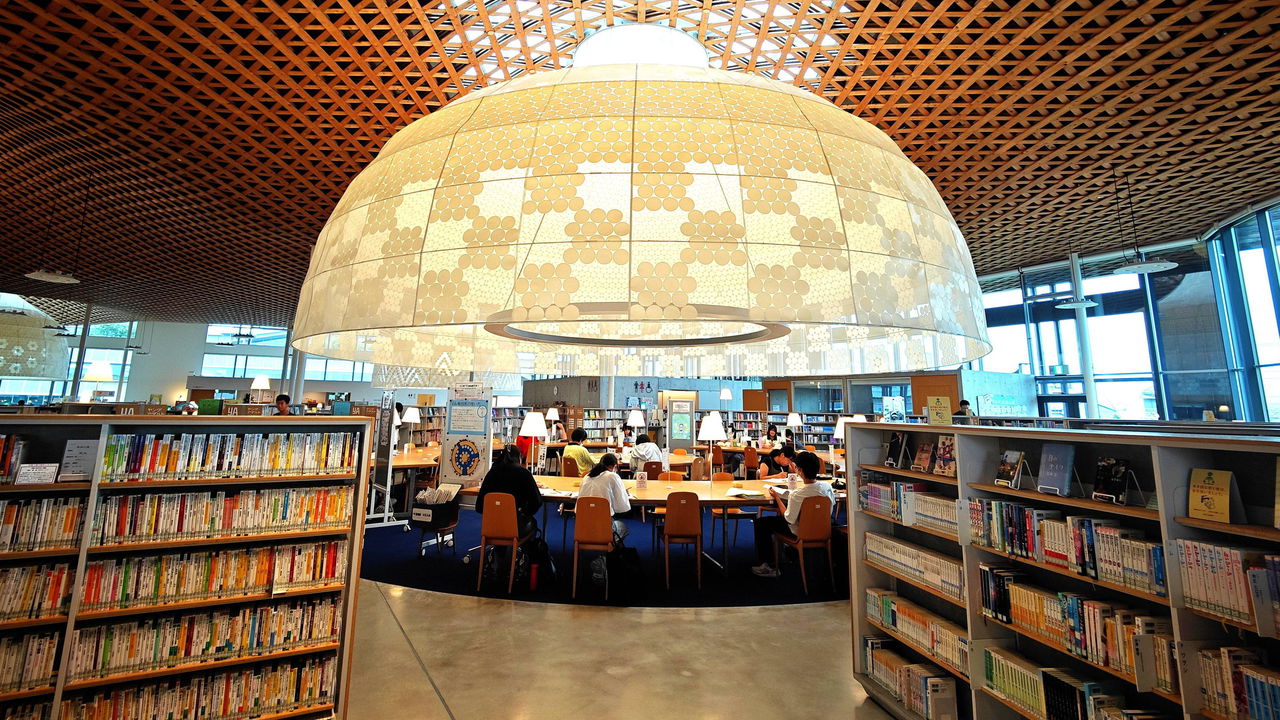
A recent OECD survey reveals that approximately 20% of adults aged 16 to 65 in wealthy countries have literacy and numeracy skills comparable to those of primary school students. The study highlights a concerning decline in adult literacy over the past decade.
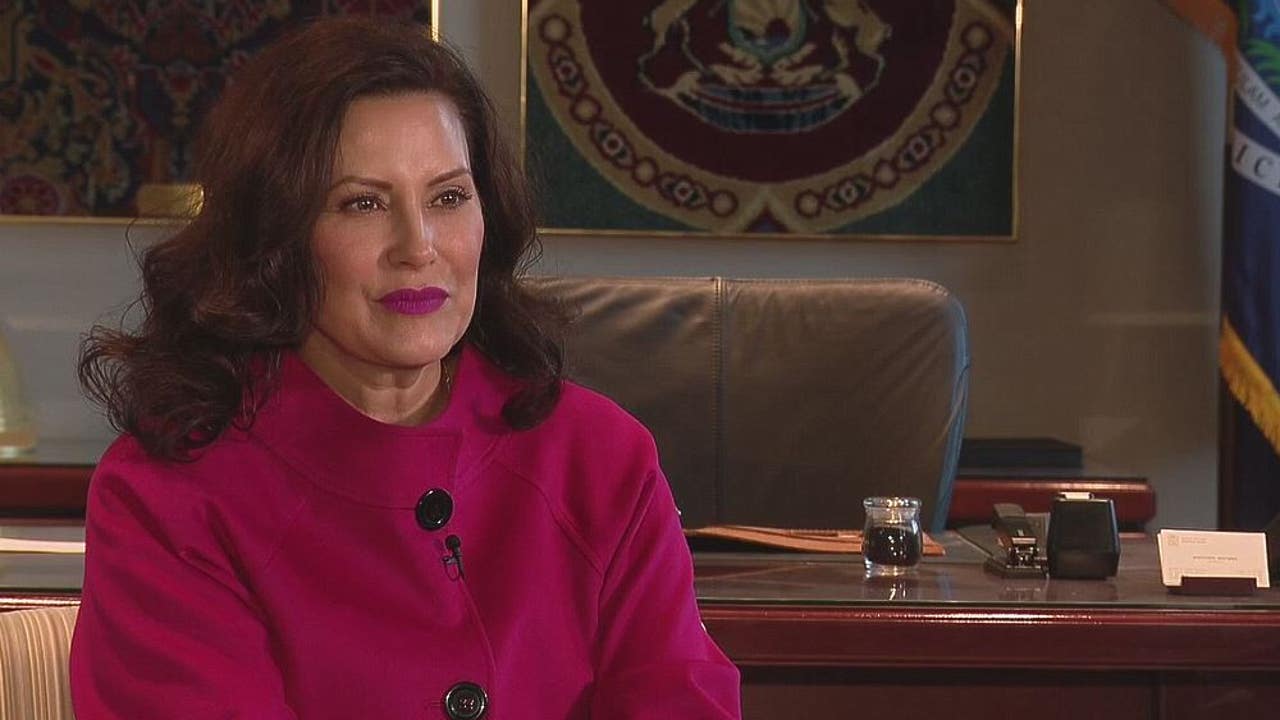
Michigan Governor Gretchen Whitmer has expanded the state's tuition-free community college scholarship program, Michigan Reconnect, to include adults between the ages of 21 and 24 who have not yet earned a college degree. Previously limited to adults 25 and up, this expansion aims to help more Michigan residents gain access to education and achieve their career goals. The program, which has already received over 132,000 applications, requires interested individuals to apply for the scholarship, apply to a Michigan community or tribal college, and file a Free Application for Federal Student Aid (FAFSA) by November 15, 2024.
Learning as an adult doesn't have to be confined to a classroom. Acquiring knowledge and skills can happen anywhere, from reading articles online to watching YouTube videos. Learning new things can help preserve cognitive function and independence as we age. It's important to challenge ourselves and seek feedback to continue growing. Leveraging existing skills and practicing retrieval techniques can aid in retaining information. The key is to get the information out of our heads through verbalization or teaching others.