Space Launch Delta 30 at Vandenberg SFB has issued an RFI to attract US launch providers interested in developing heavy and super-heavy launch capabilities at SLC-14, aiming to support larger military satellites and enhance space resilience.
The U.S. Space Force's Space Development Agency awarded about $3.5 billion to four companies to build 72 missile warning and tracking satellites for the third generation of its low Earth orbit constellation, enhancing global missile defense capabilities with launches starting in 2029.
Rocket Lab has secured its largest contract to date, worth $816 million, to design and produce 18 advanced missile-warning satellites for the U.S. Space Force, leveraging its vertically integrated manufacturing to deliver rapid, cost-effective solutions and expanding its role as a key prime contractor in national security space programs.
Rocket Lab has secured an $816 million contract from the U.S. Space Development Agency to build 18 advanced missile-warning satellites for the Tracking Layer Tranche 3 program, utilizing its vertically integrated manufacturing to deliver resilient, cost-effective space solutions that enhance national security and counter evolving threats.
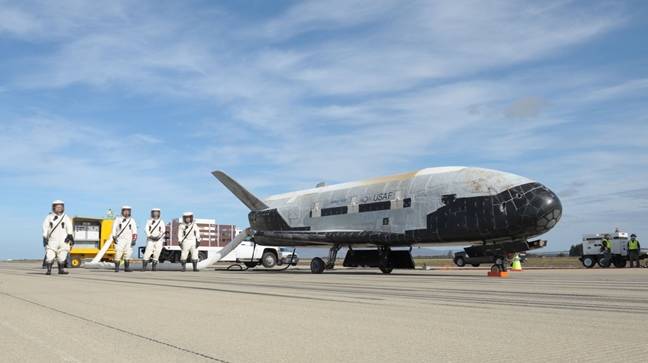
The US military's X-37B spaceplane has launched on its eighth mission, carrying a quantum GPS alternative that uses atom interferometry to measure position precisely, potentially allowing navigation without traditional satellite systems. This technology, tested in 2025, could enhance future spacecraft and aircraft navigation, raising strategic concerns for China and the US about satellite dependency in warfare.
The US Space Force's X-37B spaceplane is preparing for its eighth mission, continuing its secretive operations to test new technologies in space, though its future and role in broader defense initiatives remain uncertain amid questions about its cost-effectiveness and strategic importance.
U.S. satellite imagery firms warn that proposed $130 million cuts to the NRO's commercial imagery budget could harm national security, industry stability, and ongoing satellite deployment plans, especially amid geopolitical tensions and the industry's transition to commercial markets.
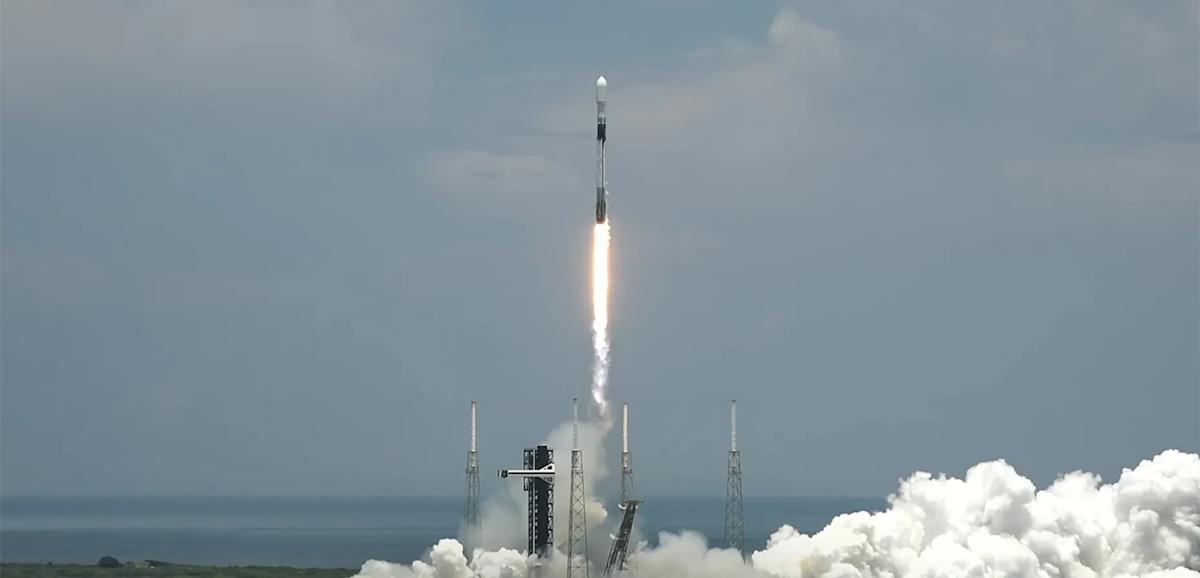
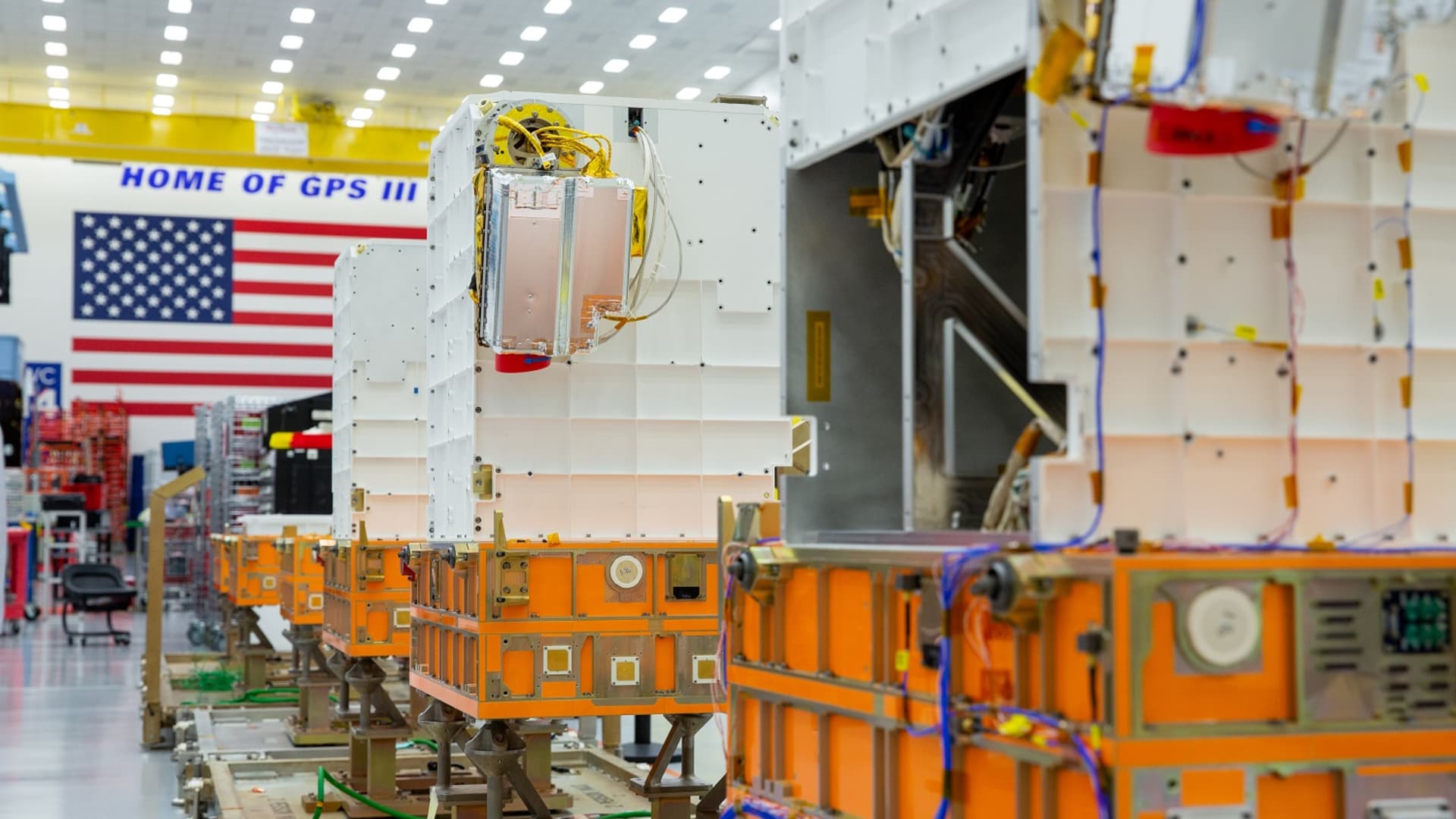
SpaceX has become the primary provider for U.S. national security launches due to delays and issues faced by ULA's Vulcan rocket, including recent successful GPS satellite launches and ULA's ongoing certification problems, leading to a shift in government contracts and increased reliance on SpaceX's Falcon 9.
The Pentagon has awarded contracts totaling $2.5 billion to L3Harris, Lockheed Martin, and Sierra Space to build 54 satellites for the U.S. Space Force's Proliferated Warfighter Space Architecture. These satellites, part of the "Tranche 2 Tracking Layer," will be used for missile warning, tracking, and defense. Each company will build 18 satellites, with the project expected to launch in April 2027. The initiative aims to enhance the U.S. military's space capabilities in response to growing threats, particularly from China, and reflects the increasing investment in space-related defense efforts.