Tag

Land Rights

All articles tagged with #land rights

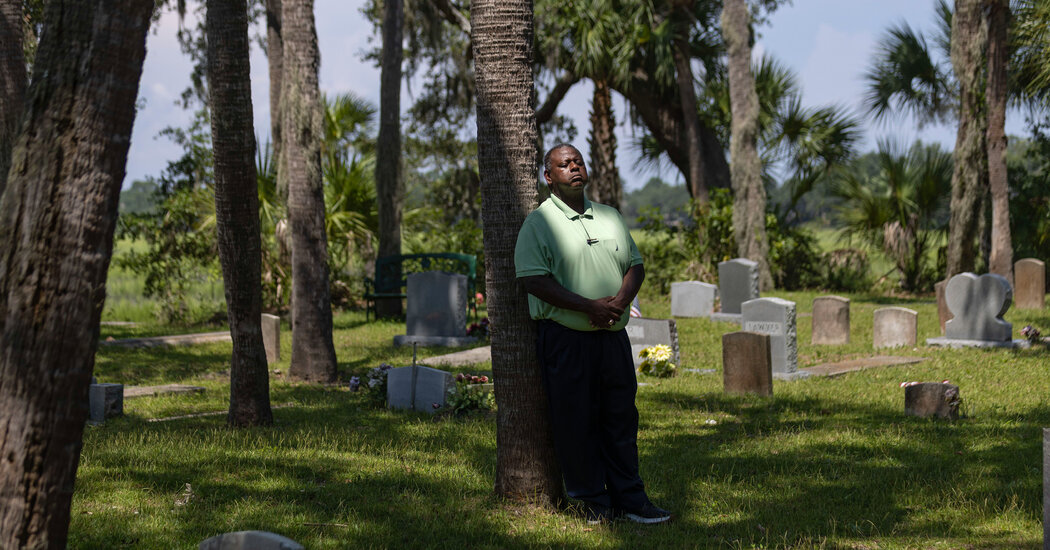
Gullah Culture vs. Wealthy Landowners in Hilton Head

Originally Published 5 months ago — by The New York Times

Featured image for Gullah Culture vs. Wealthy Landowners in Hilton Head
Source: The New York Times

A legal dispute on Hilton Head Island highlights the struggle of the Gullah Geechee community to access ancestral burial sites amid rising development and gentrification by wealthy newcomers, revealing ongoing racial and cultural tensions over land and heritage preservation.

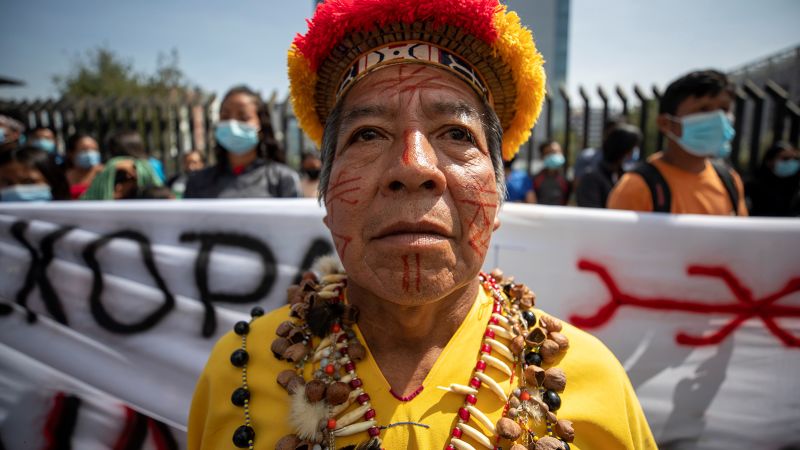
Ecuador's Indigenous Community Reclaims Ancestral Land After 80-Year Battle

Originally Published 2 years ago — by CNN

Featured image for Ecuador's Indigenous Community Reclaims Ancestral Land After 80-Year Battle
Source: CNN

An indigenous community in Ecuador, the Siekopai nation, has won a legal battle to reclaim their ancestral land in the Ecuadorian Amazon after more than 80 years of displacement due to war. The Ecuadorian appeals court ruled in favor of the Siekopai, giving them ownership over the biodiverse territory of Pë’këya. The court has ordered the Ministry of Environment to deliver a property title to the Siekopai people within 45 days for over 104,000 acres of land. This landmark ruling sets a precedent for indigenous communities fighting to reclaim their lands across Latin America and the world.

Triumph: Black Family Reclaims Land After 12-Year Legal Battle

Originally Published 2 years ago — by Insider

Featured image for Triumph: Black Family Reclaims Land After 12-Year Legal Battle
Source: Insider

The Ely family in Alabama successfully fought a lawsuit that aimed to force them to sell their shares of family land, which had been purchased by their late grandfather in 1941. The land, which holds sentimental and historical value, was reclaimed after 12 years in court. This victory is significant in the context of the widespread land loss experienced by Black Americans, with an estimated 90% of farmland owned by Black Americans being lost or stolen over the past century. The Elys plan to honor their family's legacy by using the land as a gathering place and exploring business opportunities to make the most of its resources.

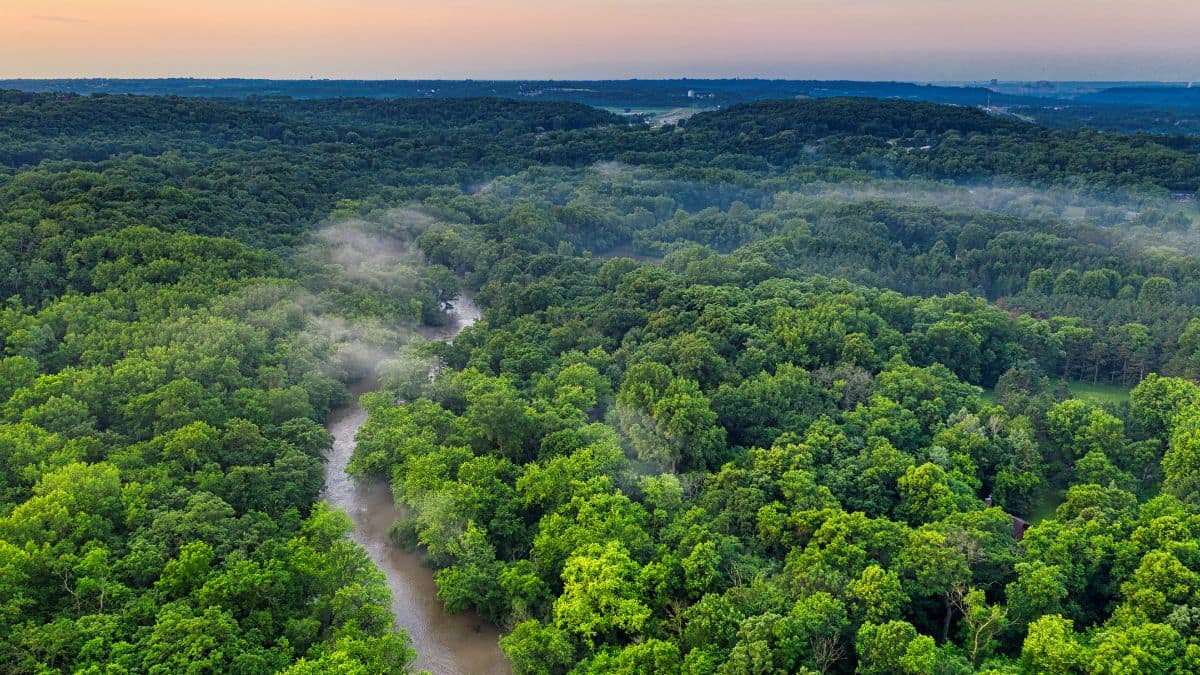
"Unveiling the Hidden Secrets: Ancient Human-Made Structures Discovered in Pristine Amazon Rainforest"

Originally Published 2 years ago — by WION

Featured image for "Unveiling the Hidden Secrets: Ancient Human-Made Structures Discovered in Pristine Amazon Rainforest"
Source: WION

Recent research using laser mapping and modeling has revealed that the Amazon rainforest, once thought to be untouched, is actually hiding thousands of ancient human-made structures. These structures, including ditches, geoglyphs, ponds, and wells, along with domesticated trees and crops, provide evidence of the long history of human influence on the rainforest. The findings have implications for understanding the magnitude of ancient human impact on the Amazon and for land rights of indigenous groups.

Brazilian Supreme Court Upholds Indigenous Land Rights in Land Claim Case

Originally Published 2 years ago — by Common Dreams

Featured image for Brazilian Supreme Court Upholds Indigenous Land Rights in Land Claim Case
Source: Common Dreams

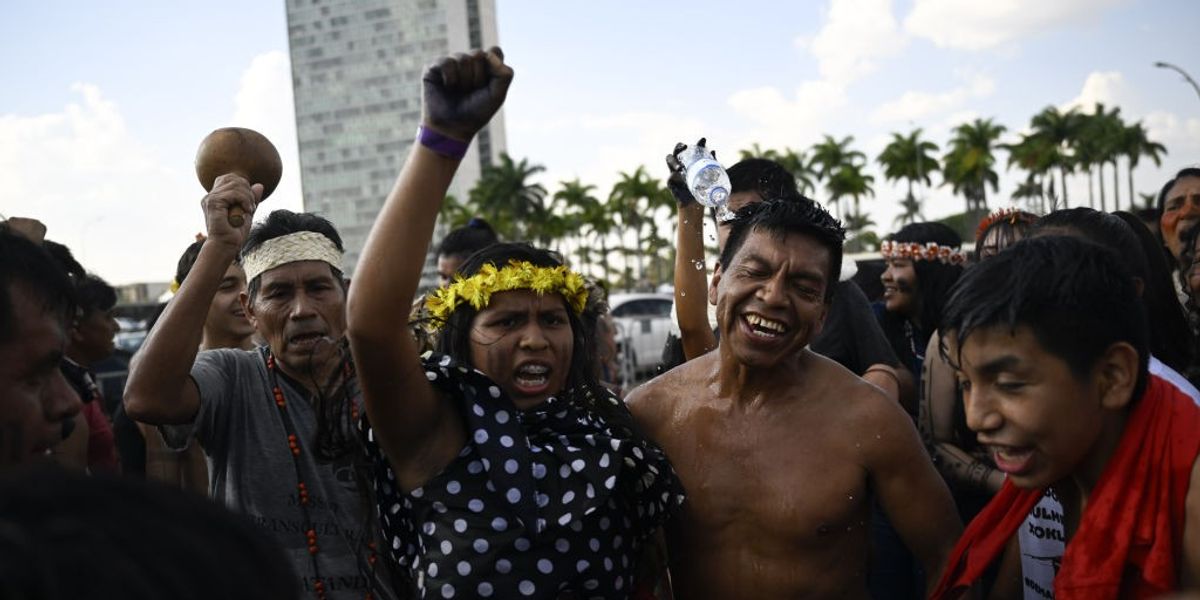
Brazil's Supreme Federal Court has delivered a "historic victory" for Indigenous peoples by rejecting a proposed rule that would have required them to prove ancestral land claims dating back to 1988. The rule, supported by agricultural interests, ignored the displacement of Indigenous groups during Brazil's military dictatorship. The court's ruling, which applies to other land claim cases, recognizes the constitutional protection of areas linked to Indigenous ancestry and tradition. Indigenous groups celebrated the decision, but emphasized the need to continue fighting for their rights amid other pending threats, including a bill that could ease the way for mining and other projects on Indigenous territory.

Brazil's Indigenous Peoples Secure Land Rights Victory in Top Court Decision

Originally Published 2 years ago — by FRANCE 24 English

Featured image for Brazil's Indigenous Peoples Secure Land Rights Victory in Top Court Decision
Source: FRANCE 24 English

Brazil's Supreme Court ruled against efforts to restrict native peoples' rights to protected reservations on their ancestral lands, in a landmark victory for Indigenous activists and climate campaigners. The court voted 9-2 in favor of Indigenous people, rejecting the "time-frame argument" that claimed Indigenous groups should not have rights to lands where they were not present in 1988. This ruling sets a legal precedent nationwide and is seen as a blow to former President Jair Bolsonaro's anti-Indigenous policies. The decision is celebrated by Indigenous leaders, who emphasize the importance of protecting Indigenous reservations in the fight against deforestation and climate change.

Brazil's Congress Under Fire for Weakening Environmental and Indigenous Ministries.

Originally Published 2 years ago — by The Guardian

Featured image for Brazil's Congress Under Fire for Weakening Environmental and Indigenous Ministries.
Source: The Guardian

Brazil's congress has moved to weaken the powers of the environment and Indigenous peoples ministries, potentially crippling efforts to protect Indigenous communities and the Amazon. The move would strip the environment ministry of control of the rural environmental registry and water resources, and the ministry for Indigenous peoples of responsibility for delimiting Indigenous territories, handing those powers to the justice ministry. Activists fear the changes would deal a severe blow to the environment ministry and Indigenous ministry, and represent a step backwards for Indigenous rights.

Indigenous Environmentalists Win Goldman Prize

Originally Published 2 years ago — by NBC News

Featured image for Indigenous Environmentalists Win Goldman Prize
Source: NBC News

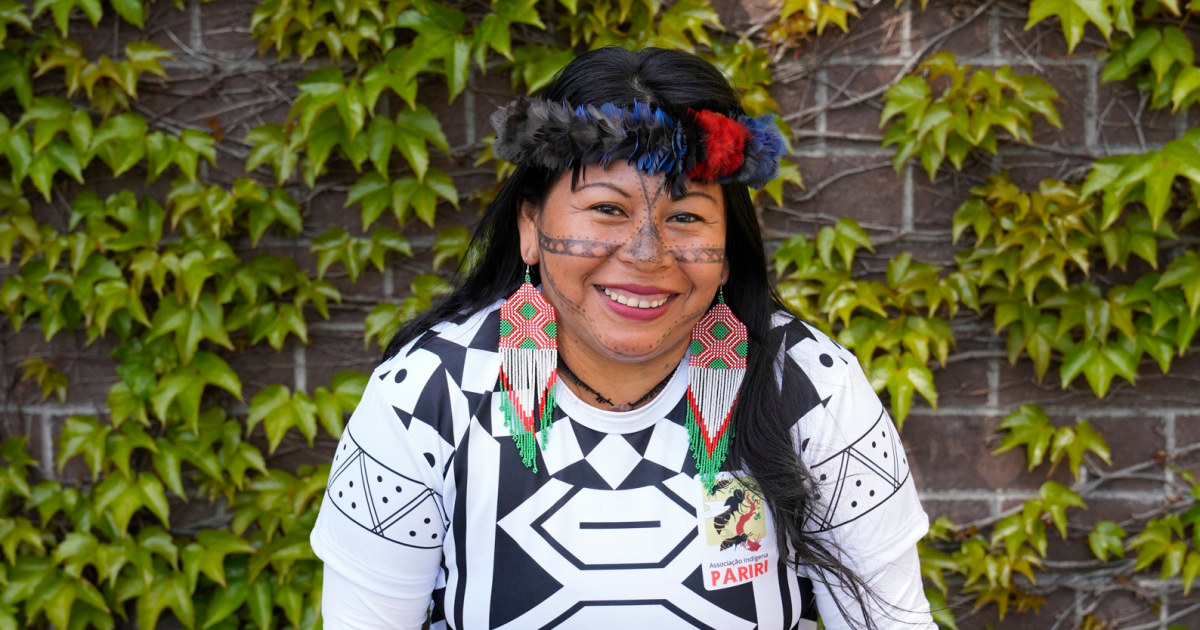
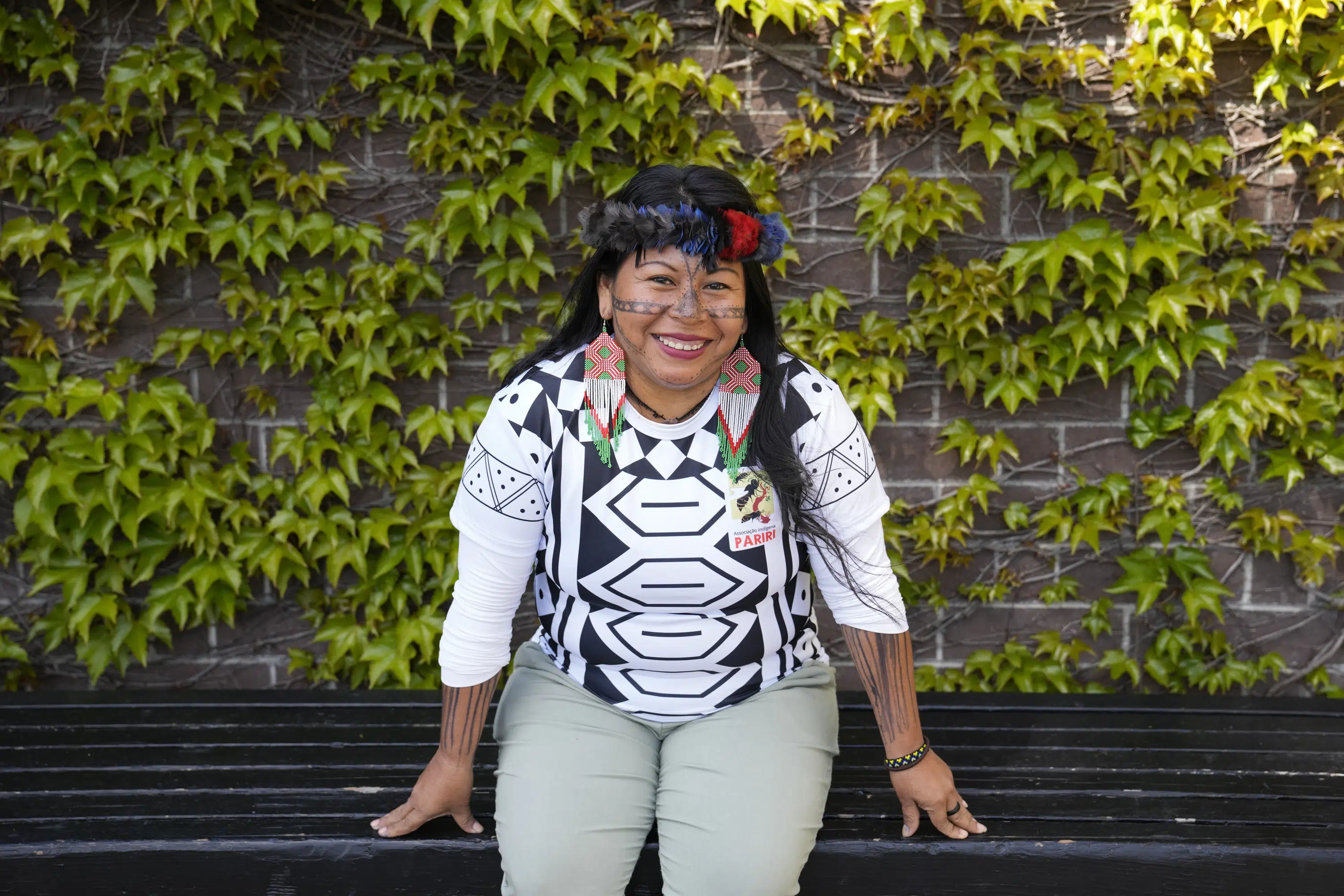
Alessandra Korap, an Indigenous woman from the Amazon, has won the Goldman Environmental Prize for her work defending her Munduruku people's ancestral territory from illegal mining, hydroelectric dams, and logging. Korap and other Munduruku women organized demonstrations, presented evidence of environmental crime, and opposed illicit agreements and incentives offered to their people. The award highlights the need for the demarcation of the Sawre Muybu territory and the expulsion of illegal miners. Indigenous-controlled forests are the best preserved in the Brazilian Amazon, which is crucial for mitigating climate change.

Indigenous Environmentalists Win Prestigious Goldman Prize

Originally Published 2 years ago — by The Associated Press

Featured image for Indigenous Environmentalists Win Prestigious Goldman Prize
Source: The Associated Press

Alessandra Korap, an Indigenous woman from the Munduruku people in the Amazon rainforest, has won the Goldman Environmental Prize for her activism in defending her people's ancestral territory against illegal mining, hydroelectric dams, and logging. Korap and other Munduruku women have organized demonstrations, presented evidence of environmental crime, and opposed illicit agreements and incentives offered to their people. The award recognizes grassroots activists around the world who are dedicated to protecting the environment and promoting sustainability. Korap's top priority is the demarcation of the Sawre Muybu territory, an area of virgin rainforest along the Tapajos River spanning 178,000 hectares.

University of Minnesota's Troubling Record with Native Minnesotans and Call for Reparations.

Originally Published 2 years ago — by CBS News

Featured image for University of Minnesota's Troubling Record with Native Minnesotans and Call for Reparations.
Source: CBS News

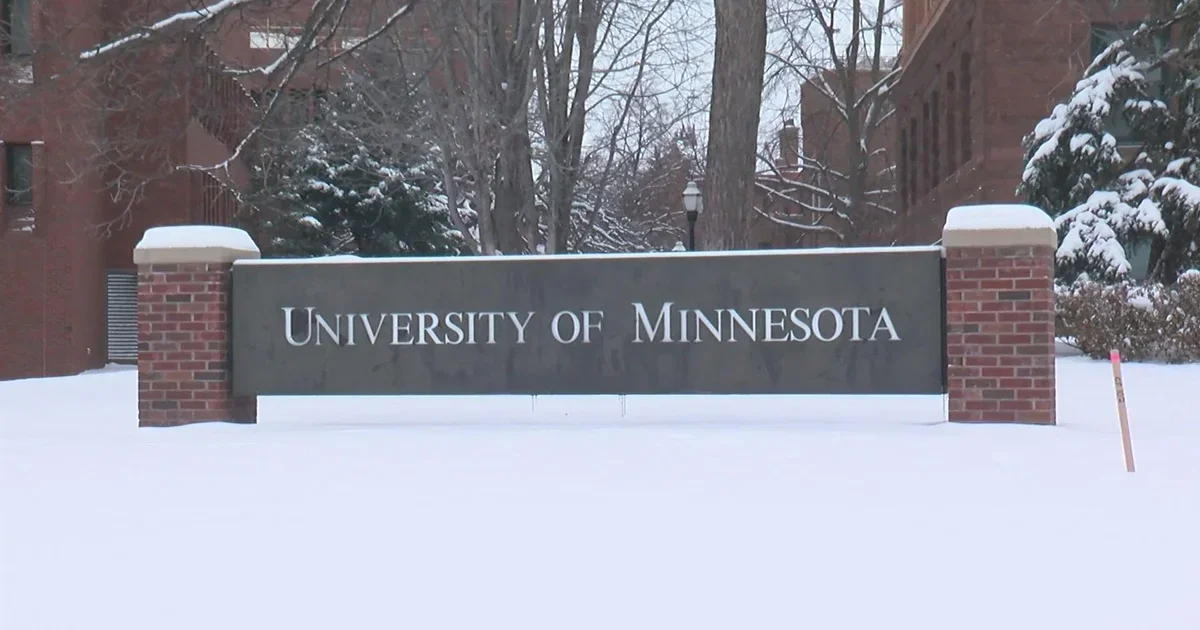
The University of Minnesota has been accused of committing genocide and ethnic cleansing of Indigenous peoples for financial gain, according to a report conducted through a collaboration with the school. The report marks the first time a major American university has critically examined its history with Native people. The report recommends that the university should hire more Native American faculty, offer students additional financial support, and give back land to atone for its historic mistreatment of the state's tribes. The university has taken some steps towards addressing concerns, but tribal leaders say more needs to be done.

India's Project Tiger Celebrates 50 Years of Success and Advocates for Indigenous Land Rights.

Originally Published 2 years ago — by The Associated Press

Featured image for India's Project Tiger Celebrates 50 Years of Success and Advocates for Indigenous Land Rights.
Source: The Associated Press

As India's tiger population recovers, Indigenous groups are protesting the conservation strategies that have displaced them from their ancestral lands. The conservation model, centered around creating protected reserves, has been criticized for uprooting communities that have lived in the forests for millennia. Several Indigenous groups have set up committees to protest evictions and seek a voice in how the forests are managed. Despite a government forest rights law passed in 2006, only about 1% of the more than 100 million Adivasis in India have been granted any rights over forest lands. Critics say the social costs of fortress conservation are high and engaging with communities is the way forward for protecting wildlife in India.

Remembering Yunupingu: A Giant of Indigenous Australia

Originally Published 2 years ago — by BBC

Featured image for Remembering Yunupingu: A Giant of Indigenous Australia
Source: BBC

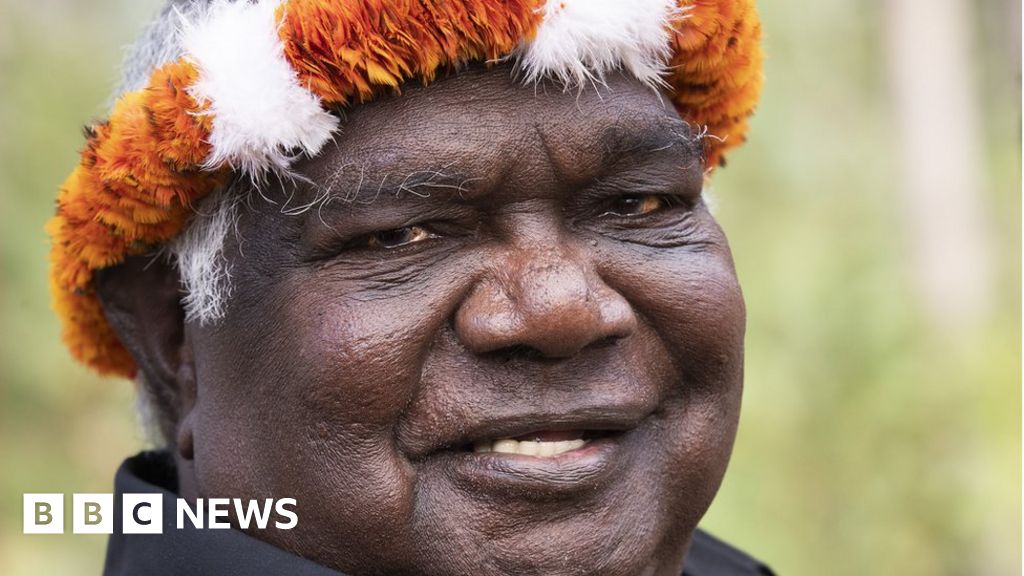
Aboriginal leader Yunupingu, who was a trailblazer in the fight for land rights and constitutional recognition of Indigenous people in Australia, has died at the age of 74 after a long illness. He rose to prominence in the land rights movement in the 1960s and was named Australian of the Year in 1978. Yunupingu was also celebrated as a singer, artist and promoter of Indigenous culture. He helped set up the Northern Land Council and the Yothu Yindi Foundation, and advocated for constitutional recognition of Indigenous people through the Voice to Parliament.

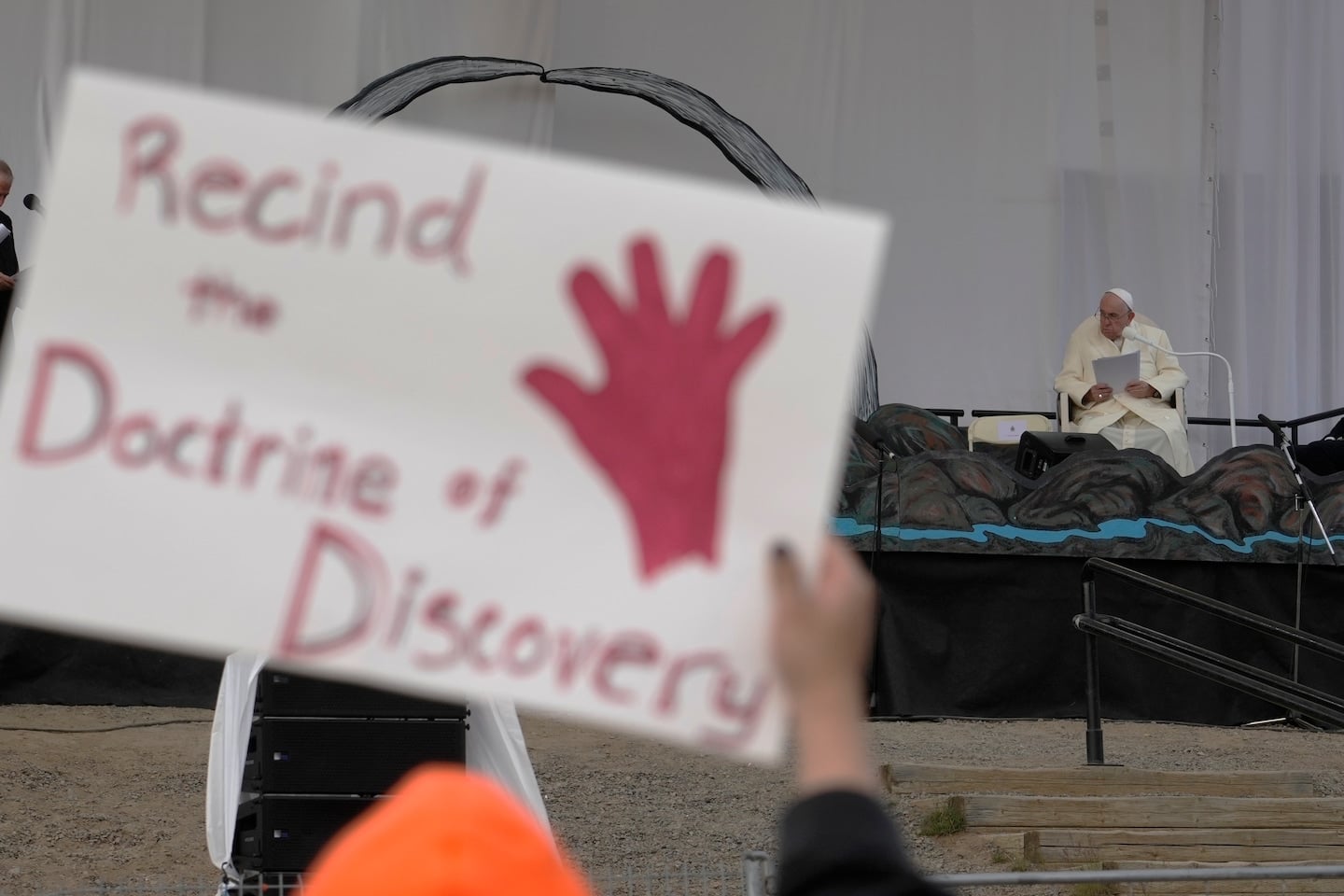
Vatican denounces 'Doctrine of Discovery' and colonialism.

Originally Published 2 years ago — by The Washington Post

Featured image for Vatican denounces 'Doctrine of Discovery' and colonialism.
Source: The Washington Post

The Vatican has rejected the "Doctrine of Discovery," which was used by European colonial powers to capture and claim Indigenous land in the Americas and elsewhere. The church acknowledged that these papal bulls did not reflect the equal dignity and rights of Indigenous peoples and recognized the acts of violence committed against them by colonial settlers. Indigenous groups have argued that European explorers used the principle of discovery to legally and morally justify the subjugation and exploitation of Indigenous communities. The announcement was greeted by Indigenous advocates, who called on governments to rectify the wrongs caused by colonial doctrines.

Indigenous Concerns and Land Struggles Surround Indonesia's New Capital Plan

Originally Published 2 years ago — by Al Jazeera English

Featured image for Indigenous Concerns and Land Struggles Surround Indonesia's New Capital Plan
Source: Al Jazeera English

Indonesia's plan to build a new capital city in East Kalimantan, on the island of Borneo, is causing concern among Indigenous peoples who fear they will be pushed out of their land. The Indigenous Peoples’ Alliance of Nusantara estimates that at least 20,000 Indigenous people will be relocated as construction on the new city progresses. Advocacy groups say one of the main challenges for Indigenous people is proving land ownership to secure compensation. The government has promoted initiatives like training programmes for locals as representative of the benefits the new capital development will offer people in East Kalimantan.