indigenous-rights2.5 min read
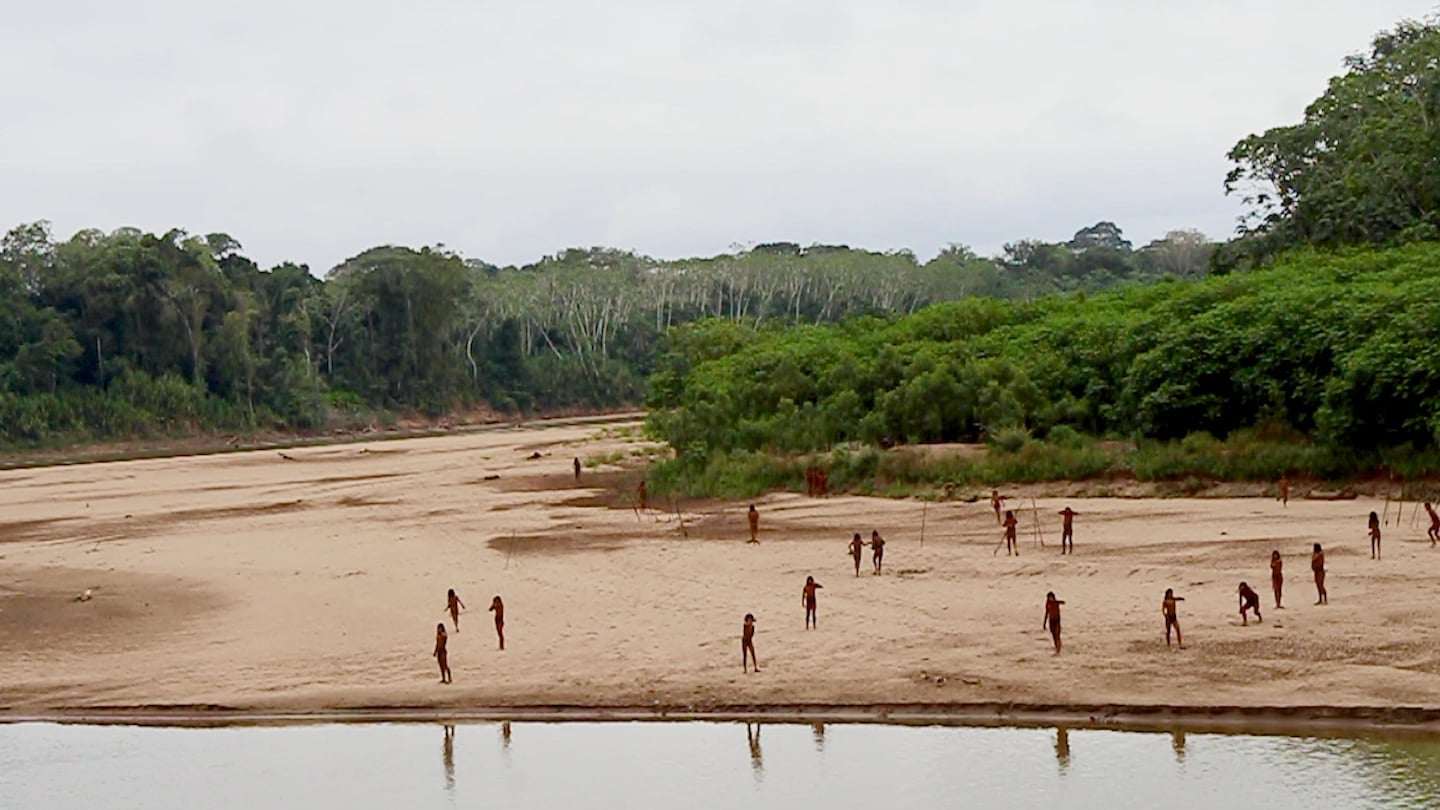
Uncontacted Amazon Tribe Emerges Amid Logging Threats in Peru
1 year ago•Source: The Washington Post

The latest indigenous rights stories, summarized by AI
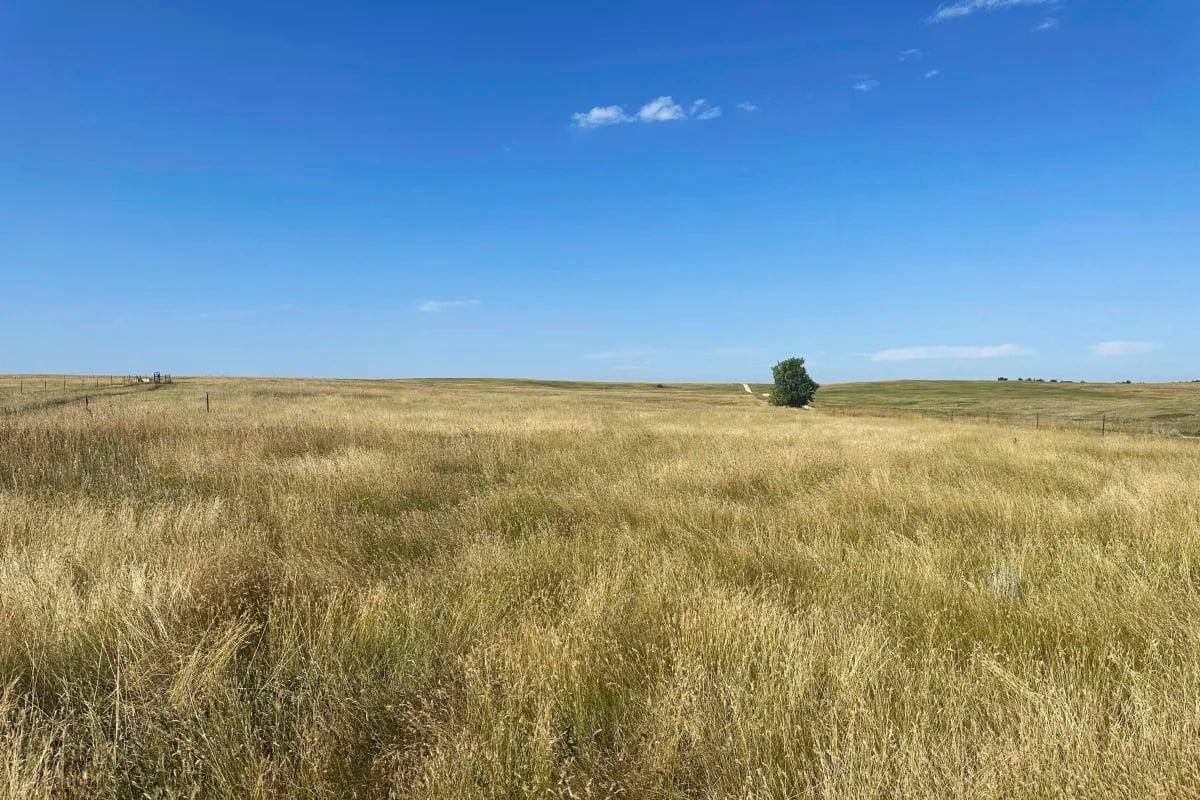
The Cheyenne River Youth Project, a Native American-led nonprofit, has purchased nearly 40 acres of land in the Black Hills of South Dakota, adjacent to Bear Butte State Park, in an effort to re-establish access to sacred places for the Lakota Nation. The purchase comes amid a growing movement seeking to return land to Indigenous people, with the organization citing the loss of opportunities to access sacred places due to urban growth and rising land values. The move reflects a broader trend of tribes in the U.S., Canada, and Australia working to restore their rights to ancestral lands through the Land Back movement.
Reuters•2 years ago
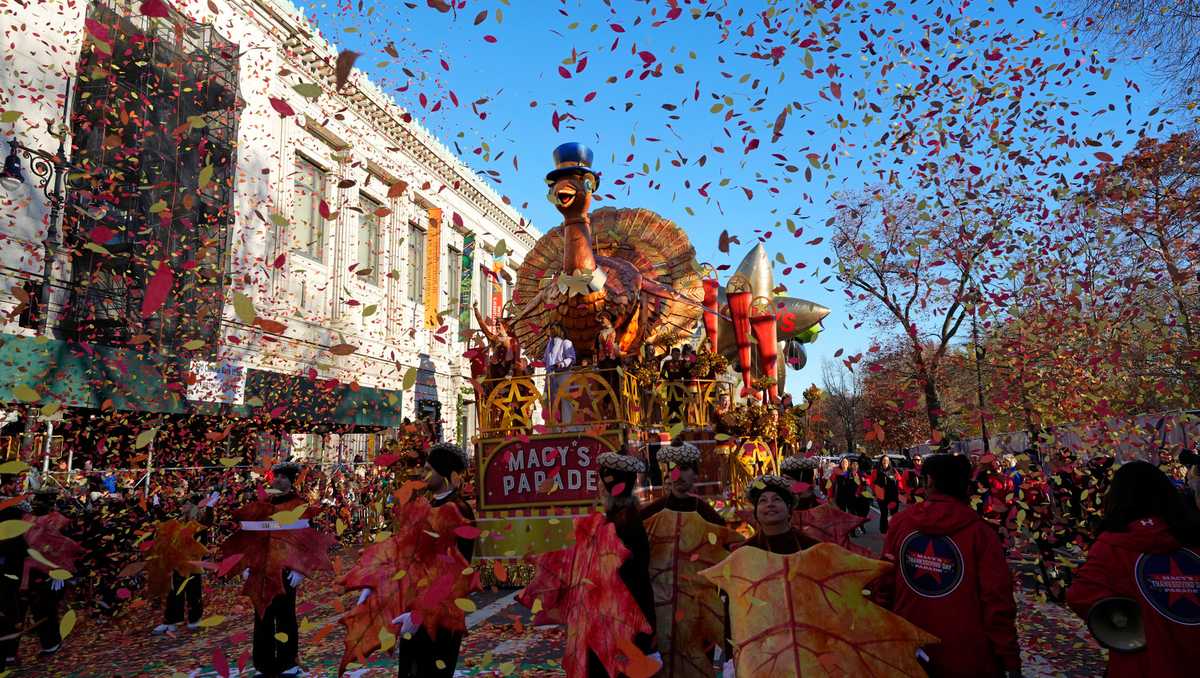
The Mashpee Wampanoag Tribe responded to a political demonstration involving a Palestinian flag on their float during the Macy's Thanksgiving Day Parade. The tribe stated that the actions were not endorsed by them and emphasized that they take no stance on conflicts overseas. The parade also saw disruptions related to the conflict between Hamas and Israel, with protesters briefly blocking the street. The demonstration occurred on the eve of a four-day cease-fire expected to include a prisoner exchange between Israel and Hamas.
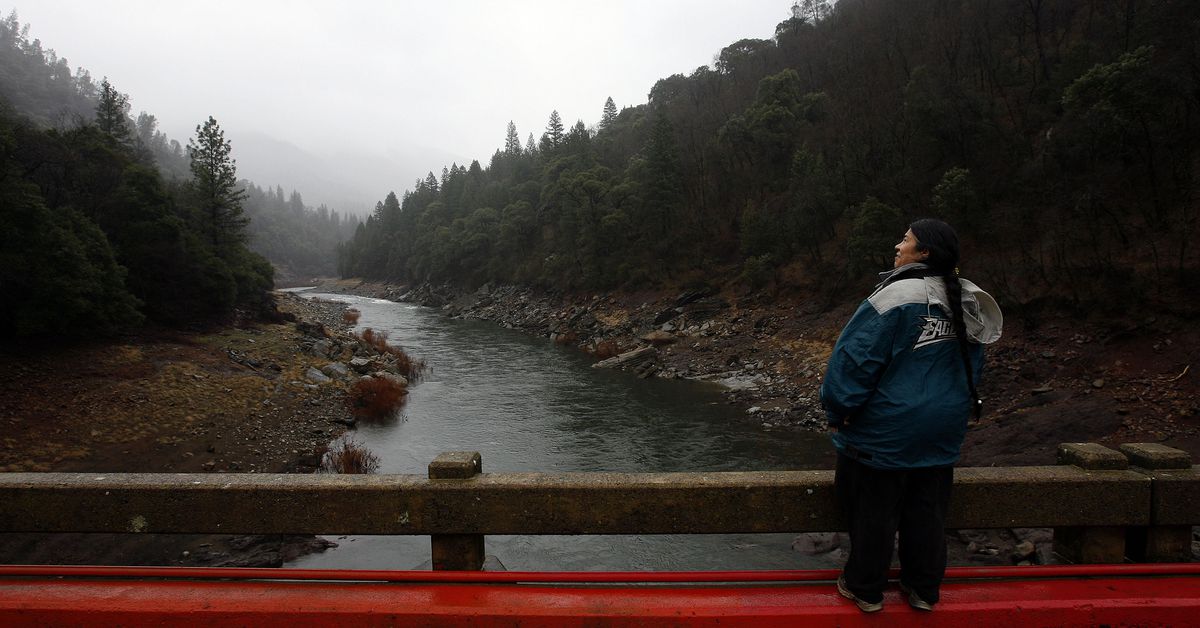
The Winnemem Wintu tribe in Northern California has purchased 1,080 acres of their ancestral lands, using private donations, to reintroduce their sacred salmon, the winter-run Chinook, to the McCloud River. The tribe had been fighting for almost a decade to save the endangered fish, whose population declined due to the construction of the Shasta Dam. The land purchase will also support the construction of an eco-village that combines Indigenous living traditions with sustainable land management practices. This success is part of the broader land back movement, which aims to return ancestral lands to Indigenous peoples and promote environmental conservation.
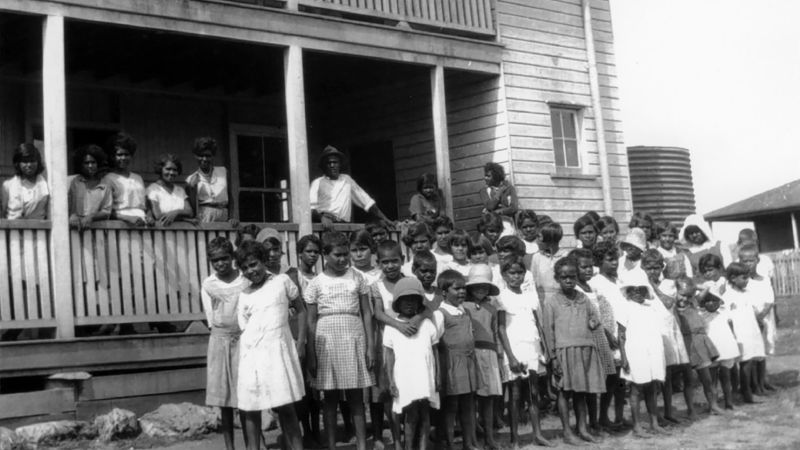
Cherbourg, an Australian community built on racial segregation, is grappling with the upcoming referendum on whether to recognize First Nations people in the constitution and create a Voice to Parliament. The community, which was once a government reserve for forcibly relocated Aboriginal and Torres Strait Islanders, has made progress in recent years but still faces disparities in areas such as infant mortality, employment, suicide, and incarceration. The referendum is on track to fail, with polls showing a divide among Australians. Supporters argue for constitutional recognition and a permanent body to address Indigenous issues, while opponents believe it embeds division and want more accountability in Indigenous programs.
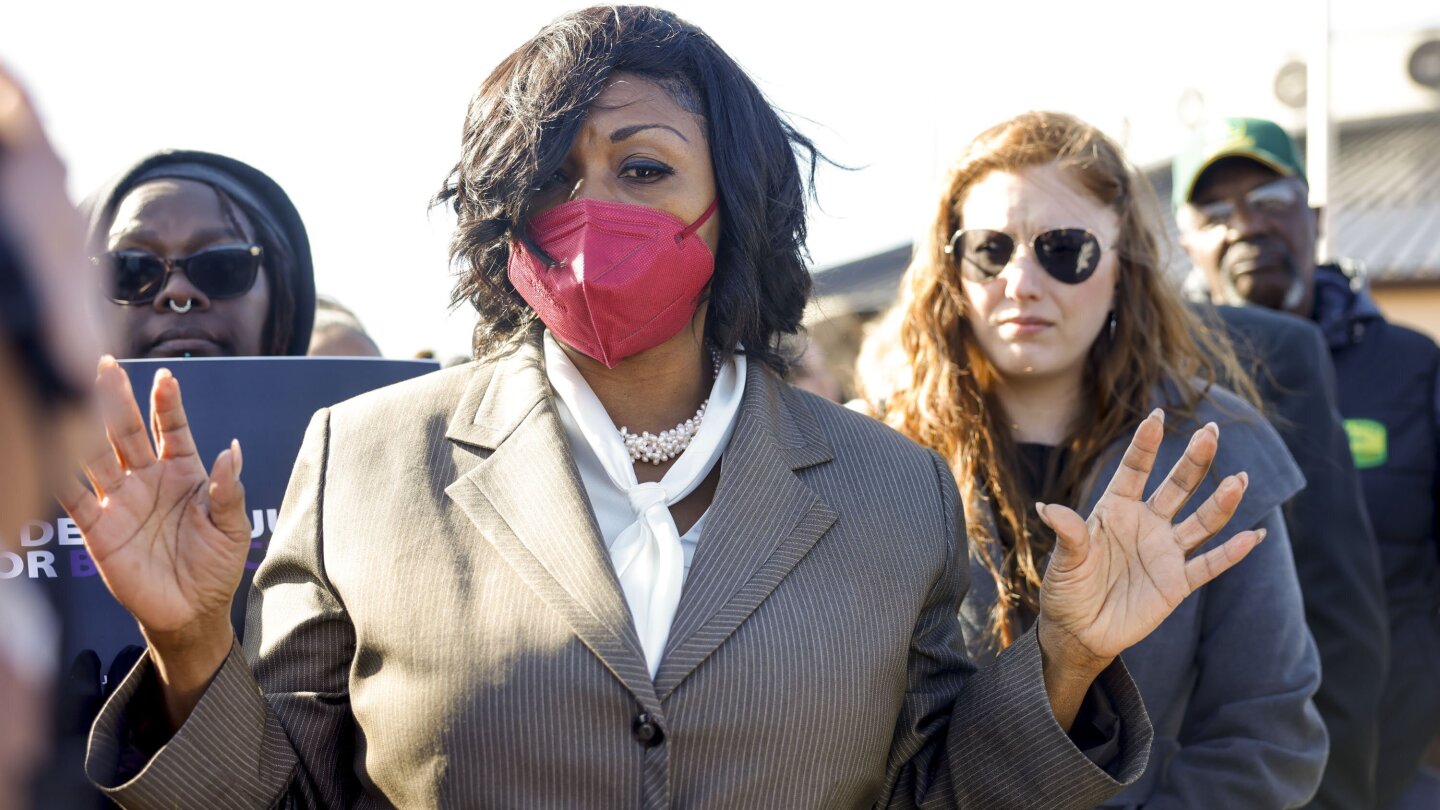
A judge for the Muscogee (Creek) Nation in Oklahoma ruled in favor of granting citizenship to two descendants of Black slaves, known as freedmen, potentially opening the door for hundreds of other descendants. The ruling reverses the tribe's citizenship board's decision and orders a reconsideration based on the tribe's Treaty of 1866, which states that descendants listed on the Creek Freedmen Roll are eligible for tribal citizenship. The issue of freedmen citizenship has been contentious among tribes, with some granting full citizenship while others argue for tribal sovereignty in determining eligibility. The Muscogee Nation plans to appeal the ruling to its Supreme Court.

The indigenous community of Maui, known as Kanaka Maoli, is fighting against land grabs by developers targeting victims of recent wildfires. These "vulture capitalists" are taking advantage of the tragedy to prey upon the community's connection to the land. The dispossession of Hawaii's land has been ongoing since American settlers arrived in the 19th century, and the Kanaka Maoli have been fighting for recognition of their land rights. Indigenous activists are working to inform their people about their legal rights and hold developers accountable. The fires have added another layer to the complex issue of land ownership in Hawaii, where billions of dollars are being injected into real estate, driving up prices and exacerbating the housing crisis. The indigenous community is also finding solidarity with the Palestinian community in their shared experiences of settler colonialism.
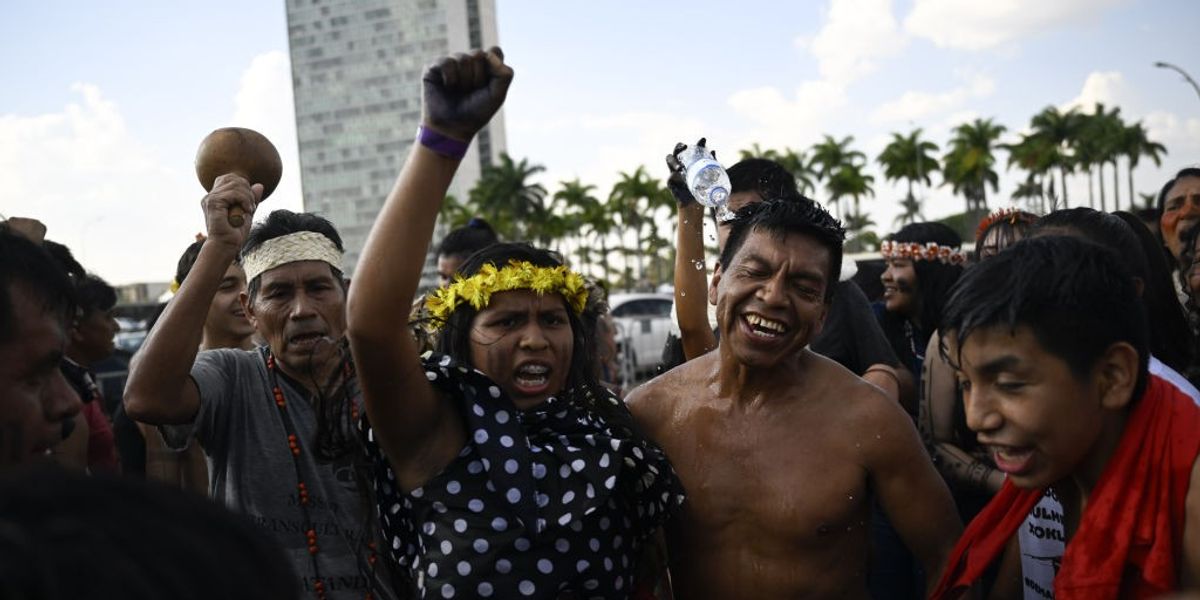
Brazil's Supreme Federal Court has delivered a "historic victory" for Indigenous peoples by rejecting a proposed rule that would have required them to prove ancestral land claims dating back to 1988. The rule, supported by agricultural interests, ignored the displacement of Indigenous groups during Brazil's military dictatorship. The court's ruling, which applies to other land claim cases, recognizes the constitutional protection of areas linked to Indigenous ancestry and tradition. Indigenous groups celebrated the decision, but emphasized the need to continue fighting for their rights amid other pending threats, including a bill that could ease the way for mining and other projects on Indigenous territory.

Brazil's Supreme Court ruled against efforts to restrict native peoples' rights to protected reservations on their ancestral lands, in a landmark victory for Indigenous activists and climate campaigners. The court voted 9-2 in favor of Indigenous people, rejecting the "time-frame argument" that claimed Indigenous groups should not have rights to lands where they were not present in 1988. This ruling sets a legal precedent nationwide and is seen as a blow to former President Jair Bolsonaro's anti-Indigenous policies. The decision is celebrated by Indigenous leaders, who emphasize the importance of protecting Indigenous reservations in the fight against deforestation and climate change.
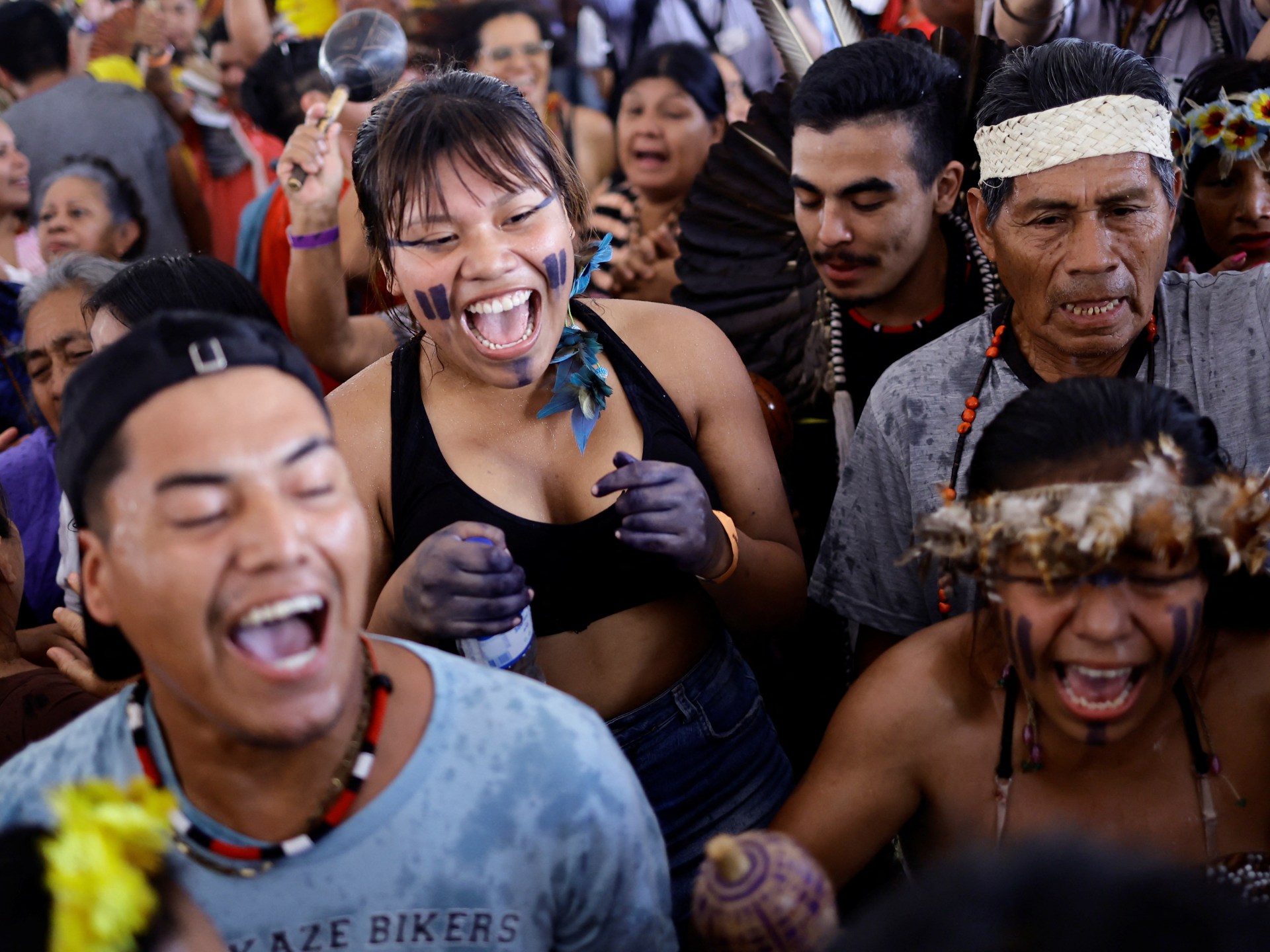
Brazil's Supreme Court has ruled in favor of Indigenous rights by striking down the "marco temporal" argument, which would have required Indigenous groups to prove their presence on ancestral lands in 1988. The decision is seen as a victory for Indigenous peoples and human rights organizations, who argued that the policy could lead to the theft of Indigenous lands. The ruling will have significant implications as Brazil's Senate considers legislation to limit new Indigenous reservations, with support from the agriculture lobby.
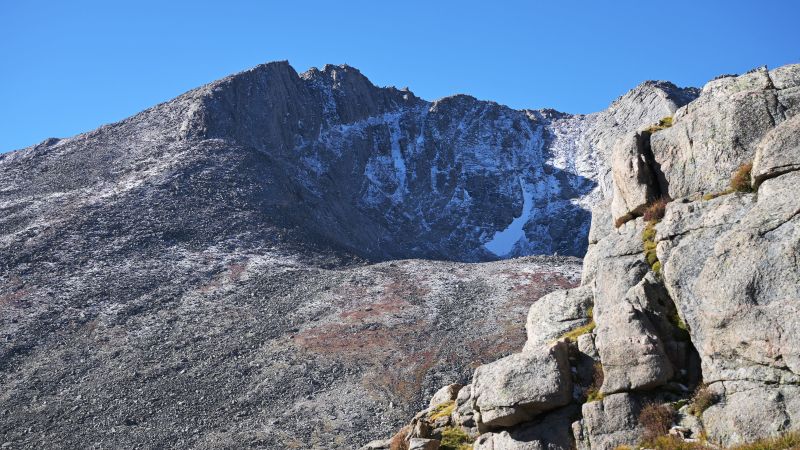
Mount Evans, a peak in Colorado named after former governor John Evans, who authorized the 1864 Sand Creek Massacre of over 200 Cheyenne and Arapaho tribal members, has been renamed Mount Blue Sky. The new name holds significance for the tribes involved, as the Arapaho were known as the Blue Sky people and the Cheyenne have a ceremony called Blue Sky. The renaming is seen as a step towards healing and honoring the victims, with support from various tribes and organizations. The massacre is considered one of the worst tragedies in American history, and the renaming aims to be inclusive and welcoming for future generations.
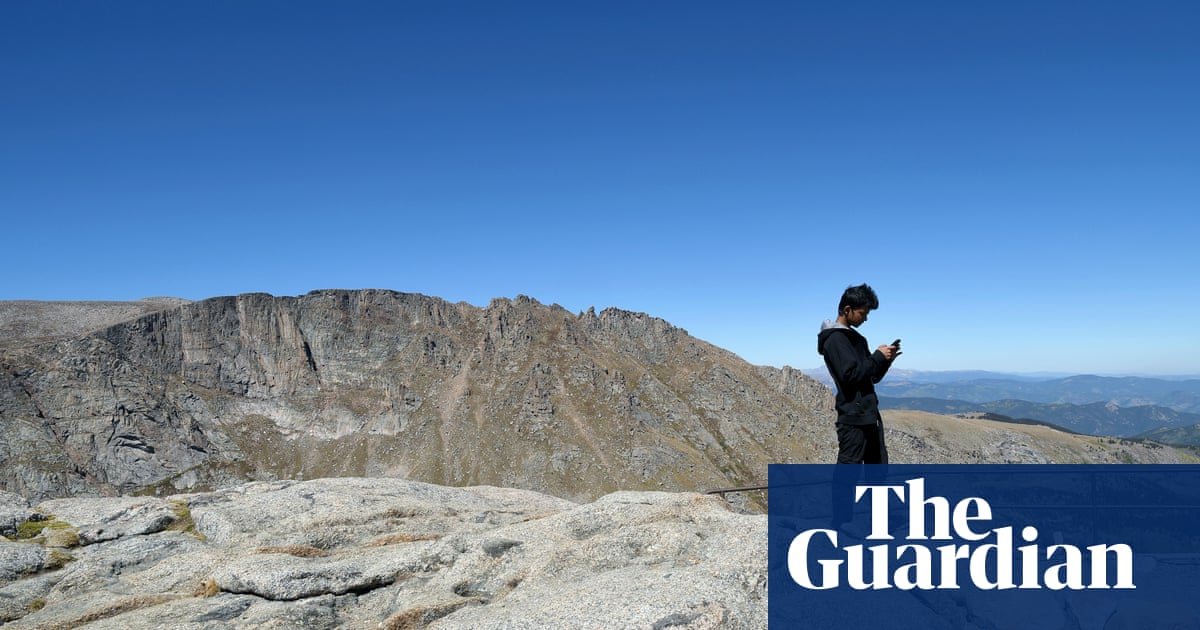
Federal officials have renamed Mount Evans in Colorado to Mount Blue Sky, at the request of the Cheyenne and Arapaho Tribes. The mountain was previously named after Governor John Evans, who led a massacre against Indigenous people in 1864. The new name holds significance for both tribes, and they see it as an important step in the healing process. However, some descendants of Evans and the Northern Cheyenne Tribe have disapproved of the renaming. The tribes are also working to change the name of the Mount Evans wilderness area to the Mount Blue Sky wilderness area, which would require congressional action.