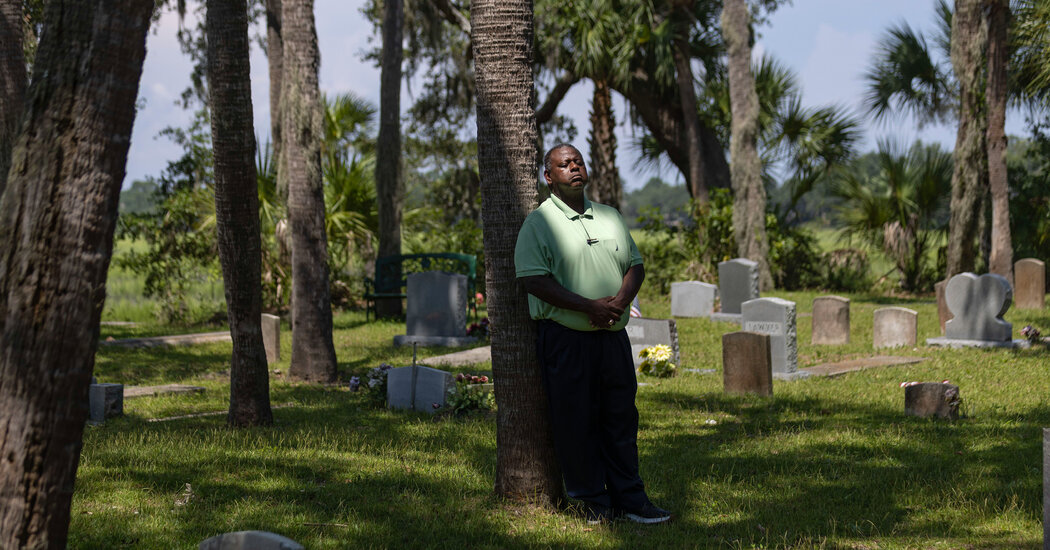
A legal dispute on Hilton Head Island highlights the struggle of the Gullah Geechee community to access ancestral burial sites amid rising development and gentrification by wealthy newcomers, revealing ongoing racial and cultural tensions over land and heritage preservation.
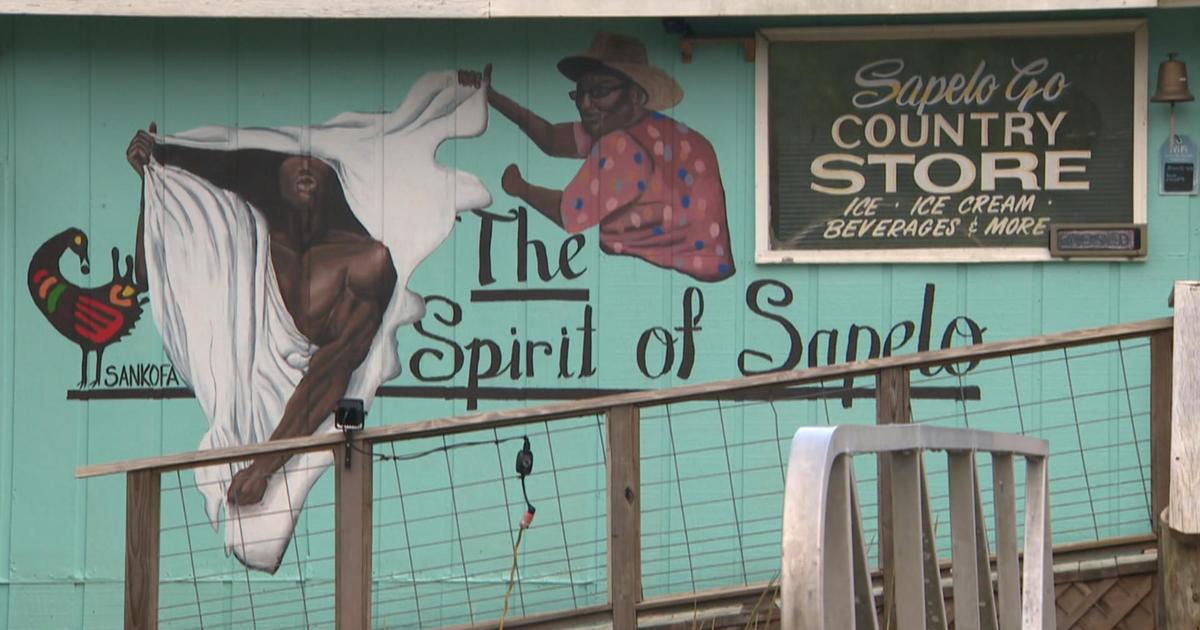
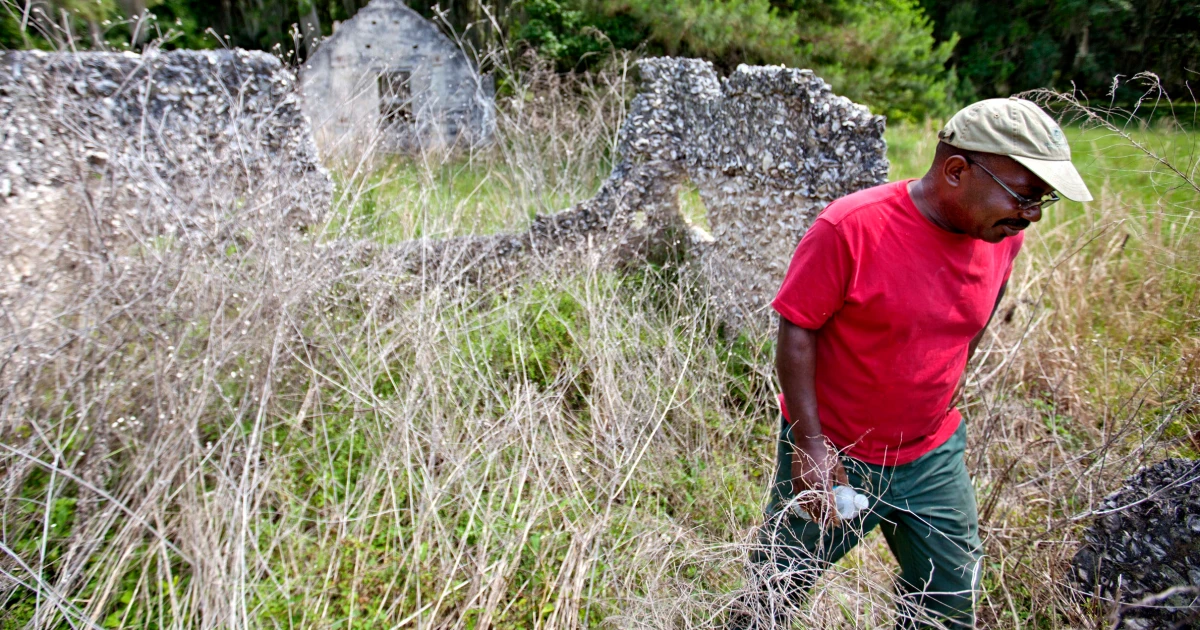
Sapelo Island, one of America's last intact Gullah Geechee communities, is at risk due to revamped zoning laws that allow for larger homes, potentially leading to million-dollar properties and higher property taxes. This could price out current homeowners and threaten the cultural heritage of the community. The situation is seen as a battle of rich versus poor, with racial disparity playing a role as well. The descendants of the community are concerned about the future of their historic enclave.
The Gullah-Geechee community, descendants of enslaved people, are fighting against the removal of zoning restrictions in Hogg Hammock, a historic area on Sapelo Island, Georgia. The community fears that the removal of these restrictions will lead to wealthy transplants developing larger homes, increasing property taxes, and displacing them. The county, which is 65% white, has voted to remove language acknowledging the area's unique needs and preventing the removal of the indigenous population. This dispute is the latest in a series of conflicts between county officials and the small historic Black community, who have previously protested against property tax increases and sued the county for racial discrimination. Residents and state lawmakers are calling for a delay in the vote to protect their cultural history and heritage.
Descendants of enslaved people in Hogg Hummock, a Gullah-Geechee community on Sapelo Island, Georgia, are fighting against proposed zoning changes that would eliminate protections limiting home sizes and preventing land value increases. The rules were enacted in 1994 to preserve the African roots and traditions of the community. Residents fear that the changes would attract wealthy transplants, drive out current residents, and erase their historical culture. The proposed revisions describe Hogg Hummock as a community with limited water and sanitary sewer facilities, disregarding its unique needs and historic resources. The county commissioners are scheduled to vote on the changes next week.
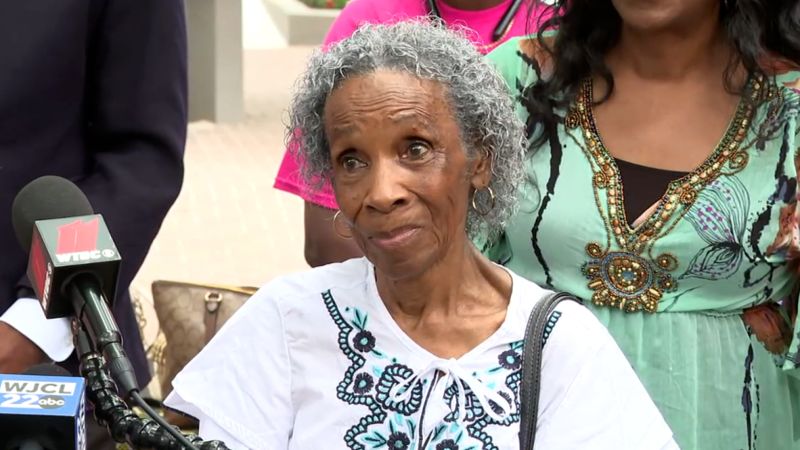
A 93-year-old woman, Josephine Wright, is embroiled in a legal battle over her family's land on Hilton Head Island, South Carolina, with a property developer seeking to build a residential development next door. The developer filed a lawsuit claiming that Wright's structures were encroaching on their land and causing delays. Wright filed a counterclaim, accusing the developer of intimidation and harassment. The case highlights the historic expropriation of Black-owned land, and Wright hopes her fight will inspire other Black landowners to defend their property. Celebrities, including Kyrie Irving and Tyler Perry, have shown support for her cause.
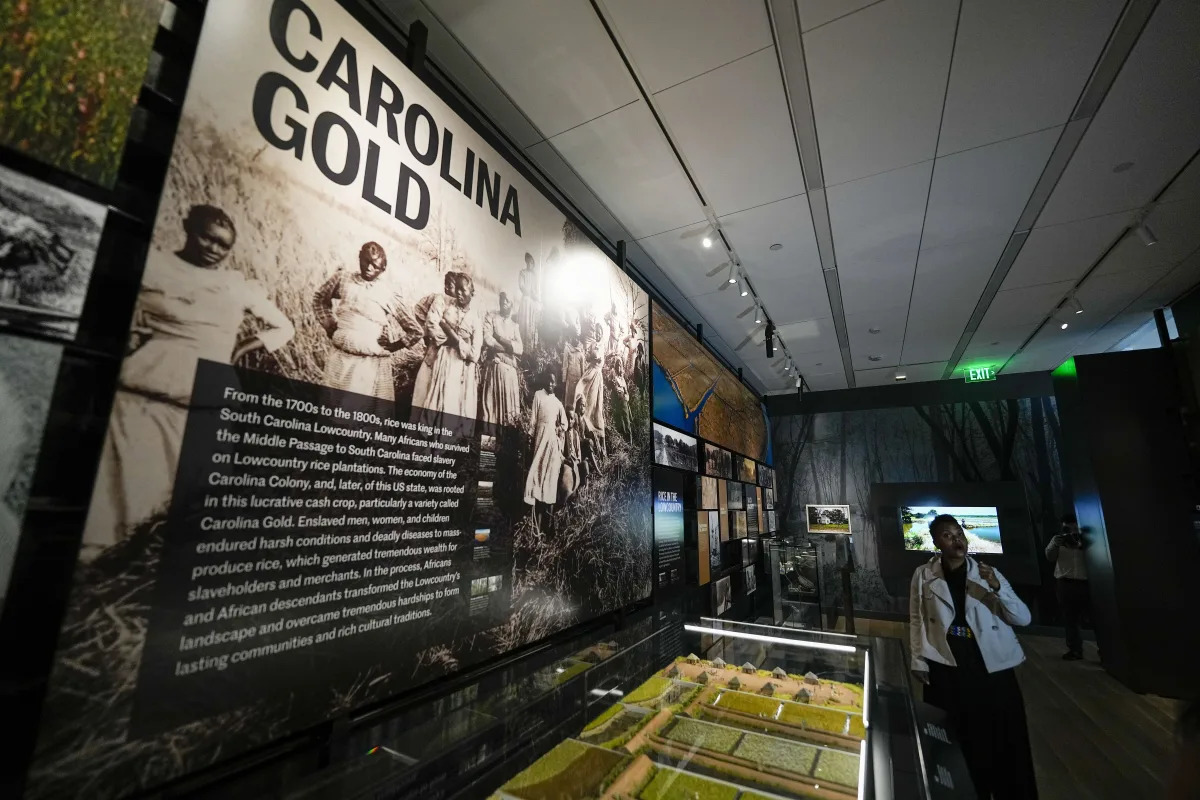
The International African American Museum has opened in Charleston, South Carolina, overlooking the old wharf where nearly half of the enslaved population first entered North America. The museum houses exhibits and artifacts exploring how African Americans’ labor, perseverance, resistance and cultures shaped the Carolinas, the nation and the world. It also includes a genealogy research center to help families trace their ancestors’ journey from point of arrival on the land. The $120 million facility features nine galleries that contain nearly a dozen interactive exhibits of more than 150 historical objects and 30 works of art.
The International African American Museum has opened in Charleston, South Carolina, overlooking the old wharf where nearly half of the enslaved population first entered North America. The museum houses exhibits and artifacts exploring how African Americans’ labor, perseverance, resistance and cultures shaped the Carolinas, the nation and the world. It also includes a genealogy research center to help families trace their ancestors’ journey from point of arrival on the land. The $120 million facility features nine galleries that contain nearly a dozen interactive exhibits of more than 150 historical objects and 30 works of art.