In the Brazilian Amazon, the Akuntsu—reduced to three women after decades of violence—welcomed a newborn boy named Akyp, offering renewed hope for the tribe’s survival and symbolizing potential protection of their land with support from Funai and the Kanoe as deforestation and land conflicts persist.
An opinion piece argues that civilization rests on secure property titles and private land ownership, and that apologies for past wrongs or Indigenous land claims cannot replace a stable, enforceable title system.
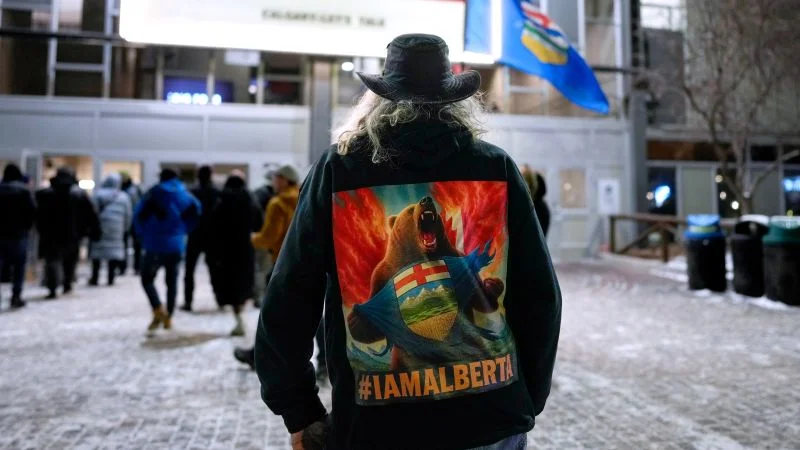
A fringe Alberta independence movement led by the Alberta Prosperity Project is pressing for a referendum on secession from Canada and has reportedly sought U.S. backing, including a possible $500 billion line of credit to fund a transition. CNN reports that State Department officials allegedly met with group leaders, drawing pushback from Canadian leaders who warn the path would be legally and economically daunting. Alberta Premier Danielle Smith has cultivated ties with Trump, and some activists have floated joining the United States, though polls show low support for independence. Stay Free Alberta is also collecting signatures for a referendum drive, with Indigenous treaty rights underscoring the legal complexities of any split.
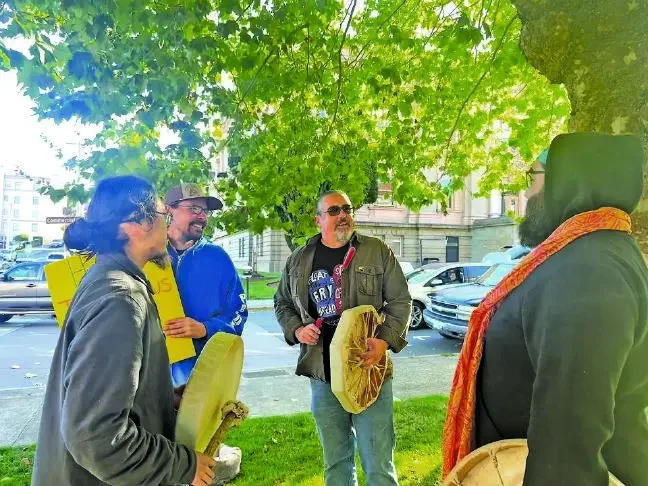
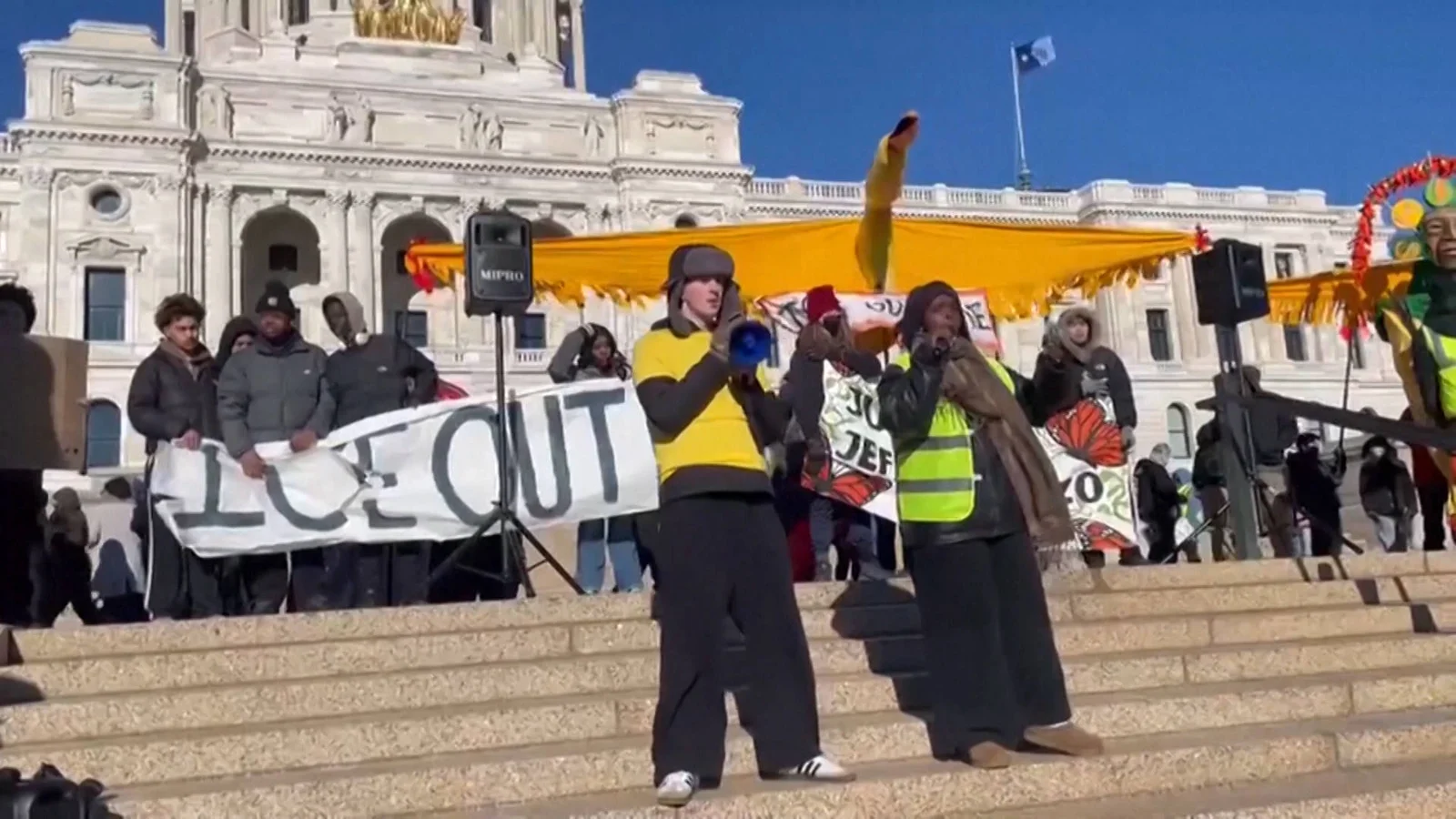
Three enrolled Oglala Sioux Tribe members detained by ICE in Minneapolis were transferred to Fort Snelling, a site with painful history of Dakota internment, prompting tribal leaders to call the detentions illegal and press for their release while questioning the legal basis. Advocates say the case reflects a broader pattern of ICE policies that fail to recognize tribal citizenship and sovereignty, linking contemporary detentions to historic Indigenous displacement and colonization.
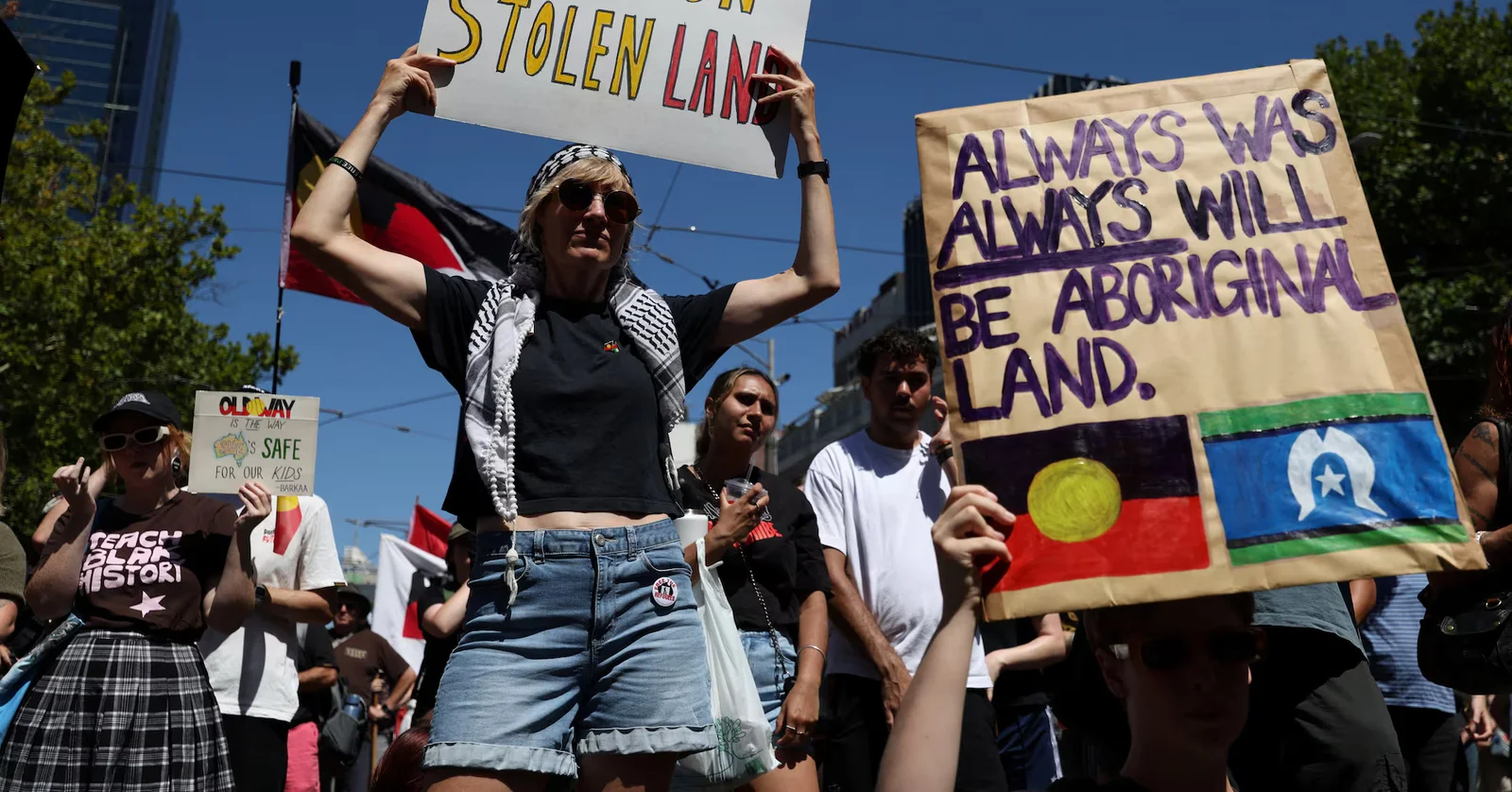
Thousands marked Australia Day with Indigenous-led “Invasion Day” rallies calling for unity, land rights and accountability for police matters, while separate anti-immigration protests drew hundreds; Prime Minister Albanese urged unity as the nation debates the date amid high immigration and cost-of-living pressures, with public opinion split on keeping the traditional date.
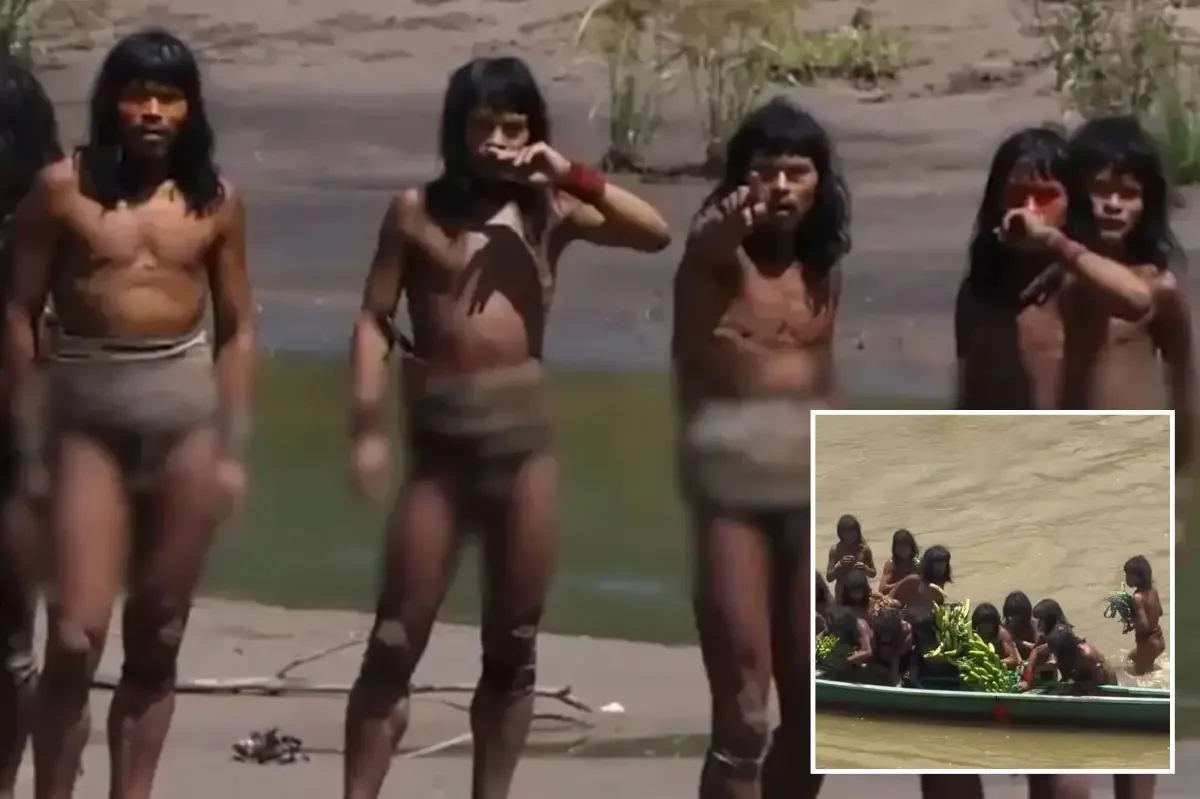
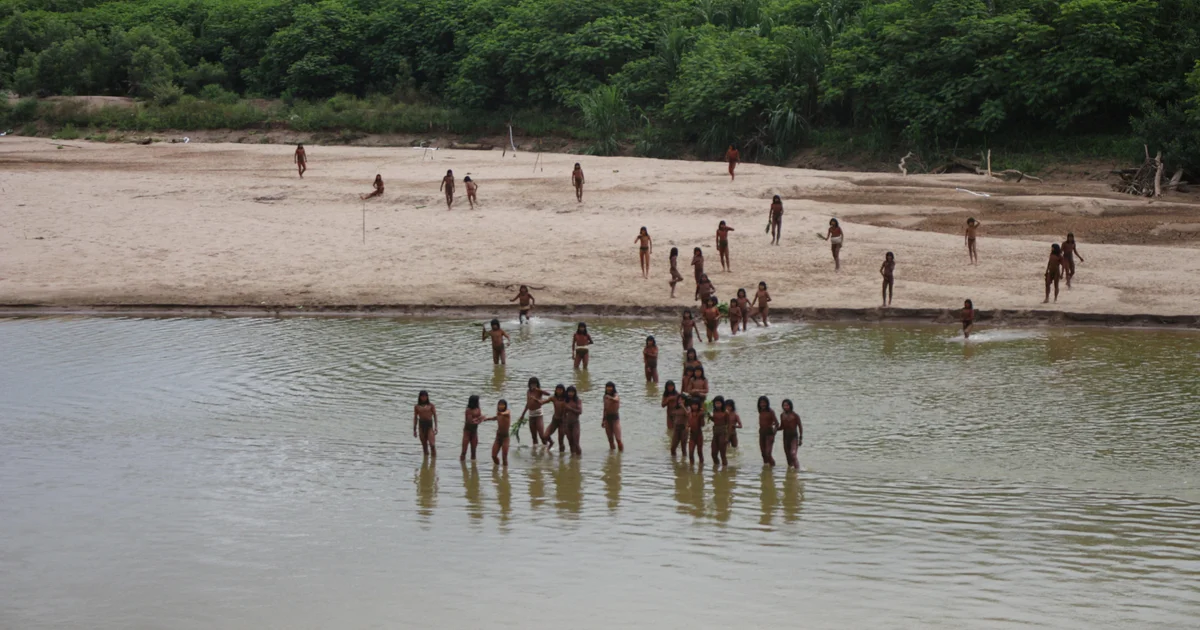
A conservationist's Lex Fridman interview features never-before-seen HD footage of an uncontacted Amazon tribe, showing tense signaling that relaxes as they approach; researchers estimate about 200 such groups remain, and experts warn that contact can spread disease and destabilize communities, underscoring no-contact policies and ongoing land protection.
Four Oglala Sioux Tribe members were swept up by ICE, with three remaining jailed at a facility at Fort Snelling in Minnesota, a site tied to the 1862 U.S.-Dakota War where Indigenous detainees suffered and many died; the report frames these detentions as part of ICE’s broader campaign of racial profiling against nonimmigrants.
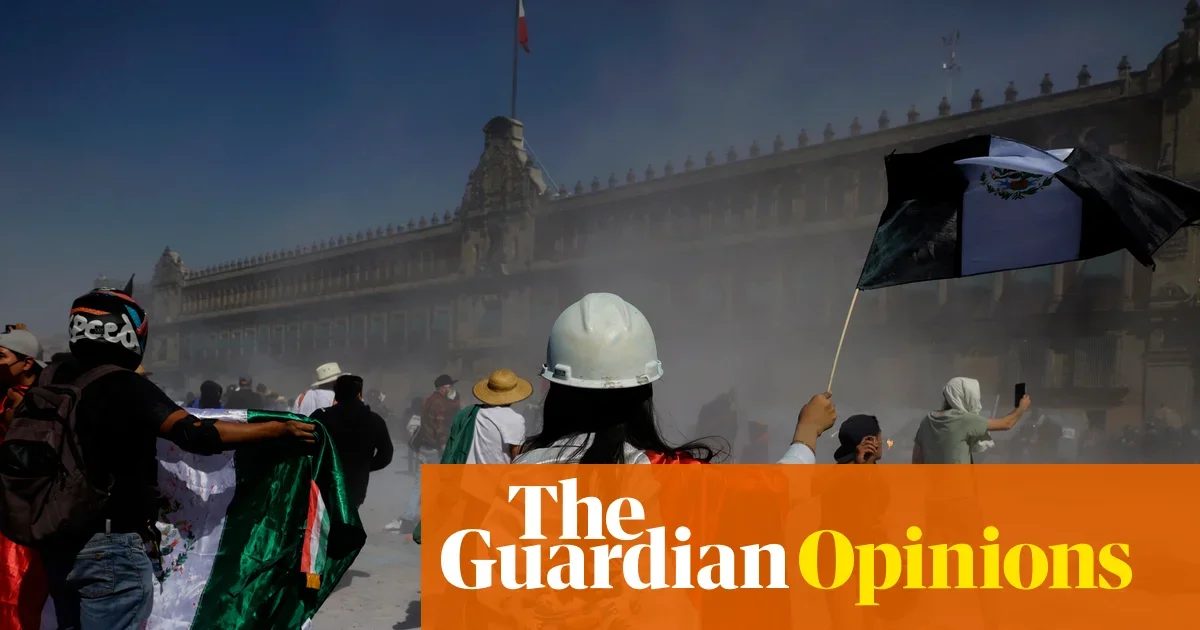
The article highlights the environmental destruction, land dispossession, and violence faced by indigenous communities in Michoacán, Mexico, due to avocado and berry exports, emphasizing the human rights and environmental costs often overlooked by international markets and urging global responsibility and action.
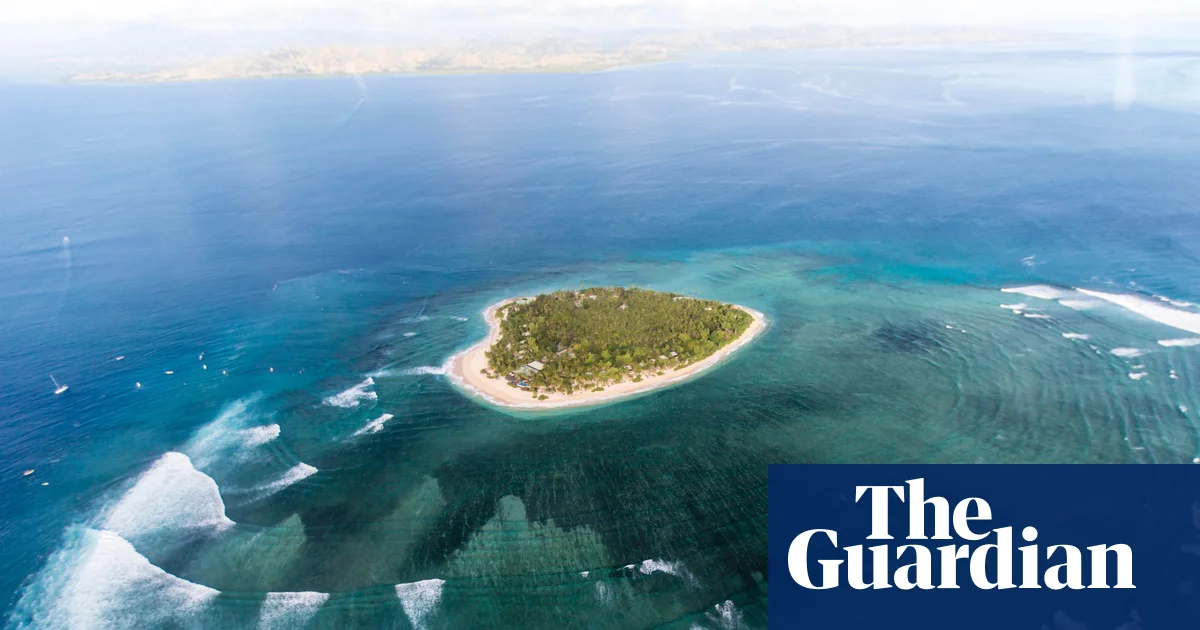
Fiji is considering legislation to return control of marine areas, including famous surf breaks, to Indigenous Fijian communities, aiming to empower locals and address historical injustices, while facing concerns about implementation and economic impacts on tourism.
In 2025, significant progress was made in climate and nature efforts, including formal recognition of indigenous voices at COP16, new indigenous land rights, and the successful removal of dams along California's Klamath River, leading to the return of salmon to their spawning grounds.
At the UN climate summit in Brazil, vulnerable nations shared urgent stories of climate impacts, while leaders discussed progress on forest protection funds and a global carbon market, amid notable absences and ongoing debates about climate justice and financial support for developing countries.
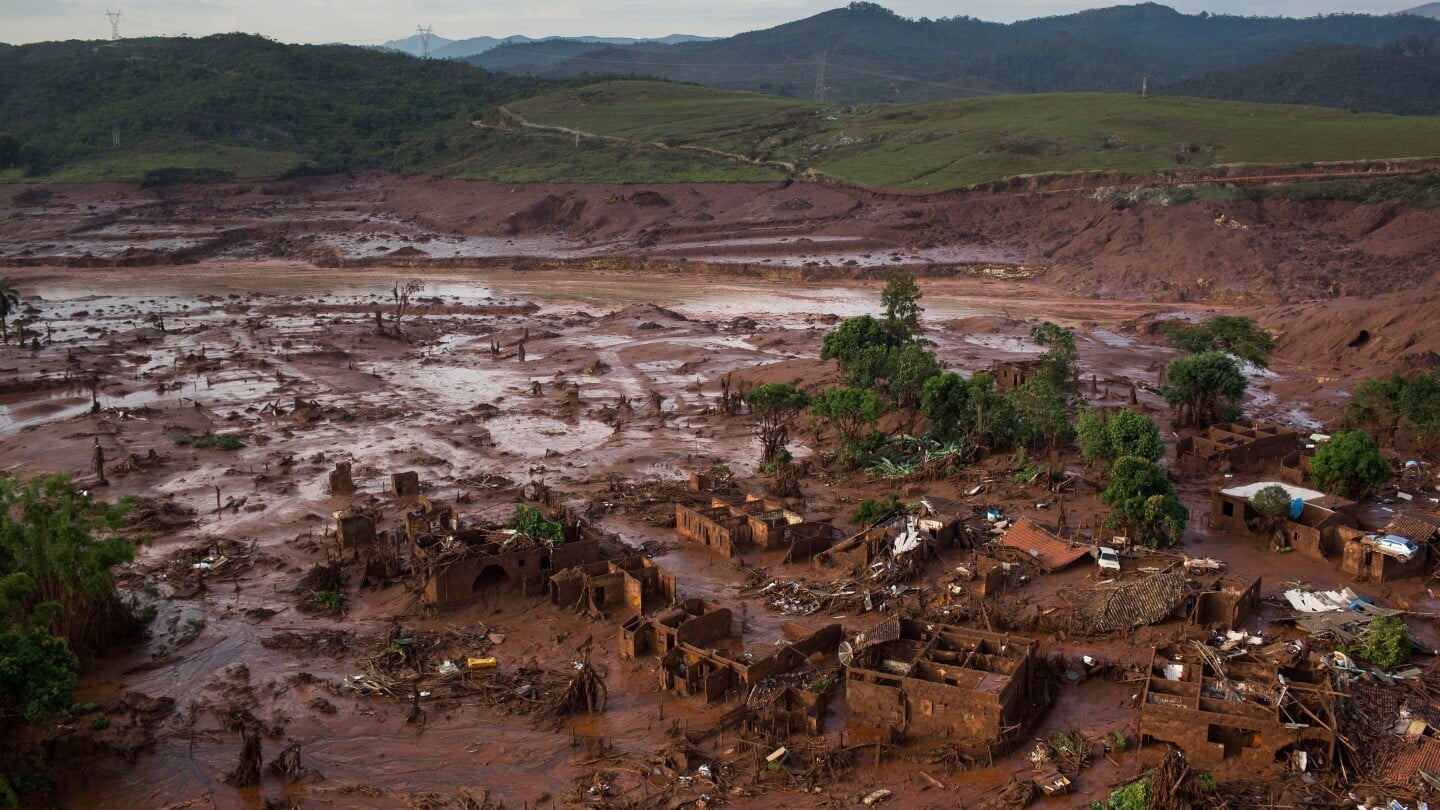
A decade after the Mariana dam collapse in Brazil, which caused environmental devastation and loss of life, the country faces ongoing challenges in environmental justice and governance, with critics questioning Brazil's climate leadership and the effectiveness of its policies, especially in relation to Indigenous communities and environmental protections, ahead of COP30.
A new report warns that half of the world's uncontacted Indigenous tribes, primarily in the Amazon, could be wiped out within 10 years due to threats from logging, mining, and illegal activities, highlighting the urgent need for stronger protections and recognition of their territories.
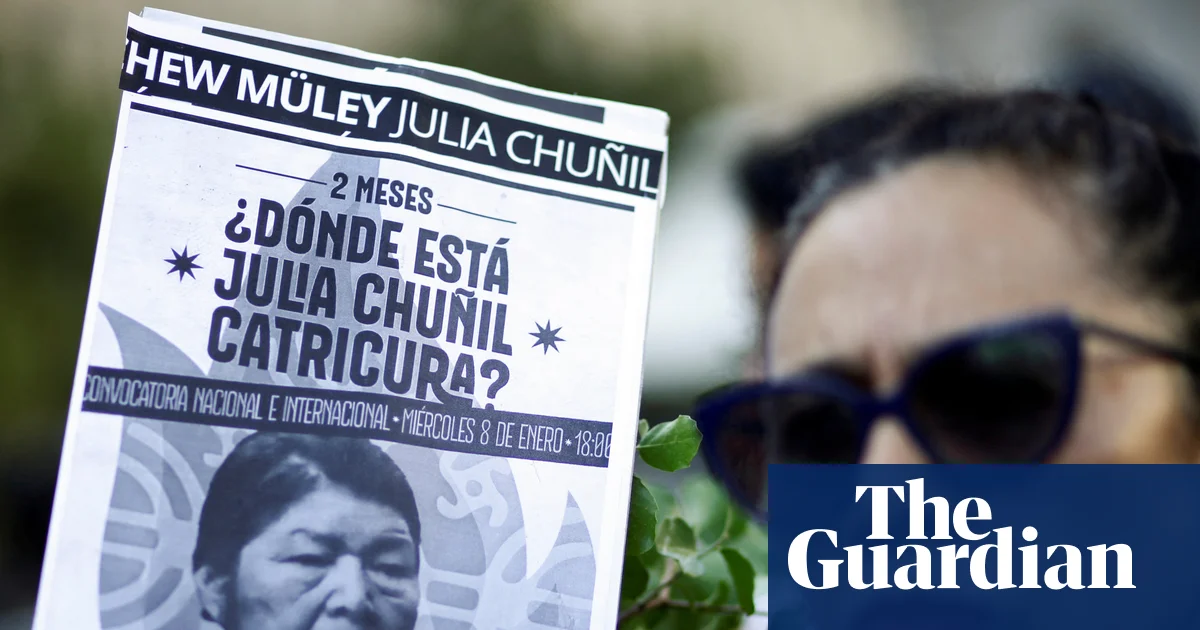
The article highlights the case of Julia Chuñil, a Mapuche land defender in Chile who disappeared amid ongoing land disputes, reflecting the deadly toll of land conflicts on Indigenous communities worldwide, with many cases of violence and impunity reported, especially in Latin America.
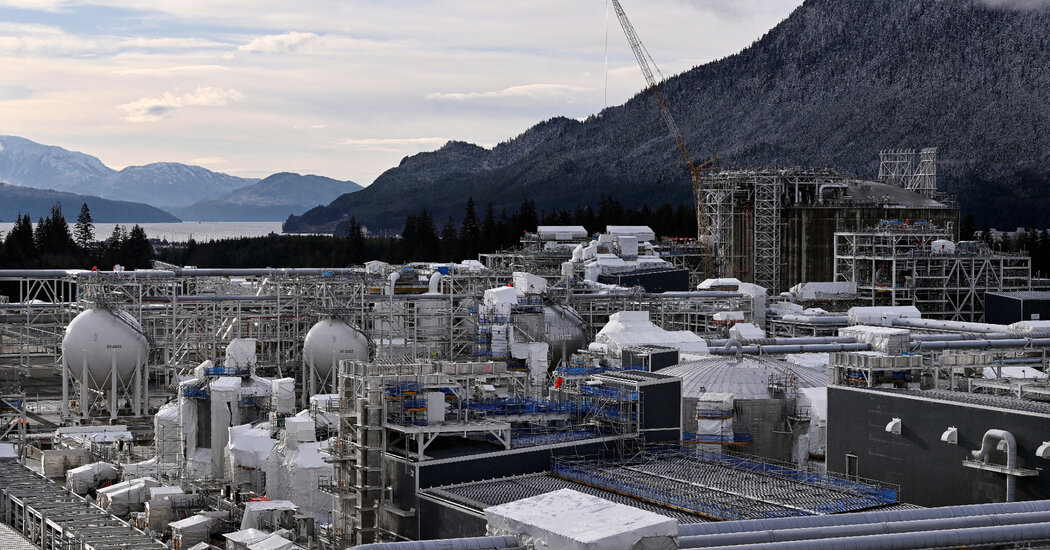
Prime Minister Mark Carney announced major infrastructure projects in Canada aimed at reducing reliance on exports and offsetting economic impacts of U.S. tariffs, focusing on fossil fuel expansion and resource development, which has sparked criticism from environmentalists and Indigenous groups.