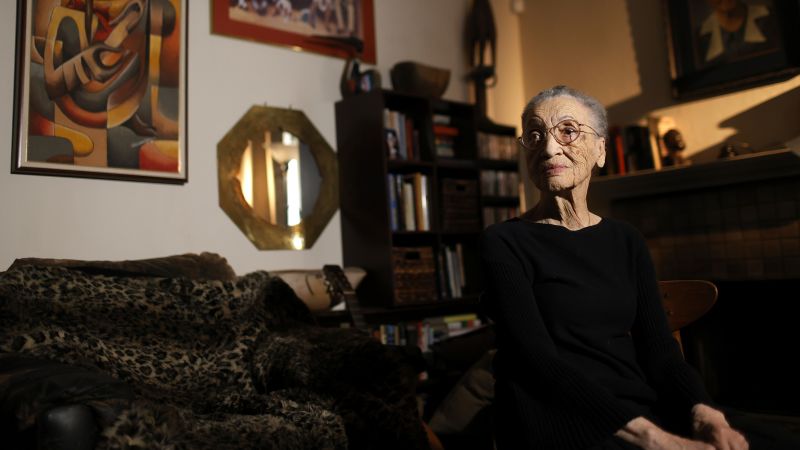
Betty Reid Soskin, the oldest active National Park Service ranger who shared her experiences of life during WWII and was a trailblazer for Black Americans, has died at age 104. She served at Rosie the Riveter/WWII Home Front National Historical Park, educating visitors and inspiring many, including President Obama. Her life was marked by resilience, activism, and a lasting legacy, including a school named in her honor.
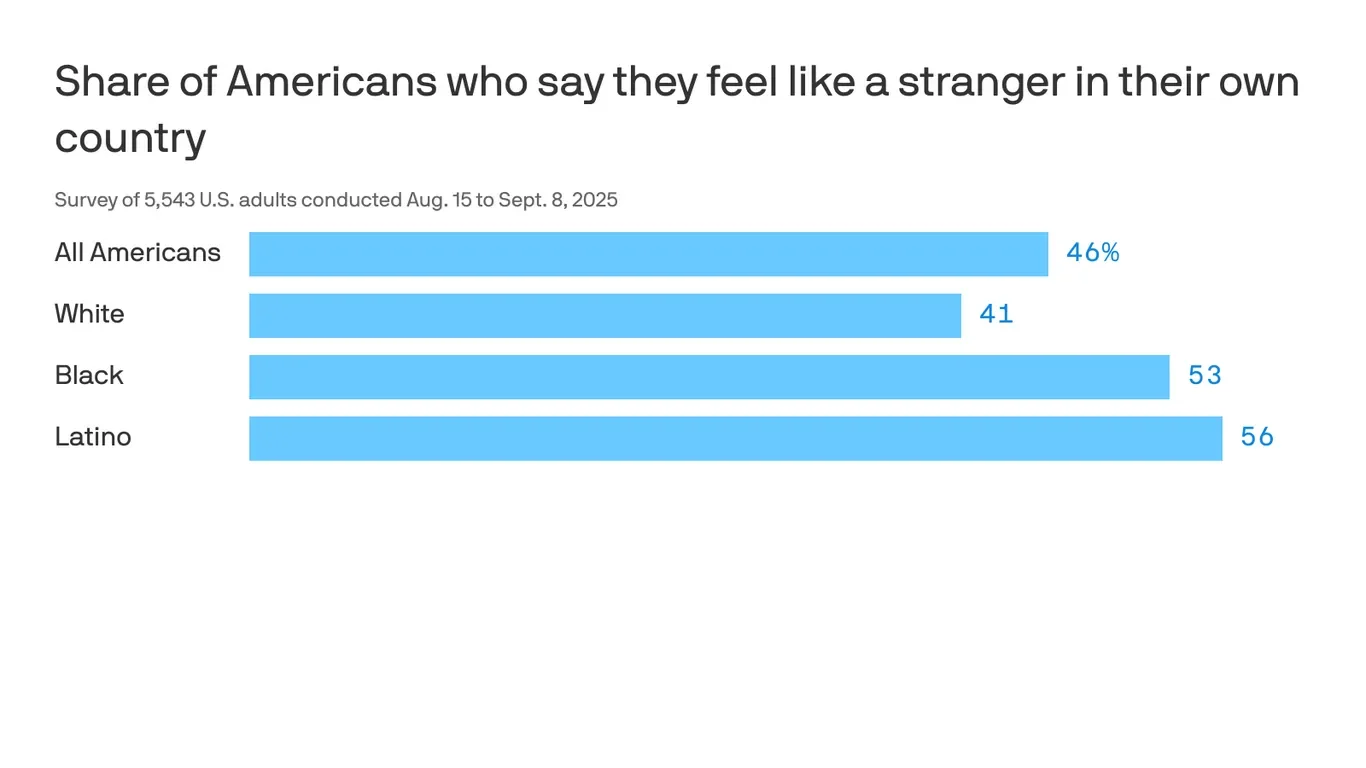
A recent poll shows record levels of alienation and pessimism among Black and Latino Americans regarding the country's direction, fueled by dissatisfaction with Trump's policies on immigration and civil rights, with many feeling like strangers in their own country and disapproving of Trump's handling of issues affecting their communities.
A large study of nearly 80,000 primarily low-income and Black Americans found that just 15 minutes of brisk walking daily can reduce overall mortality by nearly 20%, emphasizing the importance of walking pace for health, especially in underserved communities.
President Trump did not publicly acknowledge or commemorate Juneteenth in 2023, contrasting with previous years, and focused instead on criticizing holidays for costing billions, while Biden observed the holiday with celebrations in Texas. Trump had previously promoted Juneteenth and sought to establish it as a federal holiday, but his silence this year marked a departure from past acknowledgments.
President Donald Trump remained silent on Juneteenth this year, contrasting with his previous acknowledgments and celebrations of the holiday that marks the end of slavery, while Biden and other leaders observed and celebrated the day.
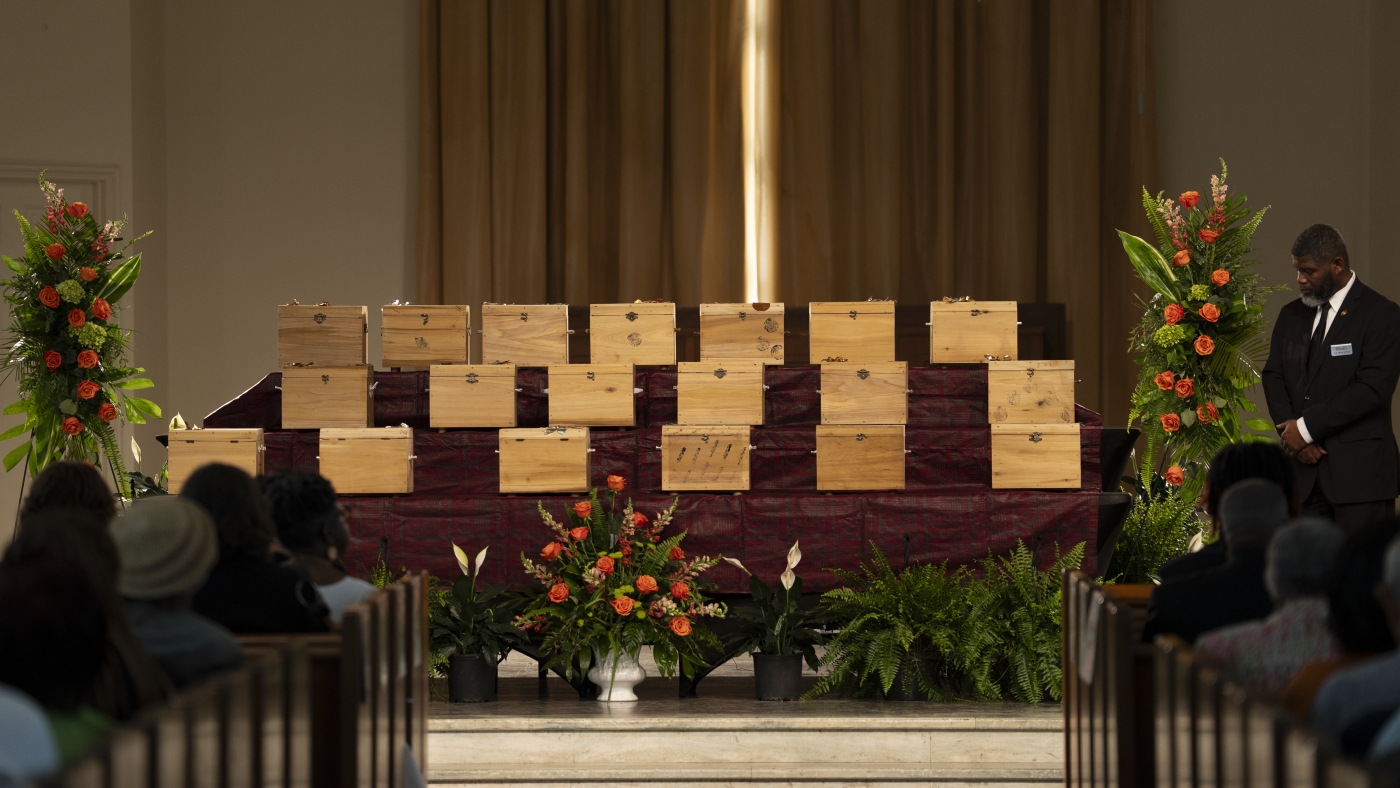
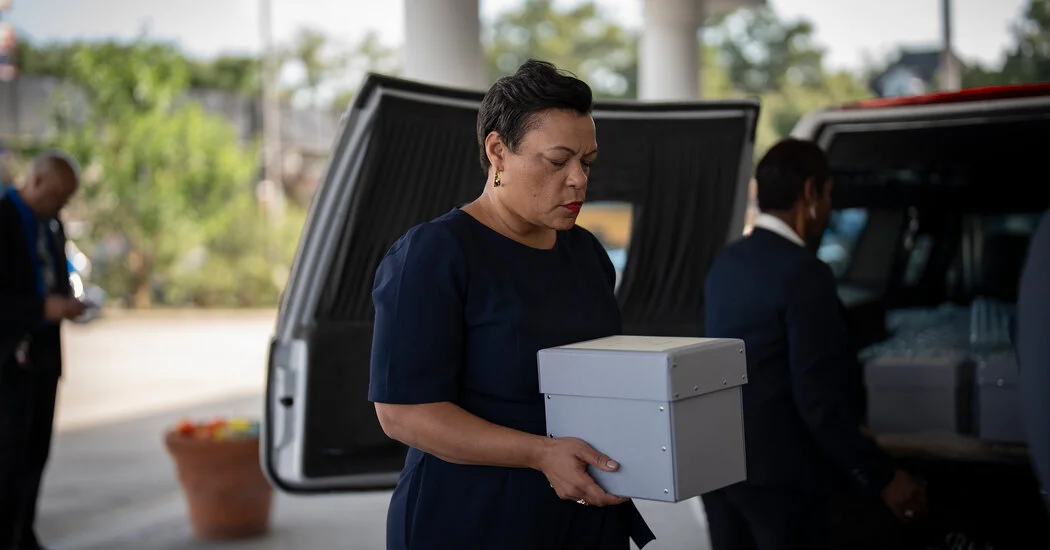
The skulls of 19 Black Americans, studied in racist research in Germany over a century ago, have been returned to New Orleans and laid to rest in a jazz funeral, highlighting issues of historical injustice and cultural remembrance.
The remains of 19 Black Americans, used in 19th-century racial science experiments in Germany, have been returned to New Orleans after 150 years and are being honored with a jazz funeral before their interment, marking a significant act of repatriation and recognition of their humanity.
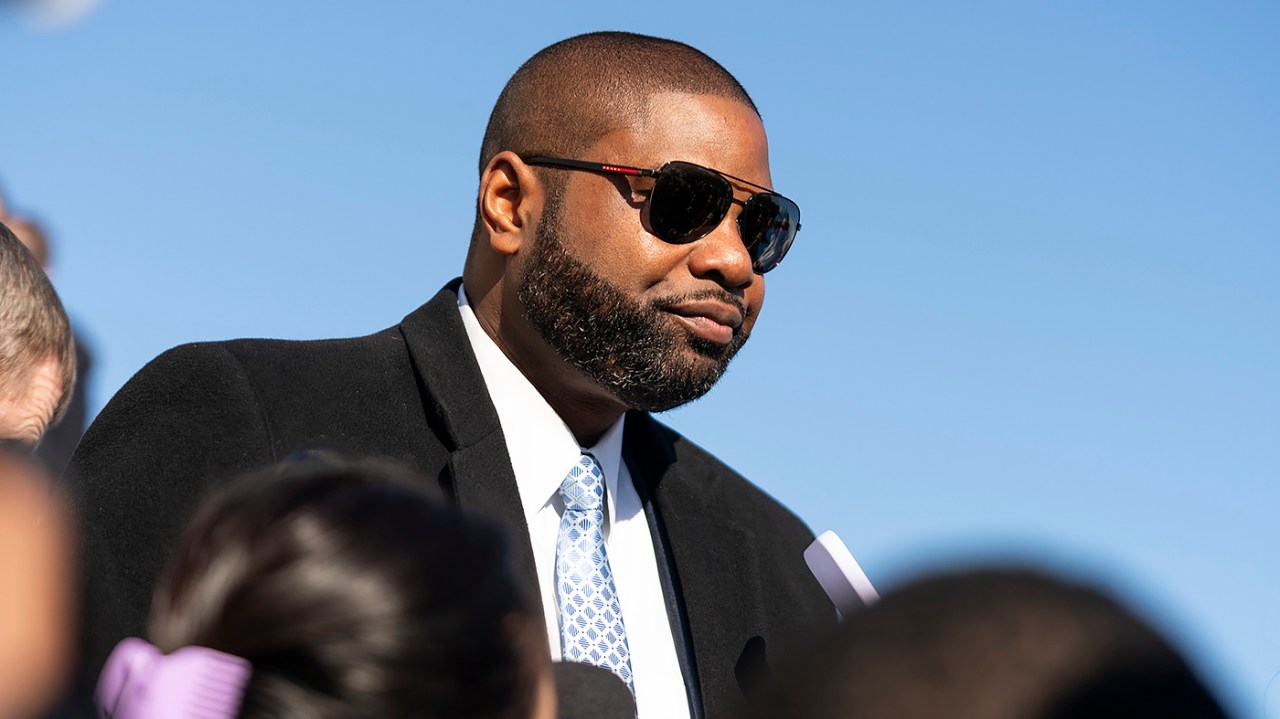
The Congressional Black Caucus is demanding an apology from Rep. Byron Donalds for his comments suggesting Black Americans were better off under Jim Crow laws, calling his remarks a misrepresentation of history for political gain. House Minority Leader Hakeem Jeffries also criticized Donalds, while Black conservatives defended him, arguing that the Democratic Party has failed Black Americans.
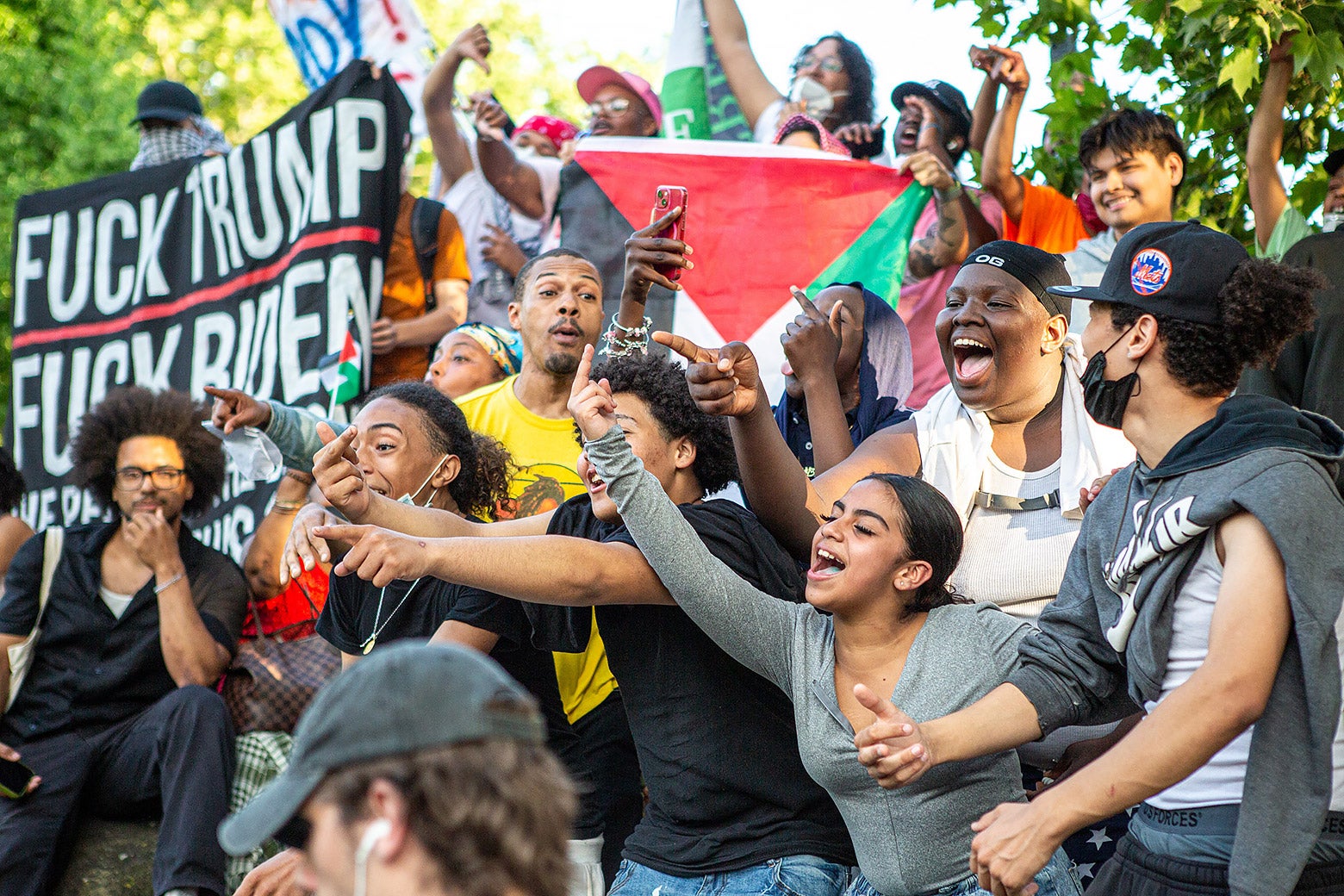
A Trump rally in the Bronx aimed at Black and Hispanic voters revealed a mix of curiosity, support, and opposition. While some locals were intrigued or supportive due to economic concerns, others remained skeptical or opposed. The event highlighted a growing, yet still controversial, nonwhite support base for Trump amidst a backdrop of local resistance and counterprotests.
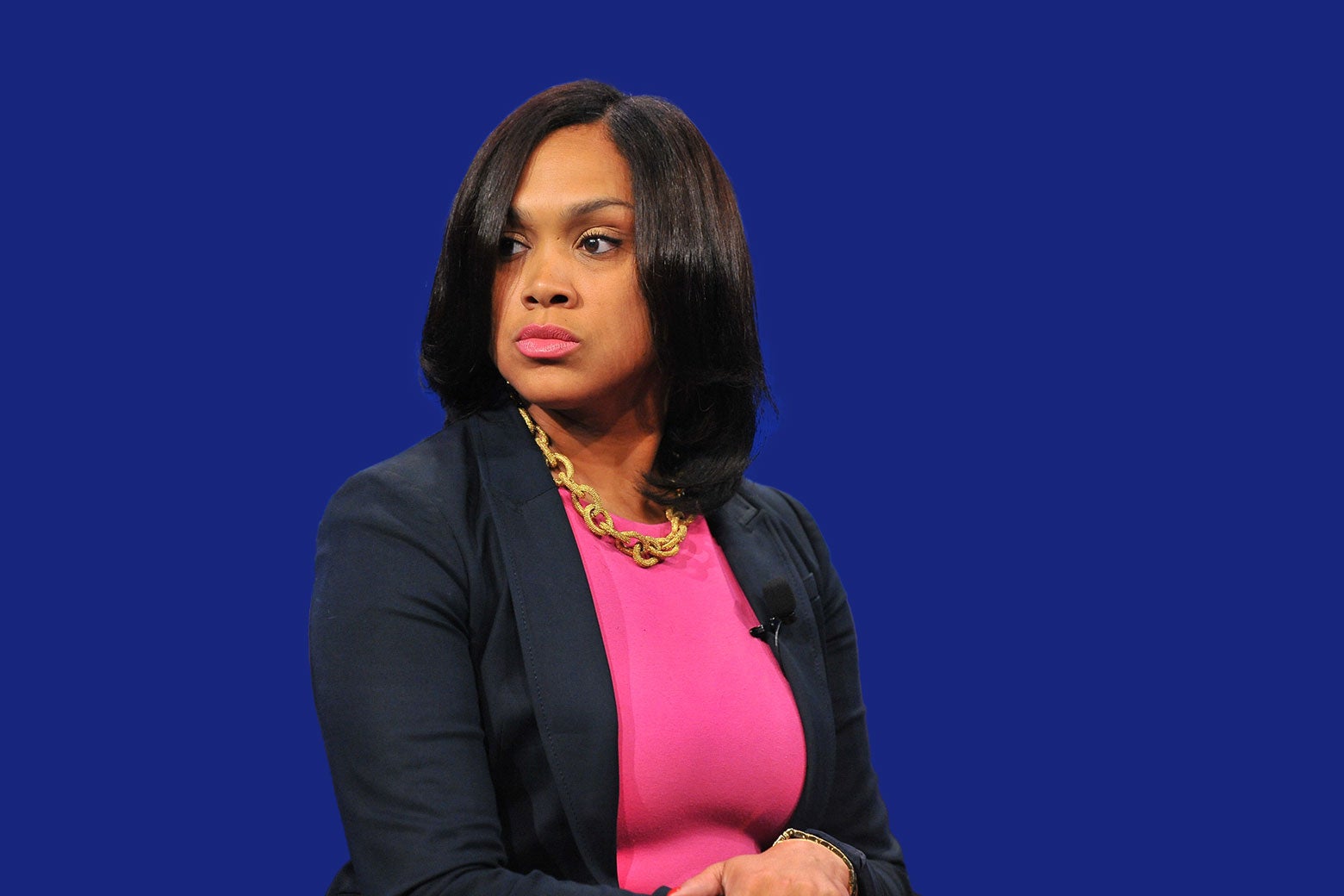
Marilyn Mosby, once a rising star for prosecuting police officers in Freddie Gray's death, has faced a dramatic fall from grace. Despite her initial popularity and efforts in police reform, she was found guilty of perjury and making false mortgage applications, leading to her political and personal downfall. Her case highlights the challenges and backlash faced by progressive prosecutors, especially those advocating for police accountability.
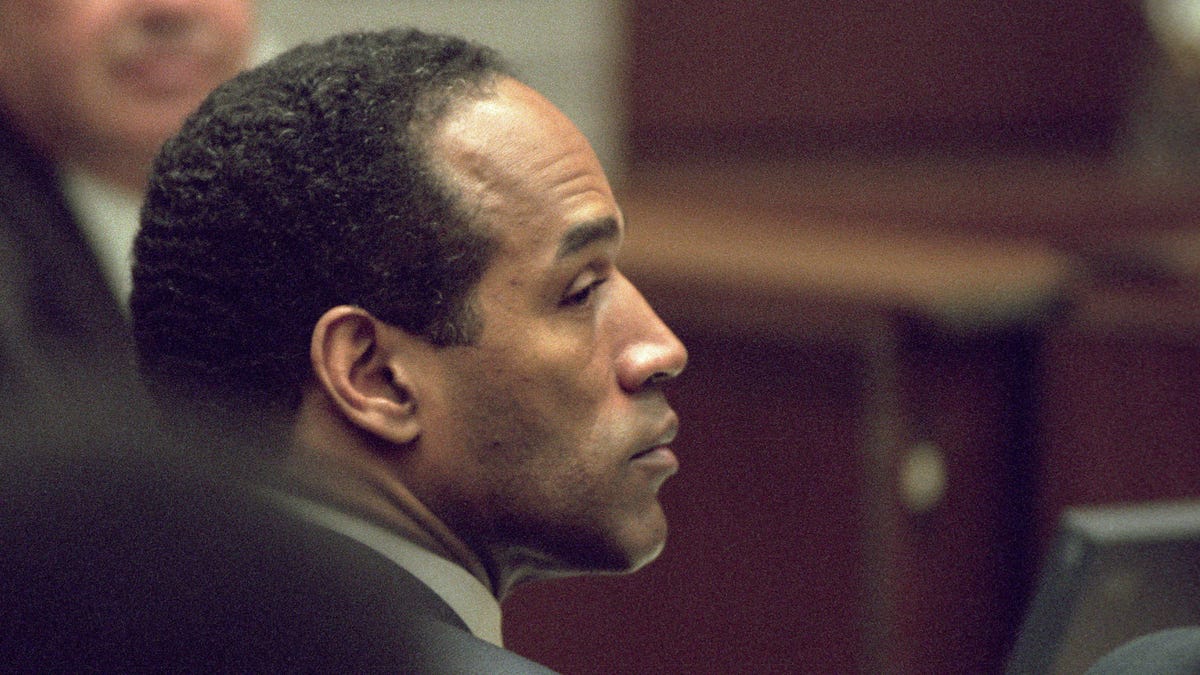
The O.J. Simpson trial, which exposed America's deep racial divides, still resonates nearly three decades later. While some progress has been made in narrowing the gap between how the justice system treats Black and white Americans, the trial's complicated legacy continues to influence public perceptions. The case highlighted the complexities of race, celebrity, and the criminal justice system, and sparked conversations about racial stereotypes and inequality. Despite some shifts in public discourse, the country is still grappling with the power of racial stereotypes and the expectation for Black people to be in lockstep about their opinions.
Former President Donald Trump claimed that Black people like him because he has faced discrimination in the legal system, suggesting his support from Black Americans stems from their understanding of corrupt systems. Trump received the "Champion of Black America" award at the Black Conservative Federation's annual gala and called Biden a "racist." His allies are preparing to launch an effort to win a historic chunk of the Black vote in the 2024 elections, aiming for 50% of the Black male vote.
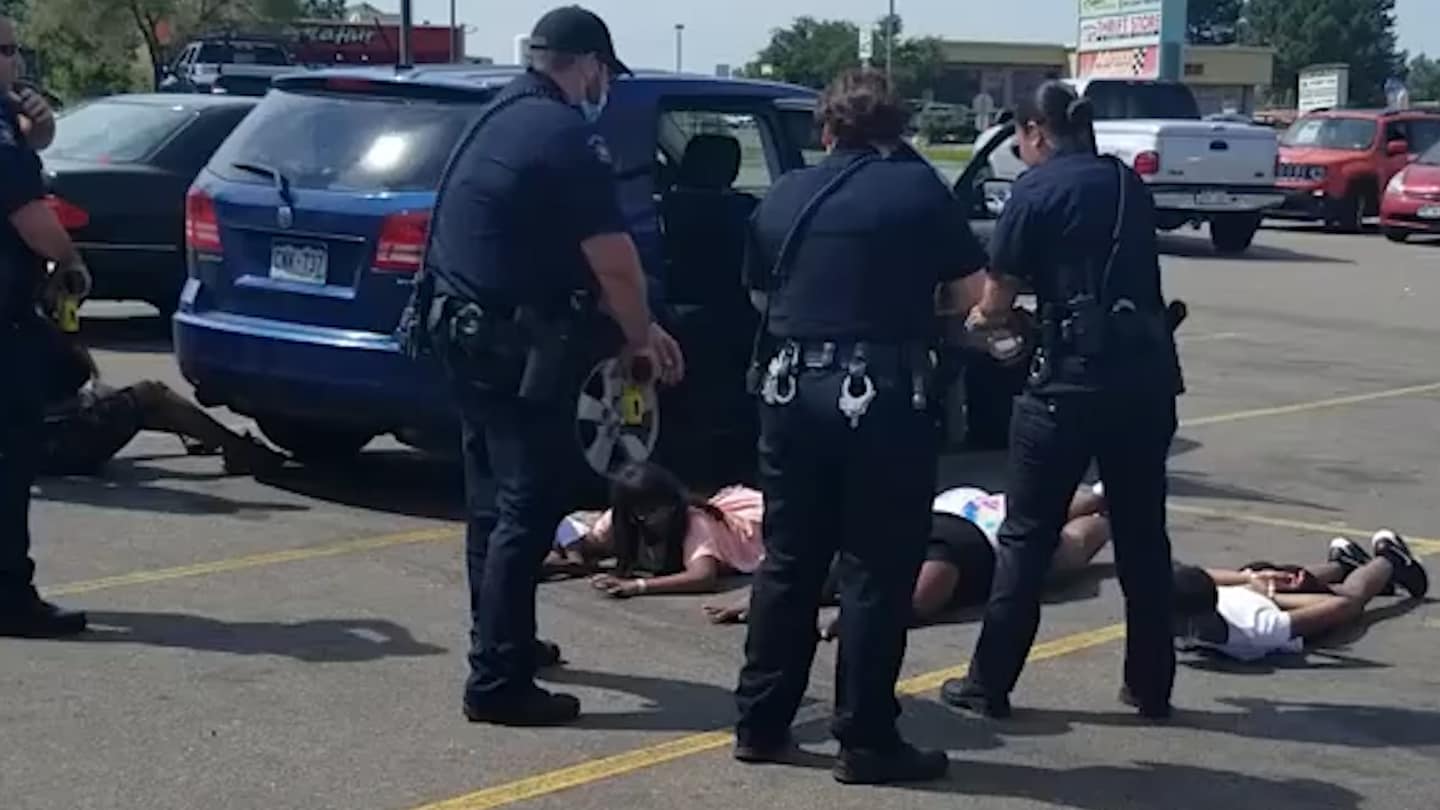
The city of Aurora, Colorado has reached a $1.9 million settlement with a Black family after police held four juvenile relatives at gunpoint in a case of mistaken identity. The incident, which occurred in August 2020, sparked outrage and was viewed as another example of police using excessive force against Black Americans. The settlement will allow the girls to avoid reliving the trauma at a trial, and the family's attorney stated that they are happy with the outcome. This incident is part of a larger pattern of police misconduct in Aurora, including the killing of Elijah McClain in 2019, and the subsequent legal actions and settlements.
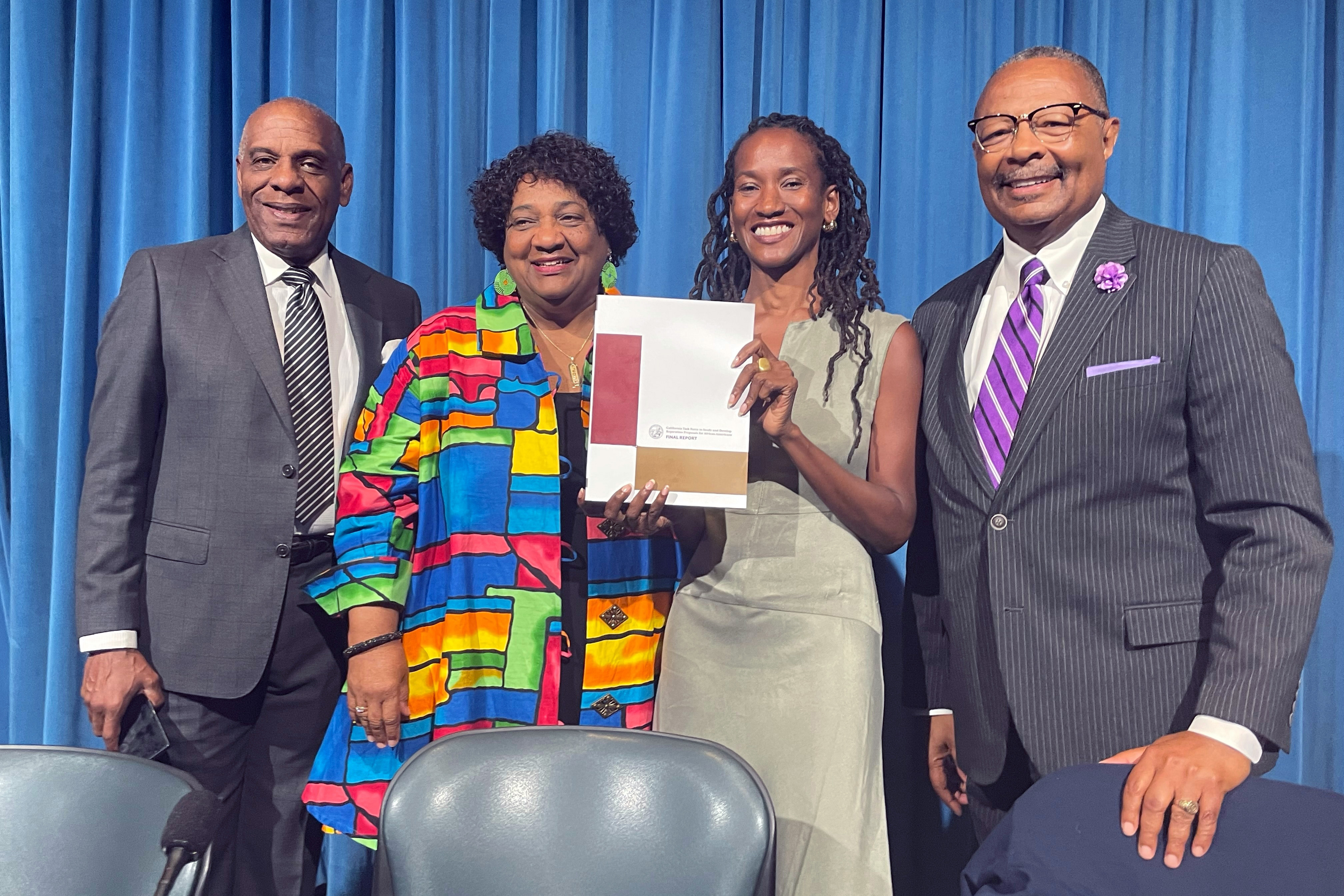
California lawmakers have introduced a groundbreaking package of 14 reparations bills aimed at providing restitution to Black Americans for centuries of racist policies and practices, including measures to restore property taken by "race-based" eminent domain, fund programs for specific groups, and address education, civil rights, and criminal justice issues. The package, spearheaded by the Legislative Black Caucus, does not include direct cash payments to descendants of Black slaves but does propose monetary relief for property takings. The bills face an uphill battle and potential legal challenges, but represent a comprehensive effort to dismantle the legacy of slavery and systemic racism.
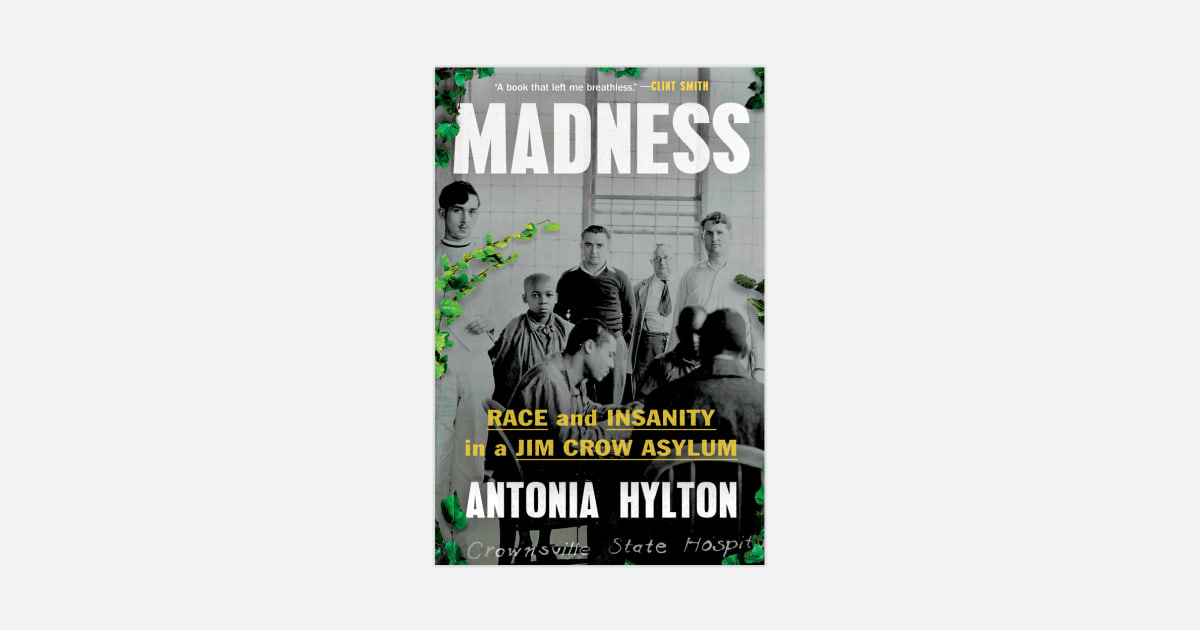
Antonia Hylton, a correspondent for NBC News and MSNBC, has published a book titled "Madness: Race and Insanity in a Jim Crow Asylum," which explores the dark history of the Crownsville Hospital, formerly known as the Maryland Hospital for the Negro Insane. The book uncovers the oppressive and racist treatment of Black patients in the mental institution, shedding light on the intersection of mental health care and systemic racism. Hylton's research, spanning a decade, includes oral histories from former patients and employees, as well as archival records, revealing the harrowing experiences of those confined within the institution. She hopes the book will prompt judgment-free discussions about mental health and contribute to a better future for mental health care for Black Americans and all.