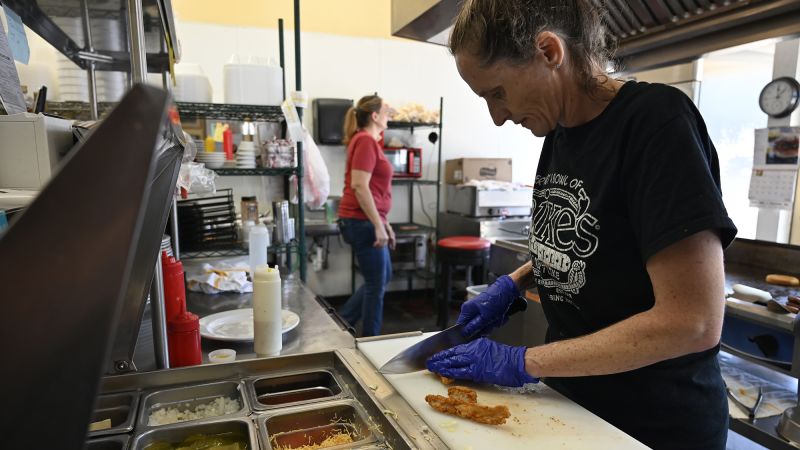
Restaurants across the US are facing rising costs for ingredients and labor, coupled with a decline in consumer spending due to inflation and economic uncertainty, threatening their profitability and survival, especially for middle-class oriented establishments, although some areas like Brooklyn are experiencing increased restaurant visits.
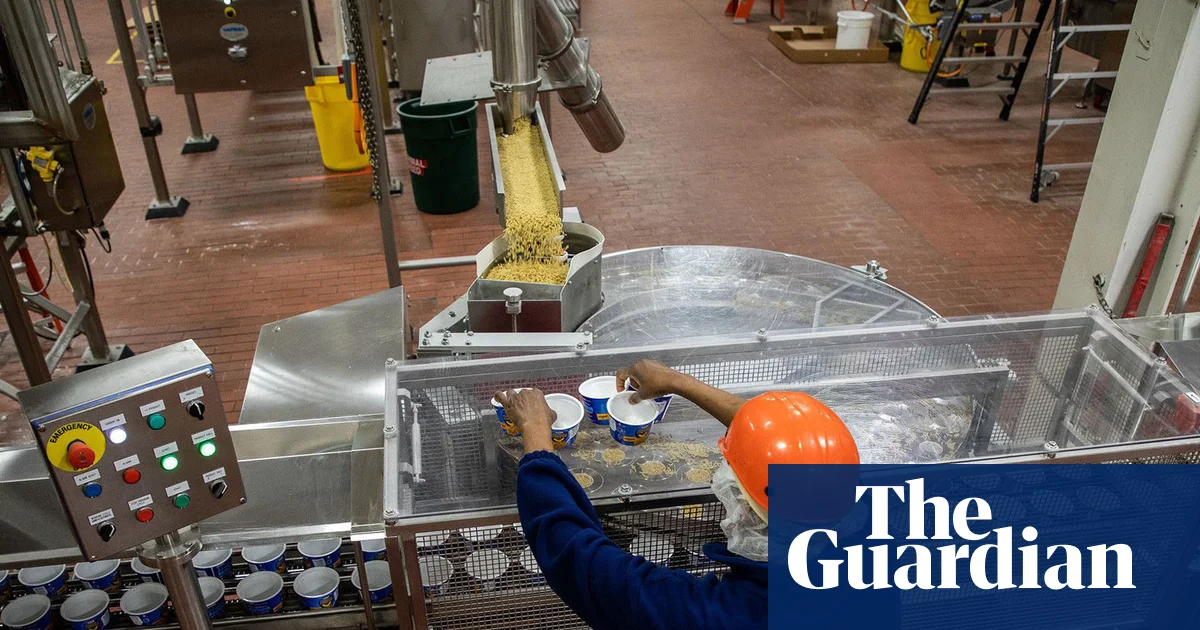
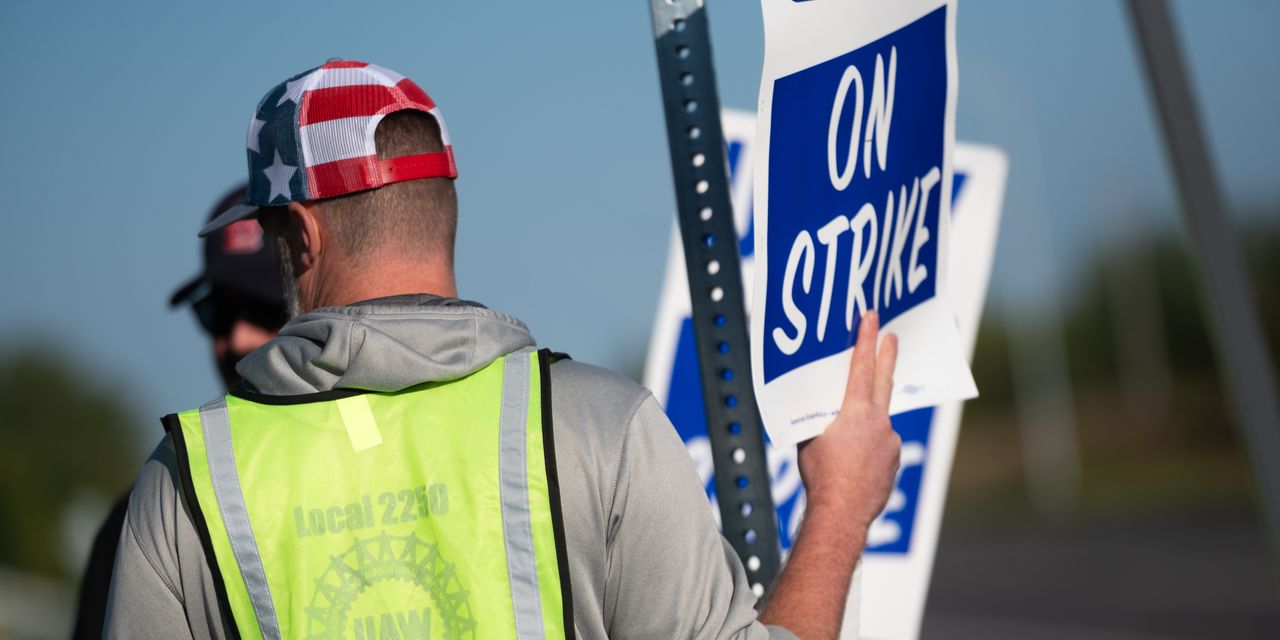
US workers and industries are experiencing labor shortages due to Trump's immigration crackdown, which has led to the deportation of immigrant workers, causing disruptions in factories and concerns over economic and community impacts.
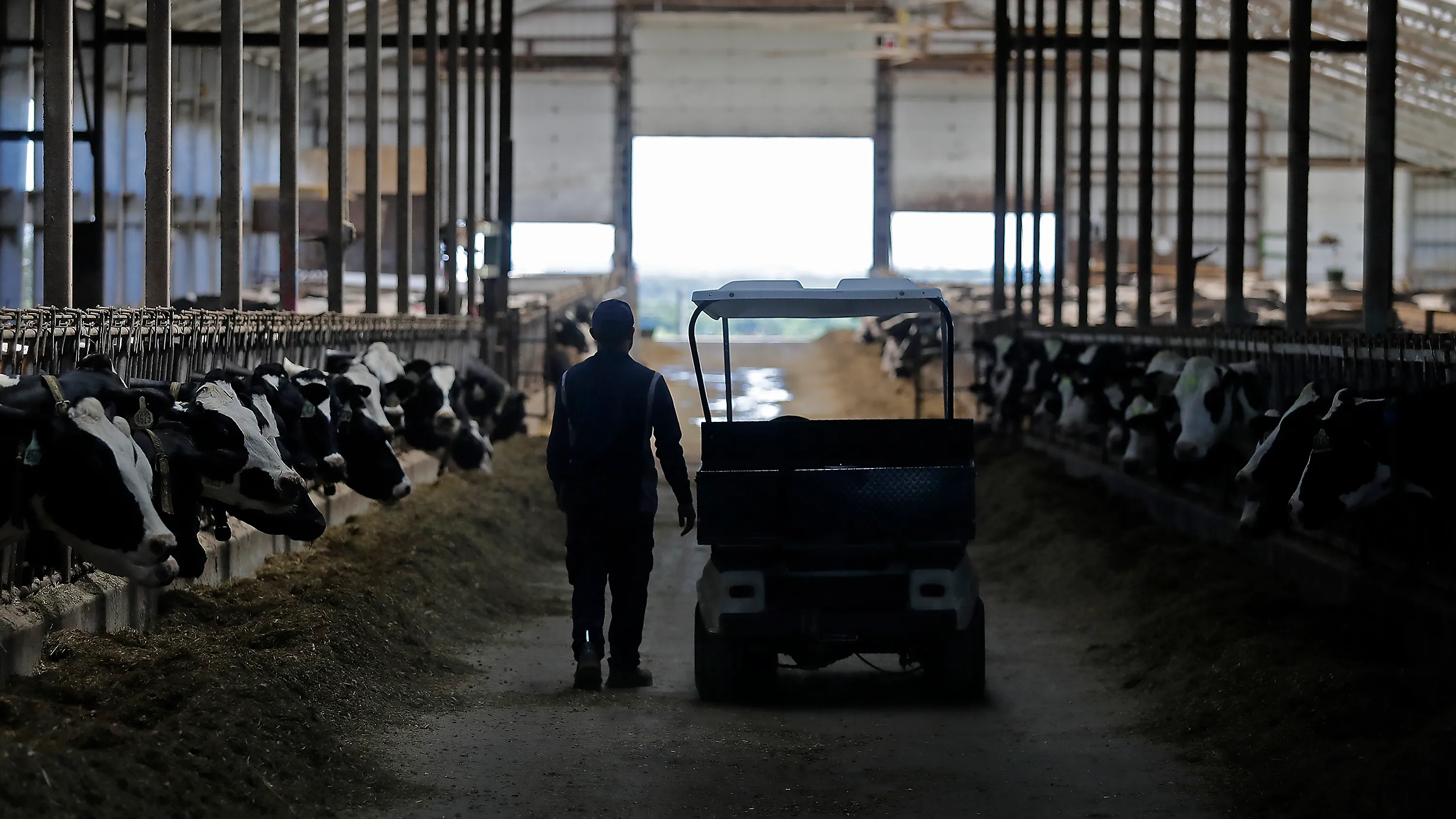
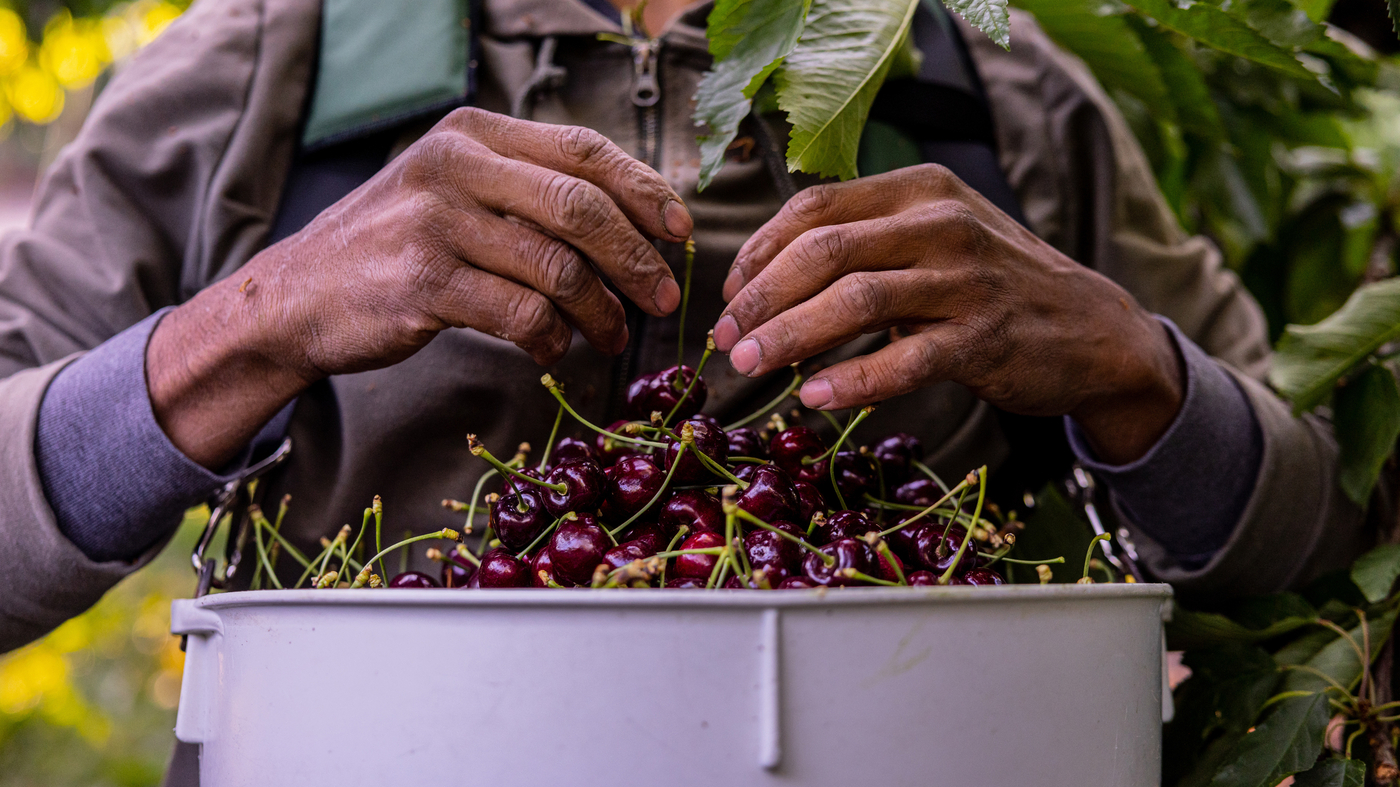
The article discusses how Trump's strict immigration policies are causing labor shortages in U.S. agriculture, impacting crop harvesting and farm operations, while farmers and advocates call for comprehensive immigration reform and legal pathways for farmworkers to ensure food security and economic stability.
The Business Outlook Survey for the fourth quarter of 2023 indicates a sharp decline in business sentiment, with top concerns shifting to demand and uncertainty. Plans for abnormally large price increases have decreased, while demand and competitive pressures are impacting firms' price growth. More firms have experienced outright sales declines over the past year, and sales outlooks remain modest. Credit conditions are tightening, and more firms plan to repair and replace equipment rather than expand operations. Additionally, there is lower employment demand and less-intense labor shortages, while wage growth continues to trend downward and short-term inflation expectations are slowly decreasing.
Western arms companies struggled to increase production in 2022 despite a rise in demand for weapons and military equipment due to labor shortages, rising costs, and supply chain disruptions worsened by Russia's invasion of Ukraine. The Stockholm International Peace Research Institute (SIPRI) reported a 3.5% drop in arms revenue for the world's largest arms-producing companies, with the revenues of 42 U.S. companies falling by 7.9%. However, new orders linked to the war in Ukraine are expected to contribute to future revenue, and countries placing late orders could see increased revenue in 2023 and beyond.
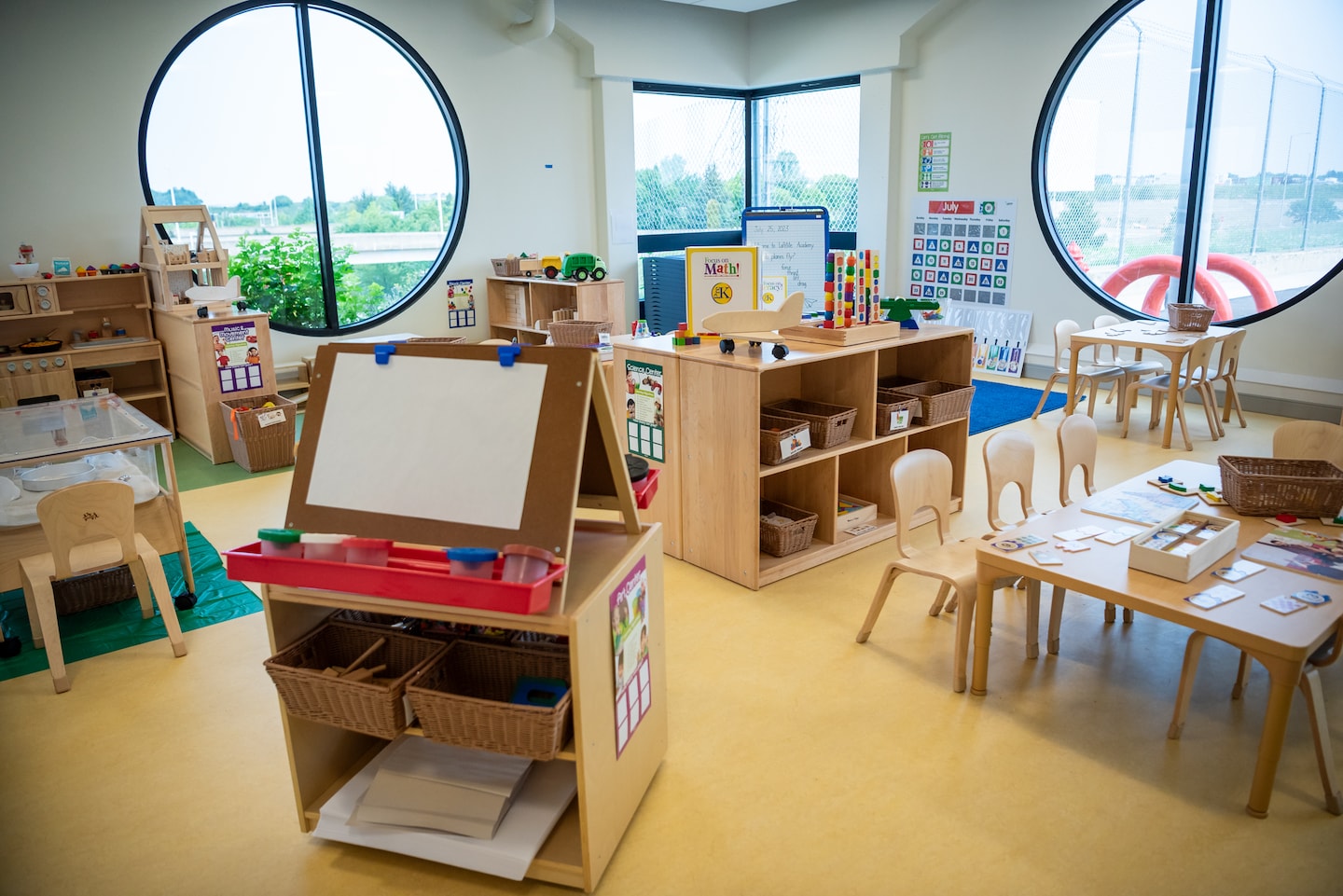
In response to the worsening child-care crisis and labor shortages, employers across the United States are opening on-site child-care centers in unexpected locations such as airports, schools, and poultry plants. This new trend aims to attract and retain employees, particularly in industries like manufacturing, retail, and education where child care is often scarce. The pandemic exacerbated the shortage of child-care spots, with many centers permanently closing due to shutdowns. The recent expiration of federal child-care funds further worsened the situation. Employers are now taking matters into their own hands, building child-care facilities to support their workforce. However, experts argue that broader and more immediate action is needed to make child care affordable and accessible for working parents.
Ukraine's economy is showing signs of rebounding as it adapts to the ongoing war with Russia. Despite the economy still being considerably smaller than before the war, economists predict a growth rate of 3.5% this year, driven by increased domestic spending and foreign financial aid. However, challenges such as the costly rebuilding of war-torn cities, a ballooning government deficit, and labor shortages remain. Nevertheless, a sense of resilience and relative stability has emerged, improving consumer and investor confidence. Ukrainians are adjusting to the new circumstances and continuing to spend, contributing to the economic recovery.
Target is closing nine stores in four metropolitan areas, citing organized retail crime and theft as contributing factors to their unsustainable business performance. However, other pressures such as the migration of high earners out of major cities, the rise of e-commerce, and ongoing labor shortages have also impacted retailers in urban areas. The pandemic prompted many workers to move away from big cities, resulting in a loss of taxable income and reduced demand for retailers. E-commerce has seen a significant increase in market share, with online shopping accounting for 15% of total estimated retail sales. Additionally, the retail industry continues to face labor shortages, with vacancies remaining unfilled in the wholesale and retail trade sector. The combination of these factors has created challenging business conditions for retailers in urban cores.
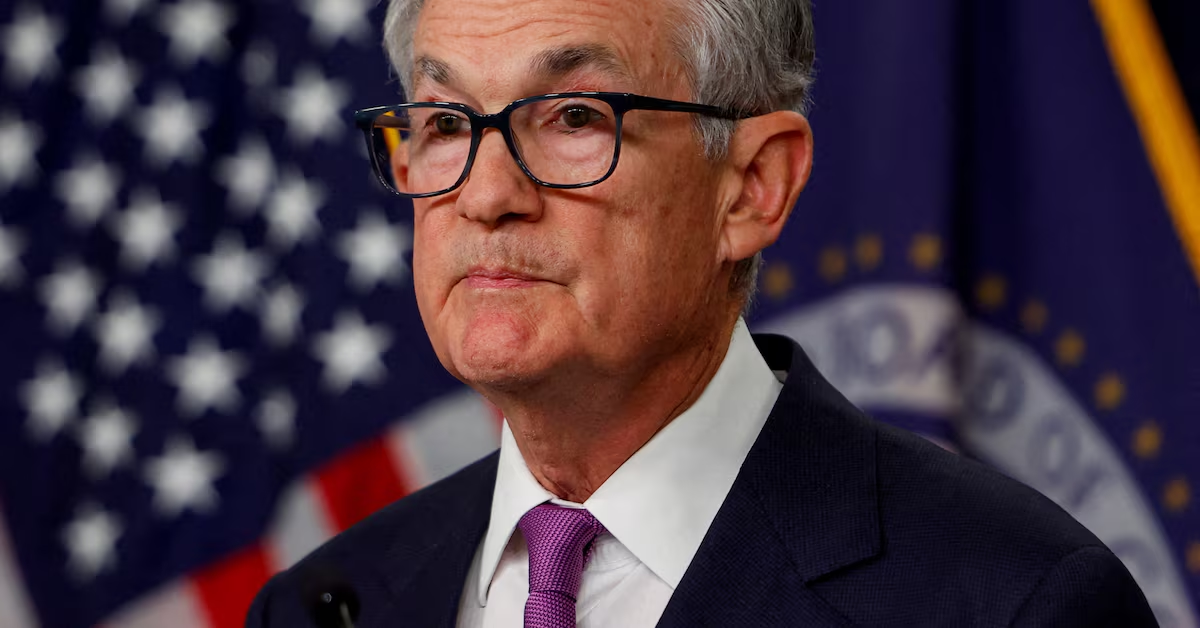
Federal Reserve Chair Jerome Powell stated that the U.S. economy is still grappling with the effects of the COVID-19 pandemic, citing labor shortages in healthcare and ongoing difficulties with access to childcare as some of the challenges exacerbated by the health crisis. Powell did not provide any comments on current monetary policy or the economic outlook.
The number of Americans applying for unemployment benefits dropped by 20,000 to an eight-month low of 201,000, indicating that businesses are avoiding layoffs due to labor shortages, which suggests ongoing economic expansion.
Germany's Cabinet has approved legislation to ease citizenship rules, aiming to enhance immigrant integration and address the country's shortage of skilled workers. The proposed changes include reducing the residency requirement for citizenship from eight to five years, or three years for those with "special integration accomplishments." German-born children would automatically become citizens if one parent has been a legal resident for five years. Restrictions on dual citizenship will also be lifted. The government believes these reforms will attract skilled workers and promote a diverse society, while critics argue it could hinder integration efforts and exacerbate irregular immigration.
BlackRock expects the U.S. economy to remain stagnant for another year as the full impact of high interest rates and consumer exhaustion of pandemic savings takes hold. This prolonged period of economic flatlining could lead to a generational shift towards "full-employment stagnation" due to changing demographics and a rise in early retirements, resulting in labor force shortages and potential inflationary pressures. BlackRock warns that the Federal Reserve will face challenges in sustaining economic growth while keeping inflation in check, as traditional tactics may prove more inflationary amid future labor shortages. Monetary policy alone cannot rescue the economy from weakness, and the Fed must ensure that the economy does not grow faster than it can sustain without surging inflation.
BlackRock predicts that the US economy will remain stagnant for another year as the full impact of high interest rates and consumer exhaustion of pandemic savings takes effect. This prolonged period of economic stagnation would be the weakest since the Global Financial Crisis. BlackRock also warns of a "full-employment stagnation" in the long term, as changing demographics and a rise in early retirements lead to labor force shortages, potentially reigniting inflation. The US workforce is currently 4 million workers short of pre-COVID levels, and due to demographics, it is expected to grow at a slower rate, causing weak growth and rising inflation. BlackRock advises the Federal Reserve to ensure that the economy does not grow faster than it can sustain without surging inflation, as traditional tactics to stimulate growth may be more inflationary in the face of future labor shortages.
The number of seasonal foreign workers on U.S. farms has quadrupled over the past decade, with farms increasingly relying on guest workers to address labor shortages. The H-2A visa program allows employers to bring in foreign farmworkers on a temporary basis when they cannot find enough workers in the U.S. However, the program is plagued with labor rights violations, and both labor advocates and farmers have concerns. While the program provides essential work opportunities for foreign workers, it offers no pathway for them to stay in the U.S. beyond the harvest. Additionally, the program is expensive for farmers and comes with significant red tape. Enforcement gaps have led to wage theft and other abuses, with some cases involving slavery-like conditions.
Chipotle is testing out a robot called "Autocado" to cut, core, and peel avocados, aiming to reduce guacamole prep time by half. While the robot handles avocado preparation, employees will still be responsible for mashing the avocado and adding other ingredients. The move is part of Chipotle's efforts to explore collaborative robotics and improve efficiency for its employees. The robot could also help alleviate labor shortages in the restaurant industry. Chipotle has previously tested a chip-making robot and is investing in food industry robotics startup Vebu Labs.