defense-industry4.48 min read
France's Defense Minister Takes Tough Stance to Boost Weapon Output for Ukraine
1 year ago•Source: Defense News

The latest defense industry stories, summarized by AI
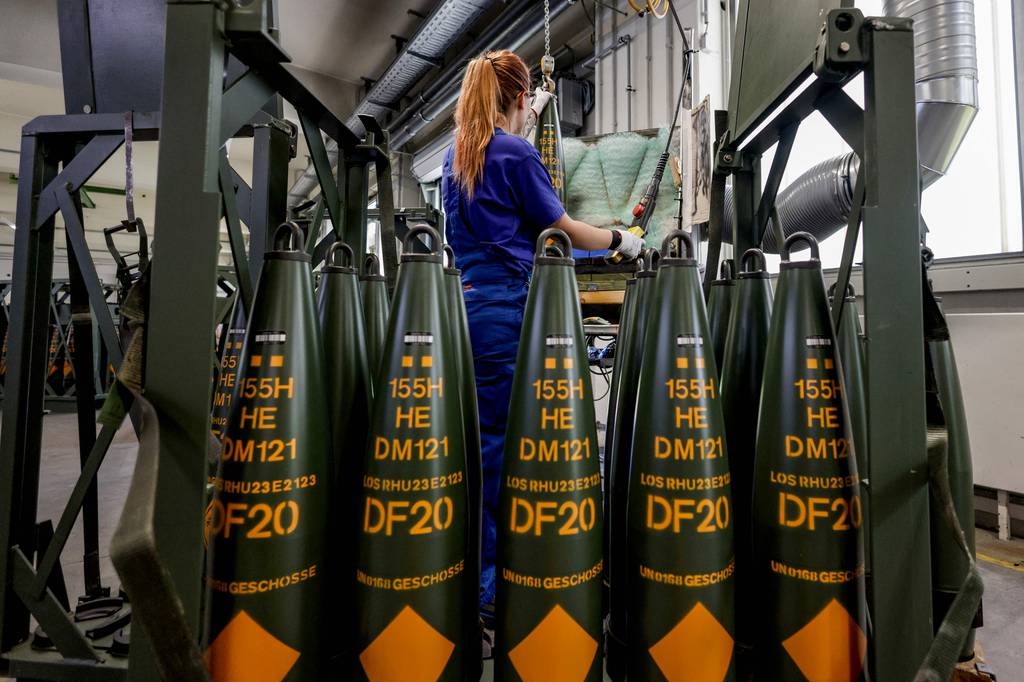
The European Union has allocated over $560 million to local ammunition firms to boost production and meet the demand for shells, aiming to increase the bloc's annual output to two million by 2025. The funding is intended to aid Ukraine in its conflict with Russia and will support investments in facilities for shell production. However, there are concerns about the funding source, as it includes money from the budget of the European Defense Fund, which some argue may impact long-term defense industry development.

Reuters•2 years ago
The War Zone•2 years ago
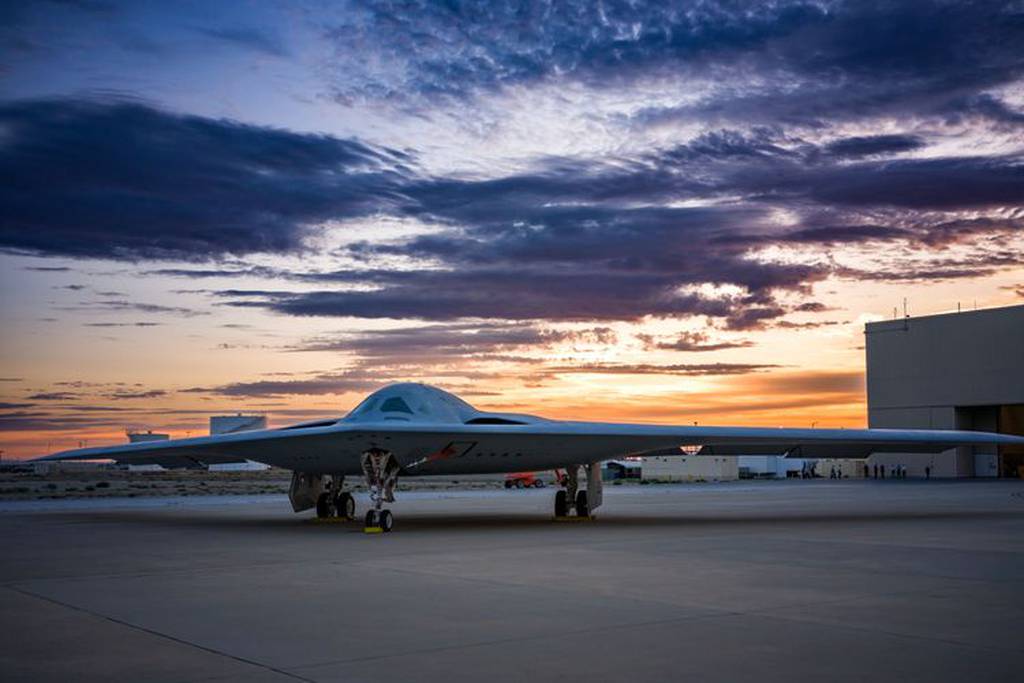
Northrop Grumman reported a $1.6 billion charge on the B-21 Raider program due to higher-than-expected production costs and macroeconomic disruptions, leading to a quarterly loss of nearly $1.3 billion in its aeronautics sector. The company remains confident in its outlook despite the disappointment, and is working with the government to address inflation relief. Additionally, the Air Force's Sentinel nuclear missile program has experienced a 37% cost growth, triggering a critical Nunn-McCurdy breach and an automatic review, but the Air Force remains committed to the program.
Revenues from arms sales by the top 100 companies in the industry decreased by 3.5% in 2022, despite a rise in demand, due to production challenges faced by major US companies. However, revenues increased in Asia and Oceania and the Middle East. The surge in new contracts and outstanding orders suggests that global arms revenues could rise significantly in the coming years. The war in Ukraine and geopolitical tensions fueled the demand for weapons, but labor shortages, soaring costs, and supply chain disruptions hindered production capacity. Asian and Middle Eastern companies demonstrated their ability to respond to increased demand more effectively.
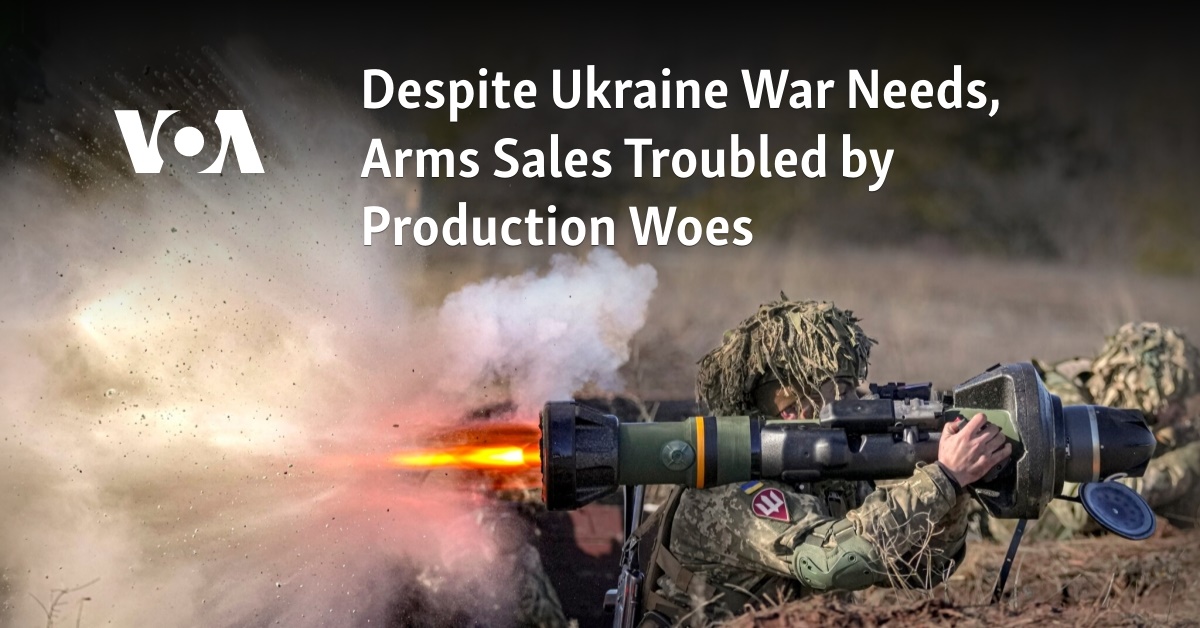
Western arms companies struggled to increase production in 2022 despite a rise in demand for weapons and military equipment due to labor shortages, rising costs, and supply chain disruptions worsened by Russia's invasion of Ukraine. The Stockholm International Peace Research Institute (SIPRI) reported a 3.5% drop in arms revenue for the world's largest arms-producing companies, with the revenues of 42 U.S. companies falling by 7.9%. However, new orders linked to the war in Ukraine are expected to contribute to future revenue, and countries placing late orders could see increased revenue in 2023 and beyond.
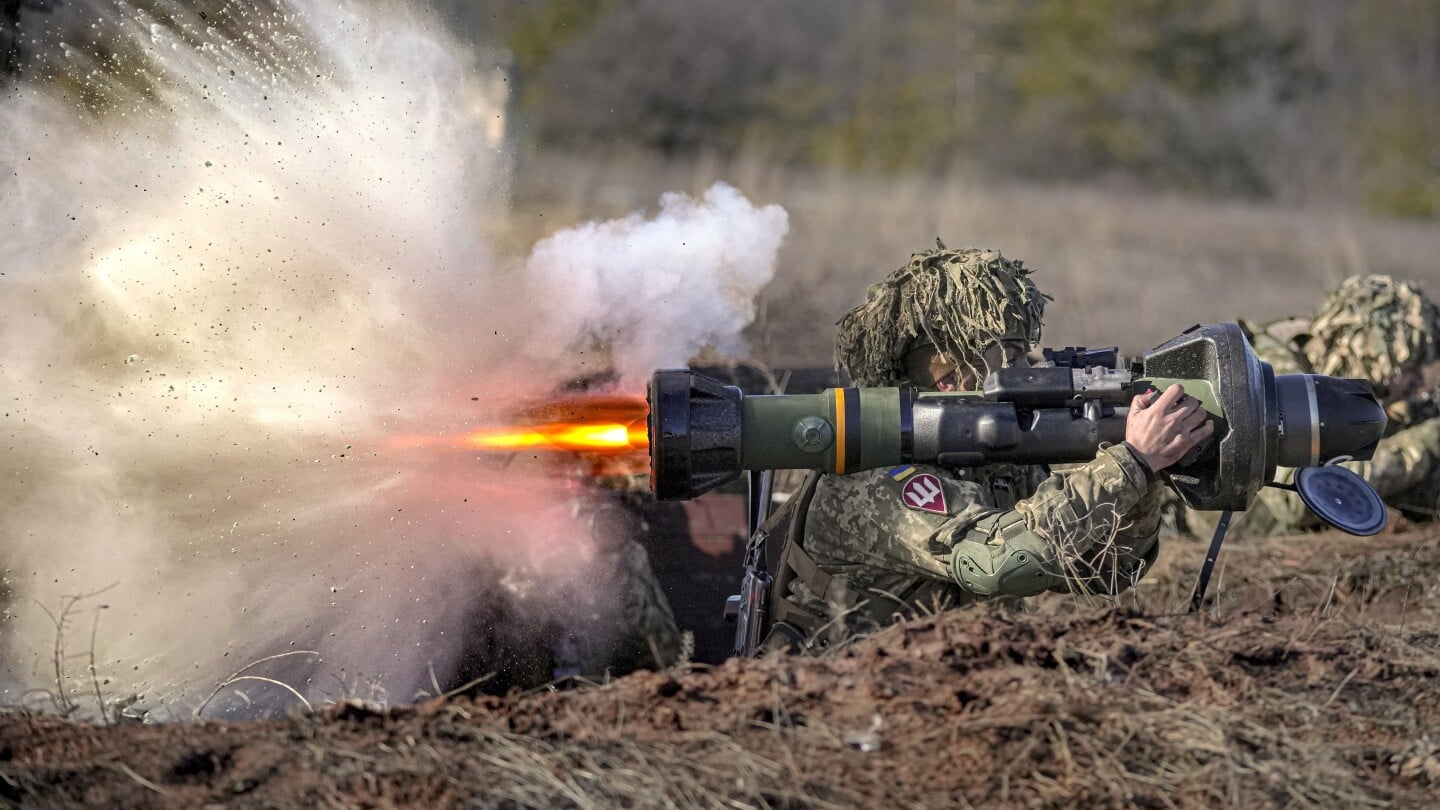
Many Western arms companies struggled to increase production capacity in 2022 despite a rise in demand for weapons and military equipment due to labor shortages, rising costs, and supply chain disruptions worsened by Russia's invasion of Ukraine, according to the Stockholm International Peace Research Institute (SIPRI). The revenues of the world's largest arms-producing and military services companies dropped by 3.5% to $597 billion, with U.S. companies experiencing a 7.9% decline. However, new orders related to the war in Ukraine are expected to contribute to future revenue, and companies in Asia and the Middle East demonstrated their ability to respond to increased demand more quickly.
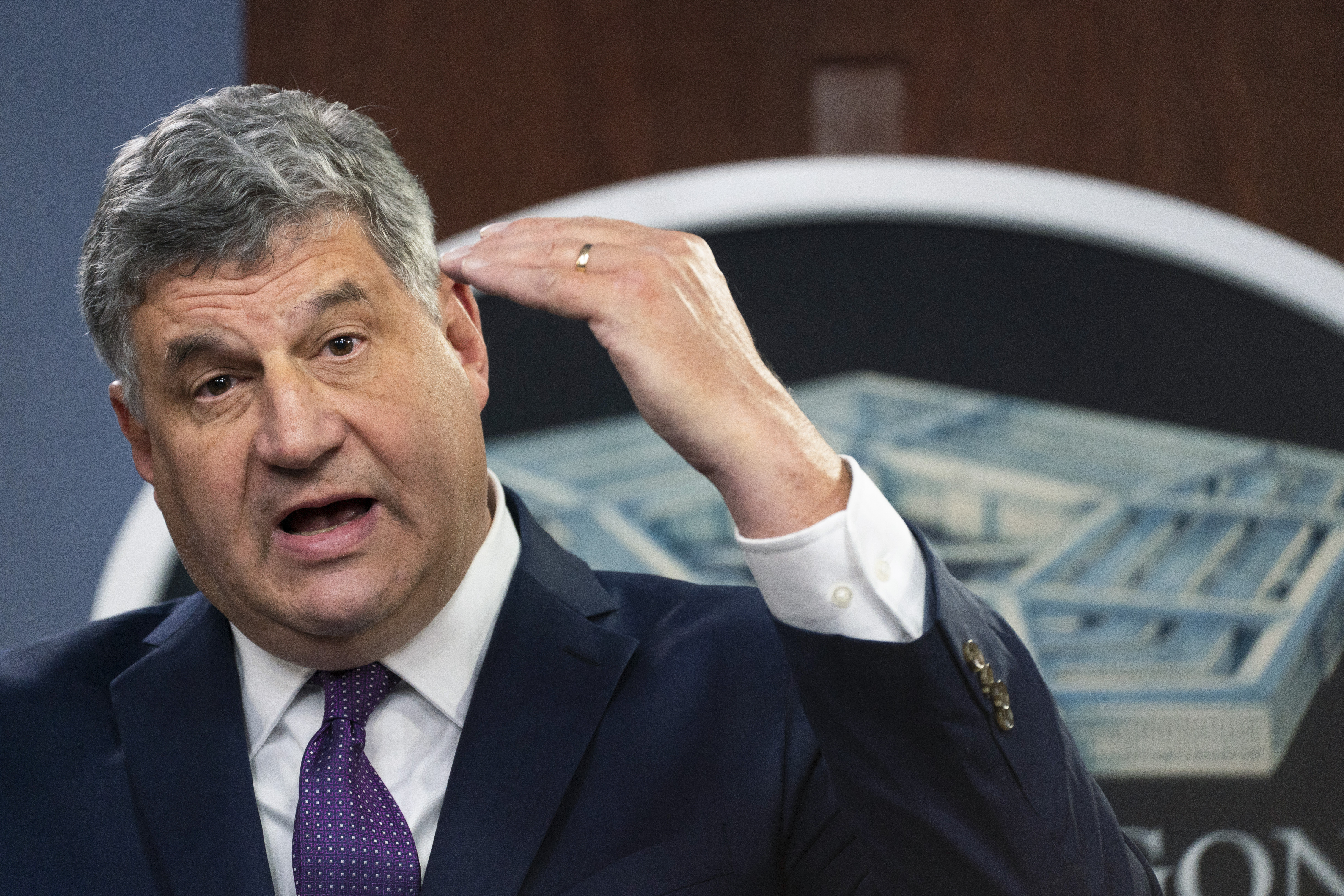
An unreleased draft of a new Pentagon report warns that the US defense industry is struggling to keep up with competitors like China in a high-tech arms race. The report states that the US defense industrial base lacks the capacity, capability, responsiveness, and resilience required to meet military production needs at speed and scale. It highlights the need for the Pentagon to tap into the expertise of small tech firms while supporting traditional companies to develop new technology faster. The report also emphasizes the importance of a resilient and innovative supply chain, investment in smaller businesses, and collaboration with domestic and foreign entities to address the challenges.
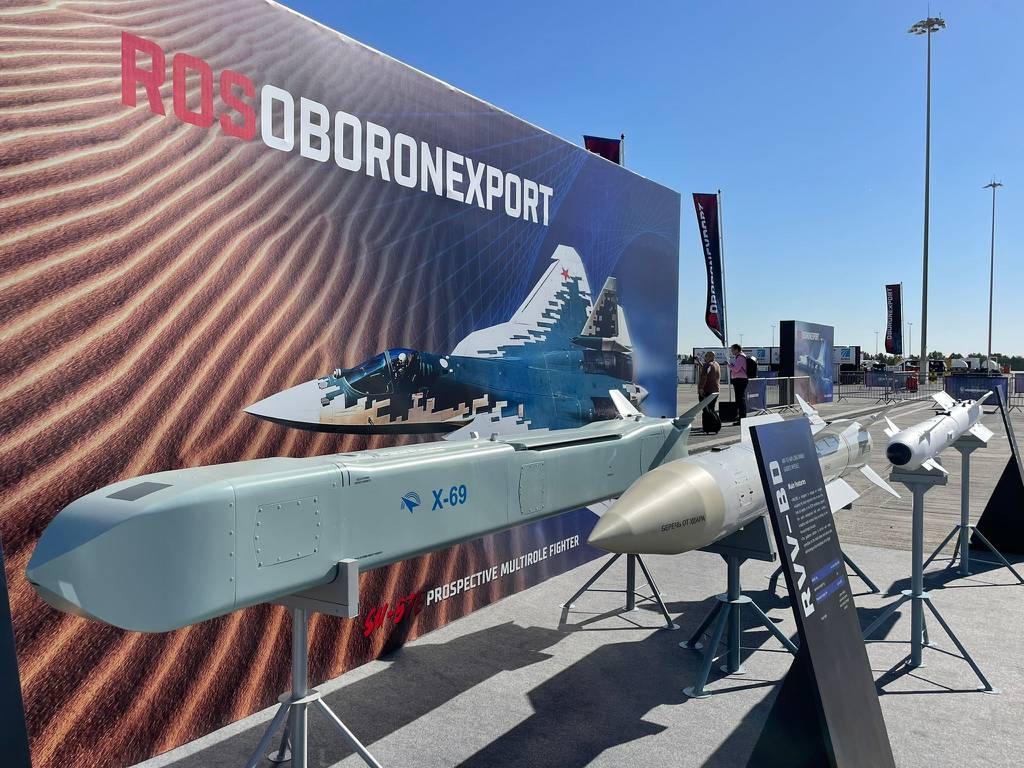
The Russian arms industry is using the Dubai Airshow as an opportunity to showcase its weapons, including those used in the invasion of Ukraine. The Russian pavilion at the event features helicopters, air-to-air guided missiles, and a precision strike cruise missile. However, one anticipated weapon, the Argument-2 anti-drone gun, was notably absent from the exhibition. Experts estimate that thousands of first-person-view drones are being used by Ukrainian forces, and the absence of the anti-drone gun raises questions about Russia's capabilities in countering this threat. The United Arab Emirates, which has maintained close ties with Russia while providing humanitarian aid to Ukraine, has chosen to remain largely neutral in the conflict.
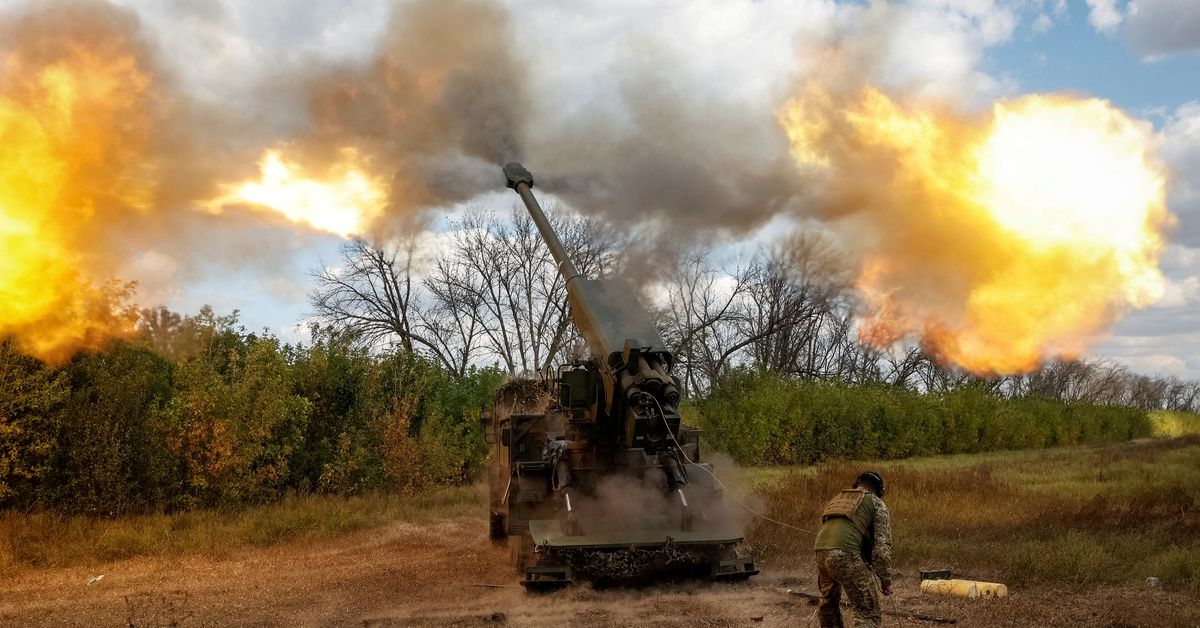
The Russian invasion of Ukraine in 2022 is boosting revenues for big US defense contractors as the US government restocks supplies shipped to Ukraine and European countries arm themselves against Moscow's aggressions. Lockheed Martin, General Dynamics, and RTX have reported better-than-expected results, with existing orders for artillery rounds, Patriot missile interceptors, and armored vehicles expected to underpin their future results. The conflict in Ukraine and Israel's war with Hamas are expected to drive up near-term demand. Other defense companies, such as Northrop Grumman, Saab, and Rheinmetall, are also experiencing increased sales due to strong defense demand. However, supply chain issues and a lack of skilled labor continue to hamper companies' capacity to fill orders.
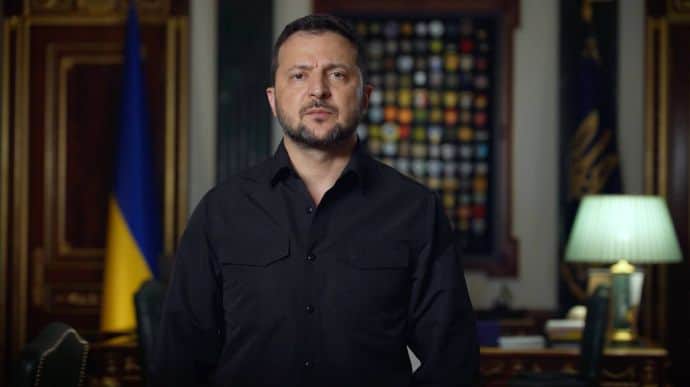
86 leading defense companies from 21 countries have confirmed their participation in Ukraine's Defense Industries Forum, which will be held in the autumn. The forum aims to provide Ukraine with opportunities to produce weapons and ammunition, acquire modern technologies, and share defense experiences with allies and partners. The event is part of Ukraine's efforts to integrate its military-industrial complex into the Western defense industry and ensure a constant supply of Western equipment.
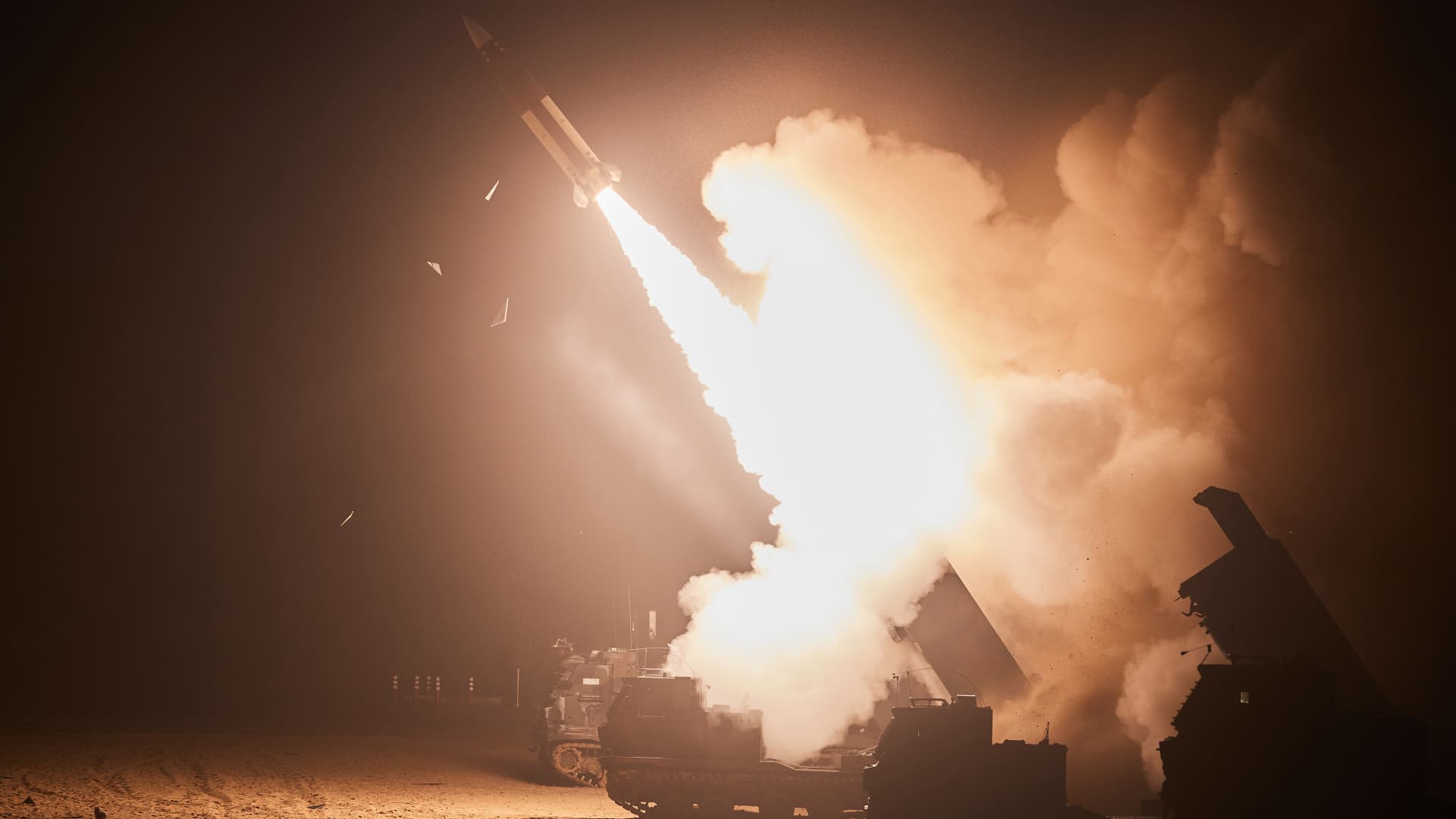
South Korean defense stocks have experienced significant gains as tensions on the Korean Peninsula rise and global demand for weapon systems increases. Hanhwa Aerospace, a subsidiary of Hanhwa Group, saw a 66% rise in its stock price this year. South Korea has become a major exporter of military equipment, with exports totaling $17.9 billion in 2022. Notable weapons systems from South Korea include the K9 Thunder self-propelled howitzer, the K2 main battle tank, and the FA-50 light attack aircraft. Poland has placed orders for these systems, marking a new entrant into the European arms market. South Korea's defense industry is seeking to expand into other areas such as drones and unmanned vehicles.

Oleksandr Kamyshin, Ukraine's 39-year-old arms chief, is ramping up production in the face of missile hits. Despite his factories being routinely attacked by Russian missiles, Kamyshin aims to remake Ukraine's defense industry into an engine of the war effort. He has overseen an increase in the production of mortar and artillery shells, as well as anti-tank systems. Kamyshin's long-term goal is to make Ukraine a major arms exporter and attract foreign producers to establish production facilities in the country. However, skepticism remains about the risks and feasibility of manufacturing in a war zone.