Beijing sanctions 20 US defense companies and 10 executives in response to US arms sales to Taiwan, freezing assets and banning dealings, amid heightened tensions over Taiwan's security and China's core interests.
Originally Published 16 days ago — by fmprc.gov.cn
China announced countermeasures against 20 U.S. military companies and 10 executives in response to U.S. arms sales to Taiwan, emphasizing its stance on sovereignty and warning against provocations related to Taiwan, urging the U.S. to adhere to the one-China principle and cease arms support to Taiwan.
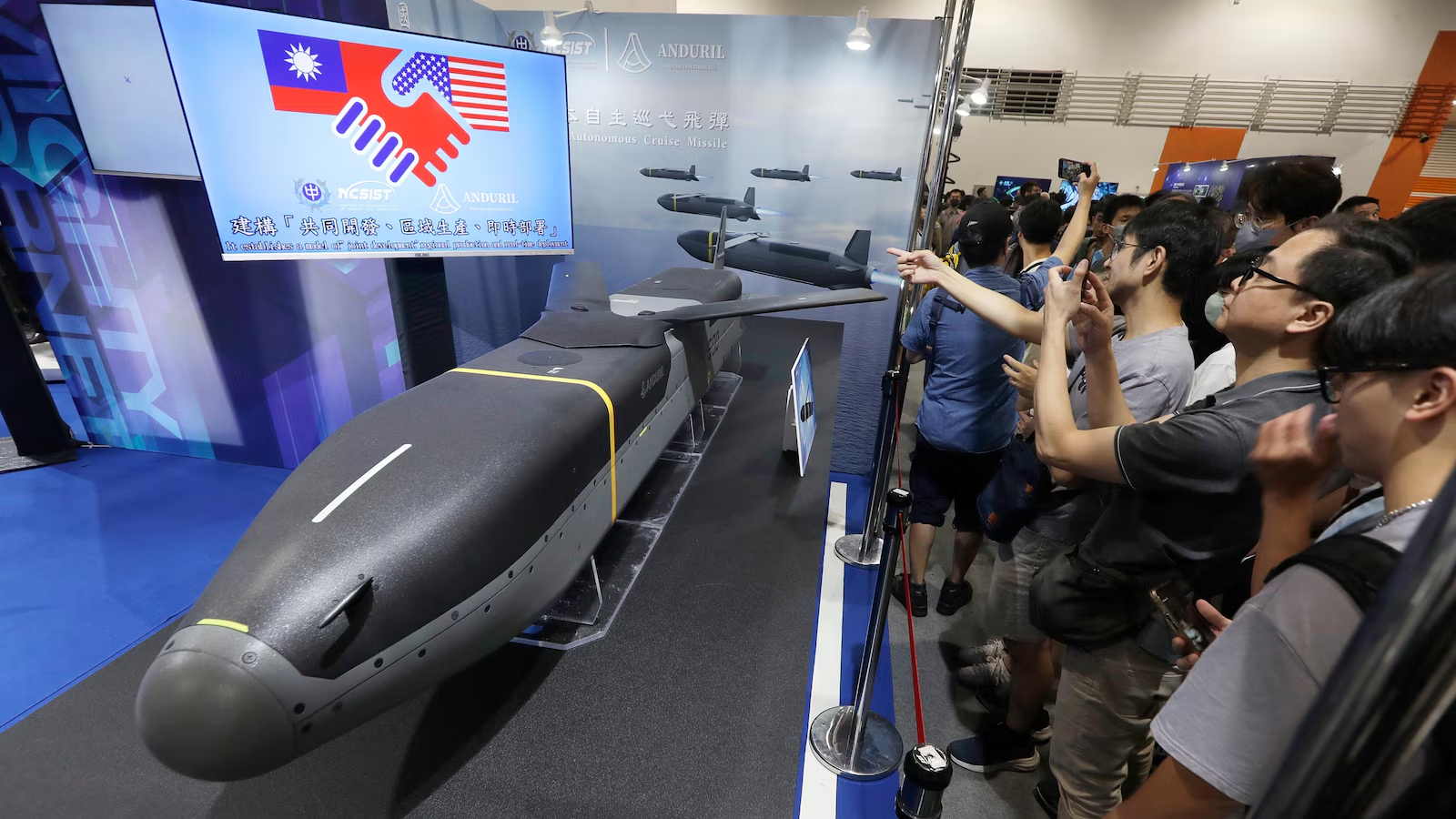
The US announced over $10 billion in arms sales to Taiwan, including missiles, drones, and artillery, prompting strong opposition from China and raising tensions in the region. The sale aims to bolster Taiwan's self-defense capabilities amid ongoing geopolitical tensions, with the US emphasizing regional stability and security interests.
The US announced over $10 billion in arms sales to Taiwan, including missiles, drones, and artillery, amid ongoing tensions with China over Taiwan's defense and regional stability, with both sides expressing strong positions.
The US is advancing its support for Ukraine by notifying Congress of $51 million in arms exports and considering providing long-range Tomahawk missiles and intelligence to target Russian infrastructure, signaling a more hawkish stance amid ongoing conflict and diplomatic challenges.
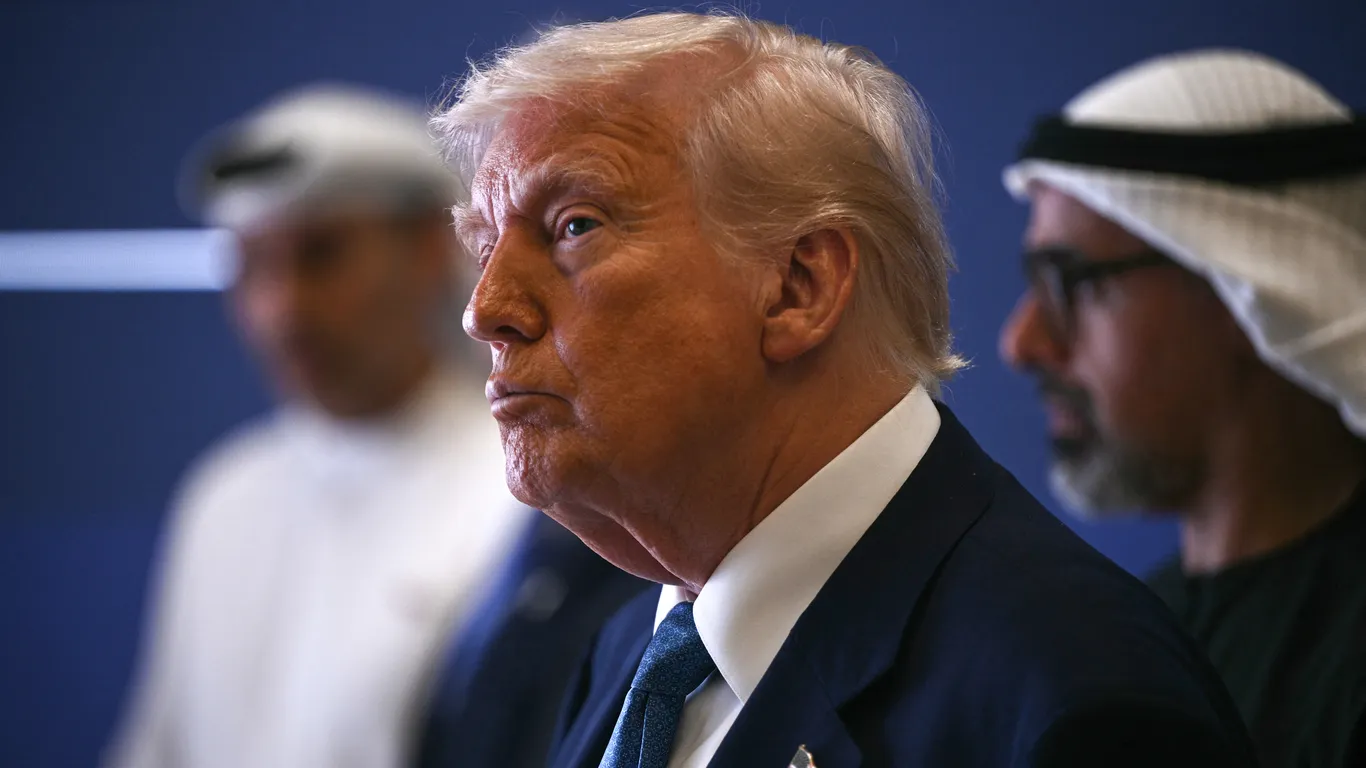
The Senate approved arms sales to Qatar and the UAE despite deals that benefit Trump, amidst broader discussions on tax provisions and legislative negotiations, including debates over the SALT deduction and Medicaid provisions.
The Senate rejected Democratic efforts to cancel over $3 billion in arms sales to Qatar and the UAE, amid concerns over these countries' offers to gift President Trump and involve his business dealings, highlighting ongoing tensions over Trump's personal business influence on U.S. foreign policy.
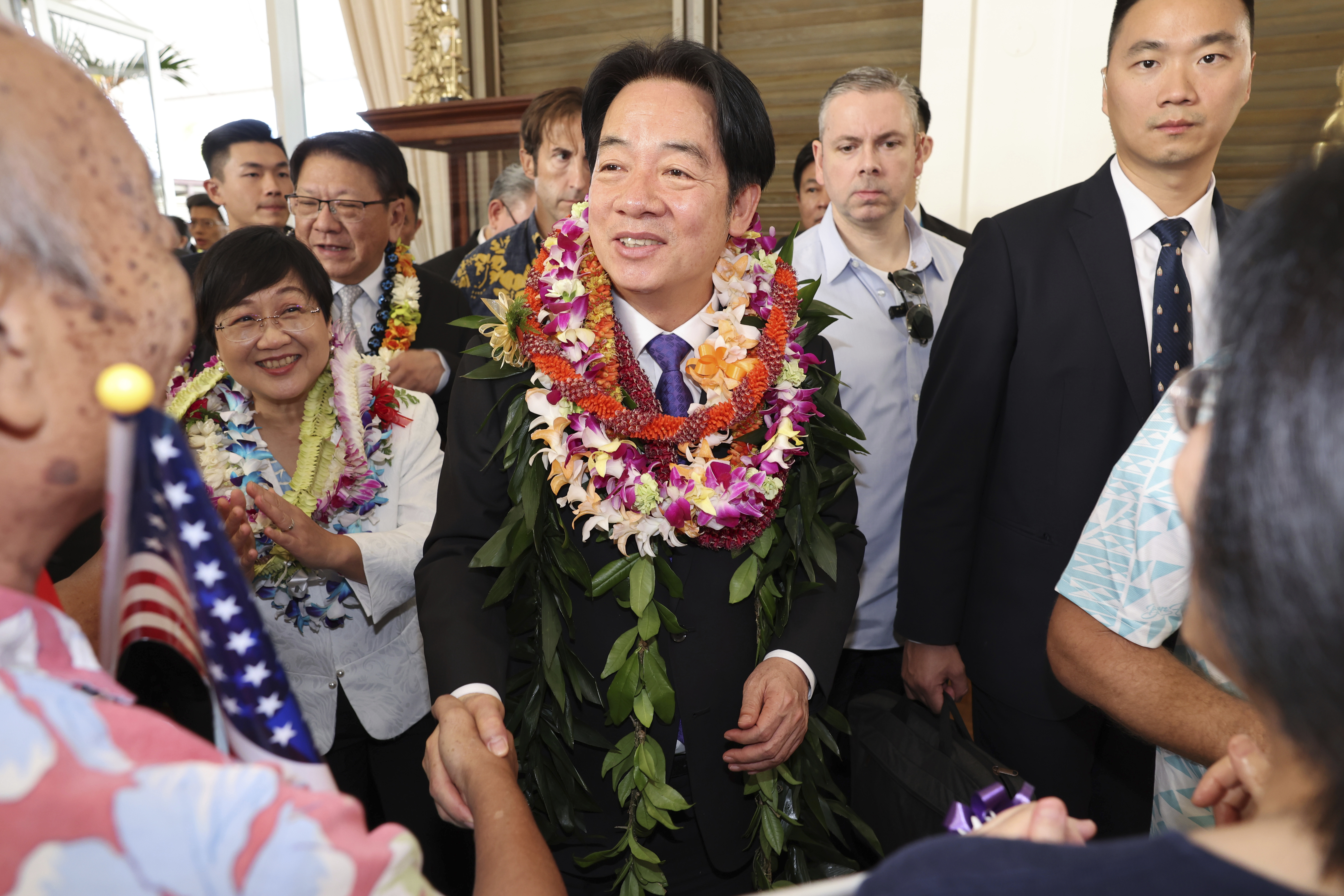
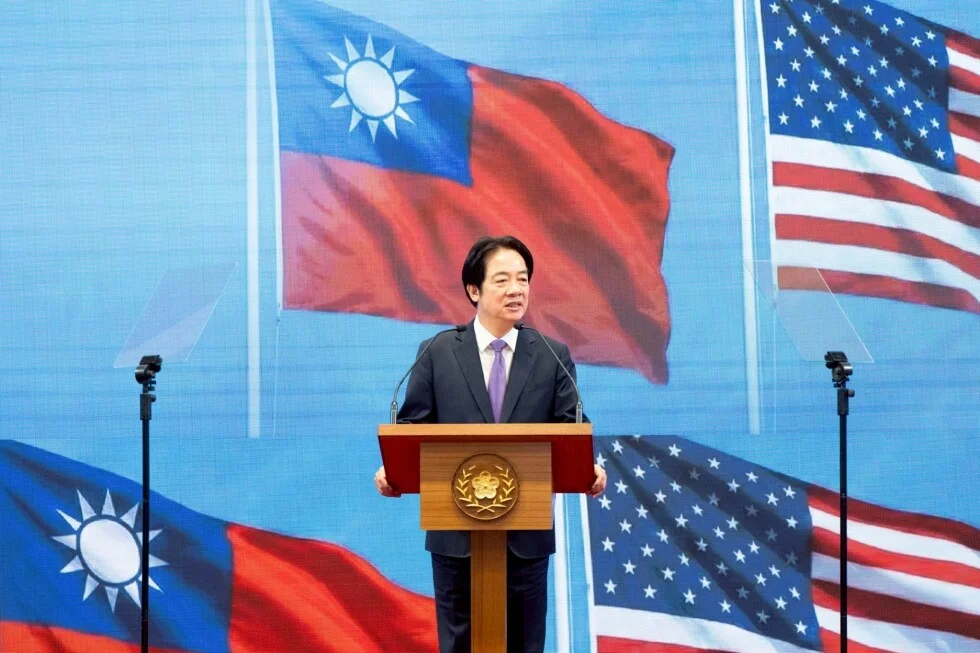
Taiwan's President Lai Ching-te visited Hawaii as part of a Pacific island tour, meeting with local officials and the Taiwanese American community, which drew condemnation from China. Beijing criticized the U.S. for supporting Lai's visit and a recent arms sale to Taiwan, reiterating its claim over the self-governing island. The visit highlights ongoing tensions between the U.S., Taiwan, and China, with the U.S. maintaining strategic ambiguity regarding its defense commitments to Taiwan under the Taiwan Relations Act.
Taiwanese President Lai Ching-te's visit to Hawaii, part of a Pacific island tour, has drawn condemnation from China, which opposes U.S. support for Taiwan and a recent U.S. arms sale to the island. During his visit, Lai met with Hawaiian leaders to discuss shared values and disaster preparedness. China's Foreign Ministry criticized the visit and warned of measures to protect its sovereignty. The U.S. maintains strategic ambiguity regarding its defense commitment to Taiwan, despite the Taiwan Relations Act.
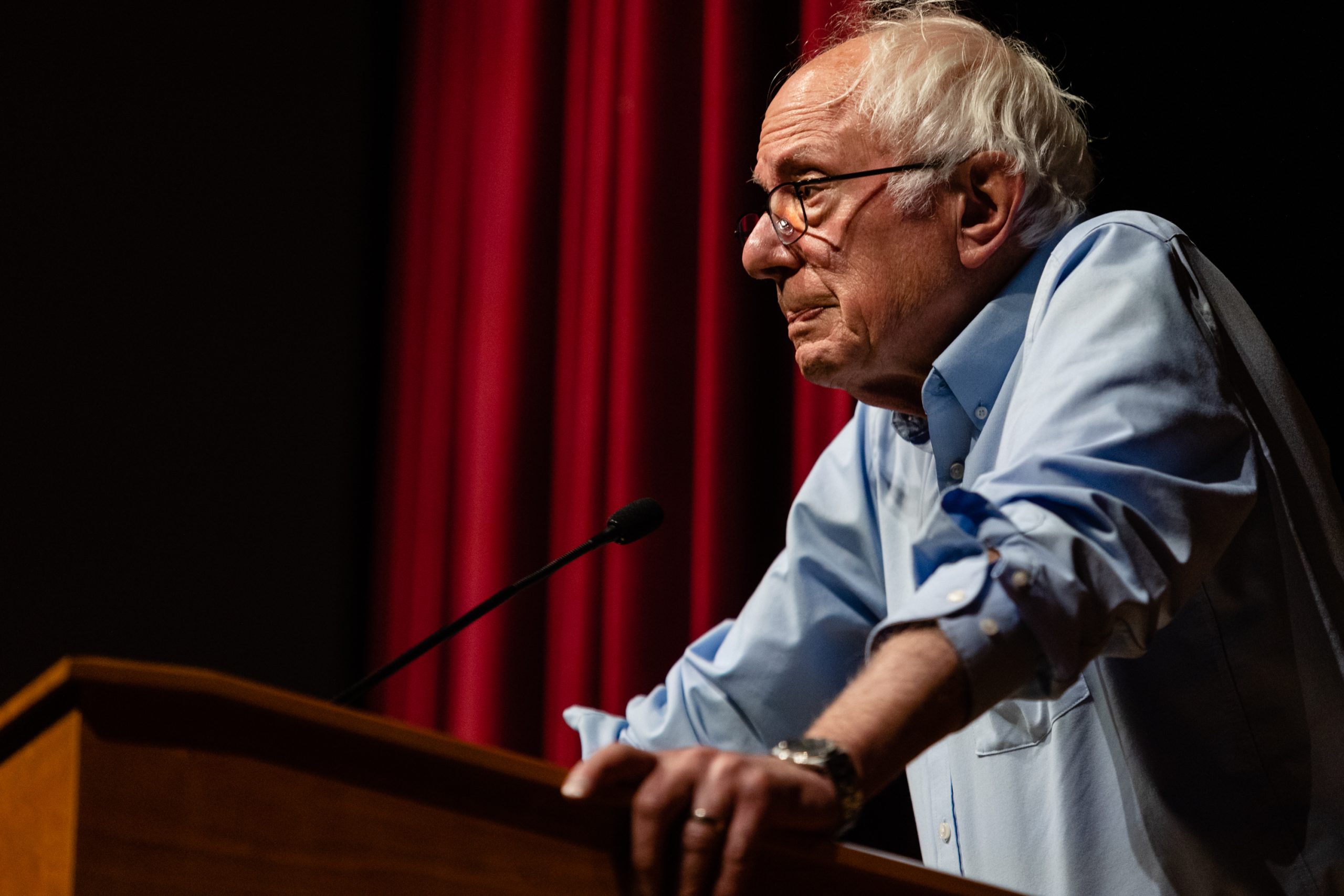
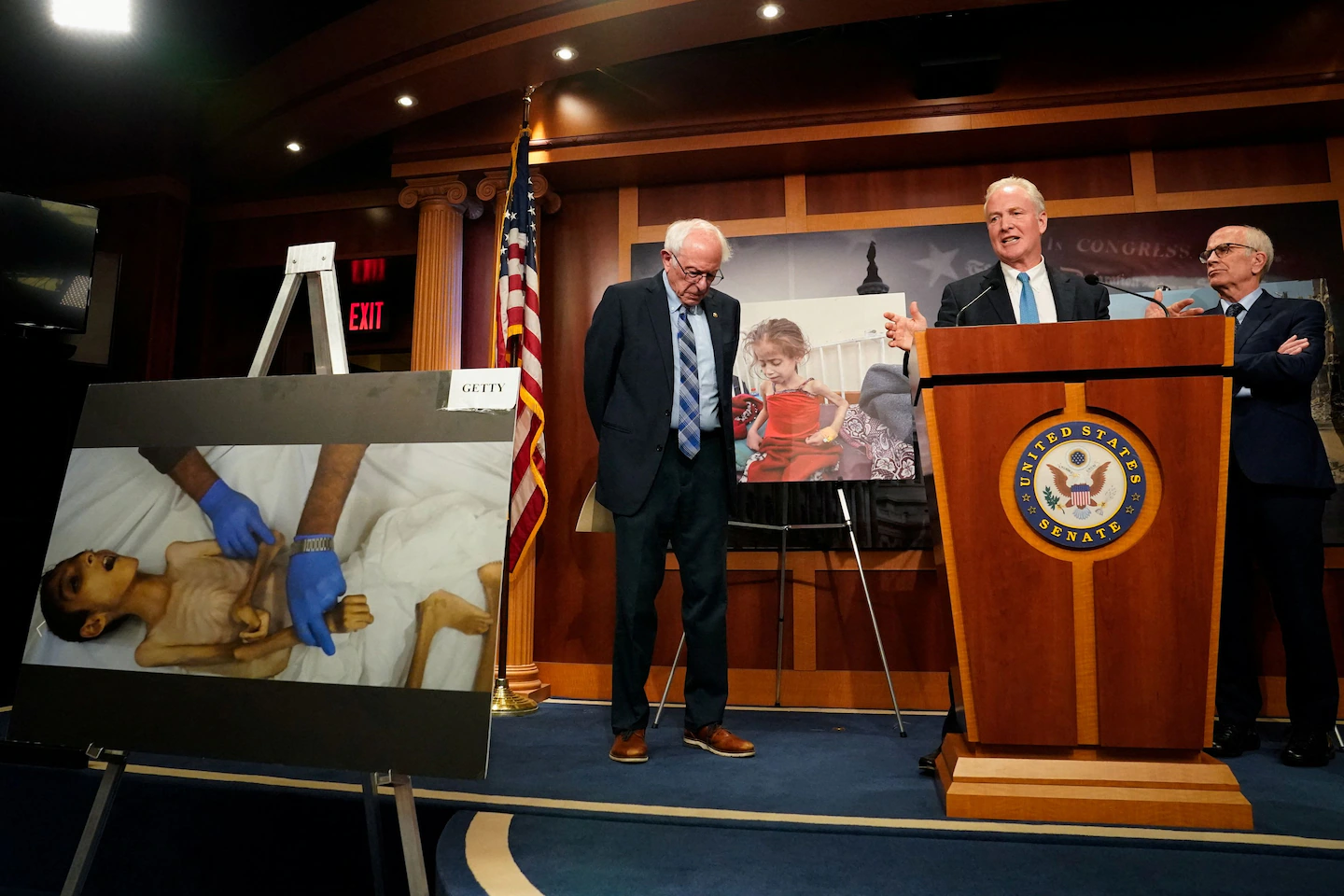
U.S. Senator Bernie Sanders' attempt to block arms sales to Israel failed in the Senate, with his resolutions receiving limited support. Sanders argued that Israel's actions in Gaza violated international human rights laws, and that U.S. law prohibits providing weapons to such nations. Despite his efforts, the resolutions were largely symbolic, facing strong opposition and unlikely to pass the Republican-controlled House or be approved by President Biden. Sanders criticized the humanitarian impact in Gaza, highlighting the U.S.'s significant military aid to Israel.
The Senate rejected an effort led by Senator Bernie Sanders to block US arms sales to Israel, highlighting bipartisan support for military assistance to Israel despite criticism over civilian casualties in Gaza. The resolutions aimed to halt sales of tank rounds, mortar rounds, and JDAMS, but failed to pass. Sanders criticized the US's role in the conflict, while the White House and Senate GOP opposed the resolutions. The votes reflect ongoing debate within the Democratic Party and mark a shift in some Democrats' stance on US-Israel relations.
Senator Bernie Sanders and several Democrats are pushing for a Senate vote to block a $20 billion U.S. arms sale to Israel, highlighting dissatisfaction within the Democratic Party over President Biden's handling of the Gaza conflict. The measure is unlikely to pass but symbolizes growing disapproval of U.S. military support for Israel amid accusations of war crimes and humanitarian crises in Gaza. The Biden administration opposes the resolution, citing concerns over regional security and ongoing ceasefire negotiations.
Taiwan is considering a significant purchase of US weapons, including Aegis destroyers and possibly F-35 fighter jets, to demonstrate its commitment to defense against China and to align with the incoming Trump administration. This move is part of Taiwan's strategy to bolster its military capabilities amid increasing Chinese threats and to ensure continued US support. The potential arms package, which could exceed $15 billion, reflects Taiwan's efforts to enhance its defense spending and capabilities, despite concerns about the operational and fiscal sense of acquiring certain high-cost items like the F-35s.
China has imposed sanctions on two U.S. defense companies, General Atomics Aeronautical Systems and General Dynamics Land Systems, for their alleged support of arms sales to Taiwan. The move comes as part of Beijing's efforts to counter U.S. financial and travel restrictions on Chinese officials. China claims Taiwan as its own territory and has been increasing military activities around the island. The U.S. remains a key supporter of Taiwan, supplying it with military hardware, despite lacking formal diplomatic ties with the island.