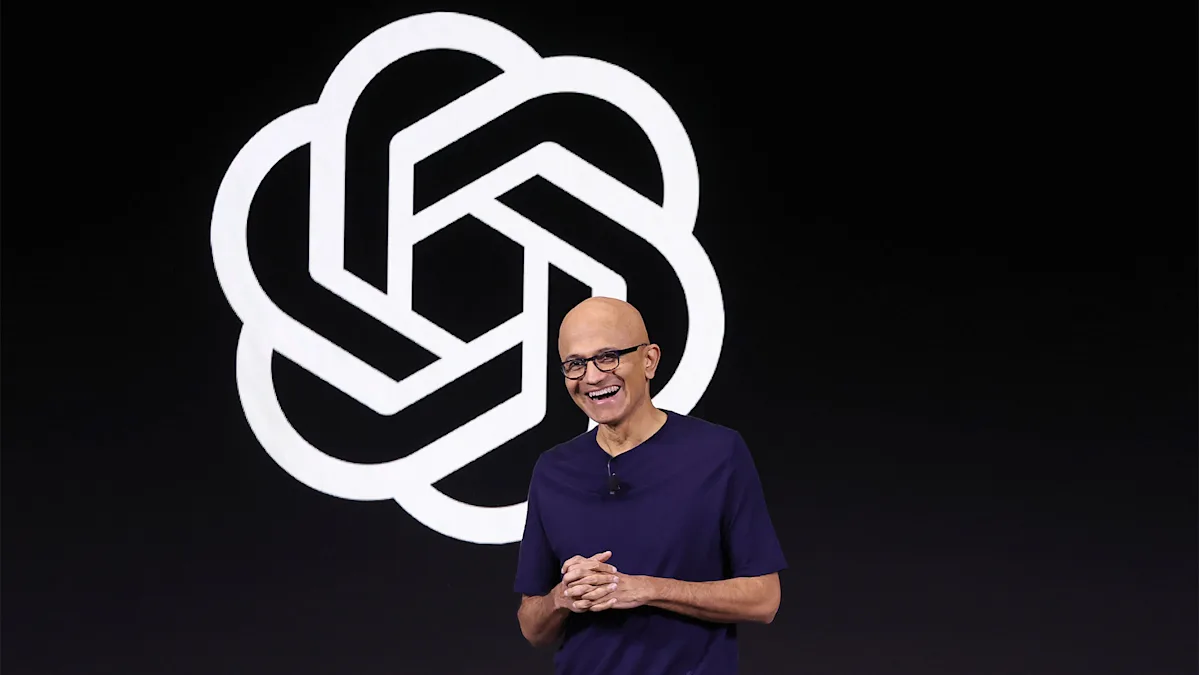
Microsoft CEO Satya Nadella emphasizes shifting the perception of AI from 'slop' to a 'bicycle for the mind,' advocating for AI as a human-augmenting tool rather than a replacement, amidst ongoing debates about AI's impact on employment and productivity.

The speech discusses cautious optimism for 2026, highlighting progress in inflation reduction, especially in housing and core services, and the need for clarity on economic growth and labor market trends amid divergent signals. It emphasizes the importance of monetary policy in maintaining price stability and maximum employment, while considering structural changes like AI's influence on productivity and employment. The speaker advocates for patience and credibility in policy decisions, aiming for a balanced approach to economic stability.
The Federal Reserve faces a complex 2026 with political challenges, a new chair, and an economy influenced by both tailwinds like fiscal stimulus and headwinds such as inflation and AI integration, leading to cautious interest rate policies and heightened scrutiny.
Gillian Tett predicts that the leading tech stocks, known as the Magnificent 7, will diverge in their performance in 2026, as the AI-driven growth era appears to be ending, leading to varied trajectories for these companies.
The stock market experienced significant growth in 2025, driven by resilient earnings, interest rate cuts, and enthusiasm for AI, with experts optimistic about continued gains in 2026, despite some risks and uncertainties.
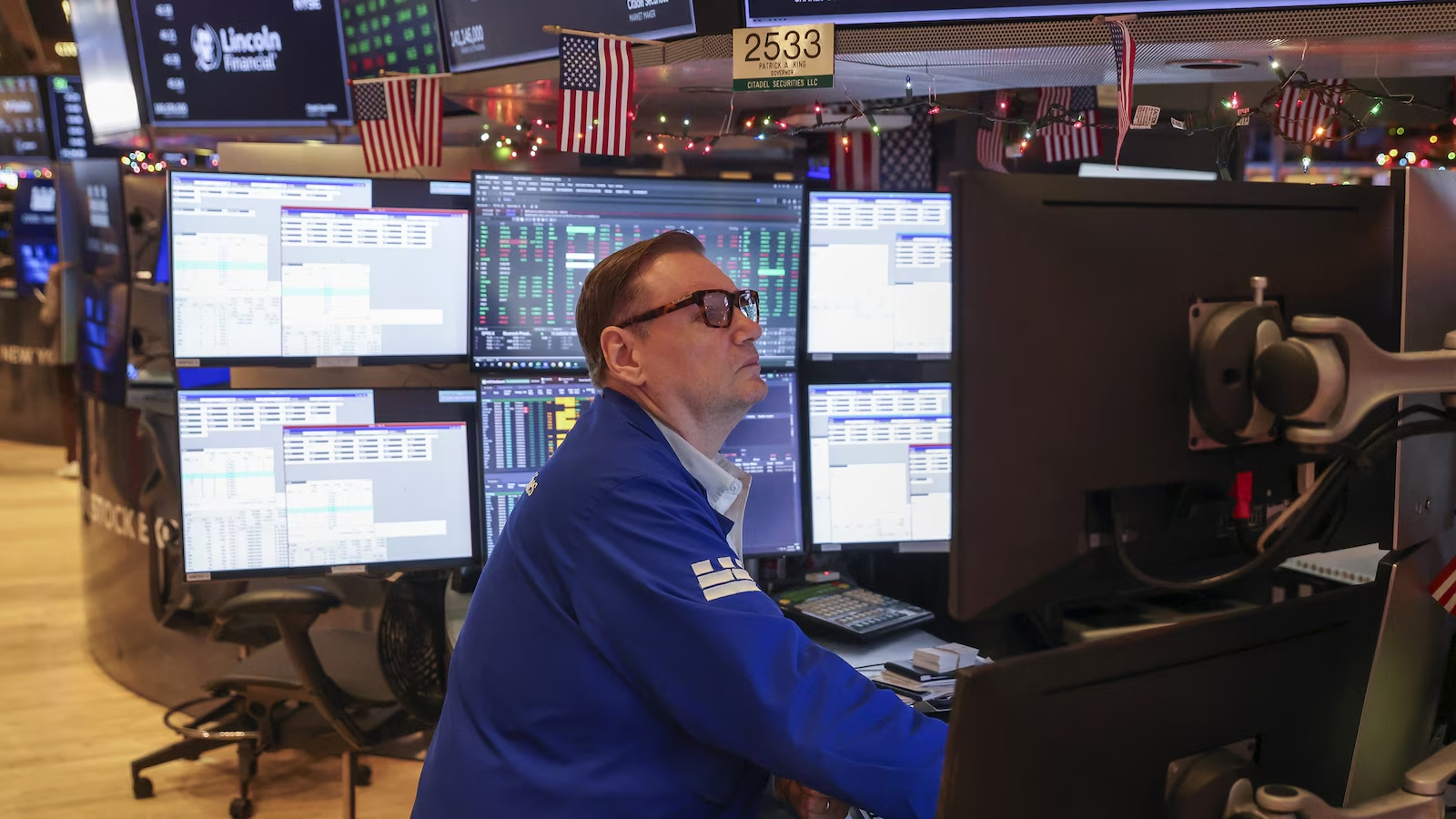
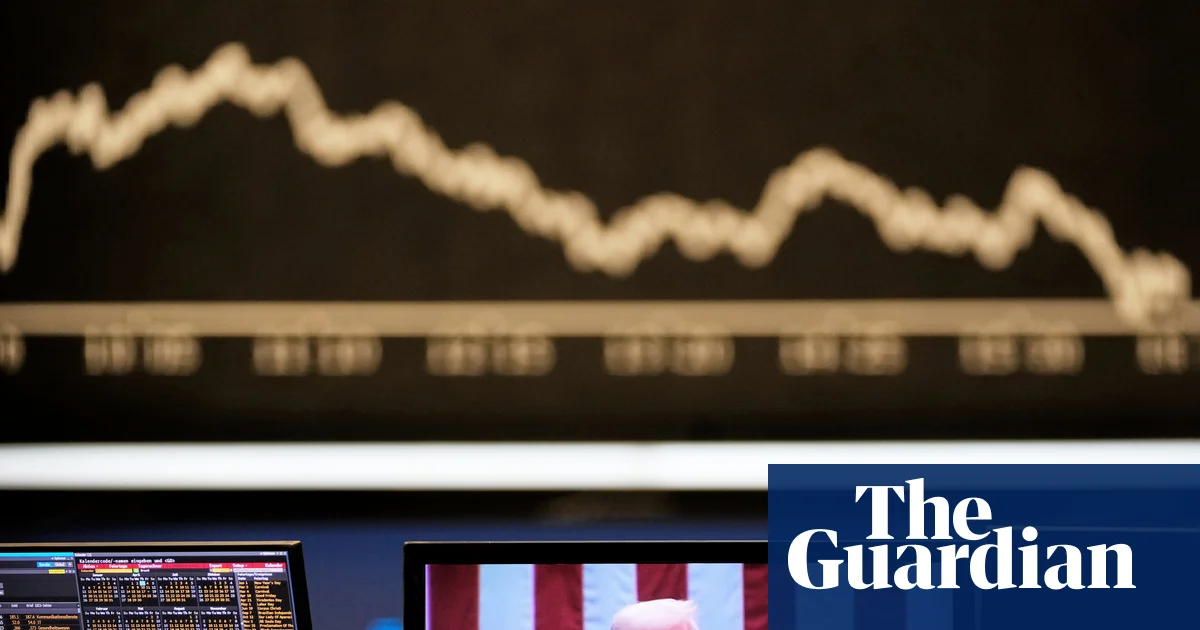
Stock futures are stable as Wall Street prepares to close out 2025, with the S&P 500 up over 17% for the year and markets experiencing a mix of gains and some profit-taking, amid expectations of continued volatility and a potential range-bound year in 2026, driven by factors including AI developments and sector performance shifts.
The global economic outlook for 2026 suggests a moderation in growth due to trade tensions, inflation normalization, and rising unemployment, despite some optimism about AI-driven productivity and stabilizing interest rates. Key risks include a potential tech bubble, geopolitical conflicts, and fiscal vulnerabilities, with the US leading growth among major economies.
Memory shortages caused by AI-driven demand are prompting Sony to consider delaying the PlayStation 6's release, originally planned for November 2027, due to rising RAM prices and supply issues, with a potential delay to allow supply to stabilize.
The construction industry faces a significant labor shortage due to aging workers and declining interest from young people, but AI may shift the job landscape by eliminating entry-level and white-collar jobs, encouraging more youth to pursue trades, which are seeing increased enrollment and could benefit from future industry growth.
Innovative cooling technologies like liquid cooling and microfluidics are transforming data centres by reducing energy consumption and addressing overheating issues, especially as AI and high-performance chips demand more efficient solutions amid environmental concerns.
Moody's Analytics warns that the US economy is nearing a recession threshold, with the unemployment rate rising to 4.6% and the Sahm Rule close to triggering a recession signal, amid weak job growth, declining demand, and potential impacts from AI and policy factors.
The RAM shortage, driven by demand from data centers powering generative AI, is forcing game developers like Larian to optimize their games more than planned, affecting hardware prices and availability across the industry, with broader environmental and economic implications.
AI's transformative potential on the global economy is vast and uncertain, with predictions ranging from modest growth to a trillion-dollar revolution. Understanding its effects requires real-time data, imaginative social science models, and careful experimentation to anticipate societal shifts, policy needs, and inequality risks.
Axios CEO Jim VandeHei discusses how the traditional news ecosystem is broken and how the company aims to adapt in the post-news era by focusing on trustworthy reporting, navigating AI's influence, and expanding local coverage to help people better understand and navigate the rapidly changing information landscape.
Getting a state license in a profession provides strong job security, credibility, and opportunities for entrepreneurship, especially as AI and automation threaten to replace many roles. Licenses ensure competence, ongoing education, and can lead to higher pay, making them a valuable asset in the evolving job market.