Fiat's sales in the US are extremely poor, with only 84 cars sold in 91 days, highlighting its struggles alongside other Stellantis brands. GM and Ford had mixed results, with GM focusing on profitability despite sales declines, especially in EVs, and Ford ending the year strong with popular models like the F-Series and Bronco. Mercedes announced a new Level 2++ driving assist system in the US, aiming to compete with Tesla's FSD, which could reshape the autonomous driving landscape.
Ford reported its best U.S. vehicle sales since 2019, with a 6% increase to 2.2 million vehicles in 2025, driven mainly by strong F-Series sales and a rise in hybrid vehicle sales, despite declines in electric vehicle sales and ongoing production challenges.
A disagreement has arisen between Sen. Ted Cruz and the Detroit Three automakers over their attendance at a January Senate hearing on vehicle affordability, which would be the first joint testimony of Detroit CEOs since 2008.
The Louisville area experienced significant business shifts in 2025, including Brown-Forman's workforce cuts and cooperage sale, Ford's EV strategy adjustments and new vehicle launches, Yum! Brands relocating its headquarters, and Wawa expanding into the region, alongside various business openings, closures, and redevelopment projects.
Ford has ceased production of its all-electric F-150 Lightning truck due to lack of profitability and declining consumer demand, signaling a potential slowdown in the shift toward electric vehicles in the US, especially as government incentives diminish and consumer preferences favor more affordable options. Ford plans to focus on more profitable vehicle segments and introduce a smaller, more affordable electric pickup in the future.
A man who paid $80,000 in cash for a new Ford truck faced issues with the vehicle and was denied a rental car at the dealership due to being under 25, despite his loyalty and payment method. He criticized the dealership's policies and customer service, highlighting the age restriction for rentals and suggesting loyalty should warrant exceptions. The situation sparked debate about rental age policies and customer treatment.
The Ford Aluminator V8 is a lightweight, aluminum-block crate engine producing 580 horsepower and 445 lb-ft of torque, based on the Voodoo V8 from the Shelby GT350, designed for high-performance applications and available for purchase from Ford.
Ford is recalling over 270,000 electric and hybrid vehicles in the U.S., including F-150 Lightning, Mustang Mach-E, and Maverick models, due to a parking function problem that could cause vehicles to roll away. The company will provide a free software update to fix the issue.
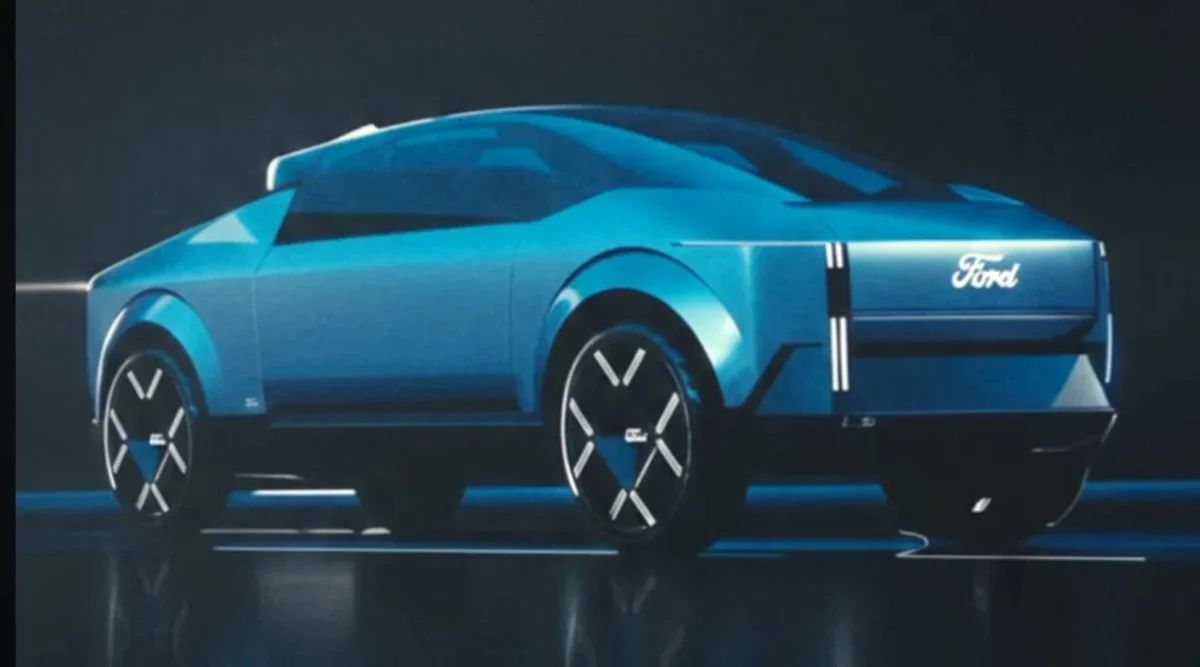
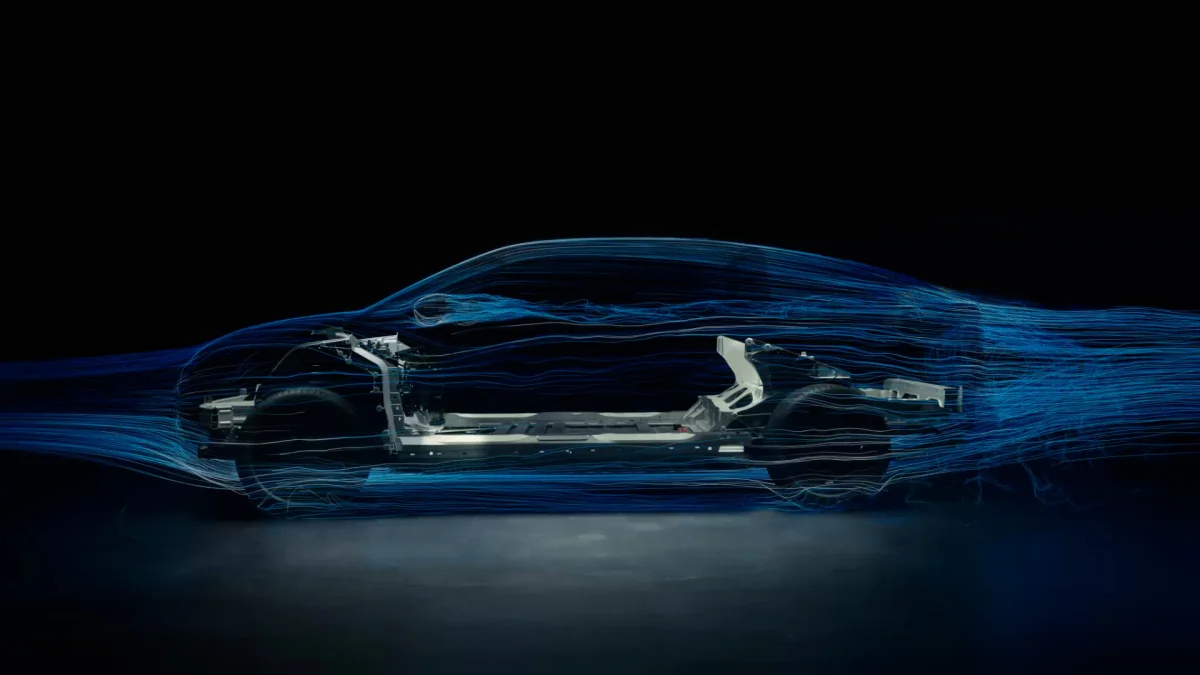
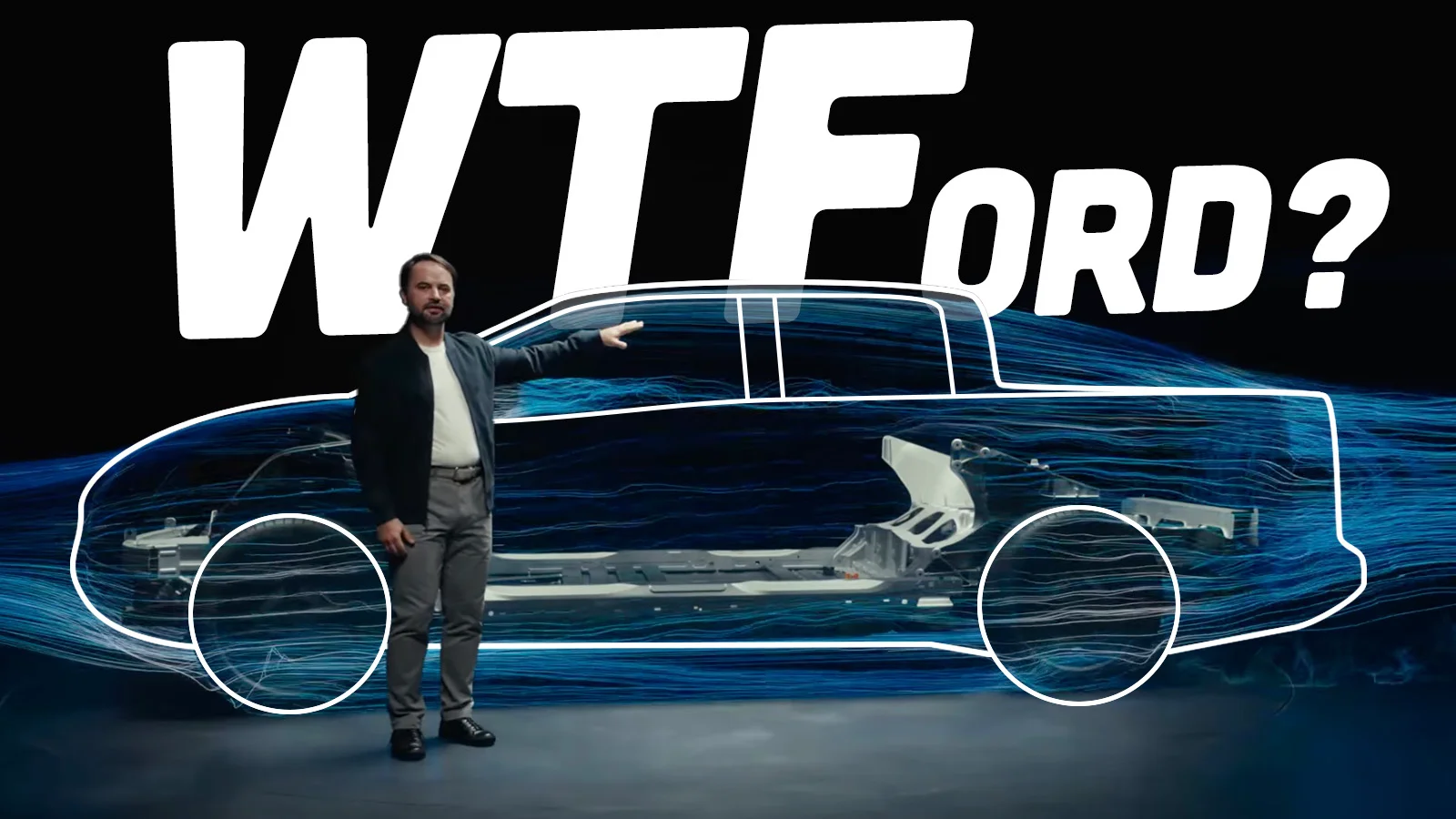
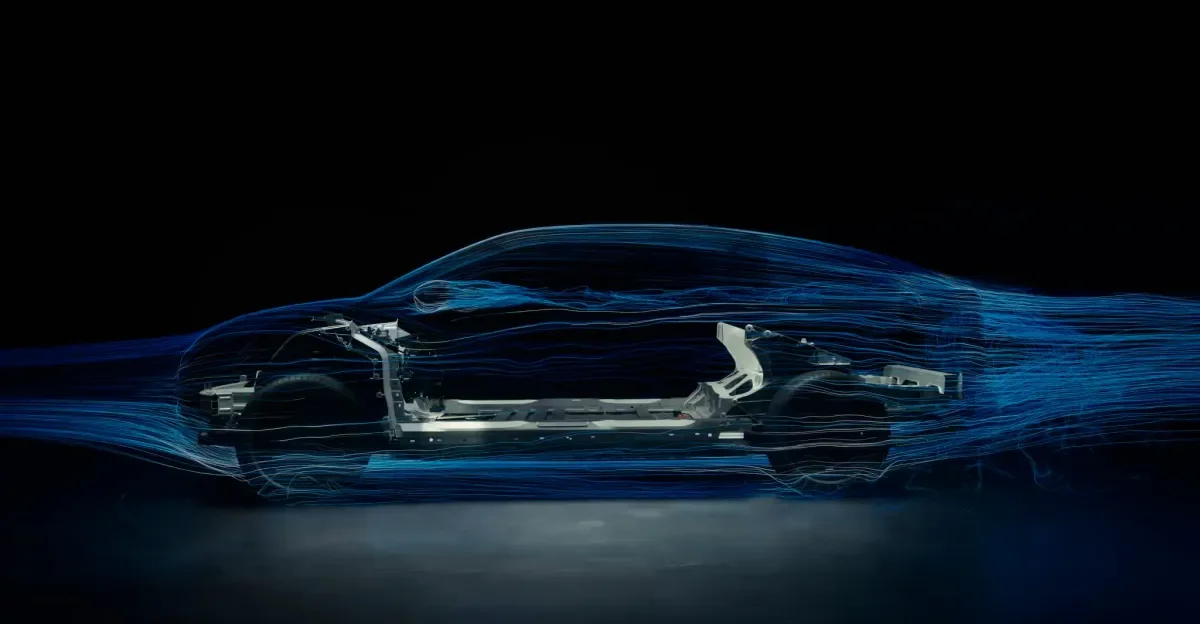
Ford's significant investment in an electric 'truck of the future' resulted in a $19.5 billion writedown, highlighting the financial risks associated with pioneering electric vehicle technology.
The Los Angeles exhibit 'American Icon: A Mustang Immersive Experience' uses theme park-style installations, projections, and a 4D theater to celebrate the history and cultural impact of the Ford Mustang, aiming to inspire a new generation of car enthusiasts amid changing automotive consumer trends.
Elon Musk's absence from a Senate auto industry hearing, due to scheduling conflicts and strategic considerations, highlights tensions over equal representation of auto CEOs and concerns about political focus on Musk, potentially impacting discussions on auto affordability.
In 2025, General Motors led U.S. vehicle sales with over 2.8 million units sold, despite a slowdown in the year's final quarter, driven by industry adjustments to tariffs and consumer incentives, with Toyota and Ford following in market share and sales volume.
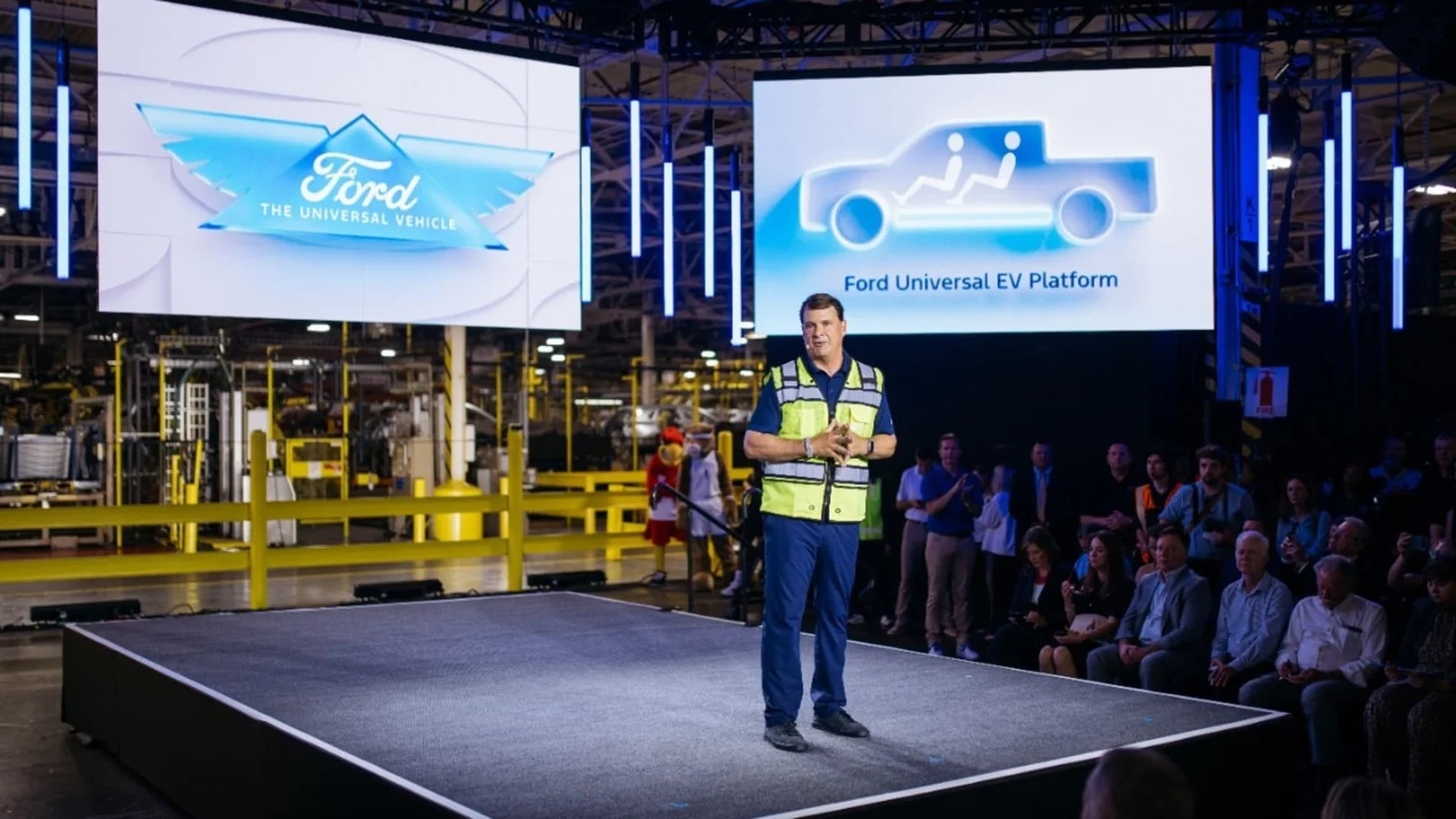
Ford is shifting its strategy from pure electric vehicles to hybrids and extended-range electric vehicles due to changing consumer demand and market conditions, leading to a $19.5 billion charge in 2026 and a significant reduction in EV sales projections.
Ford is retreating from its ambitious electric vehicle plans due to unprofitability and shifting focus towards hybrids and region-specific models, reflecting broader industry challenges with EV economics and changing government policies, especially in the US.