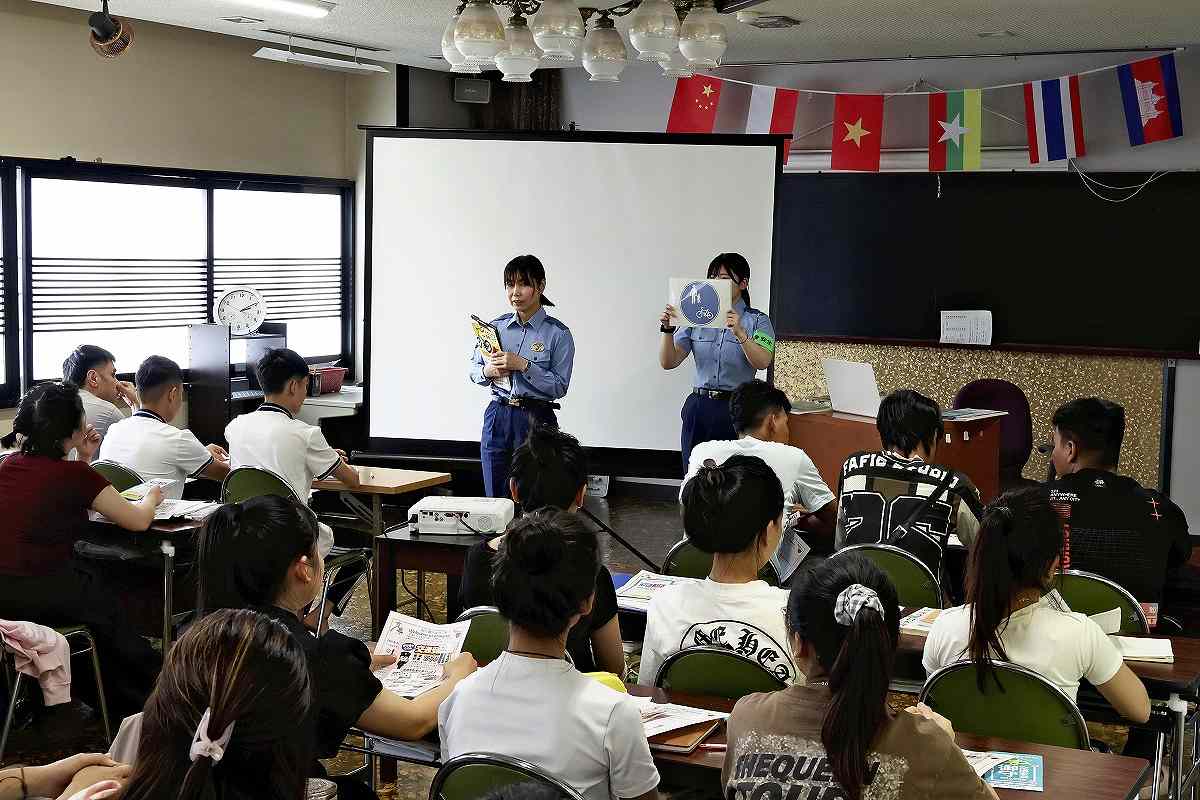
Japan plans to accept about 1.23 million foreign workers under its labor migration programs by 2028, combining the existing SSW Type 1 program with a new 'Employment for Skill Development' status to address labor shortages.
Japan plans to accept up to 1.23 million foreign workers by 2028, primarily through the Specified Skilled Worker System and a new Employment for Skill Development Program, replacing the problematic Technical Intern Training Program, to address domestic labor shortages across various sectors.
While President Trump publicly defended the need for foreign workers, his company sought a record 184 foreign workers in 2025 through H-2A and H-2B visas for various properties, with a total of 566 foreign workers requested during his five years in office.
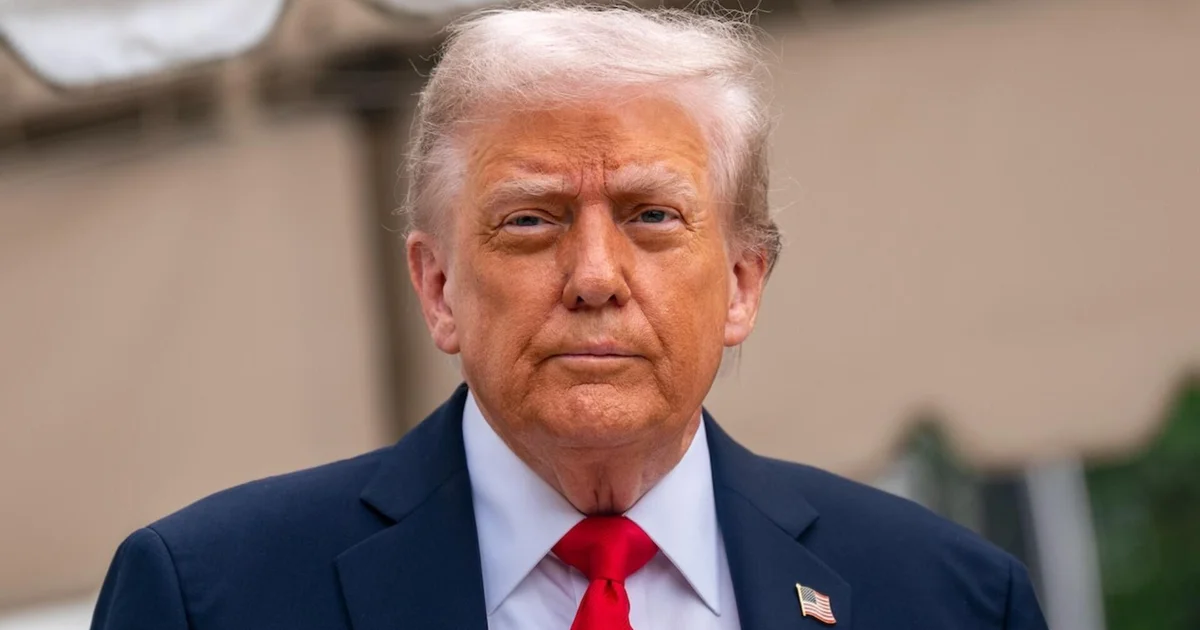
Donald Trump, in a shift from his previous stance, suggested the US should welcome more skilled foreign workers through H-1B visas, sparking criticism from his MAGA base who see it as a betrayal of American workers. He emphasized the need for specialized skills not readily available domestically, despite concerns about displacing American workers. The comments followed increased H-1B visa application fees and drew backlash from supporters who viewed his remarks as a sellout to foreigners and corporations.
Recent guidance from the Trump administration states that new H-1B visa applicants, as well as those requesting amendments, changes of status, or extensions within the US, will not be subject to the $100,000 fee introduced in a White House proclamation, though the fee still applies to petitions filed outside the US or requiring departure before adjudication. The guidance aims to clarify implementation amid legal challenges and concerns from various sectors about the impact of the fee on foreign workers and US industries.
Experts believe Trump's broad changes to the H-1B visa program, including a $100,000 fee and lottery restructuring, could hinder innovation, reduce the flow of skilled foreign workers, and negatively impact the U.S. economy by discouraging top talent from coming to the U.S. or staying long-term.
The Trump administration's proposal to impose a $100,000 fee on H-1B visa applications could significantly impact U.S. colleges and universities, which employ over 16,000 workers on these visas, mainly in specialized fields. The policy aims to curb perceived abuse of the program but may hinder universities' ability to hire essential international staff, including researchers and medical professionals, especially as many institutions rely heavily on H-1B visa holders. The new fee and cap could pose financial challenges for higher education institutions, potentially affecting their staffing and research capabilities.
The article discusses how Trump's new H-1B visa policy has caused short-term panic and is likely to create long-term chaos by targeting legal immigration channels, particularly affecting industries reliant on foreign skilled workers, despite misconceptions about the system being primarily used for cheap outsourcing.
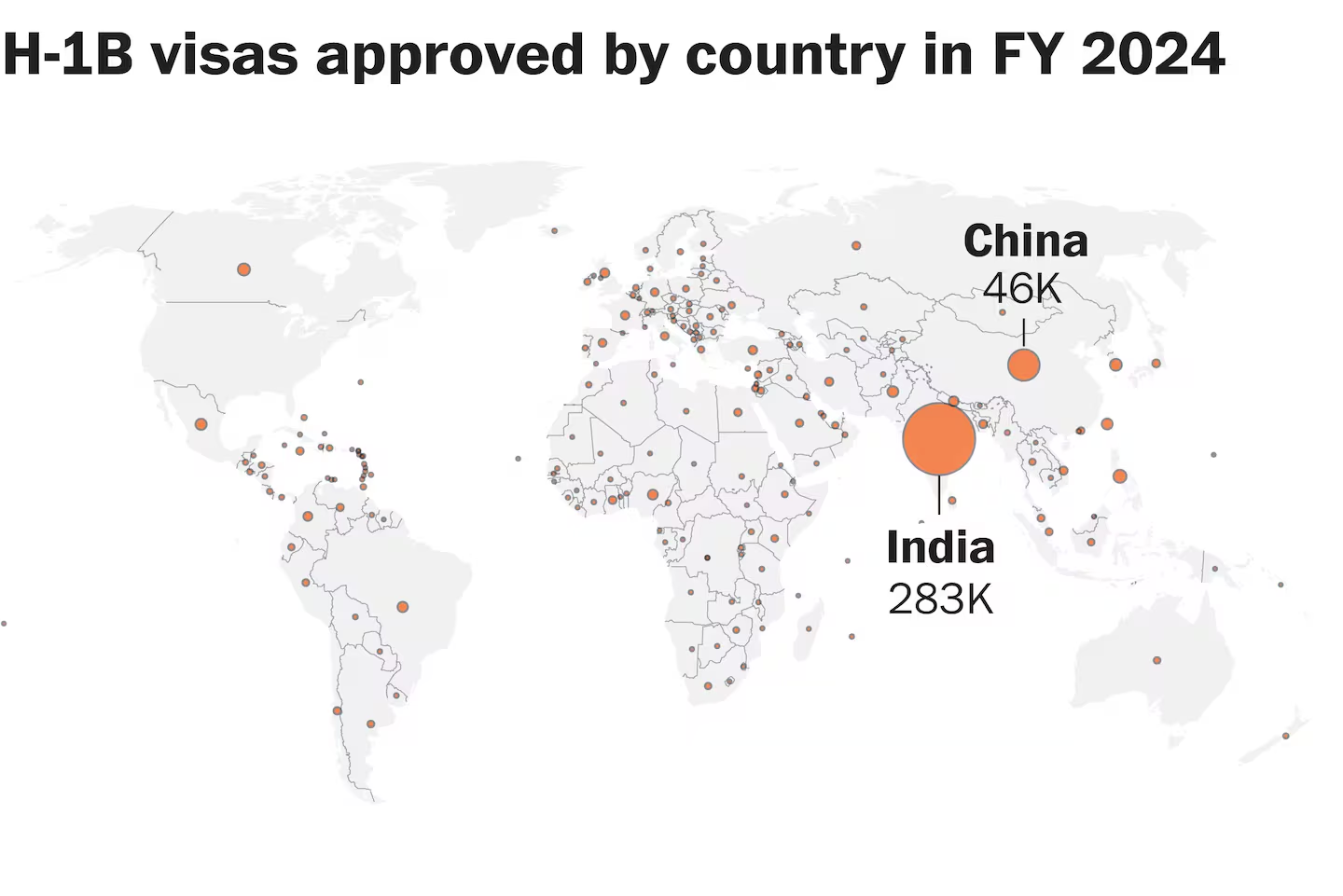
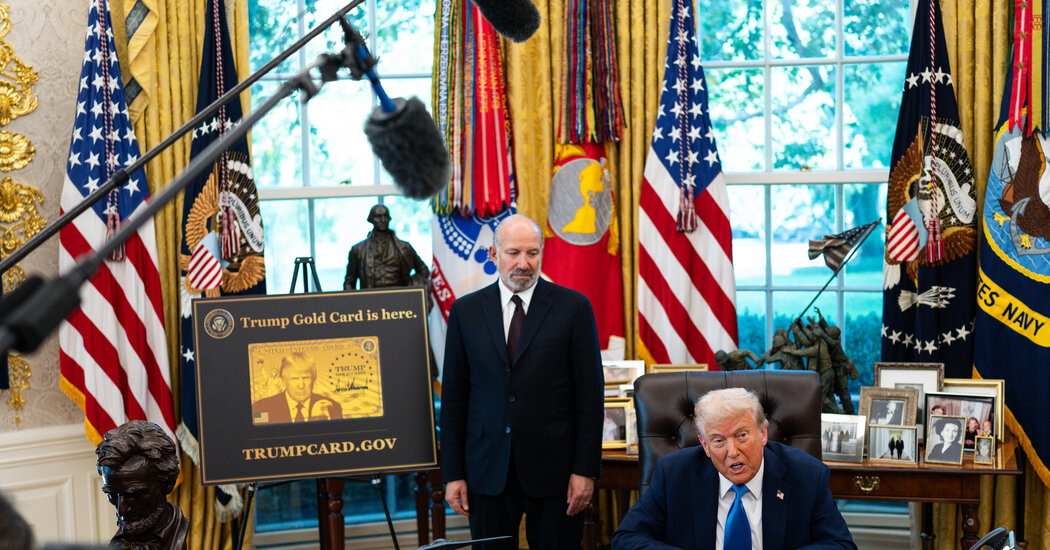
President Trump announced a policy to charge $100,000 for H-1B visas, impacting foreign workers, their countries of origin, and U.S. employers seeking specialized skills.
The Trump administration's new $100,000 fee for H-1B visas aims to encourage companies to hire Americans instead of foreign workers, but experts predict mixed effects, including potential short-term gains for U.S. tech workers and long-term concerns about economic growth and job opportunities, especially for native-born Americans.
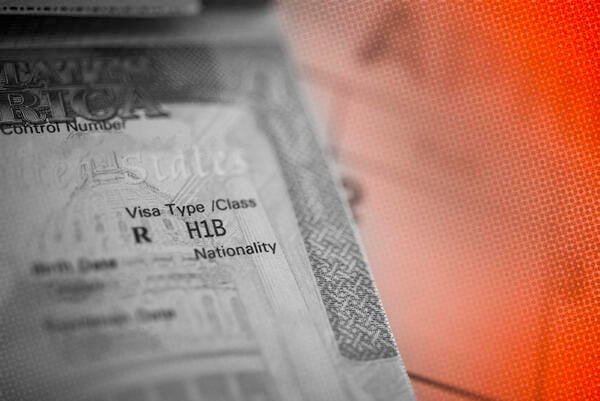
President Trump signed a proclamation adding a $100,000 fee to new H-1B visa applications for skilled foreign workers, aiming to curb the program's perceived abuse and reduce reliance on foreign labor, especially in the tech industry, amid ongoing debates about its impact on American workers.
The Trump administration plans to impose a $100,000 fee on H-1B visa applications, targeting companies like Amazon and Google that rely on the program to hire skilled foreign workers, amid ongoing debates over the program's impact on American workers and wage levels.
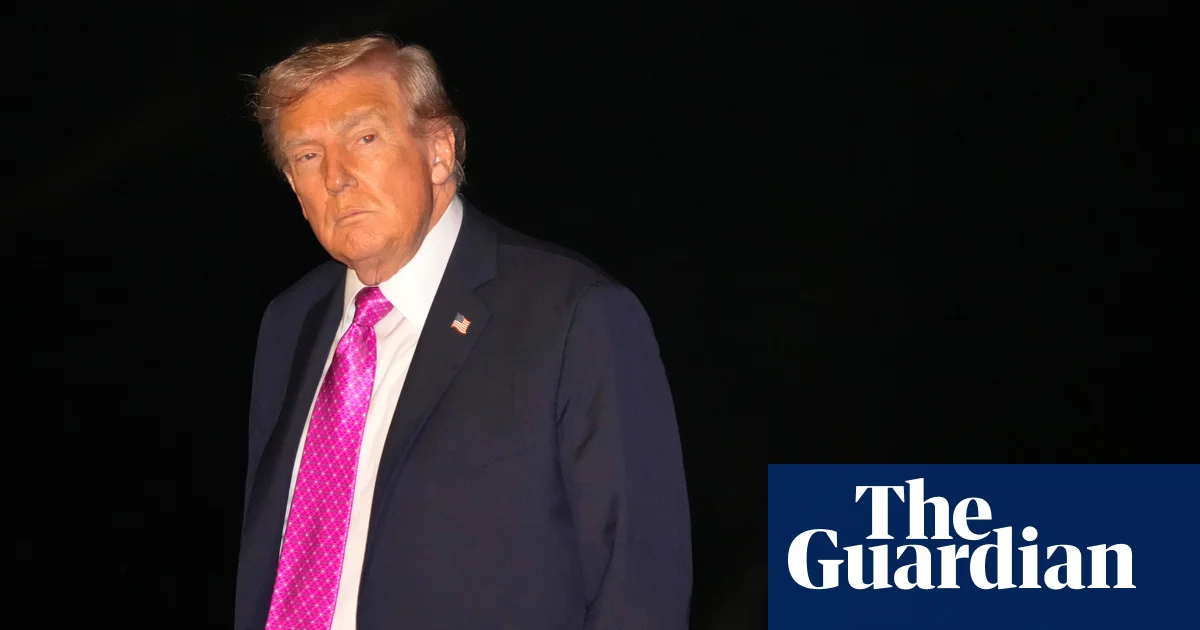
President Trump expressed that foreign workers are welcome in the US and emphasized the importance of international expertise, following a large raid on South Korean workers in Georgia that drew criticism and concern over immigration policies.
A federal immigration raid at a Hyundai-LG battery plant in Georgia led to the detention of 475 mostly South Korean workers, raising concerns among foreign companies operating in the US about legal compliance and future enforcement actions, amid broader US immigration crackdowns.
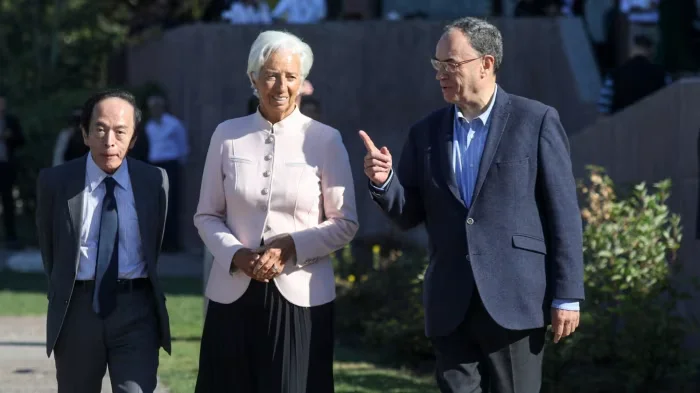
Top central bankers from Japan, Europe, and the UK warn that aging populations in rich economies will require increased immigration of foreign workers to sustain economic growth and stabilize prices, as low birth rates and longer lifespans lead to labour shortages and higher dependency ratios, with implications for inflation and productivity.