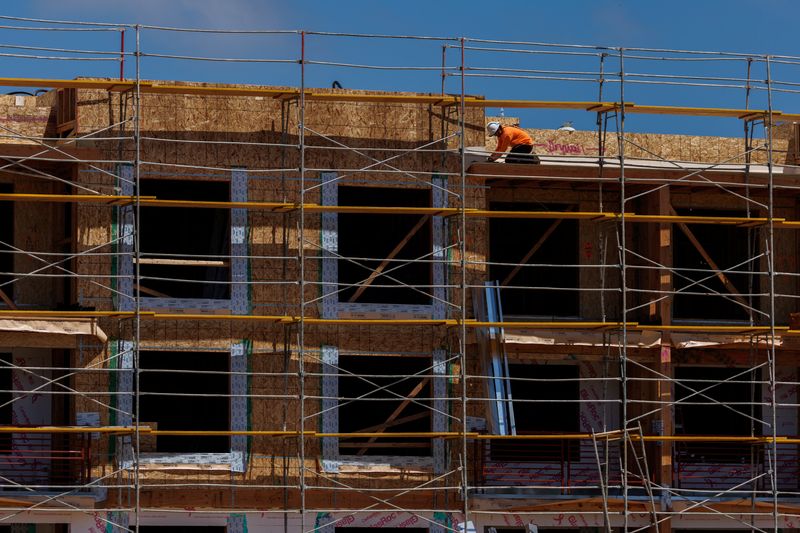
U.S. homebuilder sentiment rose to an eight-month high in December, reaching 39 on the NAHB/Wells Fargo index, but activity remains limited by rising construction costs due to tariffs and economic uncertainty, with builders offering incentives and price reductions amid a sluggish housing market.
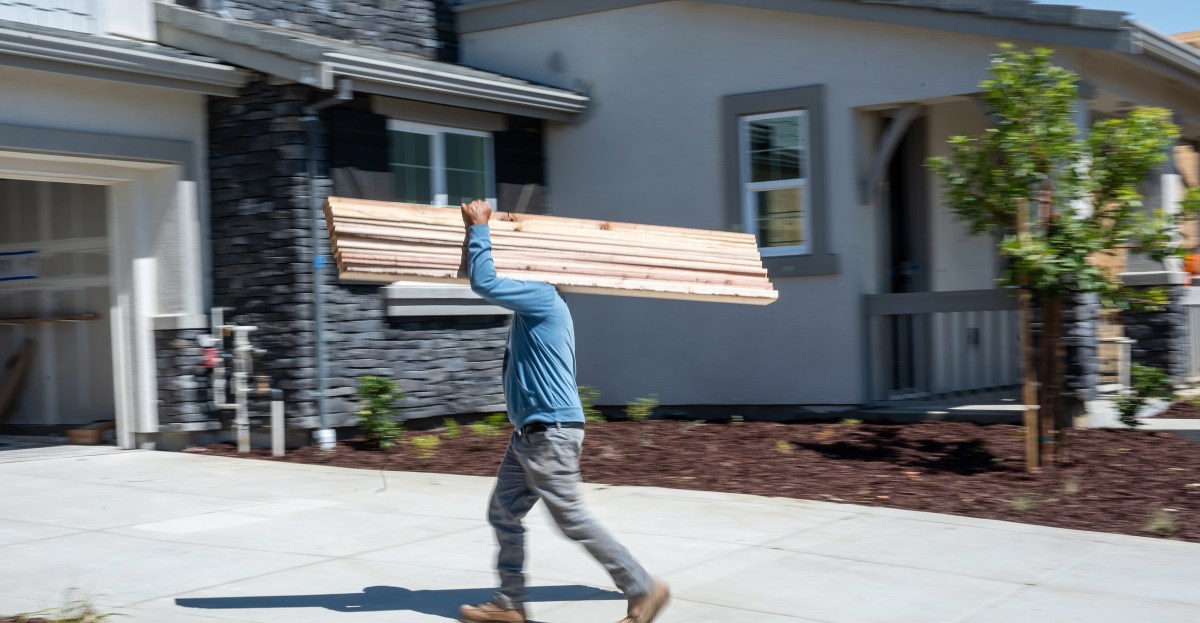
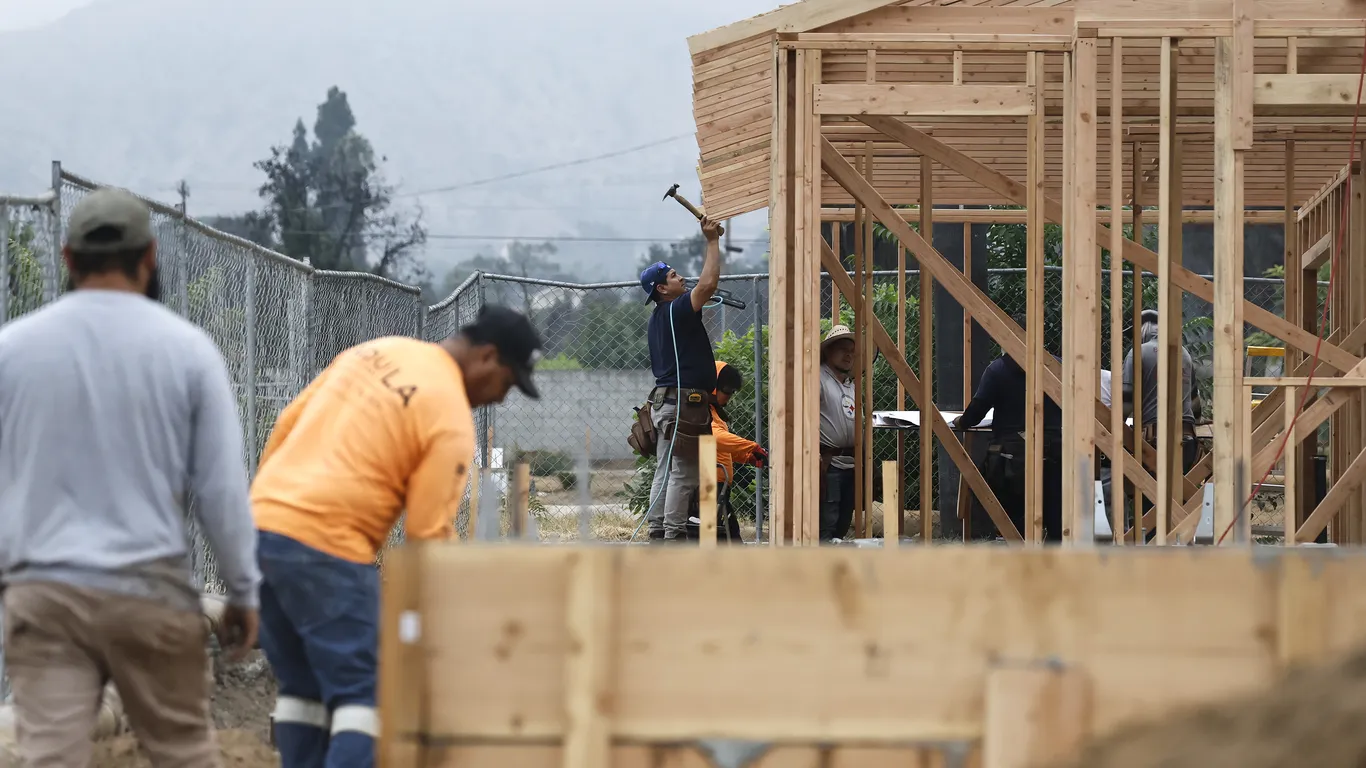
Labor shortages, tariffs, and rising costs are significantly impacting the homebuilding industry, leading to a projected decline in single-family housing starts and increased construction expenses, while multifamily construction remains strong.
New tariffs imposed by President Trump on building materials are expected to significantly increase the cost of home construction in the US, exacerbating the country's severe housing shortage and homelessness crisis.
New tariffs imposed by President Trump on imported building materials are significantly increasing construction costs, exacerbating the US housing crisis by making homes more expensive and limiting affordability amid a severe shortage of housing and rising homelessness.
Treasury Secretary Scott Bessent indicated that President Trump might consider tariff exclusions on construction supplies and declare a housing emergency to address the stalled housing market, which is affected by high costs, interest rates, and supply shortages, with potential measures including standardizing building codes and reducing closing costs.
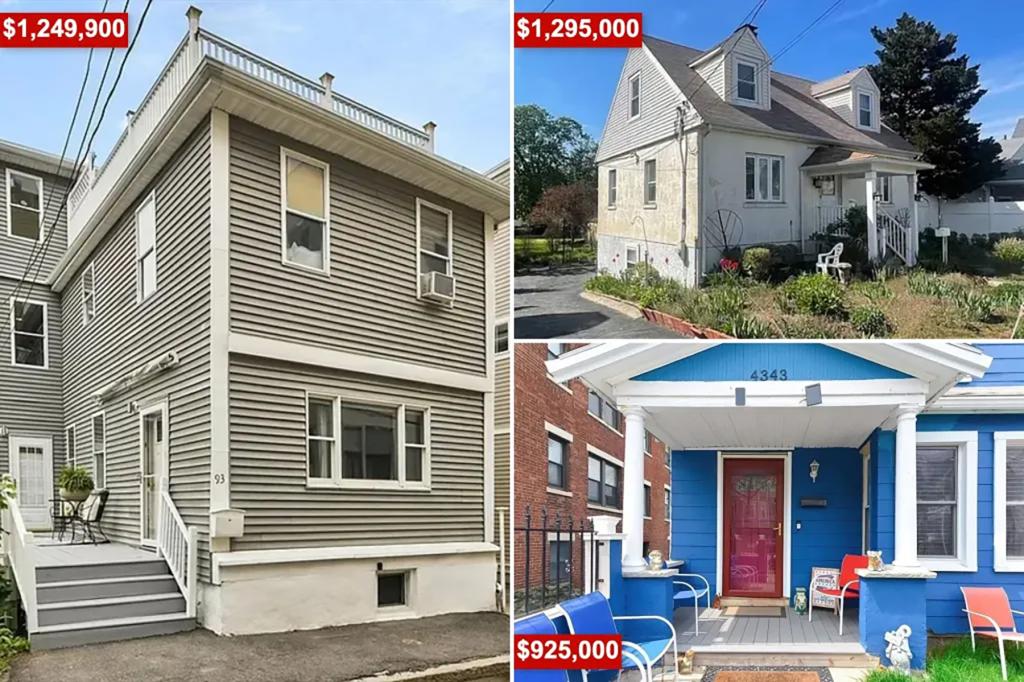
Boston is on the verge of becoming the next US city where the average family home costs $1 million, driven by soaring construction costs, high demand, and limited supply. The median sale price for a single-family home in Greater Boston recently hit $950,000, and experts predict it could reach $1 million this year. Rising interest rates and a lack of new inventory are exacerbating the situation, making homeownership increasingly unattainable for many.
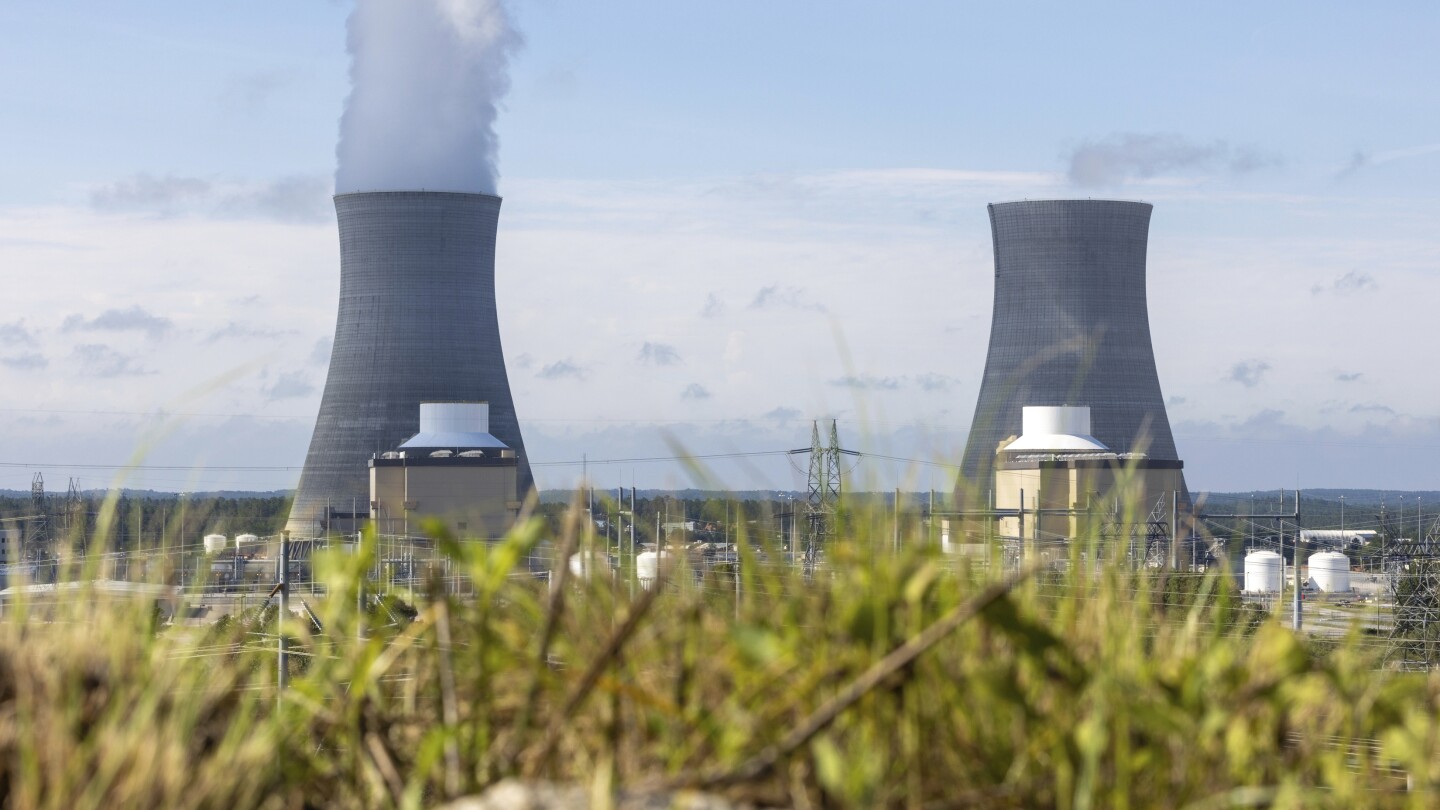
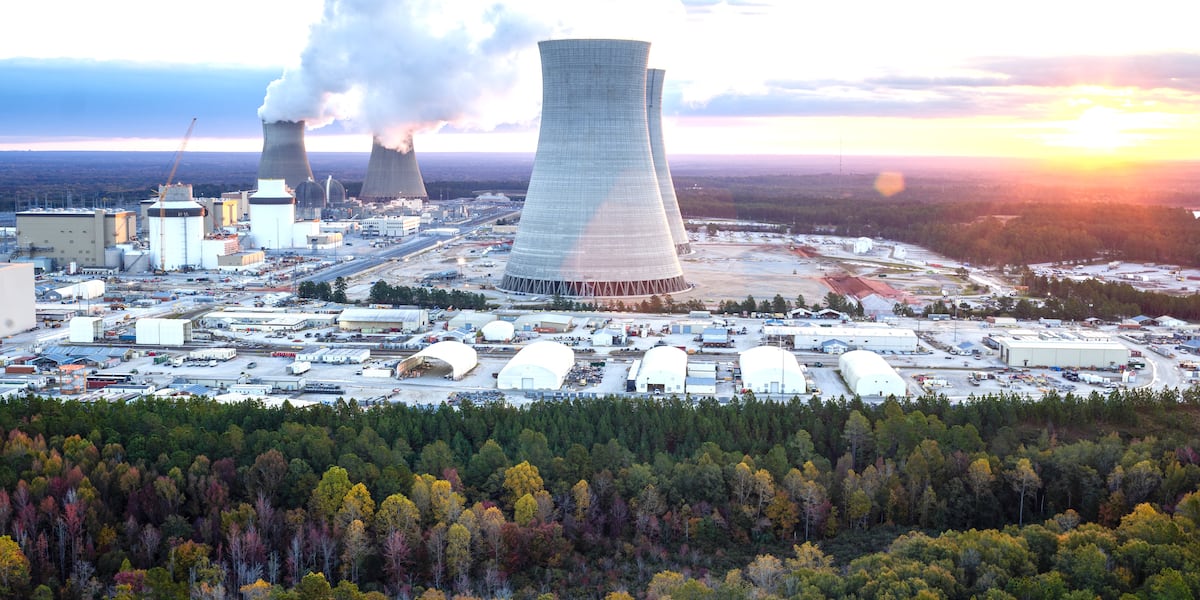
Georgia Power Co. announced that vibrations in the cooling system of its second new nuclear reactor at Plant Vogtle will delay the unit's commercial operation until the second quarter of 2024. The utility faces potential profit losses and extra construction costs due to the delay, with regulators imposing restrictions on additional returns. The total cost of the Vogtle reactors is projected to near $35 billion, significantly higher than the initial estimate, raising concerns about the economic viability of pursuing nuclear power.
The Georgia Public Service Commission has unanimously approved a rate increase for Georgia Power customers to help the utility recover costs for the new units at Plant Vogtle. The rate hike, previously negotiated between the commission's staff and Georgia Power, will cover the utility's share of $10.2 billion in construction costs for Units 3 and 4 at the nuclear power plant. The project, which is seven years late and billions over budget, has a total cost of $31 billion for Georgia Power and three other owners. The rate increase will take effect when Unit 4 goes into operation in the first quarter of 2024. The agreement also expands Georgia Power's Income Qualified Senior Discount to include more households.
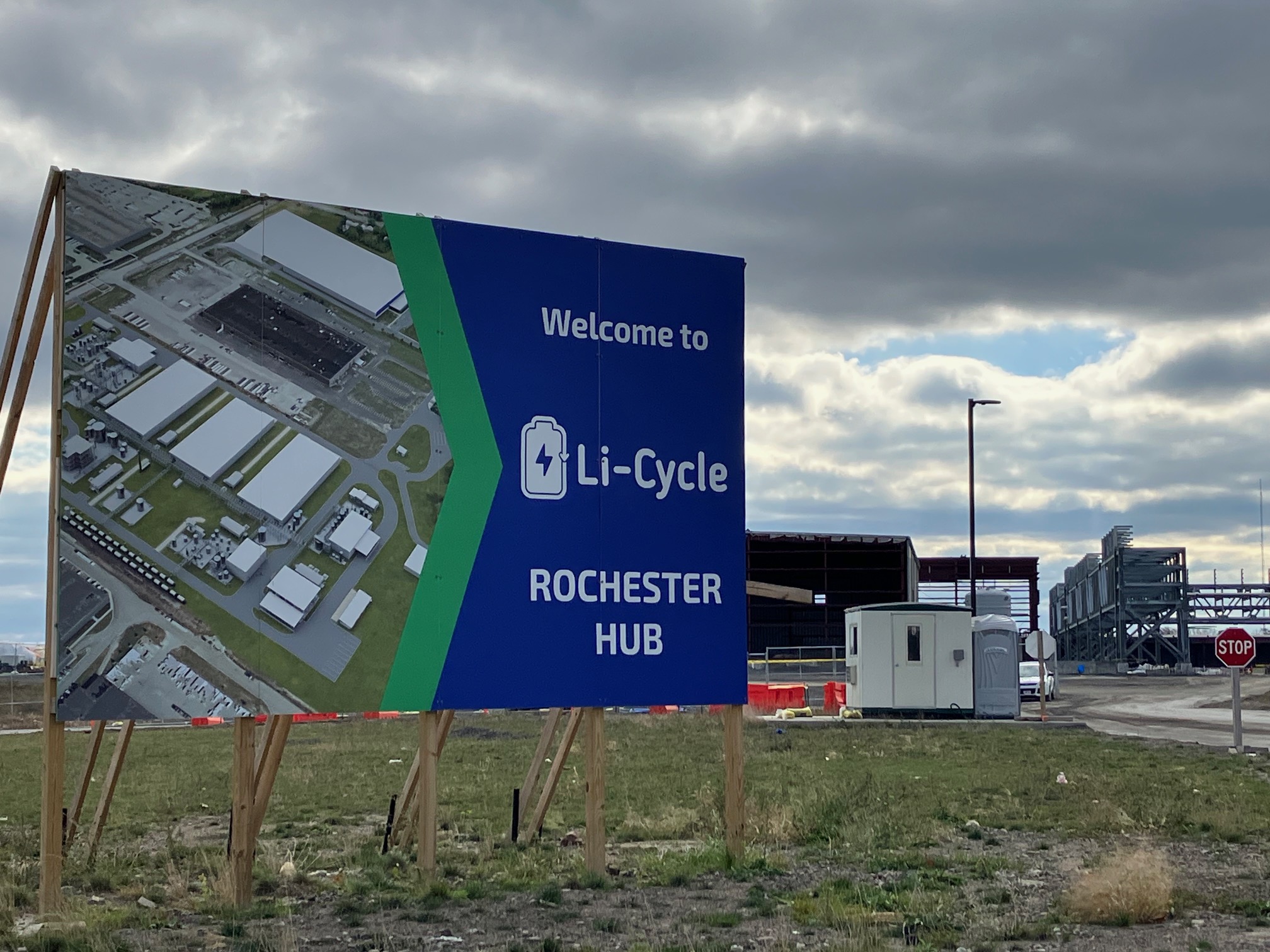
Li-Cycle, a lithium-ion battery recycling company, is facing financial troubles with paltry revenue, disproportionate spending, and mounting debt. Financial analyst George Conboy predicts that the company may go bankrupt within six months. Li-Cycle's Rochester Hub, a battery recycling facility, may never be completed due to escalating construction costs. The company is seeking additional financing and time to secure a conditional loan from the Department of Energy. Li-Cycle has hired an investment banking firm to evaluate financing and strategic alternatives, indicating a potential bankruptcy filing. An impairment assessment revealed a $96.5 million write-down on the Rochester Hub, suggesting a lack of value in the project. Li-Cycle's future in Rochester appears bleak, and its stock has fallen. A class-action lawsuit has been filed against the company for alleged misleading statements.
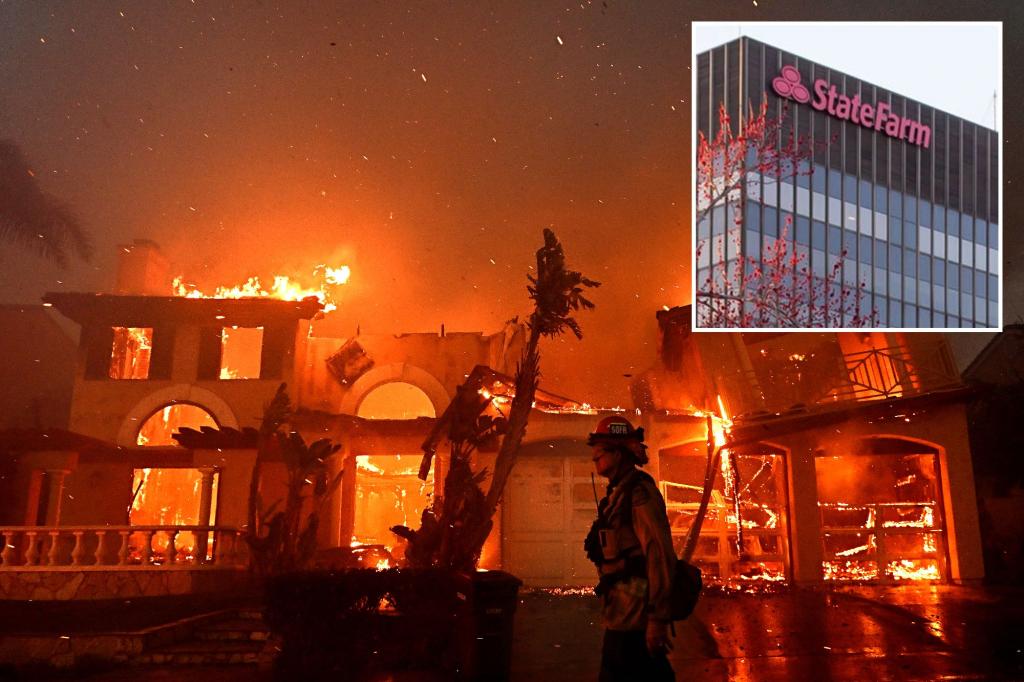
State Farm Insurance has stopped offering new home insurance policies in California due to rising wildfire risks and construction costs. The decision was made to improve the company's financial strength and does not affect those already with homeowners insurance policies. California has seen more frequent and intense wildfires, and experts warn that this season's wildfire activity could be especially extreme. Insurance companies have been cutting back on their homeowner policies in the state due to losses caused by wildfires. California's insurance commissioner has imposed a mandatory one-year moratorium on insurance companies canceling or refusing to renew certain residential insurance policies after a state of emergency is declared due to a wildfire disaster.
State Farm will no longer offer home insurance to new customers in California due to the state's wildfire risks and rising construction costs. The company cited "historic increases in construction costs outpacing inflation, rapidly growing catastrophe exposure and a challenging reinsurance market" as reasons for the decision. State Farm will continue to serve existing customers and work with lawmakers to build up market capacity in the state.
State Farm has stopped accepting new home insurance sales in California due to the state's wildfire risks and rising construction costs. The decision does not affect existing auto insurance policies. California has seen an average of over 7,000 wildfires each year, consuming over 2 million acres, over the past five years. State Farm is the largest provider of auto and home insurance in the US and will work with the California Department of Insurance and lawmakers to build up market capacity in the state.
State Farm General Insurance Company will no longer accept new applications for property insurance and other policies in California due to historic increases in construction costs and wildfire risks. The move doesn't affect personal vehicle insurance. The company said the actions are necessary to improve its financial strength, while State Farm agents in California will continue to serve existing customers. The California Department of Insurance said the factors driving State Farm's decision are beyond its control, including climate change, reinsurance costs, and global inflation.
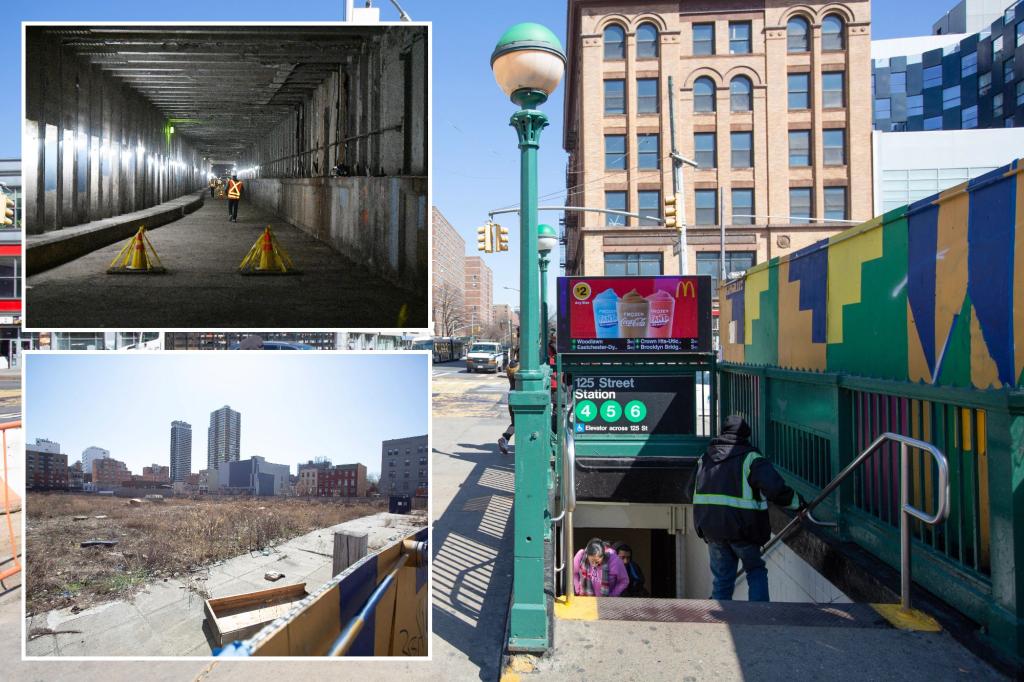
The Metropolitan Transportation Authority (MTA) is spending billions of dollars more than necessary to extend the Second Avenue Subway to East Harlem due to design decisions for building stations twice as big as necessary, according to a New York Post investigation. The MTA plans to spend $7 billion, a figure that could grow to $7.7 billion, while similar projects in European cities could be built for just $2-$2.3 billion. The MTA's overspending leaves New York unable to afford major subway expansions, even as it struggles with high traffic and asthma rates.
Home builder sentiment in the US rose for the third consecutive month in March, according to the National Association of Home Builders/Wells Fargo's gauge of builder sentiment. The index increased by two points to 44, beating analysts' expectations of 40. However, readings under 50 indicate that a larger proportion of builders see conditions as "poor" than those who see them as "good". Builders continue to report strong pent-up demand, but are dealing with high construction costs and material supply chain disruptions. The cost and availability of housing inventory remains a critical constraint for prospective home buyers.