Tag

Coastal Communities

All articles tagged with #coastal communities

environment7 months ago

Scientists warn of irreversible climate impacts threatening coastlines and oceans

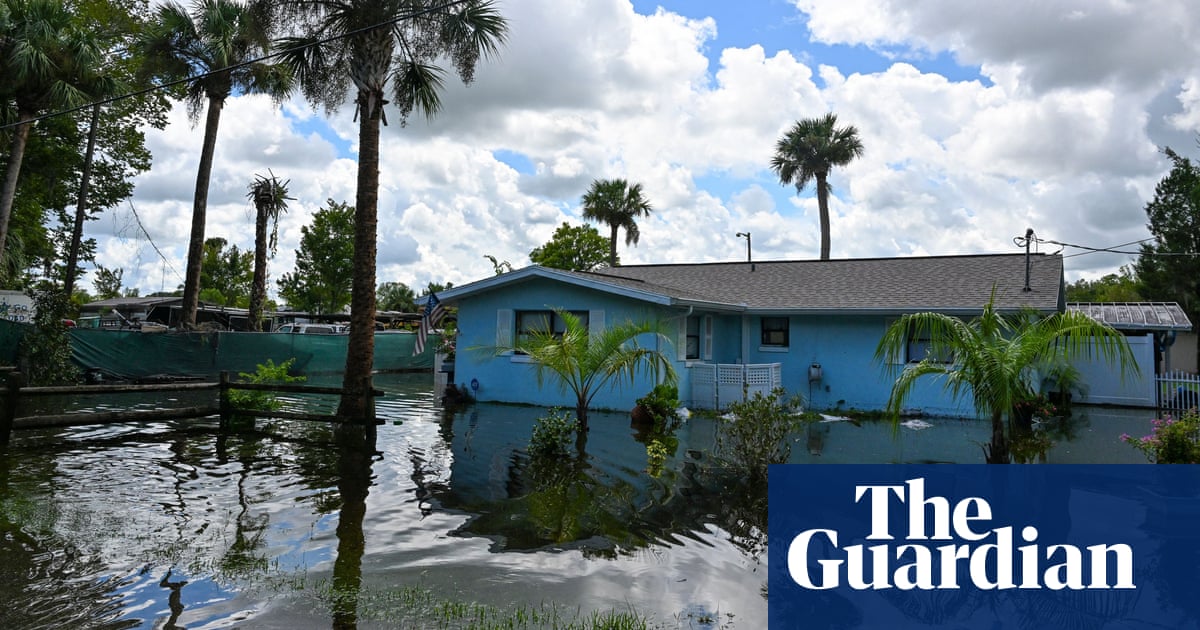
A new study warns that despite climate initiatives, the melting of Greenland and Antarctic ice sheets is accelerating, leading to rising sea levels that threaten coastal communities worldwide, with potential irreversible impacts on human timescales. The study emphasizes that even a 1.5°C temperature increase could cause several meters of sea-level rise over centuries, and current efforts may not be enough to prevent catastrophic consequences.
environment1 year ago

NOAA Predicts Record-Breaking Hurricane Season for 2024

The National Oceanic and Atmospheric Administration predicts an "above normal" 2024 Atlantic hurricane season due to very warm ocean temperatures and La Niña conditions, with an 85% chance of increased storm activity. Scientists warn of potential natural disasters, particularly affecting coastal and low-income communities. NOAA forecasts 17-25 named storms, including 8-13 hurricanes and 4-7 major hurricanes. Experts urge policymakers to invest in climate resilience and reduce emissions to mitigate future risks.

weathernatural-disasters2 years ago

Maine Coastal Communities Grapple with Storm Damage

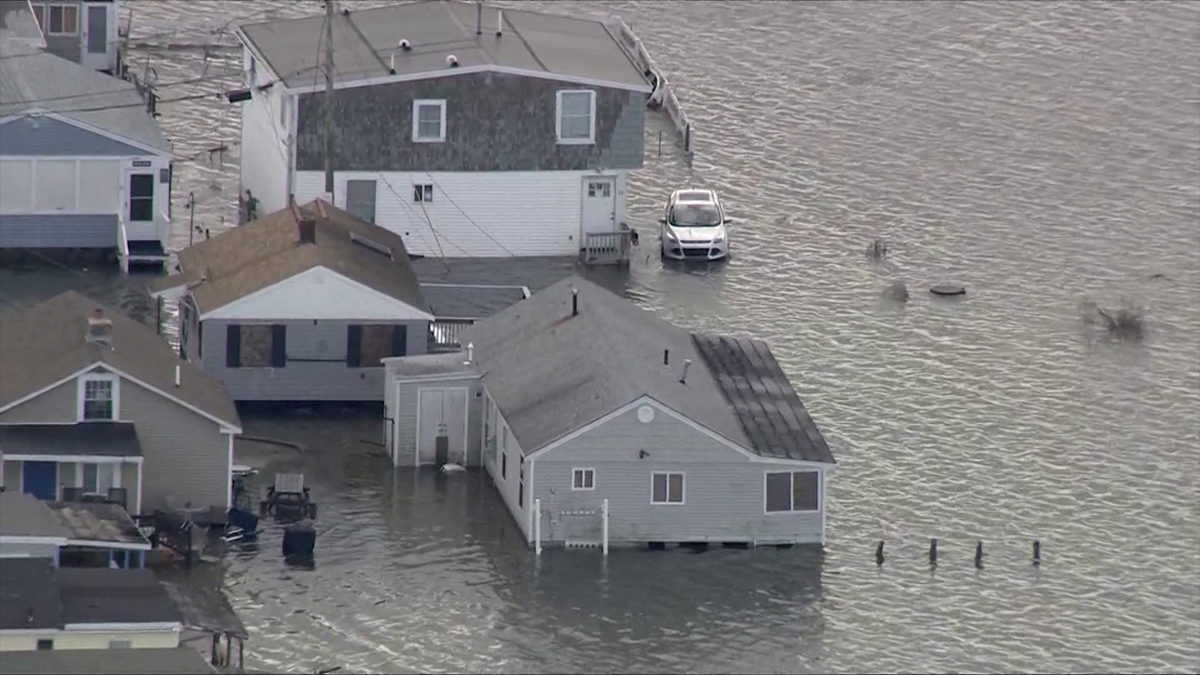
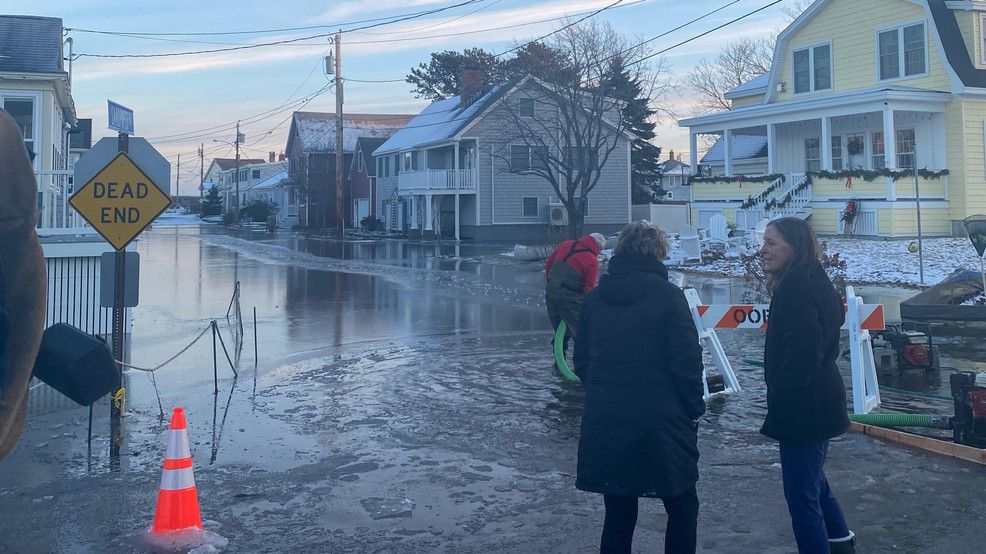
Old Orchard Beach residents are still dealing with extensive flooding and damage from the recent storms, with some neighborhoods near the ocean remaining underwater. The force of the water has left residents stranded and caused significant damage to homes and garages. The storm also pushed benches off the beach and into shrubs, leaving behind a mess for residents to clean up. The saturated ground from previous snow made it difficult for the water to drain, adding to the challenges faced by coastal communities in Maine.

natural-disasters2 years ago

"Hampton, NH Declares Emergency as Extreme Flooding Hits Seacoast"

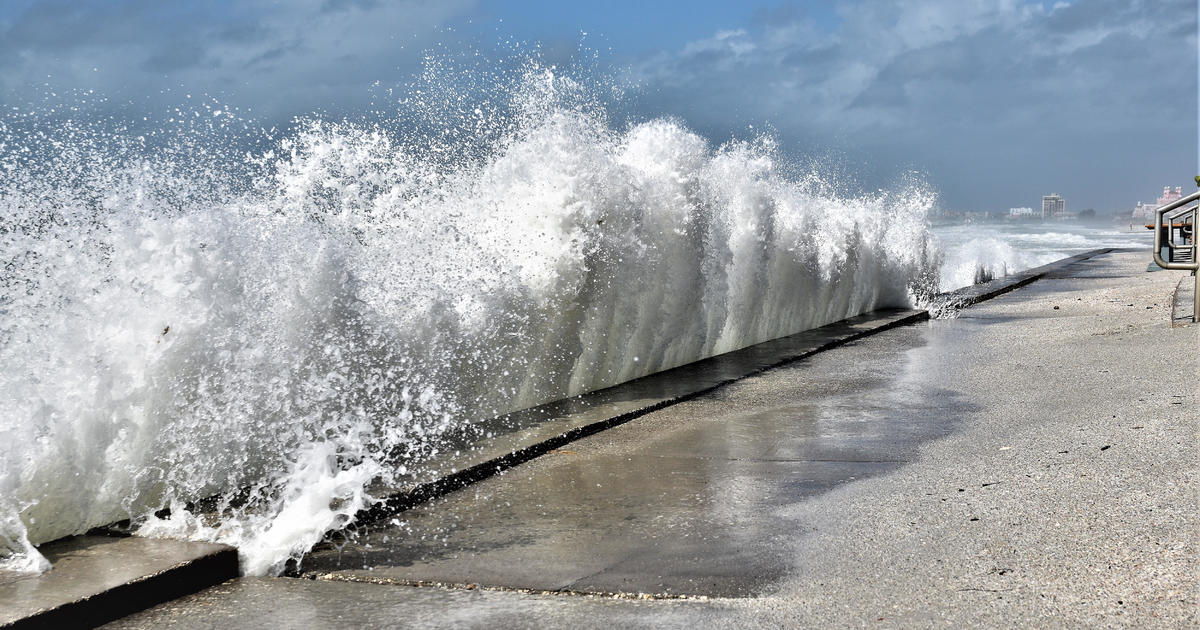
Extreme flooding in coastal New Hampshire prompted a police emergency declaration in Hampton, with neighboring communities also affected. High seas and flooding led to road closures, concerns about structural damage to homes, and the establishment of an evacuation shelter. The National Weather Service issued a coastal flood warning for the region, with significant beach erosion and a serious threat to property.

environment2 years ago

"Uncovering the Sinking Reality of America's East Coast Cities"

Subsidence, caused by factors like groundwater extraction and sediment settling, is causing the land along America's Atlantic Coast to sink at a faster rate than sea-level rise, posing a significant threat to coastal communities and infrastructure. The study highlights the mounting costs and risks associated with subsidence, with areas like Virginia Beach, Baltimore, and NYC particularly at risk, and emphasizes the potential impact on levees, population, and property.

weather2 years ago

"Coastal Storm Ravages Maine, Leaving Thousands Without Power"

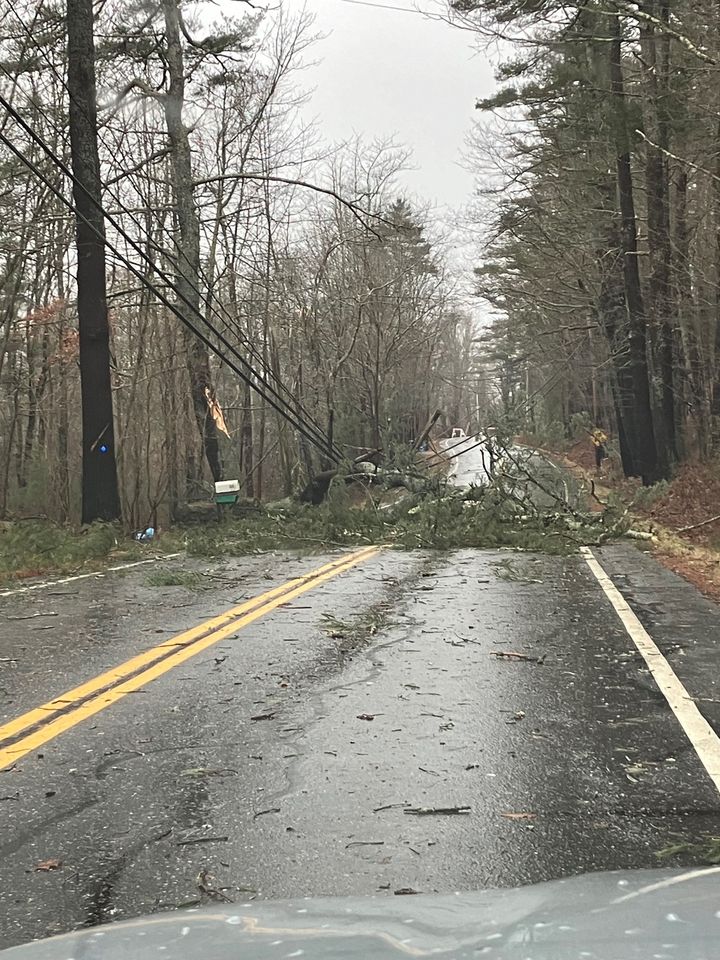
A powerful storm with gusty winds and heavy rain caused widespread power outages across the Midcoast region of Maine, leading to the closure of schools and blocked roads. Brunswick and SAD 75 district schools dismissed students early as outages became more widespread. Several towns, including Phippsburg, Bowdoin, Bowdoinham, Georgetown, Arrowsic, and Woolwich, were completely without power. Harpswell and Topsham also experienced significant outages. Crews are working to restore electricity and clear debris.

climate-change2 years ago

Impending Threat: Yearly 100-Year Floods Forecasted

A new study warns that most coastal regions could face 100-year floods annually by the end of the century, even if CO2 emissions peak by 2040. Rising sea levels due to climate change are causing these severe flooding events to become more frequent. The study found that under a moderate scenario where emissions peak by 2040, most coastal communities will encounter 100-year floods annually by the end of the century. Additionally, regions worldwide could experience 100-year floods every nine to fifteen years on average by 2050. The study highlights the need for proactive land planning, urban development, and coastal protective measures to mitigate the increasing flood risks.

climate-change2 years ago

Global Floodplains: A Growing Threat to Humanity

A new study predicts that most coastal communities will experience 100-year floods annually by the end of the century, even under a moderate scenario where carbon dioxide emissions peak by 2040. By 2050, regions worldwide could face 100-year floods every nine to fifteen years on average. The study emphasizes that historical trends will no longer accurately predict future floods due to sea level rise caused by climate change. Engineers and communities need to update their approaches to land planning and coastal protective measures to mitigate the increasing risk of flooding.

environment2 years ago

UN warns of devastating impact of sand dredging on ocean floor

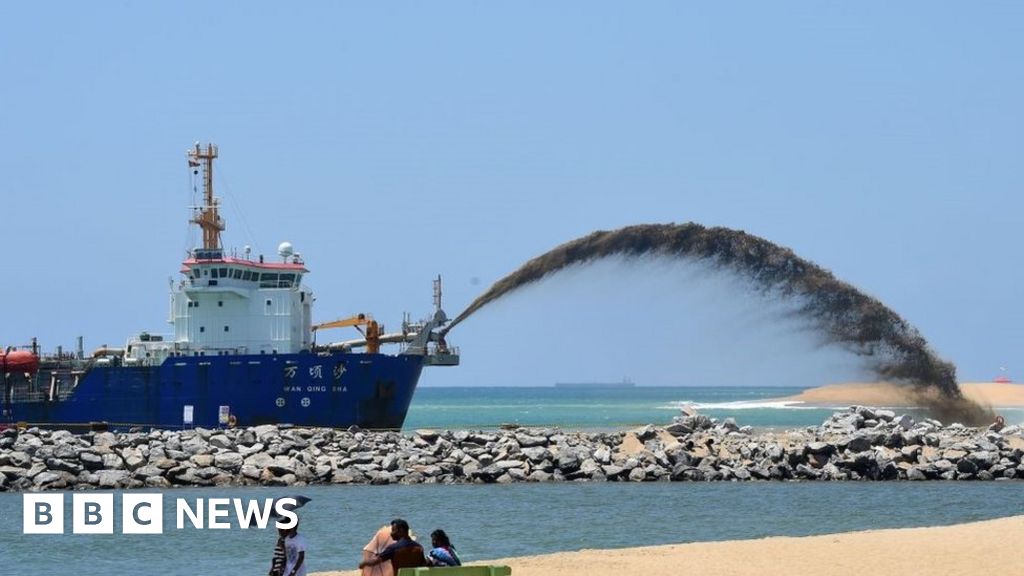
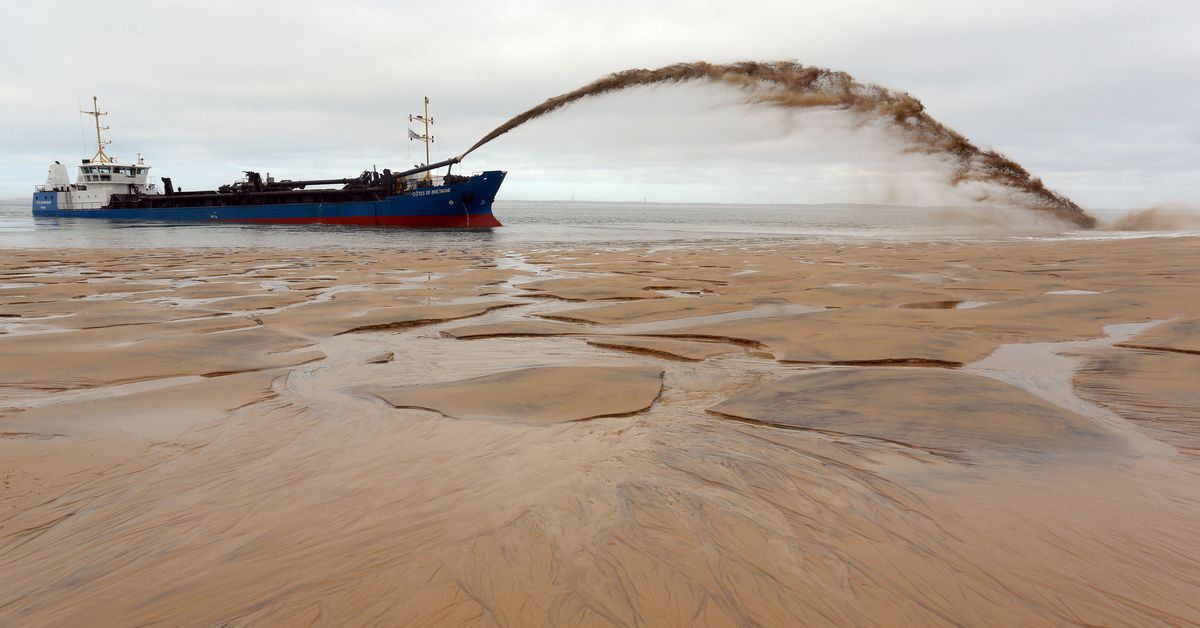
The UN Environment Programme (UNEP) has warned that around six billion tonnes of sand are dredged from the world's oceans each year, posing a threat to marine life and coastal communities. Sand is the second most exploited natural resource after water and is used in the production of concrete and glass. The UNEP's new analysis tool, Marine Sand Watch, monitors dredging activities using marine tracking and artificial intelligence. The scale of environmental impacts is alarming, with large vessels sterilizing the ocean floor and destroying microorganisms that fish feed on. The UNEP recommends banning sand dredging from beaches to protect coastal resilience and economies.

environment2 years ago

Global Map Reveals Alarming Scale of Sand Mining Crisis

The United Nations Environment Programme (UNEP) has warned that the extraction of sand from marine environments is reaching unsustainable levels, with an average of 6 billion tons of sand being dredged annually. This excessive sand mining is driven by the demand for concrete, glass, and artificial shorelines, putting immense pressure on marine life and coastal communities. UNEP's data platform, Marine Sand Watch, utilizes artificial intelligence and vessel tracking to monitor sand mining globally. China and the East Coast of the US are identified as areas with intense sand dredging, which could impact renewable energy projects like offshore wind turbines.

climate-change2 years ago

"Biden's Bay Area Trip: $600M Climate Investments and Campaign Stops"

President Biden will announce over $600 million in climate investments during his three-day trip to the Bay Area, including a $575 million "Climate Resilience Regional Challenge" to help coastal and Great Lakes communities become more resilient to extreme weather and other impacts of the climate crisis. The funding will support building natural infrastructure, protecting public access to coastal natural resources, and other measures aimed at protecting communities from storm surge, flooding, and rising sea levels. Biden will also announce a White House Summit on Building Climate Resilient Communities later this year.

climate-resilience2 years ago

Biden administration invests $2.6 billion in coastal climate resilience.

The Biden-Harris Administration has announced a $2.6 billion framework to invest in coastal resilience through President Biden’s Investing in America Agenda. The initiative will support communities and people on the frontlines of climate change, dedicating nearly $400 million specifically for Tribal priorities and benefiting coastal and Great Lakes communities nationwide with an emphasis on environmental justice. The investment will help ensure communities, especially Tribes and vulnerable populations, have the resources and support needed to prepare, adapt and build resilience to weather and climate events as well as strengthen workforce development, marine resources, nature-based solutions, conservation, regional partnerships and Tribal priorities.

environment2 years ago

Coastal Species Thrive on Great Pacific Garbage Patch

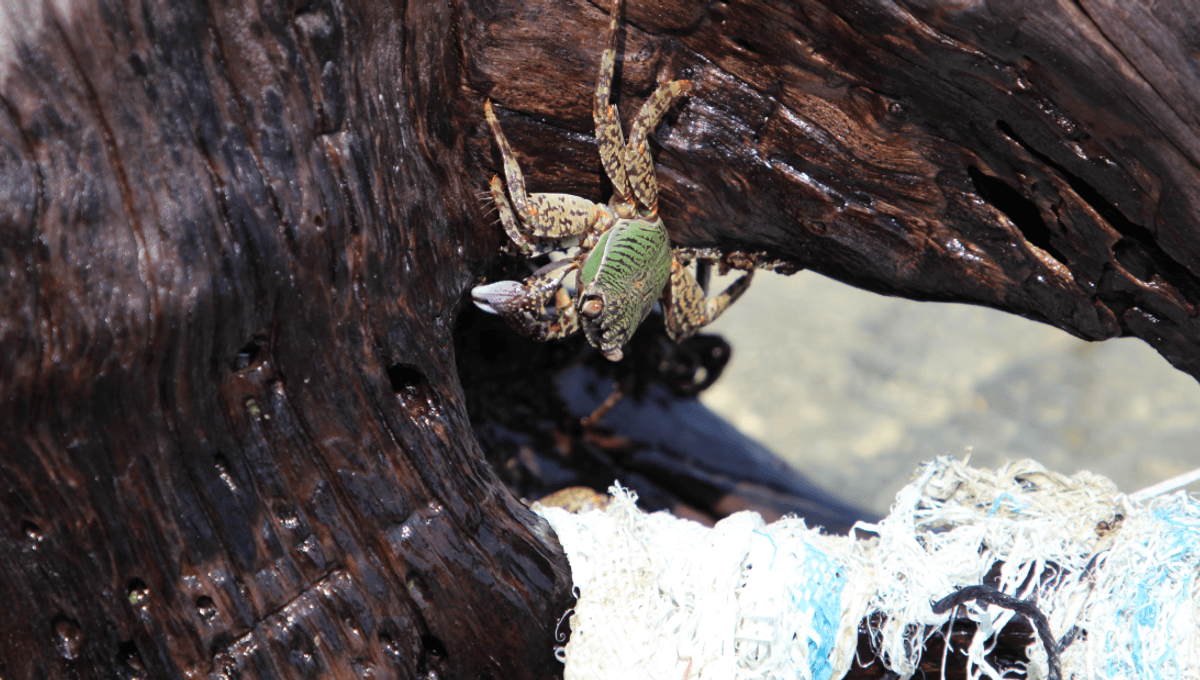
Coastal species are thriving on floating islands of human trash, including the Great Pacific Garbage Patch, and may become a permanent part of the open ocean ecosystem. Researchers found that 70.5% of debris collected from trash islands was home to living coastal species, including 484 different marine invertebrate organisms. The researchers suggest that these trash islands represent a new type of ecosystem, called "neopelagic communities", made possible by the plastisphere, and could have implications for shifts in species dispersal and biogeography at broad spatial scales.

climate-change2 years ago

"Alarming Rates of Sea Level Rise Threaten U.S. Coasts"

A new study published in Nature Communications found that sea level rise along the Southeast and Gulf coasts of the US has hit "unprecedented" rates since 2010, increasing by about half an inch every year, which is three times higher than the global average. The acceleration is a widespread signal that extends from the coasts of the Gulf of Mexico up to Cape Hatteras in North Carolina and into the North Atlantic Ocean and Caribbean Seas, which is indicative of changes in the ocean's density and circulation. The faster rate of sea level increase means that these areas have been made more susceptible to flooding and storm damage, and could see "accelerating land loss in the most vulnerable settings," scientists said.

environment2 years ago

Alarming Acceleration of Sea Level Rise in Southern U.S. Coastlines

Scientists have observed a significant surge in sea levels along the US Gulf and southeastern coastlines since 2010, raising concerns about the vulnerability of coastal communities to rising seas. The acceleration could have far-reaching consequences, potentially putting a large swath of America at greater risk from severe storms and flooding. The increase has already had major effects, with recent devastating hurricanes made considerably worse by a faster-rising ocean. The rapid sea level rise appears to start in the Gulf of Mexico, which has been warming far faster than the global ocean.