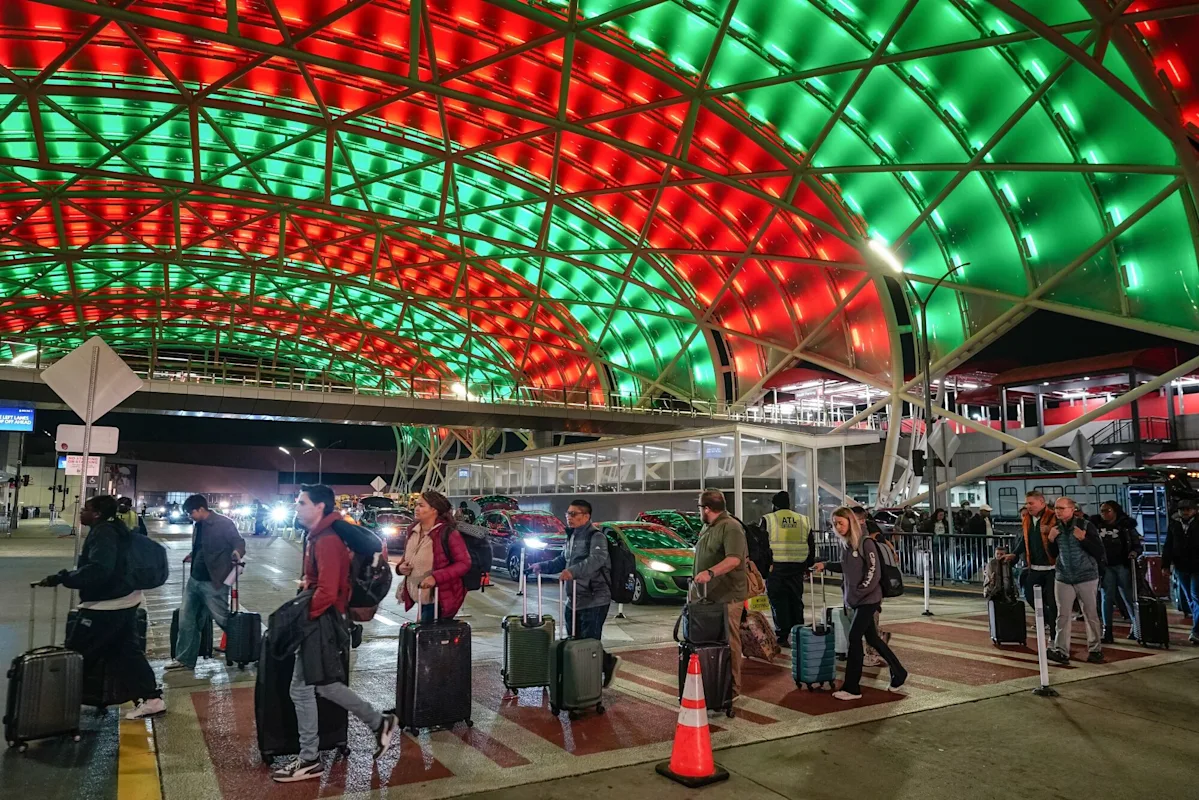
Severe storms across the US coasts and Midwest are causing widespread travel disruptions during the busy holiday season, with over 1,600 flights canceled and major airports affected by snow, rain, and flooding, compounded by the return of La Niña weather patterns.
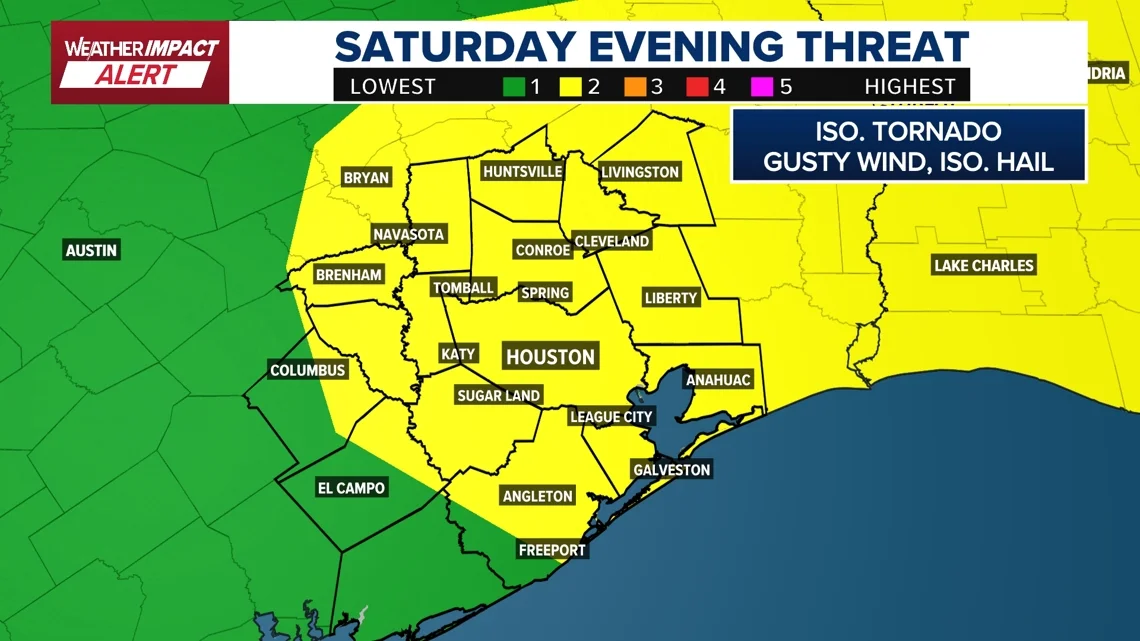
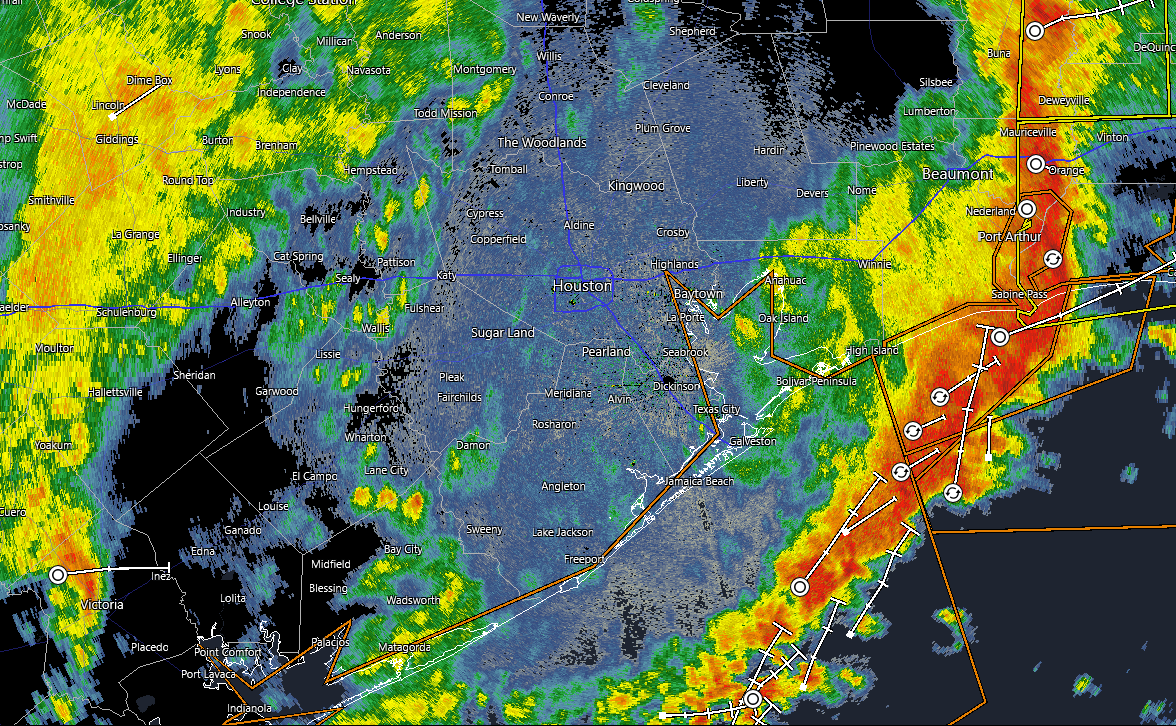
Houston experienced its first round of storms overnight, with scattered showers expected during the day and a second line of storms forecasted for Saturday night into early Sunday, bringing potential heavy rain, damaging winds, hail, and a slight tornado risk, followed by calmer, pleasant weather early next week.
Severe storms in the Chicago area caused flooding, road closures, and power outages affecting thousands, with ongoing recovery efforts and weather warnings for upcoming severe weather.
Minnesota faces ongoing flash flooding threats as additional storms are expected to bring heavy rain and strong winds, especially impacting areas already saturated from previous storms, including the Twin Cities and central Minnesota, with potential for significant rainfall through Monday.
Minnesota and Wisconsin are forecasted to experience multiple rounds of heavy rain and potential severe storms from Thursday through Monday due to a stalled frontal boundary, with models indicating the possibility of significant rainfall and severe weather, especially in northwestern Minnesota and the Twin Cities area.
Storms brought heavy rain to parts of Iowa overnight, especially along the US 30 corridor and nearby areas, with some locations receiving over 2 inches, while others saw minimal rainfall; totals vary widely across the state.
Strong storms in eastern Nebraska caused one death, injured another, and displaced hundreds of inmates at the Nebraska State Penitentiary, while also damaging property and causing power outages across the region, with additional severe weather expected in the Midwest.
Strong thunderstorms and heavy rainfall are expected to impact the Midwest and Southeast this weekend, with risks of flash flooding and damaging winds, while the Southwest faces record-breaking heat with temperatures exceeding 110°F in some areas.
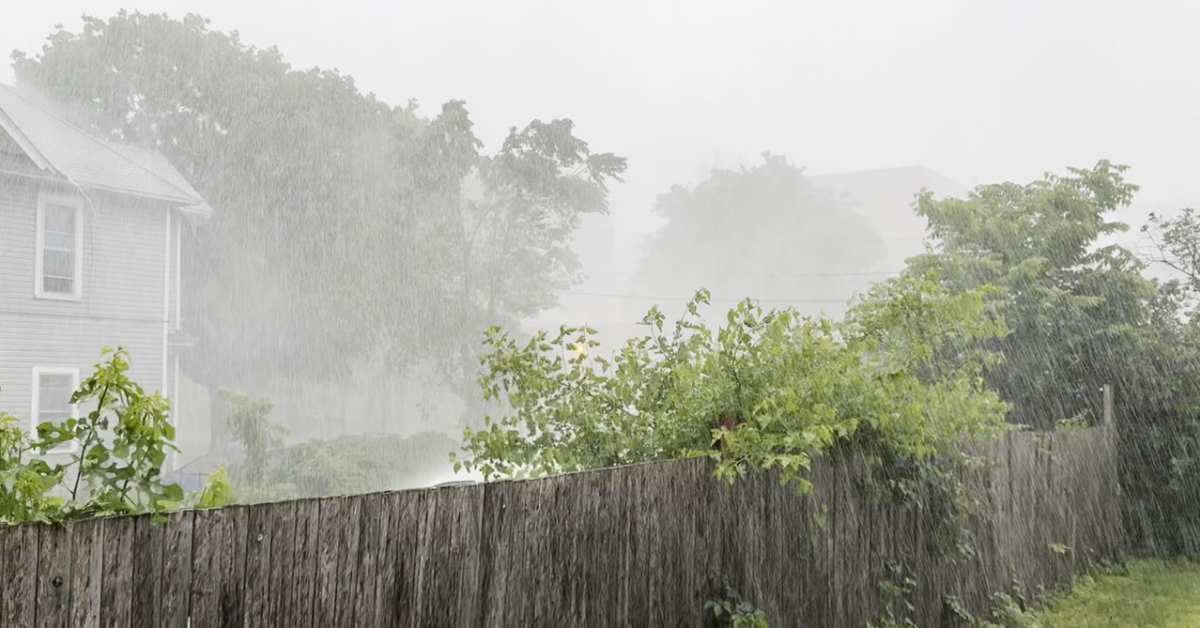
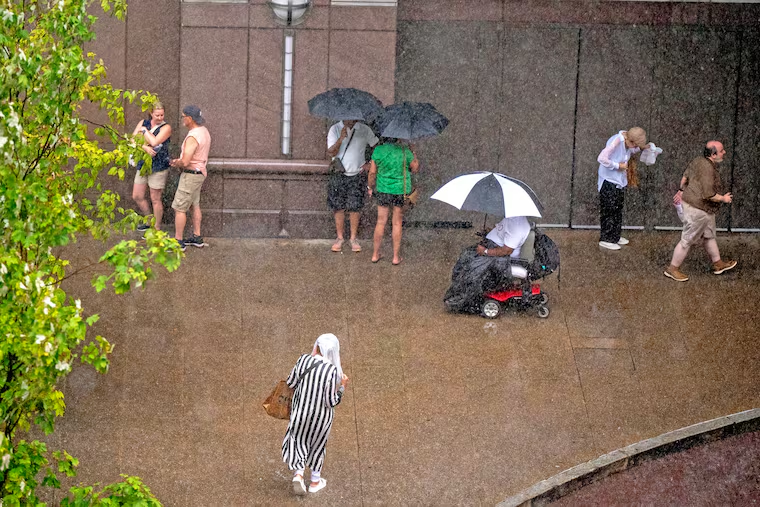
A cold front brought storms to the Philadelphia area, causing heavy rain, flooding, and warnings, with up to 7 inches of rain in some spots, but relief from the heat is expected over the weekend with cooler, dry weather.
Severe storms with hurricane-force winds swept across Minnesota for a second night, causing widespread damage to trees and power lines, leaving about 80,000 Xcel Energy customers without power, with additional storm damage reported in western Wisconsin and Iowa.
Severe storms in Minnesota caused extensive damage and power outages, with around 38,000 still without power as of Monday morning, and more storms, possibly a dangerous derecho, are forecasted.
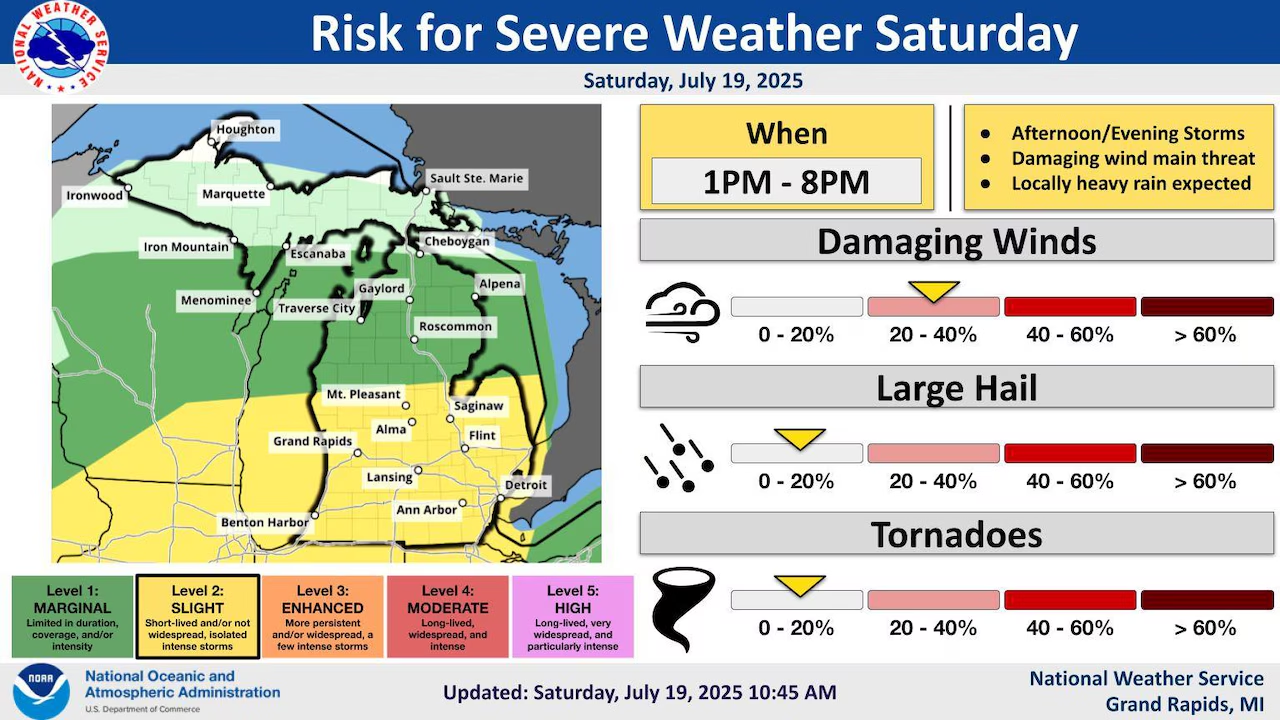
A storm crossing Lake Michigan is expected to bring high winds up to 60 mph, heavy rain, and potential severe weather to Michigan, particularly between 1 p.m. and 8 p.m., with the main threat being damaging winds and localized flooding.
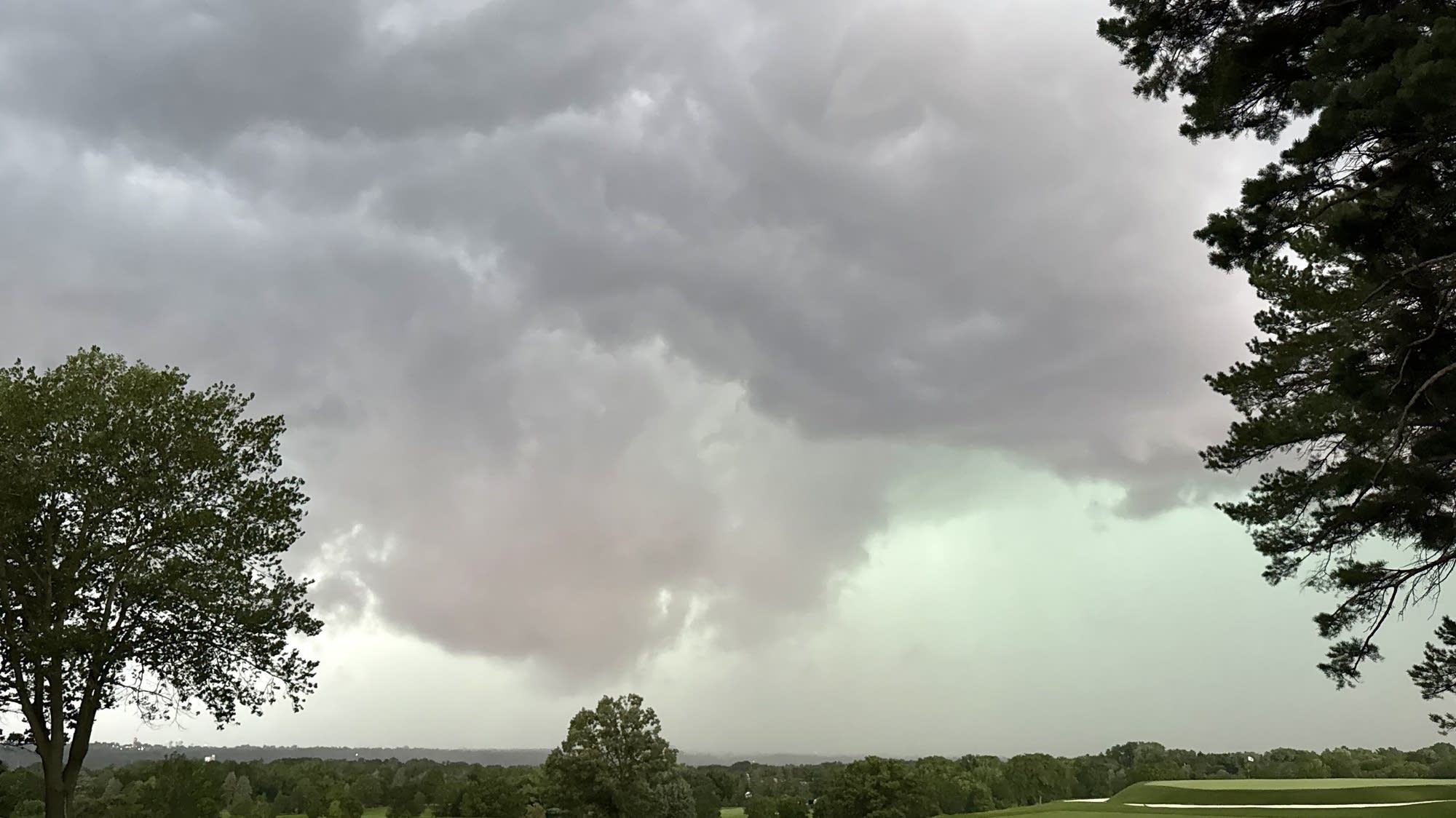
Storms are expected to bring wind and hail to Minnesota on Monday, but they may weaken before reaching the Twin Cities, with the strongest activity likely in western Minnesota. The storms could be severe, especially in western parts of the state, with the Twin Cities experiencing the remnants of these storms between 6-9 p.m. The weather outlook includes a marginal risk of severe weather in Minnesota, with higher risks in neighboring states.
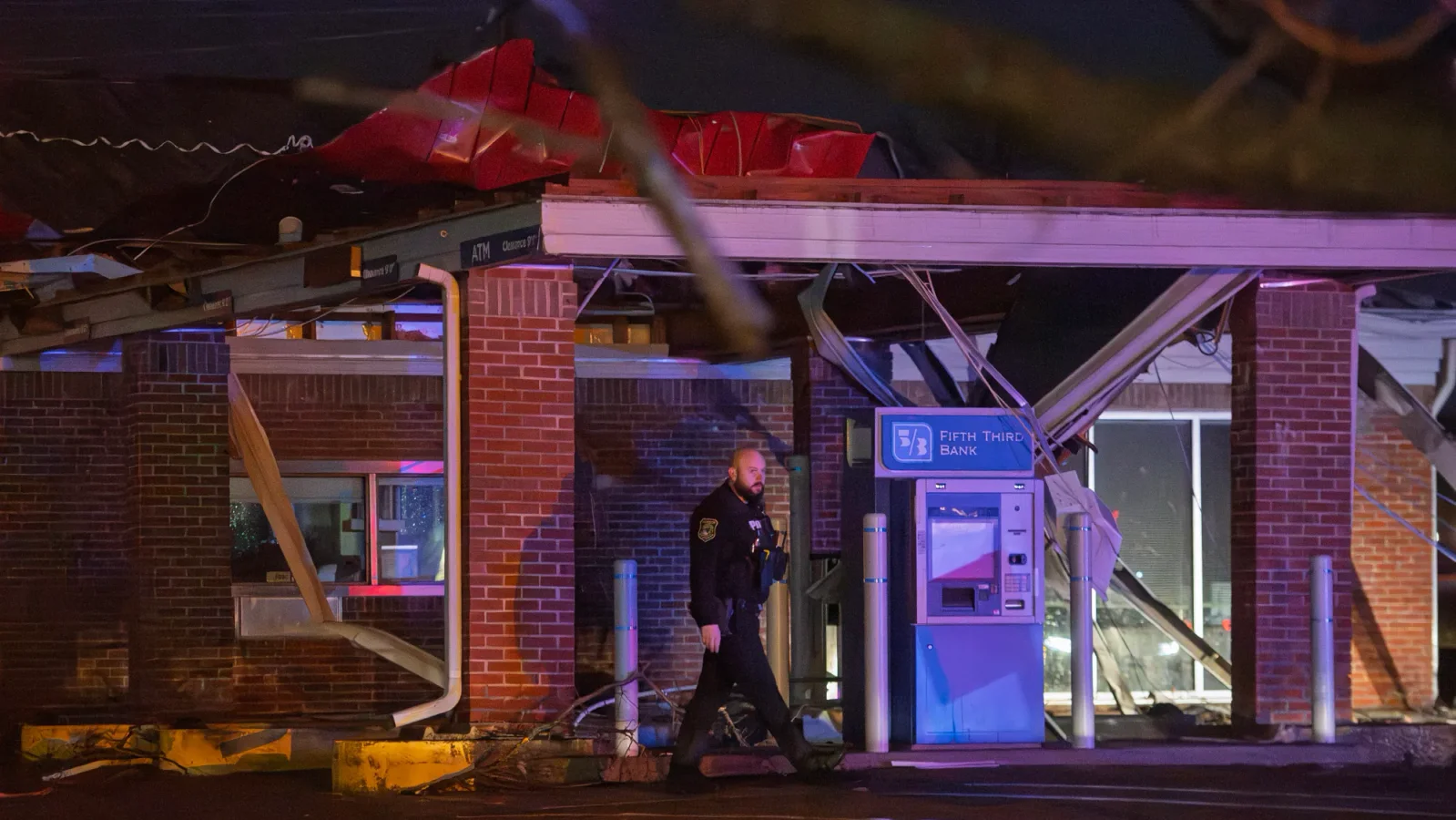
A severe thunderstorm in New Jersey caused at least three fatalities, including two men in Plainfield struck by a fallen tree, and resulted in widespread power outages and destruction.
Severe thunderstorms caused fatalities, widespread damage, and power outages across the Northeast ahead of the Fourth of July, leading to emergency declarations, canceled celebrations, and ongoing severe weather threats in parts of Texas and the East Coast.