A 2022 meta-analysis suggests that individuals with blood type A have a modestly higher risk of early-onset ischemic stroke, especially under age 60, due to factors like higher clotting protein levels, but lifestyle and other health factors play a more significant role in stroke risk. Maintaining healthy habits can help mitigate overall risk.
Dr. Oz explains that around 15% of ischemic strokes occur in young adults, and 34% of stroke hospitalizations involve individuals under 65. The main causes of stroke include high blood pressure, high LDL cholesterol, obesity, diabetes, head or neck trauma, irregular heartbeat, and smoking. To reduce the risk, it's important to maintain a healthy lifestyle by staying physically active, following a plant-based diet, maintaining a healthy weight, avoiding smoking and vaping, and regularly monitoring cholesterol levels and blood pressure. It's also crucial to take prescribed medications for diabetes and heart disease, limit alcohol consumption, and stay in touch with healthcare providers to prevent a second stroke.
A Yale-led study has revealed that patients who suffer strokes following cardiac interventions are less likely to receive the most effective stroke treatment, EVT. The study analyzed a nationwide database and found that less than two percent of these patients were treated with EVT, which is the only effective treatment for such cases. The risk of stroke varies for different cardiac interventions, and the study suggests that patients who had both a cardiac intervention and ischemic stroke and were then treated with EVT were twice as likely to be discharged home. The researchers also discussed the challenges in detecting strokes among cardiac patients and emphasized the importance of closer monitoring and prevention efforts.
A study from the Washington University School of Medicine in St. Louis found that adding blood thinners to clot-busting medication did not improve outcomes for people with ischemic stroke. The research, presented at the American Stroke Association’s International Stroke Conference 2024, involved participants receiving standard clot-busting medication and either a blood thinner or a placebo. The study showed that the addition of blood thinners did not improve physical function at 90 days after a stroke, and the trial was stopped after the first 500 participants. Despite the negative outcome, the study also revealed that the blood thinners did not significantly increase the risk of bleeding into the brain, providing valuable insights for future research in ischemic stroke treatment.
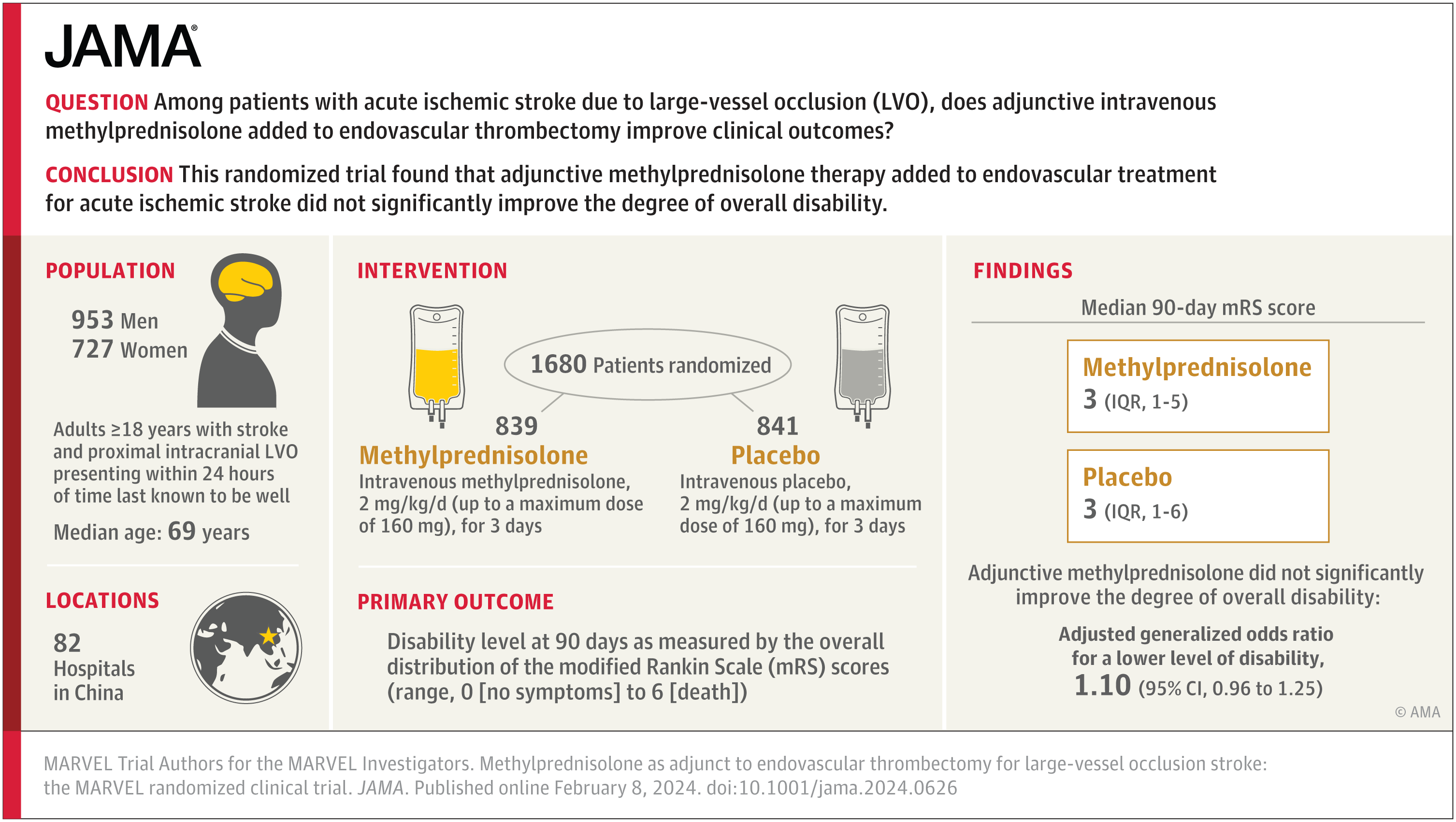
A randomized clinical trial involving 1680 patients with acute ischemic stroke due to large-vessel occlusion found that adjunctive intravenous methylprednisolone, when added to endovascular thrombectomy, did not significantly improve overall disability at 90 days. However, the methylprednisolone group showed lower mortality rates and a lower incidence of symptomatic intracranial hemorrhage compared to the placebo group. The study suggests that while methylprednisolone did not significantly improve disability outcomes, it may have potential benefits in reducing mortality and intracranial hemorrhage in this patient population.
A preliminary study conducted in China suggests that intravenous injections of ginkgo biloba components, specifically ginkgo diterpene lactone meglumine (GDLM), could significantly improve early cognitive recovery in ischemic stroke patients. The study, funded by the drug's manufacturer, found that stroke survivors treated with GDLM showed significant cognitive improvement over those receiving a placebo, indicating potential benefits for post-stroke recovery. While the results are promising, further research is needed to confirm the safety and effectiveness of GDLM before considering clinical use, emphasizing the importance of cautious integration of complementary medicines into cardiovascular care.
A study published in the New England Journal of Medicine found that taking clopidogrel-aspirin within 72 hours of a mild ischemic stroke or high-risk TIA significantly reduces the risk of new strokes compared to aspirin alone, but doubles the risk of moderate to severe bleeding. The INSPIRES trial, which excluded patients with certain types of strokes or treatments, suggests that the benefits of dual antiplatelet therapy extend to a wider time window than previously considered, although caution is advised for patients with a history of bleeding.
New research suggests that even mild traumatic brain injuries (TBIs) increase the risk of older adults suffering from ischemic stroke, the most common type of stroke caused by a blood clot blocking blood flow to the brain. The study found a 32% increase in stroke risk among those with a history of head injury, and individuals with two or more head injuries had a 94% greater chance of stroke. The study highlights the need for head injury prevention strategies, such as reducing fall risk in older adults and implementing measures like seat belt laws. It also suggests that individuals with head injuries may benefit from stroke prevention methods such as lowering blood cholesterol levels or blood pressure if elevated.
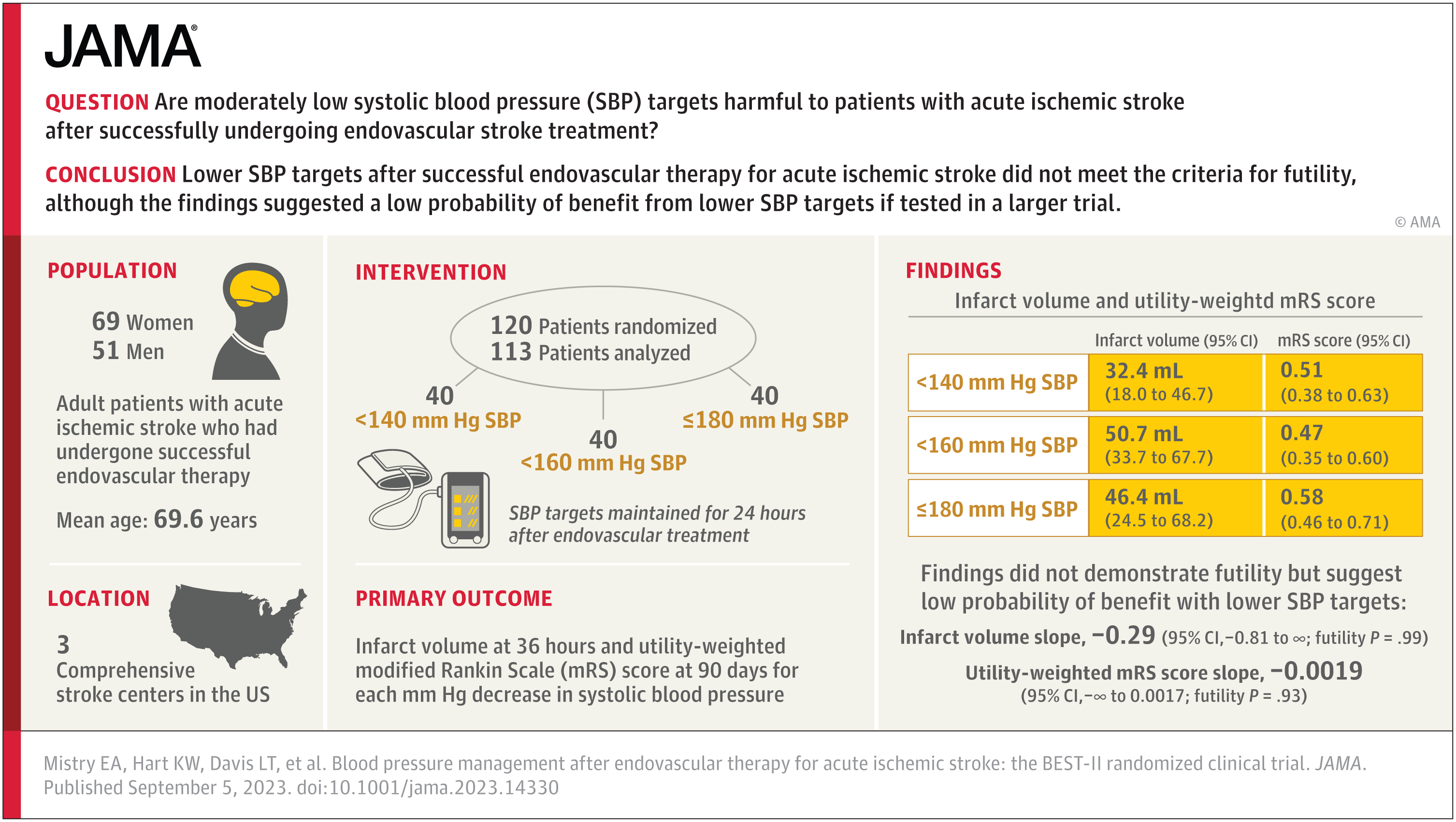
A randomized clinical trial involving 120 participants with acute ischemic stroke who underwent successful endovascular therapy found that lower systolic blood pressure (SBP) targets of less than either 140 mm Hg or 160 mm Hg did not meet the criteria for futility compared to the guideline-recommended target of 180 mm Hg or less. However, the findings suggested a low probability of benefit from lower SBP targets if tested in a future larger trial.
The Centers for Disease Control and Prevention (CDC) reports that one in five women between the ages of 55 and 75 will have a stroke, but the good news is that the majority of strokes are preventable. While daily aspirin can be beneficial for those with a history of heart disease or stroke, research suggests that it has little effect on preventing ischemic strokes in relatively healthy older adults and may even increase the risk of bleeding strokes. Instead, lifestyle changes such as eating a diet rich in fruits and vegetables, staying hydrated, exercising regularly, and maintaining good oral health can significantly reduce the risk of stroke.
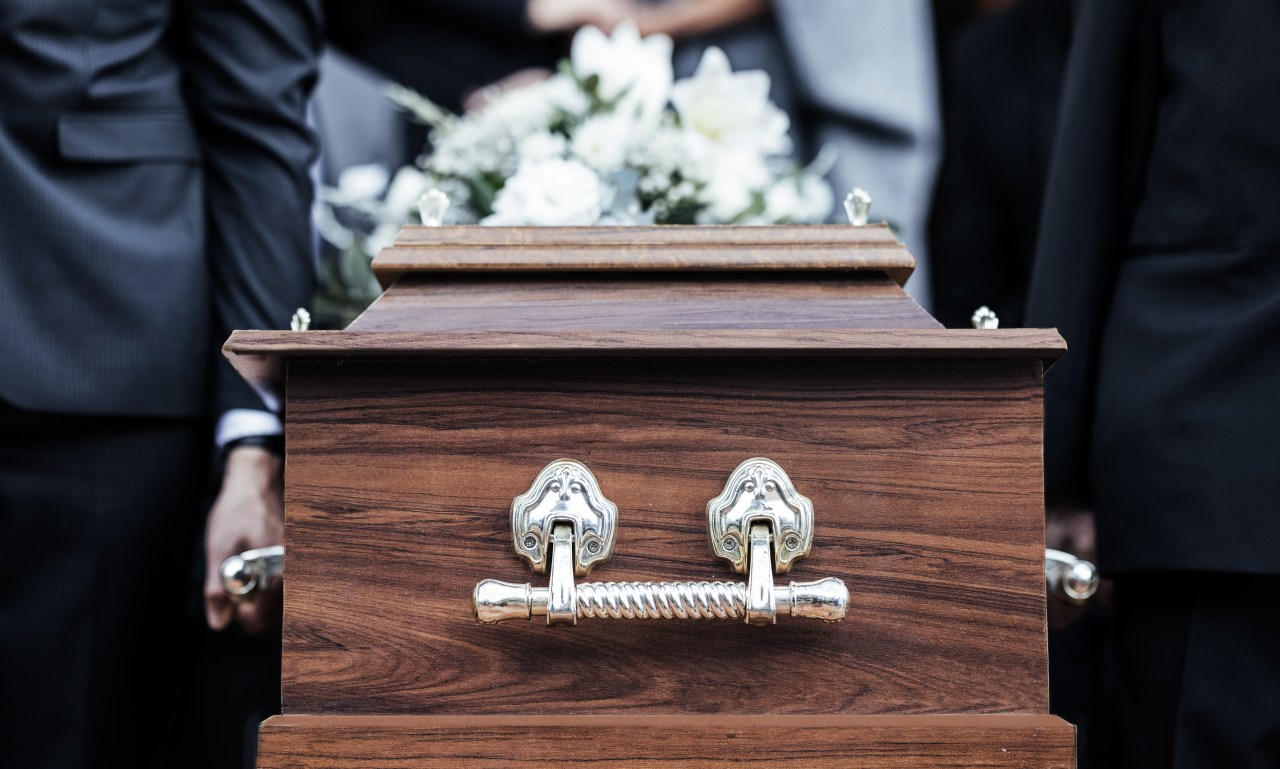
A 76-year-old woman in Ecuador who had been declared dead and surprised her relatives by knocking on her coffin during her wake earlier this month has died after seven days in intensive care. Bella Montoya reportedly woke up and started knocking on June 9 after spending five hours inside her coffin at a funeral home in Babahoyo, about 208 kilometers (about 129 miles) southwest of Quito. Ecuador’s health ministry confirmed that Montoya died from an ischemic stroke after spending a week in intensive care. A technical committee has been formed to review how the hospital issues death certificates.
A 76-year-old woman in Ecuador who had surprised her relatives by knocking on her coffin during her wake earlier this month has died after spending a week in intensive care. Bella Montoya reportedly woke up and started knocking after spending five hours inside her coffin at a funeral home. The woman died from an ischemic stroke, according to Ecuador's health ministry. A technical committee has been formed to review how the hospital issues death certificates.
A 76-year-old woman in Ecuador, who was declared dead by a doctor at a hospital, was found alive in her coffin during her wake. She was immediately rushed back to the same hospital for treatment and remained under "permanent surveillance" for seven days in intensive care. However, she died on Friday from an ischemic stroke. A commission of experts has been assembled by the Ecuadorian health ministry to review her case.
An Ecuadorean woman who revived during her wake after being declared dead has died after spending a week in intensive care. The woman had suffered an ischemic stroke. Her family has complained about the incident and is seeking to identify the doctor who declared her dead. A technical committee has been formed to review how the hospital issues death certificates.
A 76-year-old woman in Ecuador who had been declared dead and surprised her relatives by knocking on her coffin during her wake earlier this month has died after spending a week in intensive care. Bella Montoya reportedly woke up and started knocking on June 9 after spending five hours inside her coffin at a funeral home in Babahoyo, about 129 miles southwest of Quito. The woman died from an ischemic stroke after spending a week in intensive care. A technical committee has been formed to review how the hospital issues death certificates.