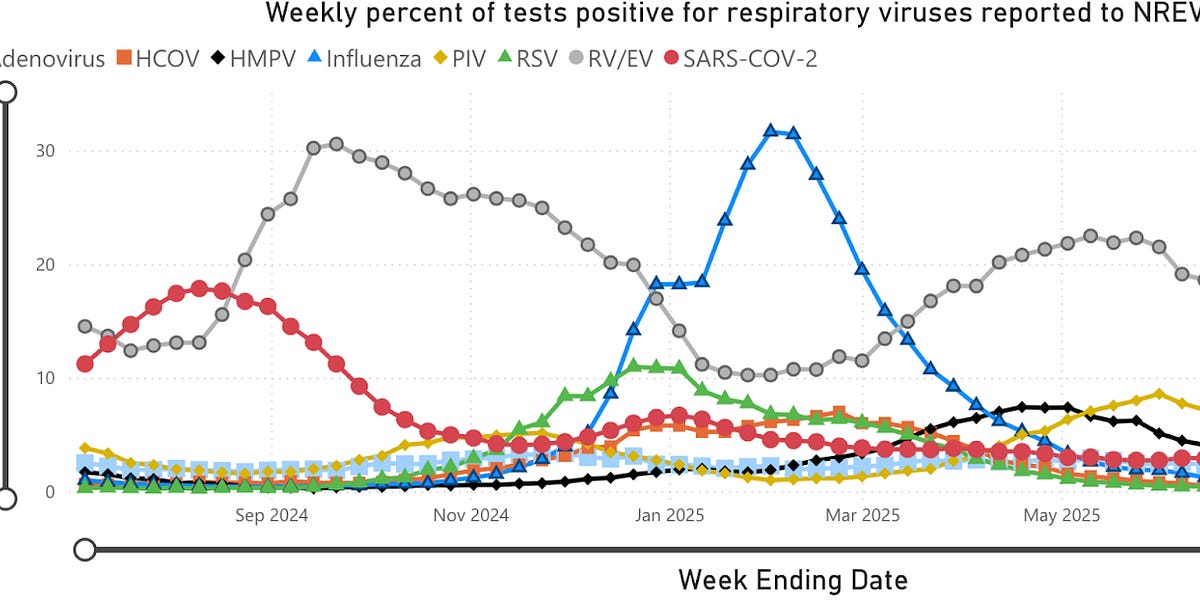
The article discusses the recent peak of Covid-19 summer cases, ongoing flu and cold activity, and clarifies vaccine recommendations and access, emphasizing the importance of vaccination and addressing misinformation, especially regarding RFK Jr.'s upcoming autism report, which is expected to contain misleading claims. It also highlights rising fall-related deaths among older adults and increasing loneliness among young people, offering practical advice for staying healthy and connected.
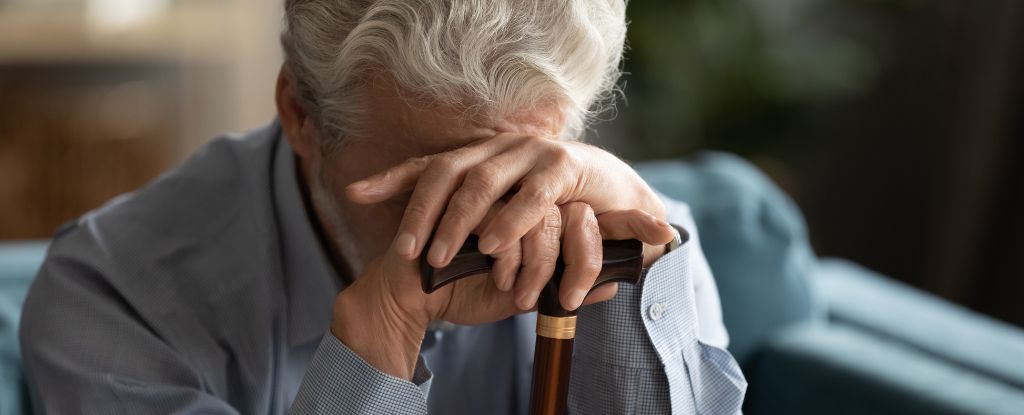
A large 2024 study suggests that injurious falls in older adults may serve as an early indicator of increased risk for dementia, highlighting the importance of cognitive screening after falls to enable earlier intervention.
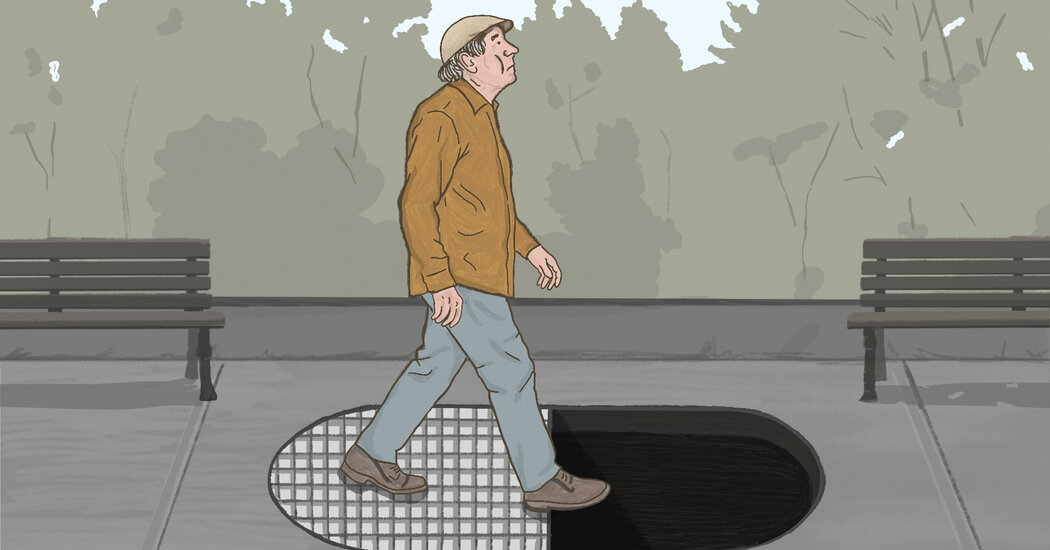
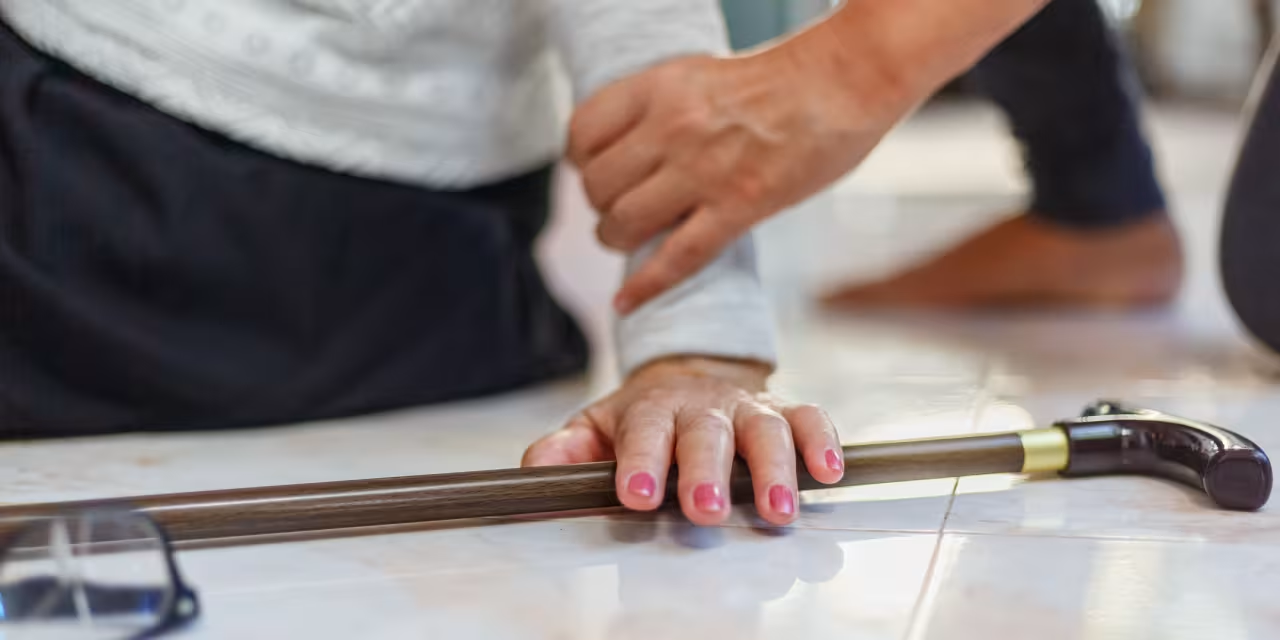
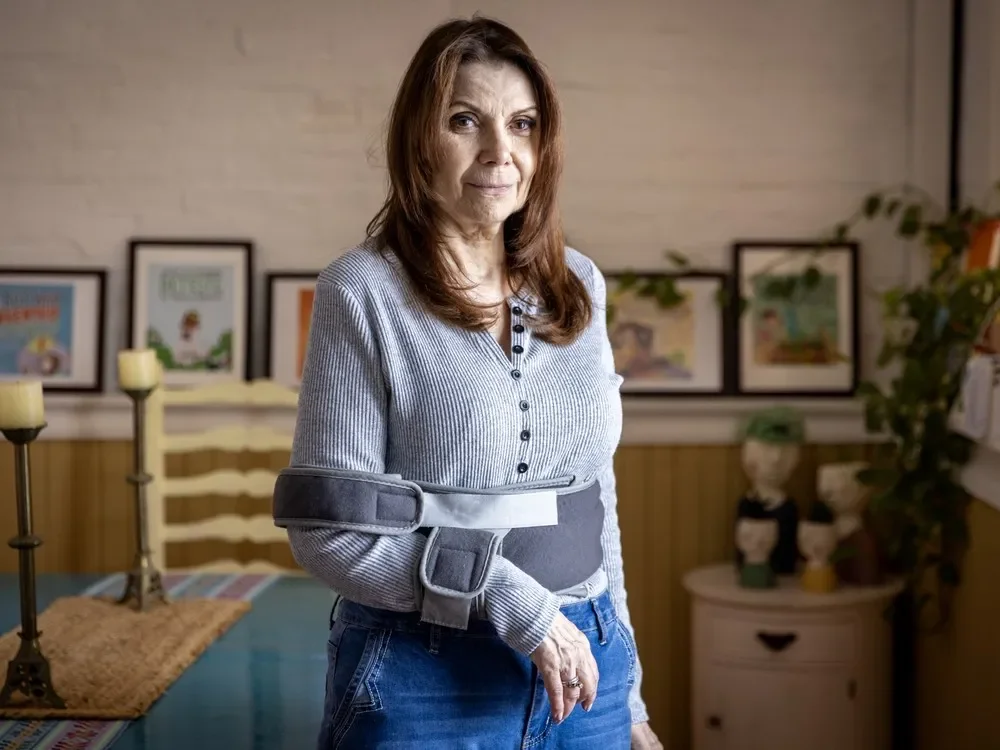
The article discusses the rising mortality rates from falls among older Americans, highlighting the role of prescription drugs, especially those that cause drowsiness or dizziness, as a significant contributing factor. Despite efforts to prevent falls through guidelines and programs, the increase in fall-related deaths continues, partly due to overuse and inappropriate prescribing of certain medications. Experts emphasize the importance of deprescribing and alternative treatments to reduce these risks.
The use of certain prescription drugs, known as fall risk-increasing drugs (FRIDs), has been linked to a tripling of fall-related death rates among seniors in the U.S. over the past 30 years, with medications like opioids, benzodiazepines, and antidepressants contributing to increased fall risks, though further research is needed to establish causation.
The article discusses the rising death rates among older adults due to falls, highlighting the role of increased medication use, especially drugs that cause drowsiness or dizziness, and the challenges in fall prevention despite various guidelines and interventions. It emphasizes the importance of careful medication management and patient awareness to reduce fall-related deaths.
The article discusses the increasing trend of older adults experiencing fatal falls, with some researchers suggesting that rising prescription drug use may be a contributing factor, highlighting a concerning public health issue.
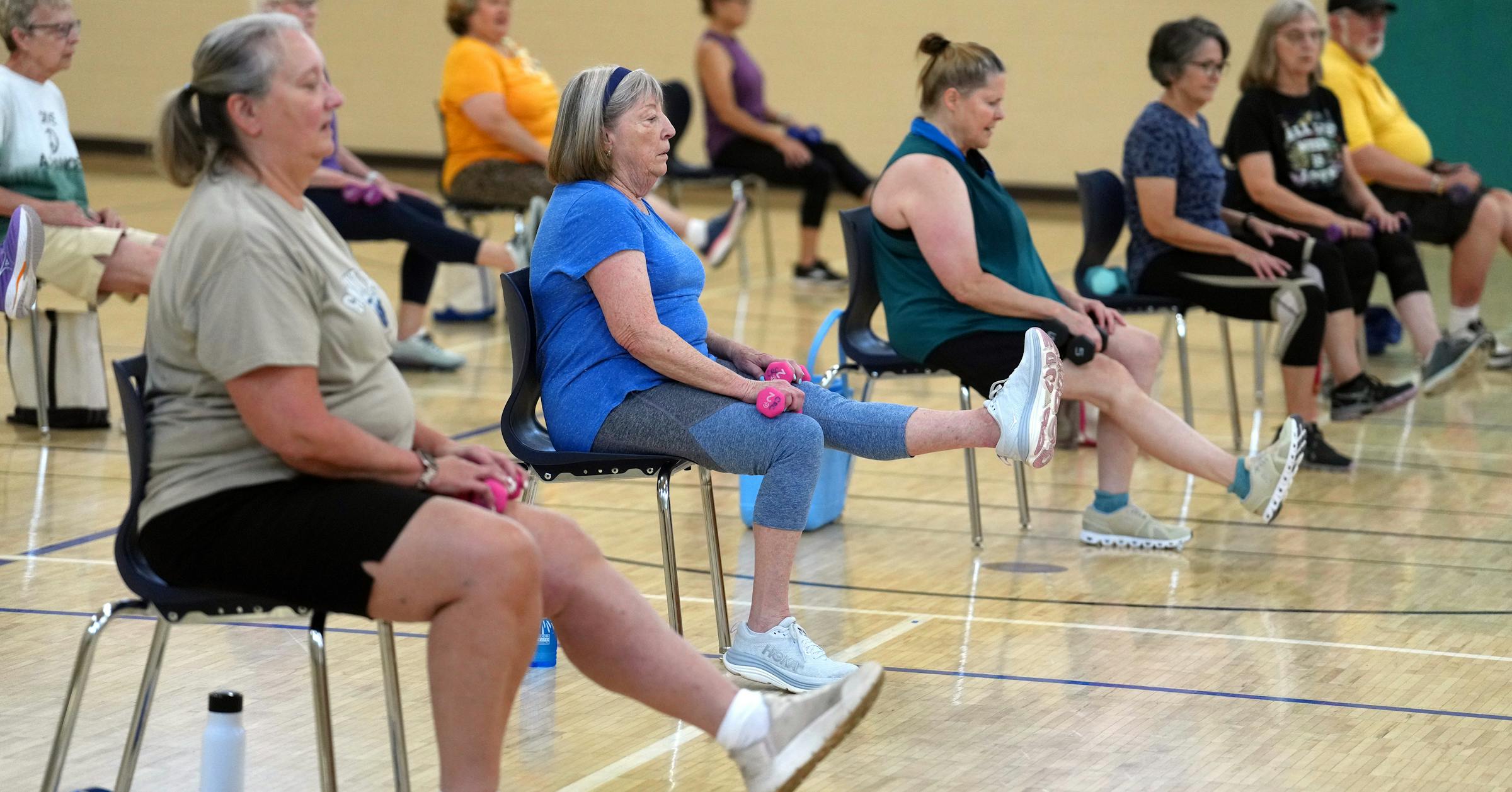
Minnesota has the second-highest rate of fatal falls among seniors in the US, with rising numbers linked to an aging population, physical inactivity, and social isolation. Experts emphasize the importance of exercise and prevention programs, but maintaining these activities remains a challenge. The increasing fall death rate highlights the need for better systemic prevention efforts as the senior population grows.
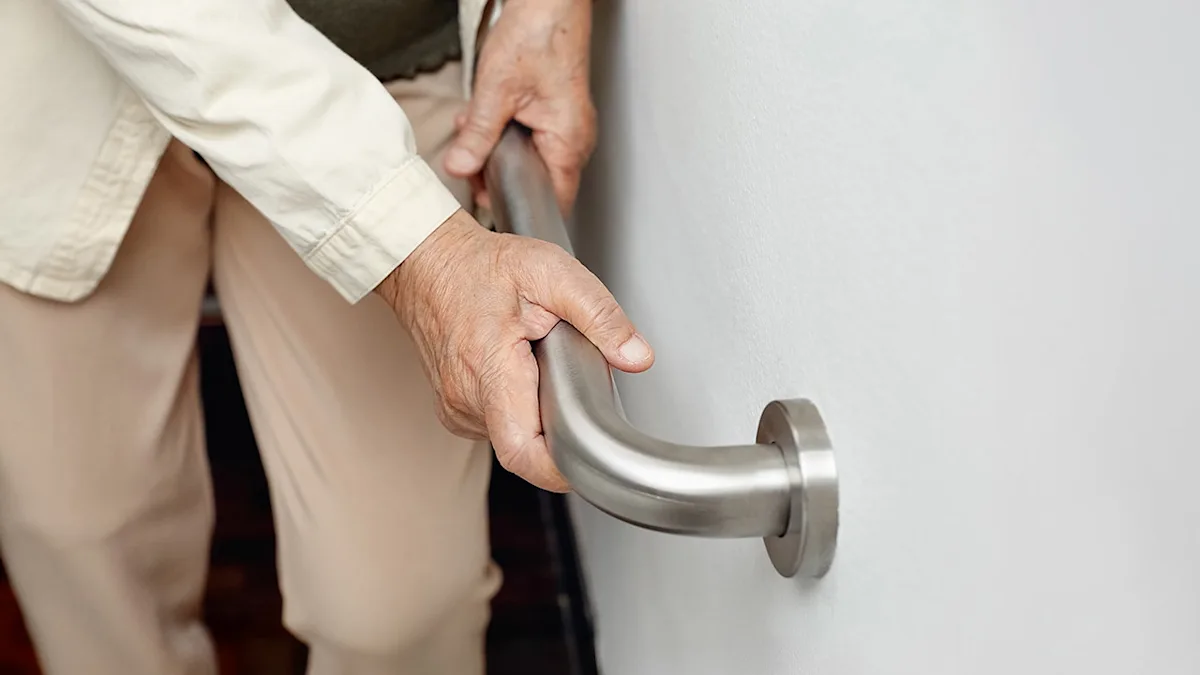
Falls among older adults have increased significantly over the past 20 years, leading to high costs and health risks. Prevention strategies include home modifications, regular health assessments, exercise to improve strength and balance, and technology aids. Public health efforts are underway to improve fall prevention and safety awareness among seniors.
A new $84,000 sign in Arlington Heights' Harmony Park, intended as a marketing feature for downtown, has been recognized as a climbing hazard that poses significant safety risks, especially to children and adults, due to its height and slippery surface, raising concerns about liability and potential injuries such as TBI and SCI.
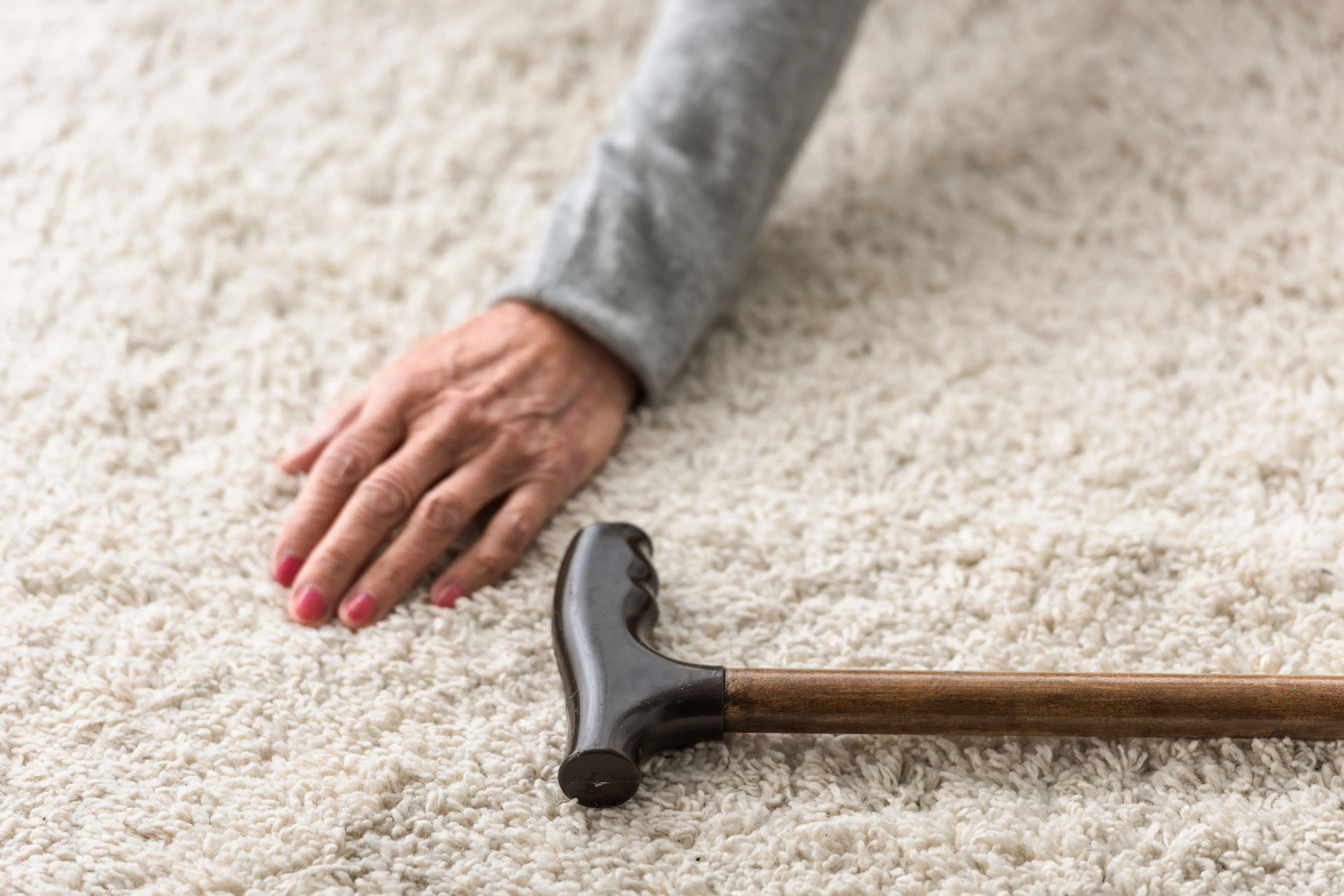
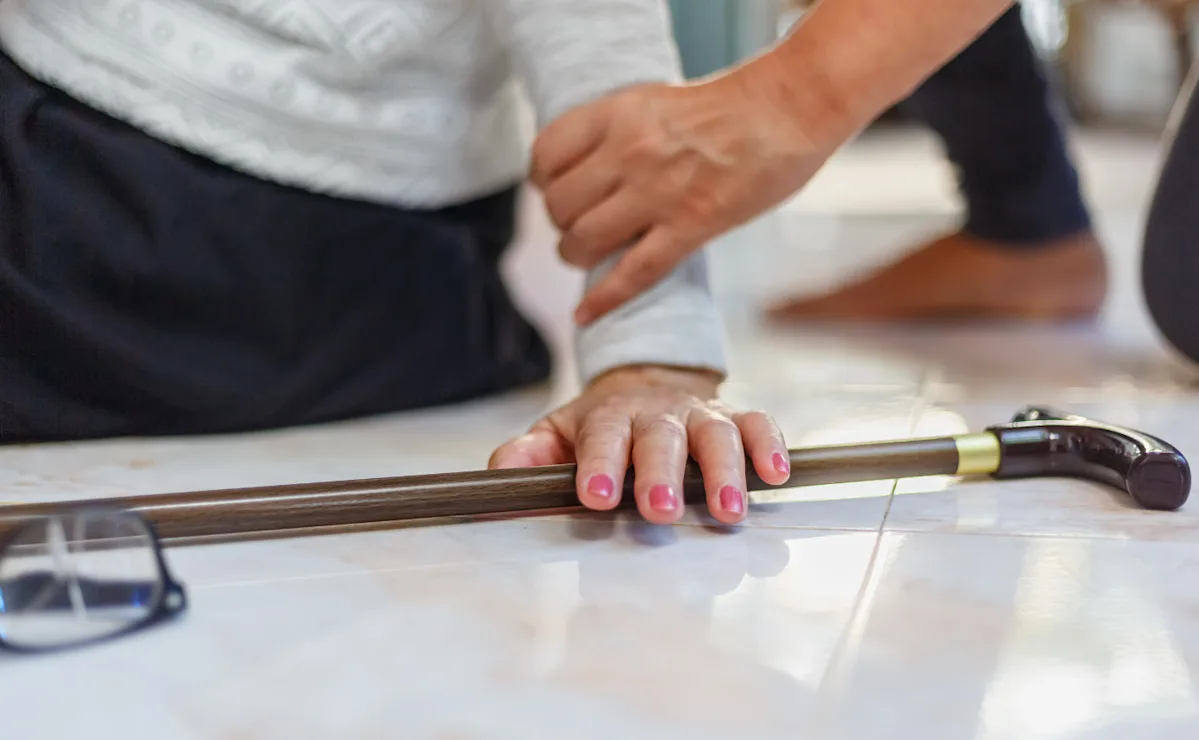
Older U.S. adults are experiencing a significant increase in death rates from unintentional falls, with over 41,000 deaths in 2023, predominantly among those aged 85 and older, especially white seniors. The rise may be linked to longer lifespans and better reporting, with notable regional differences and ongoing questions about racial disparities. Experts emphasize the importance of staying active to prevent falls.
Older U.S. adults are experiencing a significant increase in death rates from unintentional falls, with rates rising over 70% for ages 65-74 and more than doubling for those 85 and older, predominantly affecting white seniors, and varying widely by state, highlighting ongoing public health concerns.
Falls are a major health risk for adults over 65, but many can be prevented through small changes and good habits, reducing the risk of serious injuries like broken hips and brain injuries.
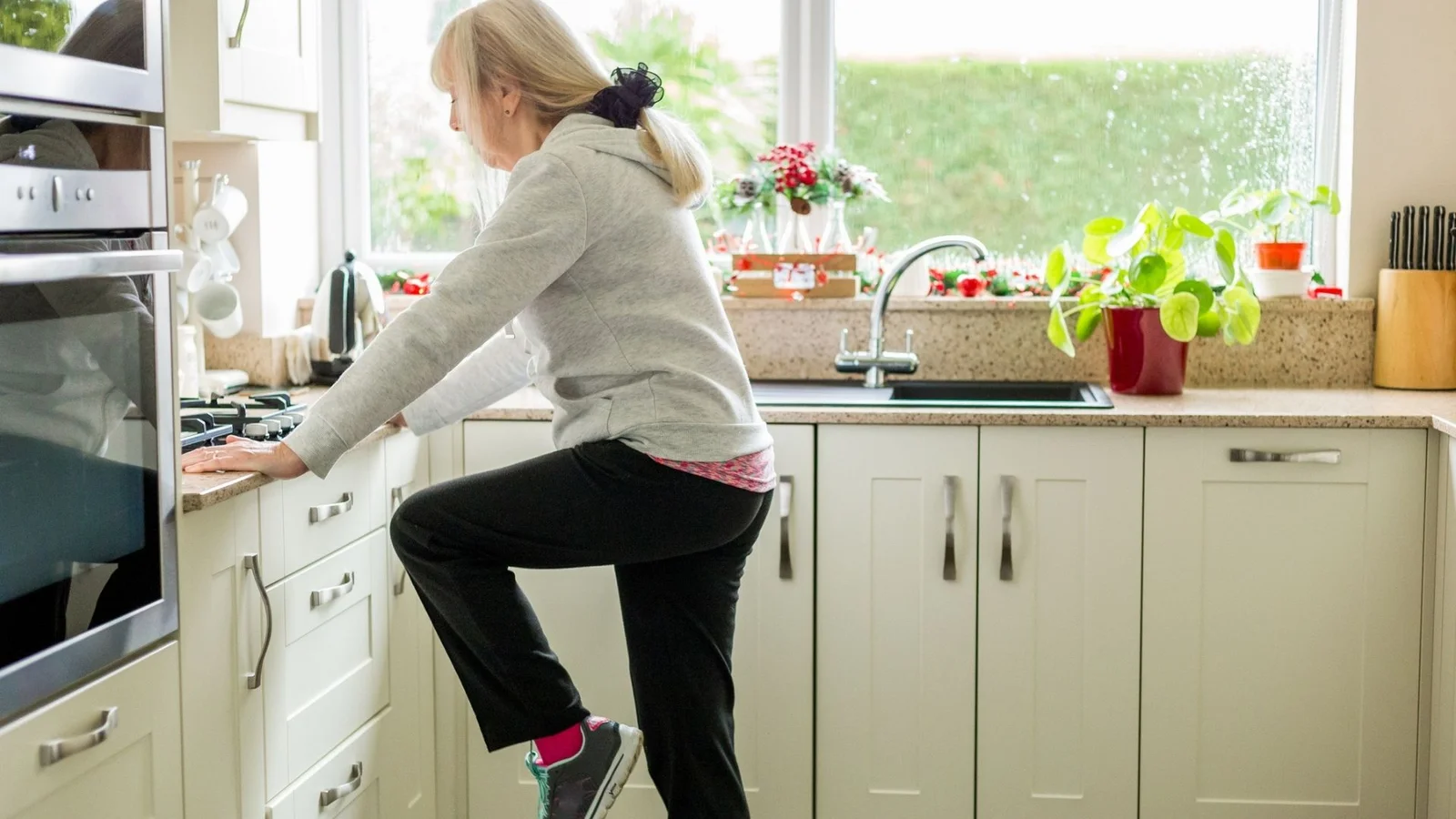
A study from the Mayo Clinic suggests that the ability to balance on one leg is a significant indicator of biological age and overall health, potentially more so than strength or gait. The research found that balance declines with age, with a notable decrease in the time one can stand on one leg. This decline is linked to an increased risk of falls, a major health concern for older adults. Balance exercises, such as standing on one leg, can help maintain and improve balance, reducing the risk of falls and associated injuries.
A new study reveals that about 13% of U.S. seniors will experience a traumatic brain injury, often due to falls, over an 18-year period. These injuries increase the risk of serious conditions like dementia and Parkinson's disease. The study found that healthier, wealthier, and more active seniors are at higher risk, possibly due to their increased engagement in activities. The findings highlight the importance of safety measures to prevent falls among older adults.