Research suggests that ginkgo biloba leaves may improve blood flow, reduce blood clot risk, and support vein health, potentially serving as a natural adjunct in managing venous disorders and preventing blood clots, with ongoing studies indicating safety and efficacy when used appropriately.
A preliminary study conducted in China suggests that intravenous injections of ginkgo biloba components, specifically ginkgo diterpene lactone meglumine (GDLM), could significantly improve early cognitive recovery in ischemic stroke patients. The study, funded by the drug's manufacturer, found that stroke survivors treated with GDLM showed significant cognitive improvement over those receiving a placebo, indicating potential benefits for post-stroke recovery. While the results are promising, further research is needed to confirm the safety and effectiveness of GDLM before considering clinical use, emphasizing the importance of cautious integration of complementary medicines into cardiovascular care.
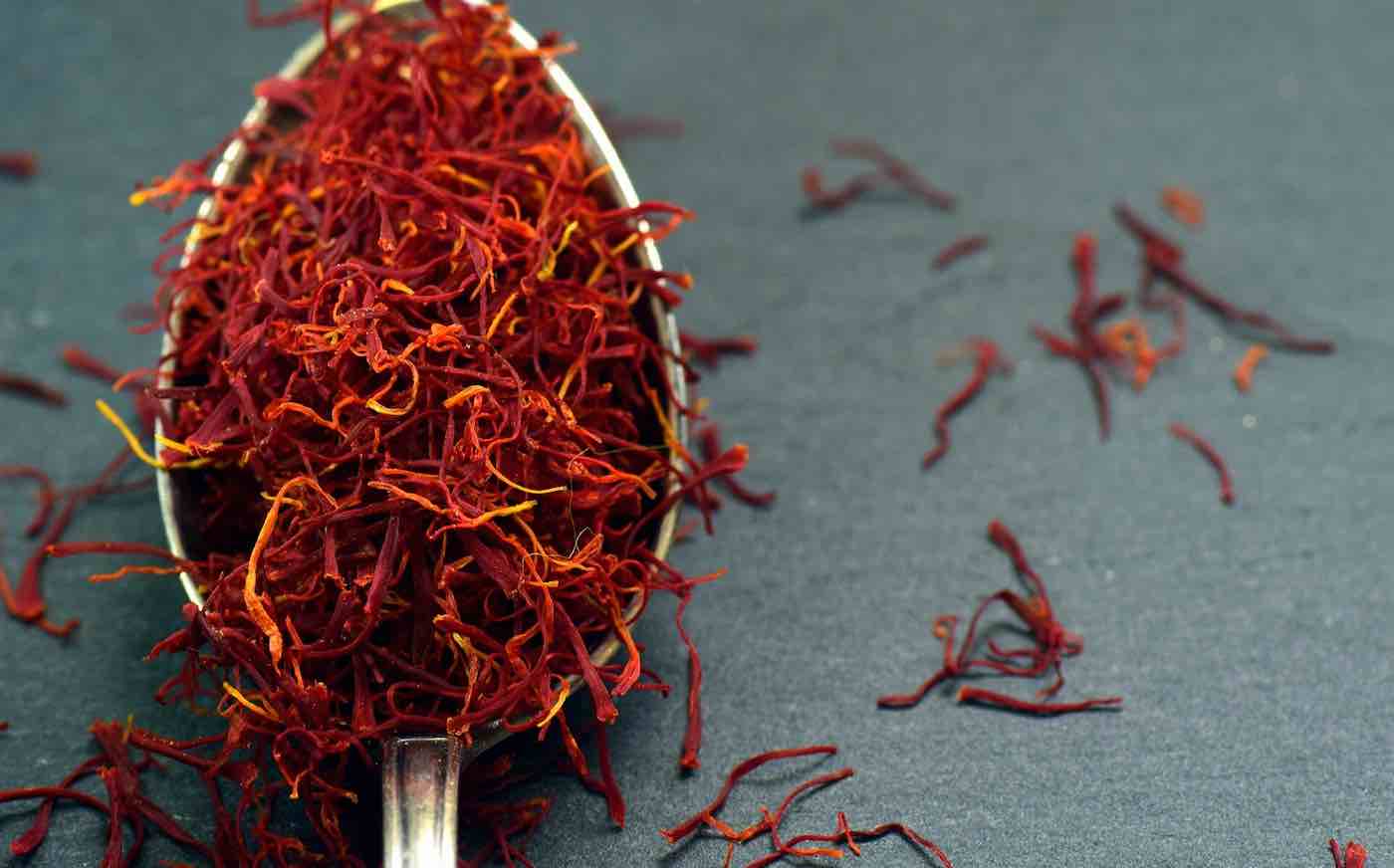
A clinical trial conducted by Australian researchers found that an herbal extract called Sailuotong (SLT), containing standardized extracts of Panax ginseng, Ginkgo biloba, and Crocus sativus L., improved memory and executive function in individuals with mild cognitive impairment (MCI) in just 12 weeks. MCI is considered a precursor to dementia. The study suggests that SLT could potentially delay the onset of dementia and further research is needed to explore its long-term benefits. The herbal mixture has shown anti-inflammatory, antioxidant, and cognitive-enhancing properties in previous studies. The researchers plan to conduct larger trials to investigate SLT's efficacy in treating MCI and delaying dementia.