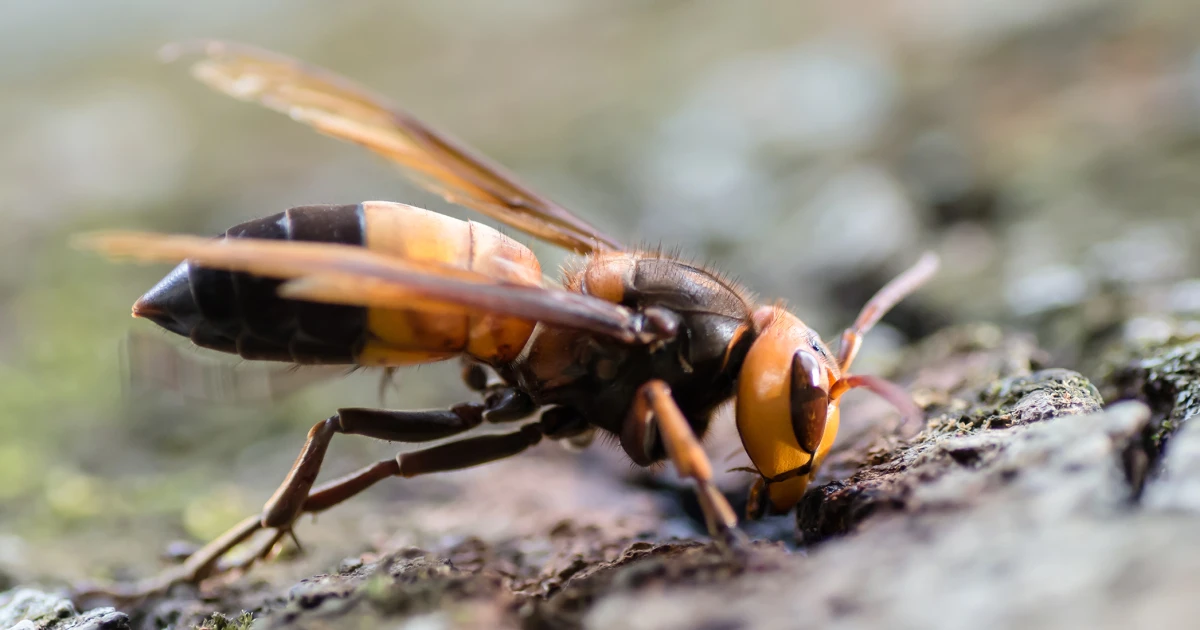
Southern giant hornets, also known as "murder hornets," have been discovered in Europe for the first time, with sightings in northern Spain since 2022. Researchers are urgently searching for the hornets' nest to prevent ecological disruption, as these hornets are known to decimate beehives and could impact local ecosystems. The hornets likely arrived via cargo ships, and their presence raises concerns about the need for enhanced biosecurity measures at ports to prevent further invasions.
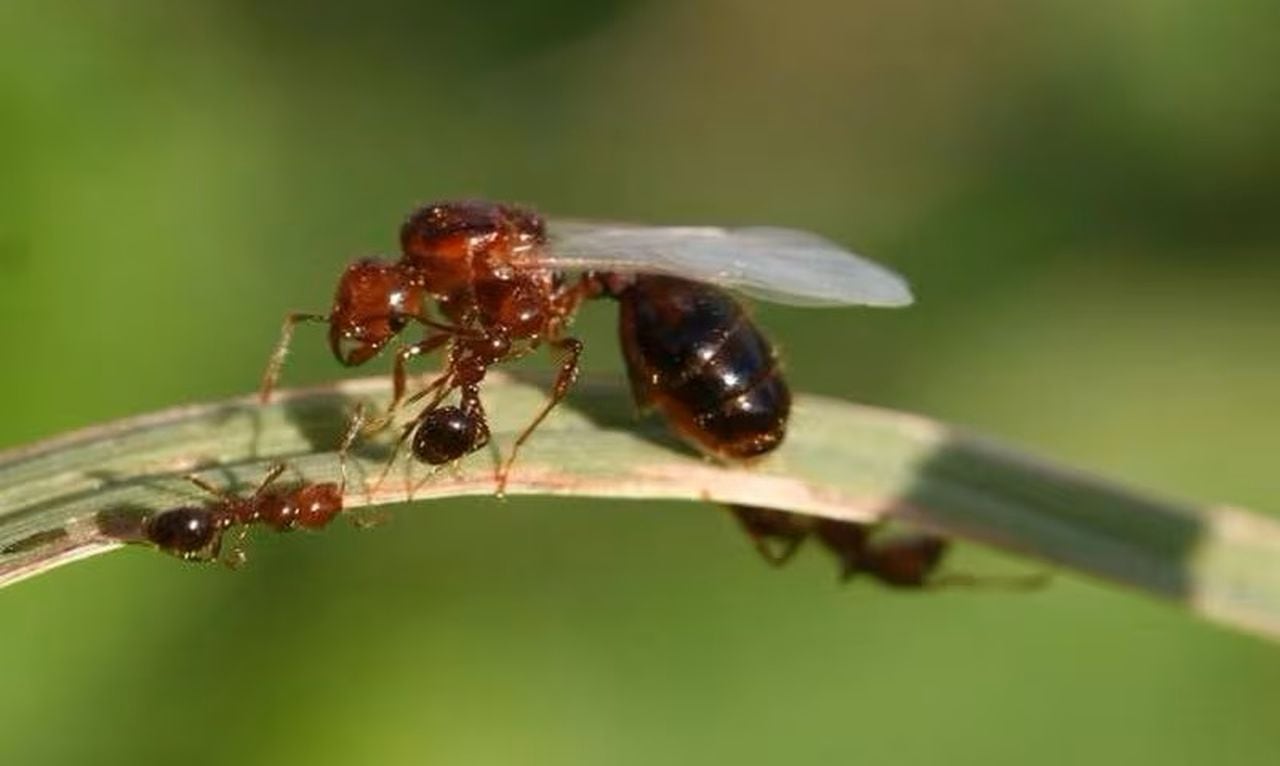
Fire ants, known for their painful stings and invasive nature, lead complex lives that include aerial mating rituals between queens and males at heights of 300-500 feet. After mating, the queens start new colonies, laying up to 800 eggs a day and potentially living for over seven years. Their colonies are extensive, with the ability to create floating rafts during floods and tunnel systems that can reach 10 feet deep. Attempts to eradicate them often fail and can harm the environment. Originating from South America, fire ants were likely introduced to the U.S. through Mobile, Alabama, in the 1930s or 40s, and have recently been found in Europe. Their success is partly due to the absence of their natural predators in new environments.
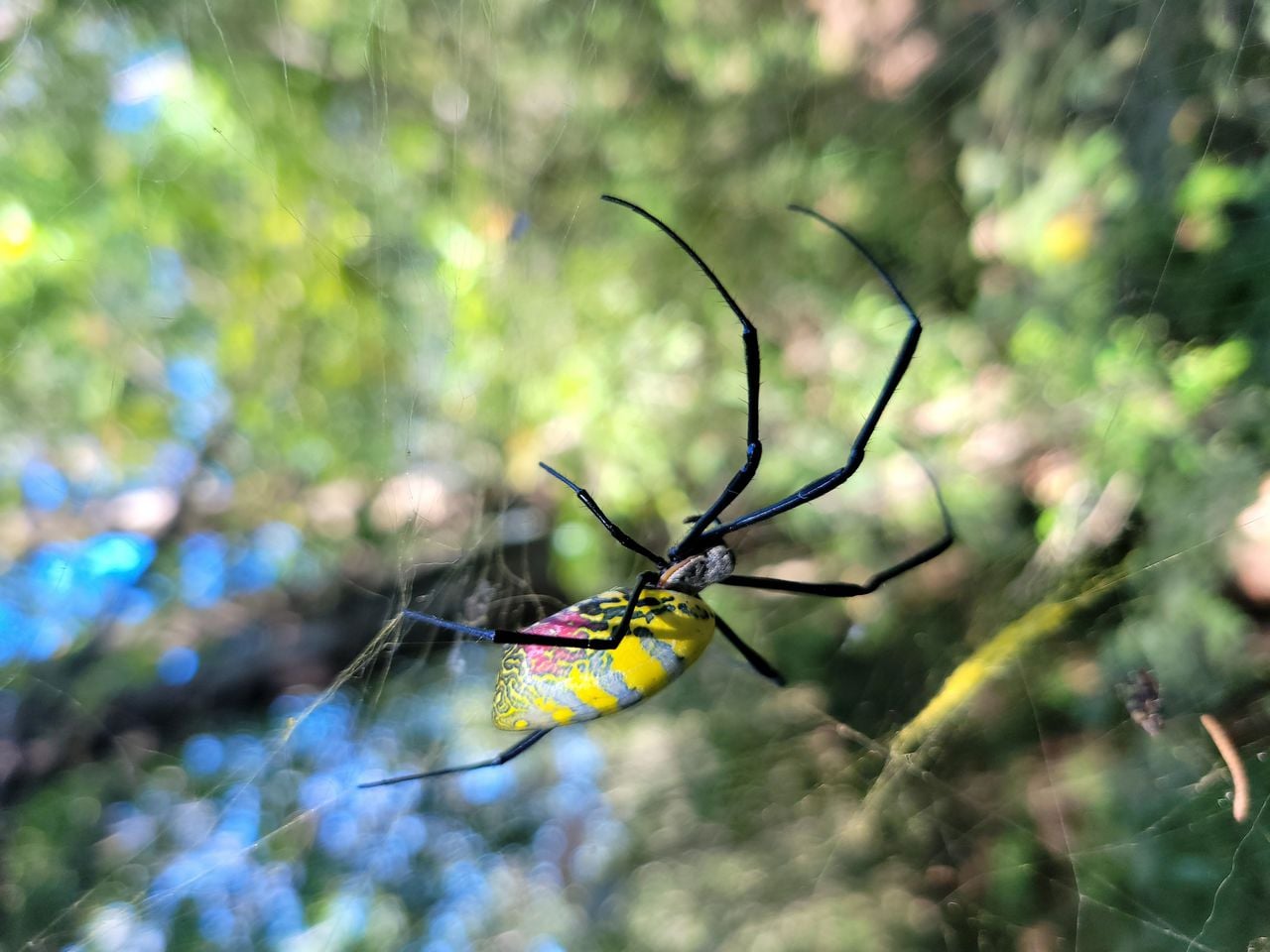
New research from the University of Georgia suggests that the invasive Joro spider, which has been rapidly spreading across the Southeast over the past decade, is actually "extremely shy and non-aggressive," compared to other spiders commonly found in the region. The researchers tested the aggressiveness of the Joro and found that they are more afraid of humans than the reverse. The Joro spiders are likely here to stay in the Southeast due to their incredible reproductive potential and ability to live with humans.
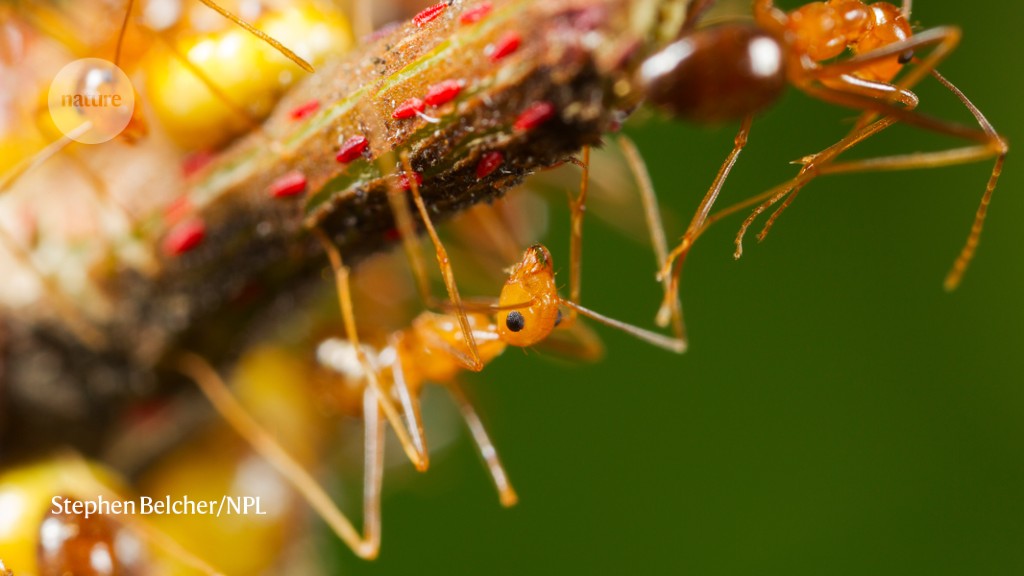
Yellow crazy ants are the first known animal for which chimaerism is an essential aspect of life, according to a study published in Science. Males of the species are a mixture of two warring cell lineages, which is usually a developmental accident. The chimaerism has a crucial role in the ants’ caste system, contributing to the species' ability to evade ecosystems. The discovery raises questions about why the nuclei of some sperm fail to fuse with the egg nucleus, resulting in chimaeric males.