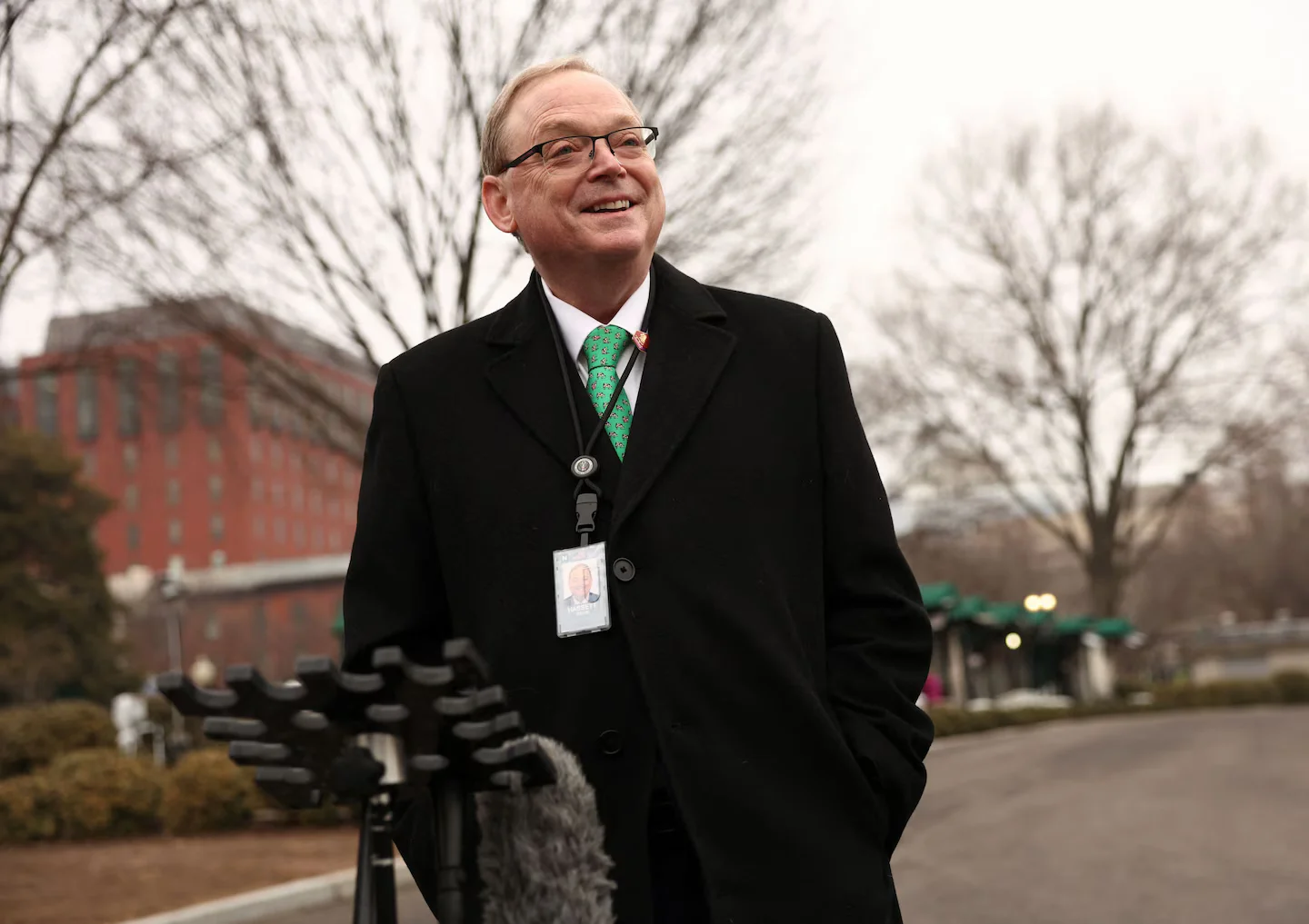
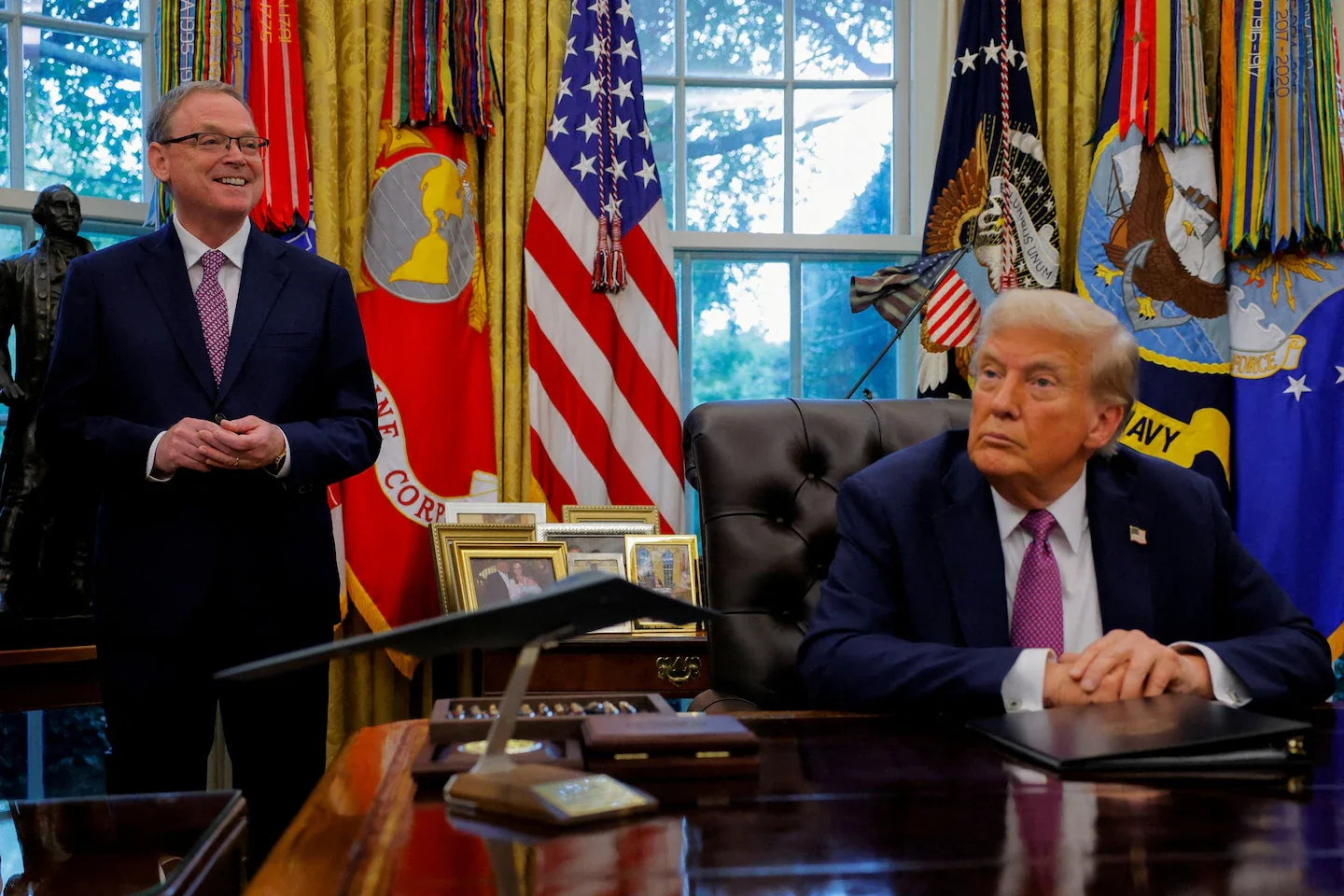
White House economic adviser Kevin Hassett criticized a Federal Reserve Bank of New York study that found U.S. companies bear most of the costs of tariffs, calling the research an embarrassment and urging the central bank to punish the researchers behind it.
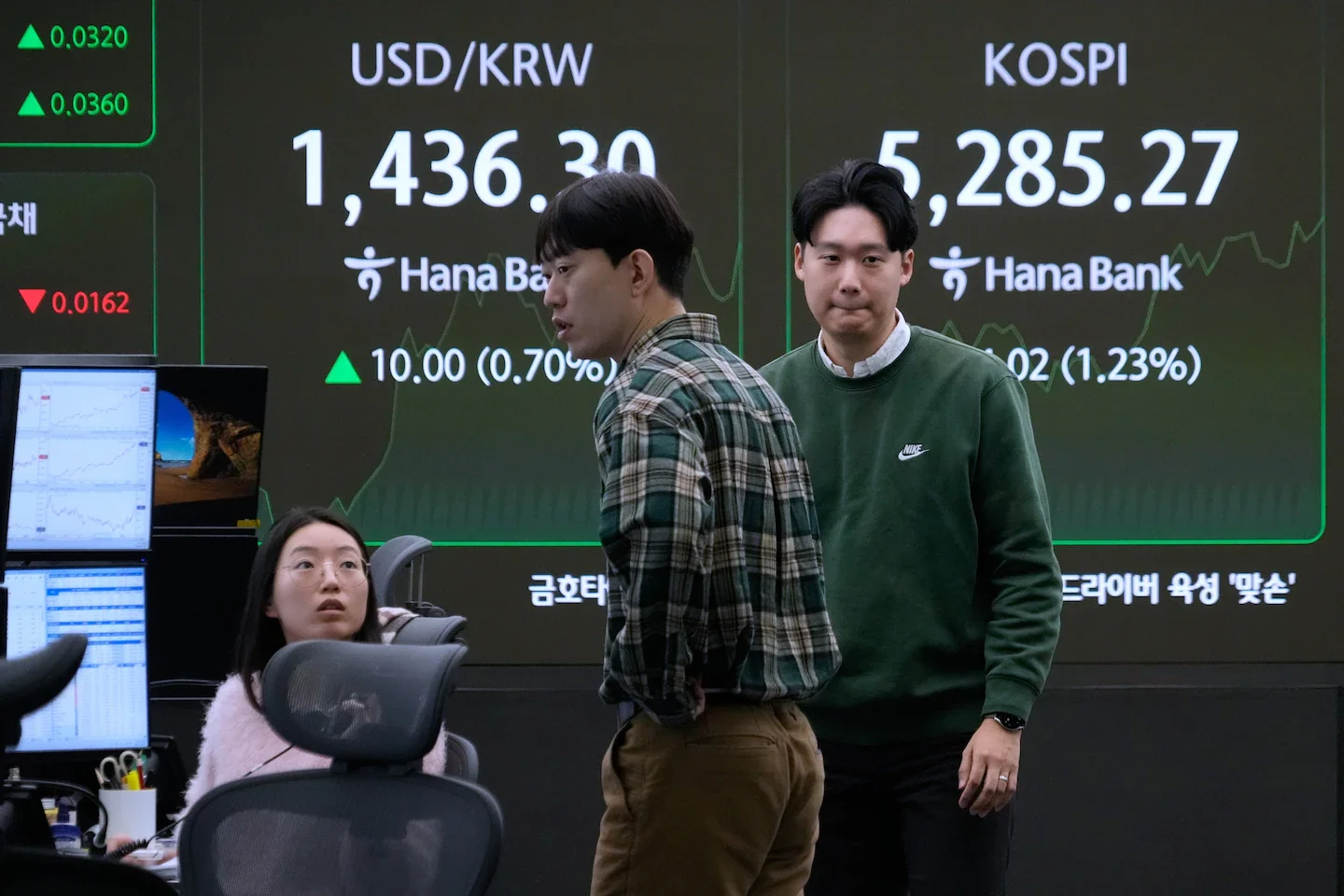
Fallout from the Greenland crisis and Trump’s policy approach have contributed to a decline in the U.S. dollar, with the greenback down more than 10% since he returned to the White House; despite remaining a global reserve currency, foreign investors are rethinking exposure to the U.S. amid policy uncertainty and shifting financial markets.
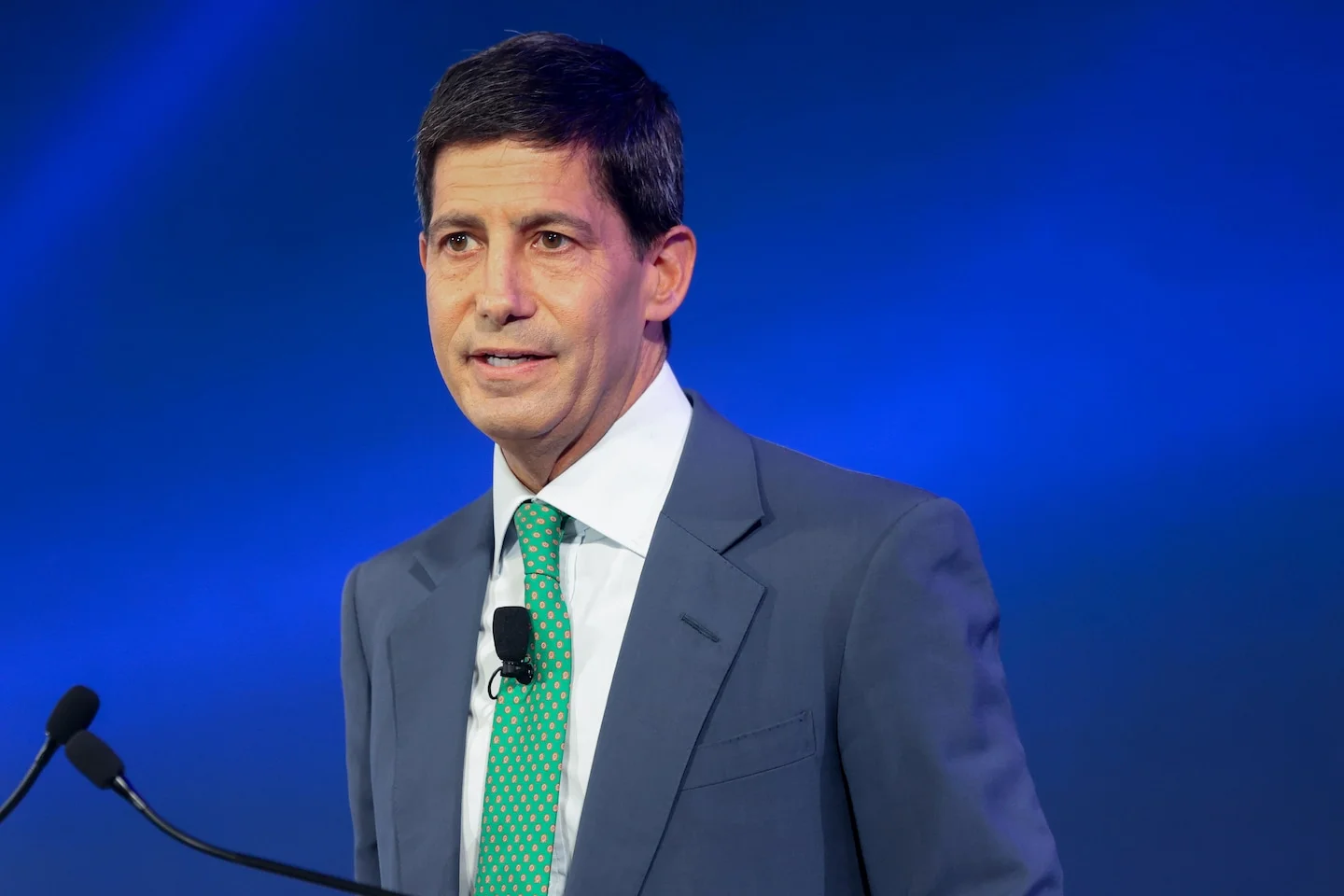
President Donald Trump announced he would nominate Kevin Warsh, a former Fed governor and Wall Street veteran, to succeed Jerome Powell as Fed chair, a move that could shape monetary policy and align with the president’s calls for faster rate cuts.
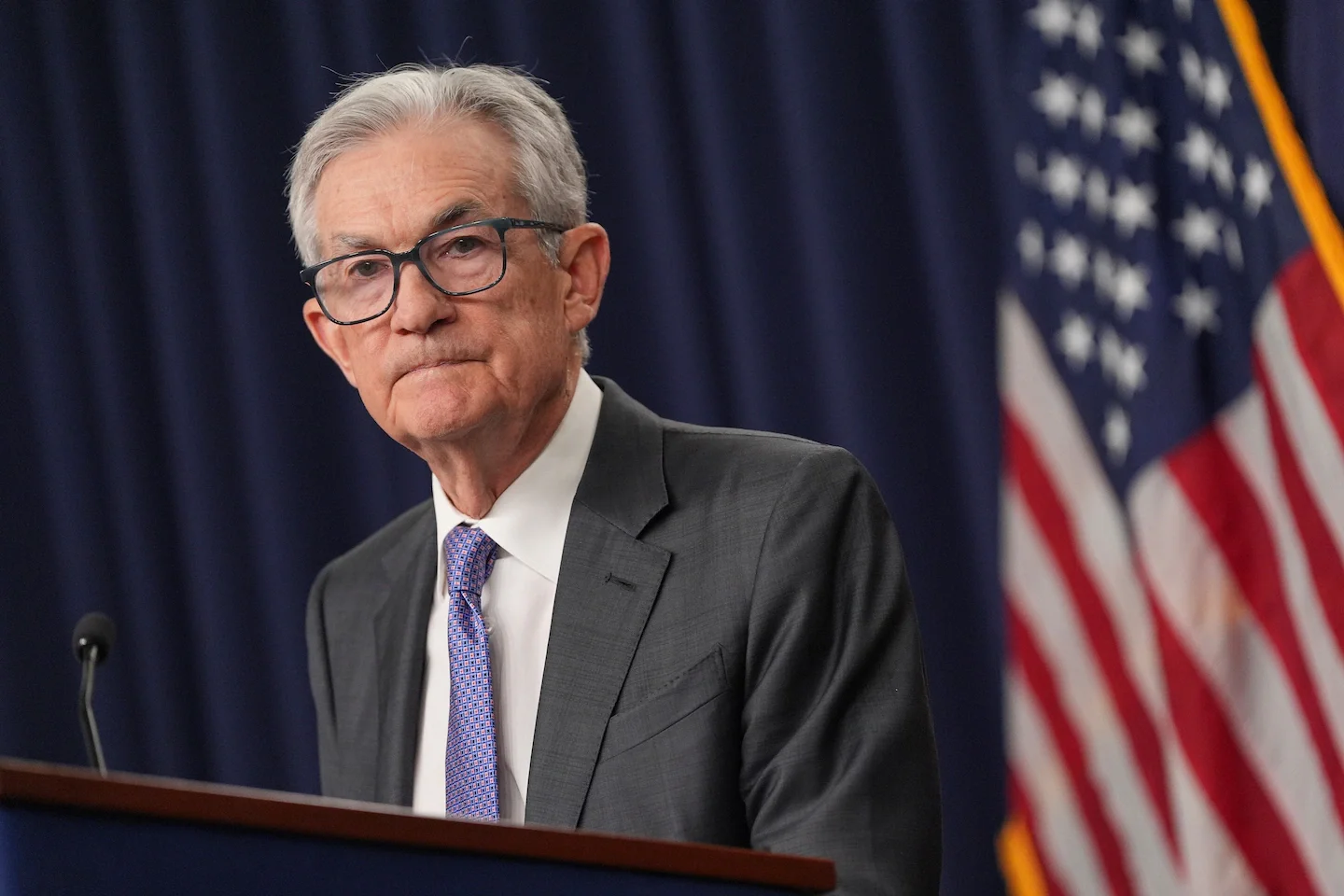
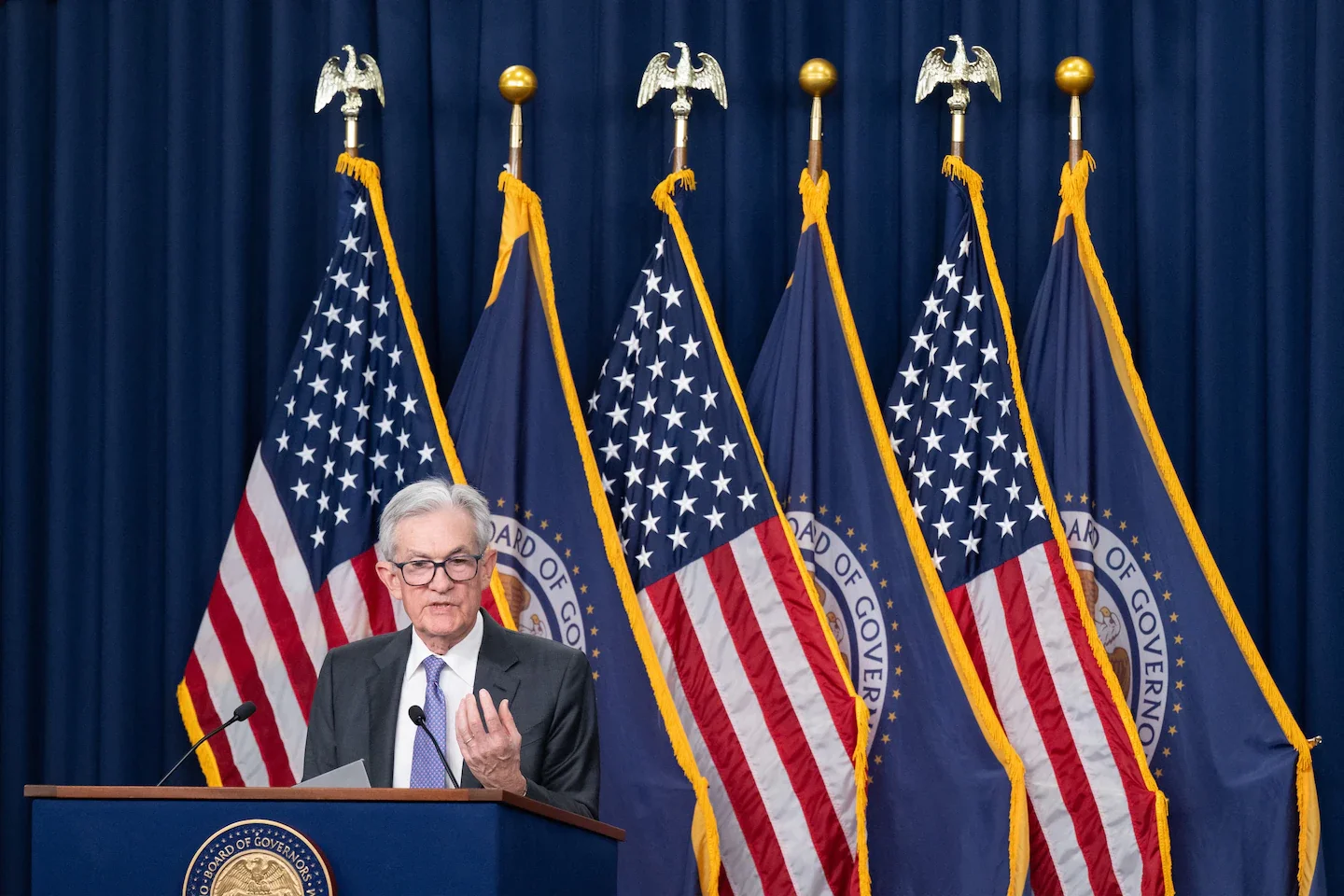
The Federal Reserve kept rates unchanged at its first meeting of 2026 after three cuts late in 2025, signaling a patient stance as hiring slows but the broader economy remains resilient, while inflation’s trajectory will determine the next moves.
Treasury Secretary Scott Bessent shifts from his prior restraint to publicly criticizing Fed Chair Jerome Powell, signaling mounting political pressure on the Fed as Donald Trump weighs Powell’s successor and the direction of monetary policy.
The Supreme Court signaled it is unlikely to allow Trump to immediately fire Fed Governor Lisa Cook, keeping her on the Federal Reserve Board while a lawsuit challenges her removal and limiting presidential influence over the central bank.
The Washington Post frames the Supreme Court case over President Trump’s push to fire Fed governor Lisa Cook as a major legal issue, now intensified by news that Fed Chair Jerome Powell is under investigation, a combination that could affect the Court’s view of presidential power over the Fed and Powell’s political trajectory while potentially influencing monetary policy and inflation dynamics.
President Trump proposes a 10 percent cap on credit card interest rates, a move aimed at affordability that could lower borrowing costs for consumers but may restrict lenders’ ability to extend credit, prompting pushback from banks.
President Donald Trump suggested Kevin Hassett could remain as head of the National Economic Council, injecting uncertainty into the race to succeed Fed Chair Jerome Powell. Analysts say Warsh could gain momentum, with other candidates still in play, while political and legal developments—like a DOJ probe related to the Fed building—could affect Senate confirmations.
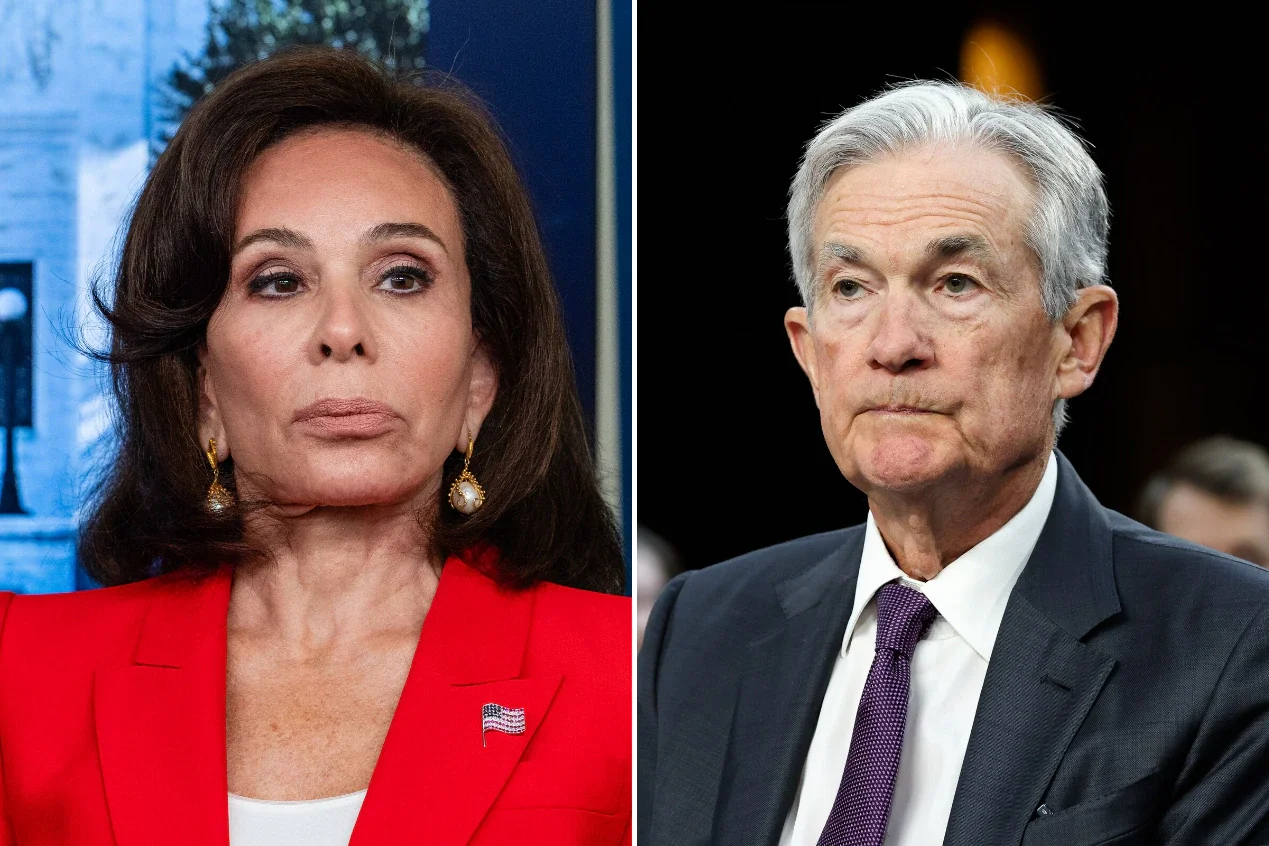
The Washington Post reports that the battle between the Federal Reserve and Trump administration prosecutors has intensified in recent weeks, driven by mixed signals and mutual suspicion as Fed Chair Jerome Powell and U.S. Attorney Jeanine Pirro navigate an ongoing investigation into the Fed's actions.
A bipartisan group of former Fed chairs and top officials publicly rebuke the Justice Department's investigation into Fed Chair Jerome Powell, warning the move could threaten the central bank's independence, as financial markets digested the news with stocks wavering and the dollar slipping.
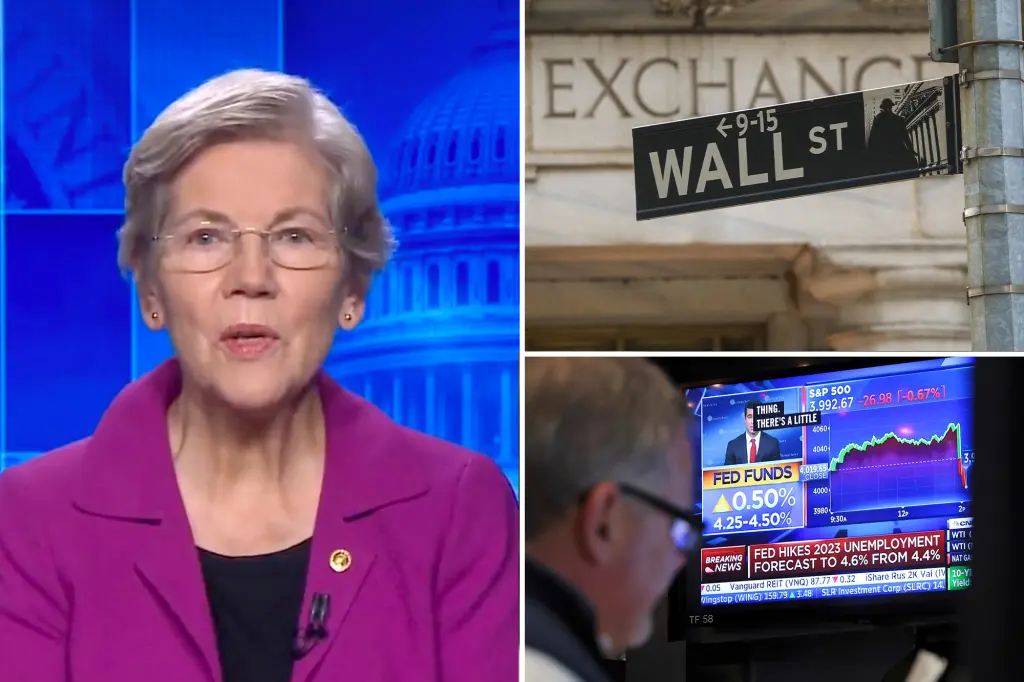
Senator Elizabeth Warren has called for an investigation into the Federal Reserve System over weakened regulatory processes that led to the collapse of Silicon Valley Bank and Signature Bank. Warren demanded better regulations of the country’s banking system and the reversal of the weakened oversight system. She also called for CEOs to be held accountable and forfeit the bonuses and large salaries seen in the wake of the bill’s passing, while adding that criminal charges stemming from a Department of Justice investigation were possible. The FDIC said it would step in to guarantee deposits lost in the implosions, in what some say has amounted to a bailout.