EU states have approved a historic free trade agreement with Mercosur after 25 years of negotiations, aiming to offset US tariffs and reduce reliance on China, despite opposition from France and protests from farmers. The deal will require European Parliament approval and includes safeguards for farmers and environmental concerns.
The EU has approved a historic trade deal with Mercosur, creating one of the world's largest free trade areas, despite opposition from some member states and protests from farmers. The deal aims to boost exports, reduce dependency on China, and strengthen geopolitical ties, with signing expected soon in Paraguay.
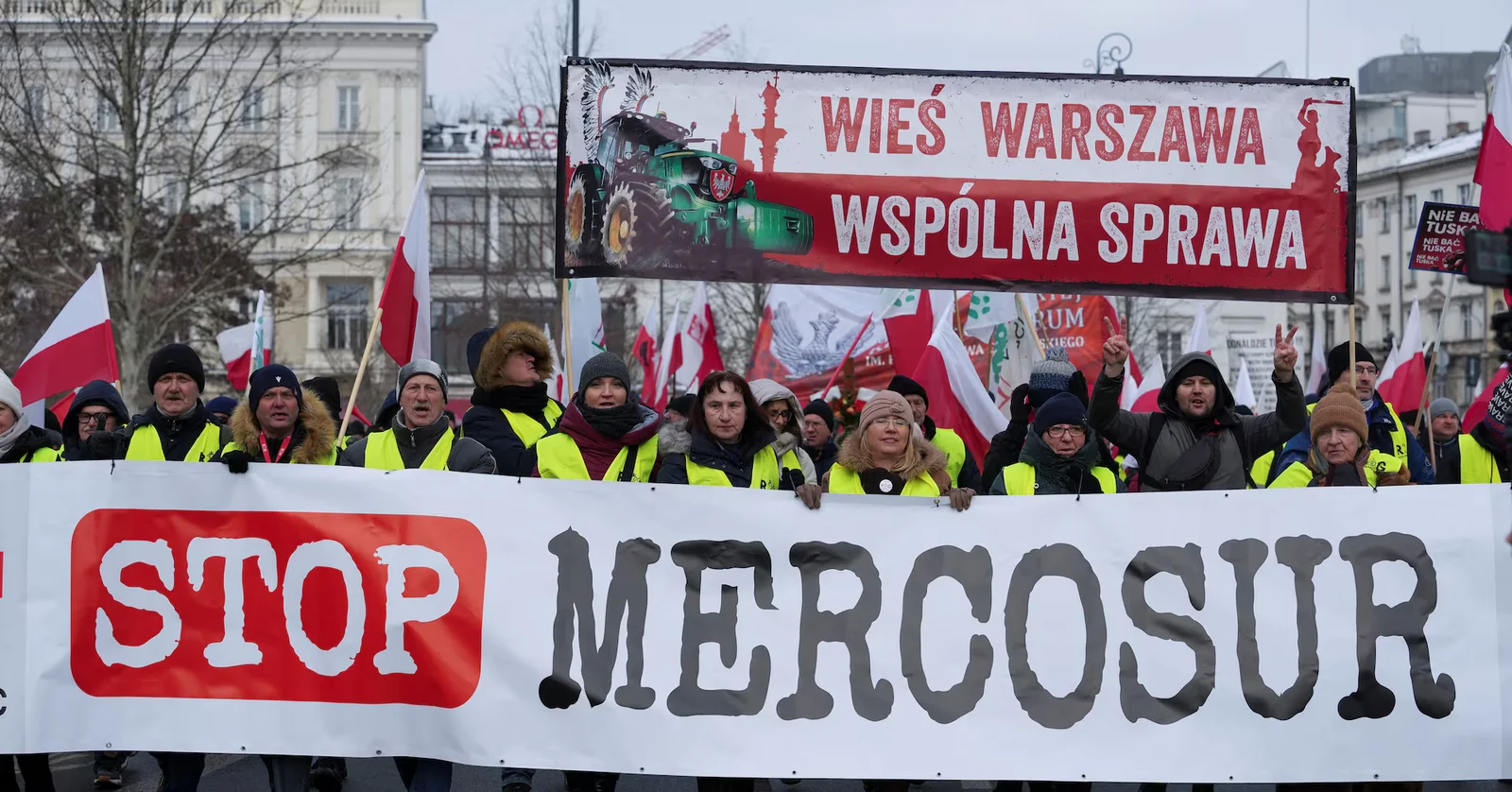
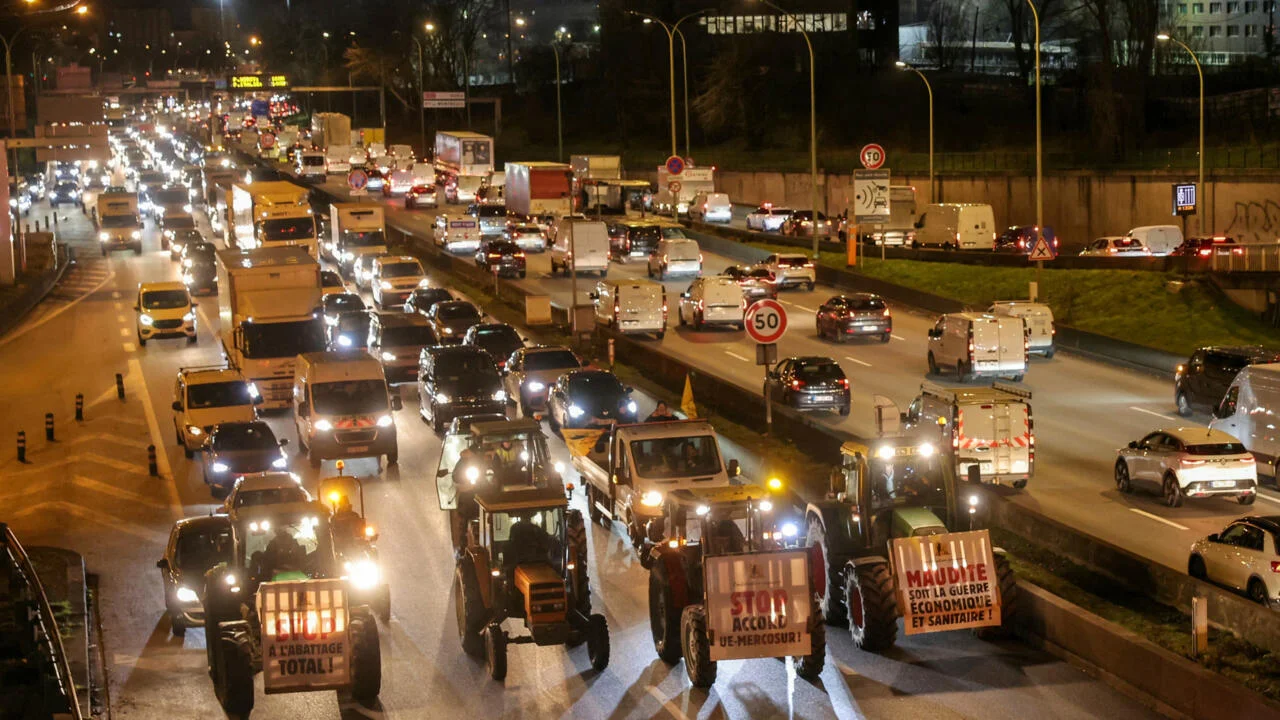
French farmers protested in Paris against the EU-Mercosur trade deal, fearing it will harm local agriculture by allowing cheaper imports from South America. Despite opposition from France and some other EU countries, the deal is expected to be approved by the EU, with support from Italy and other nations, after negotiations and concessions.
Italy is expected to support the EU-Mercosur free-trade agreement in a vote on January 9, 2026, paving the way for the EU to sign the deal with South American countries, which would create a large market, reduce tariffs, and enhance Europe's global economic influence, despite opposition from France and concerns over agricultural protections.
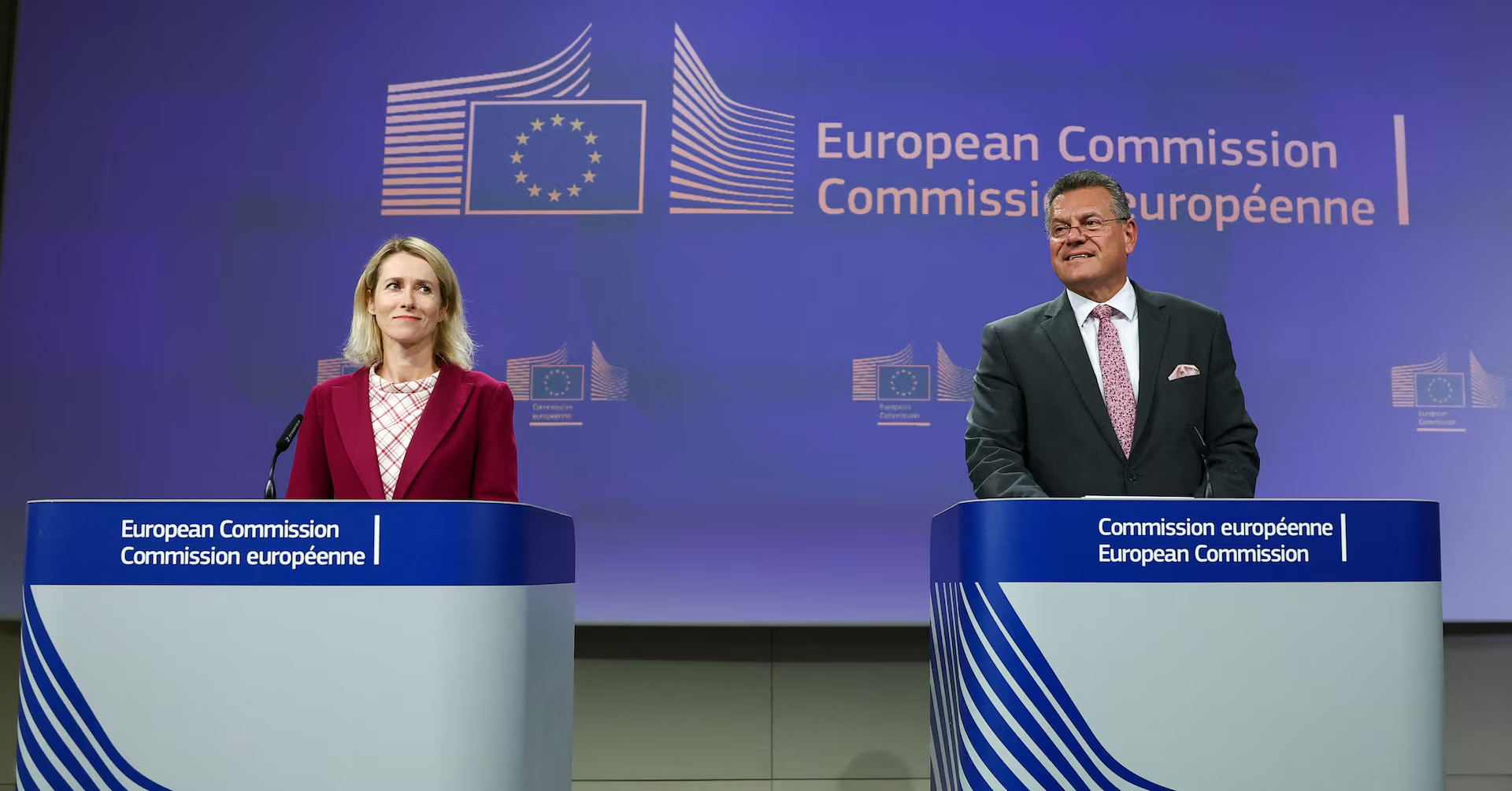
The European Commission is seeking approval for a trade agreement with Mercosur, aiming to offset US tariffs and reduce reliance on China, despite opposition from EU farmers, France, and green groups. The deal includes safeguards for sensitive farm products and is part of the EU's broader strategy to diversify trade partnerships. Approval is uncertain as it requires a majority vote in the EU Parliament and among member states.
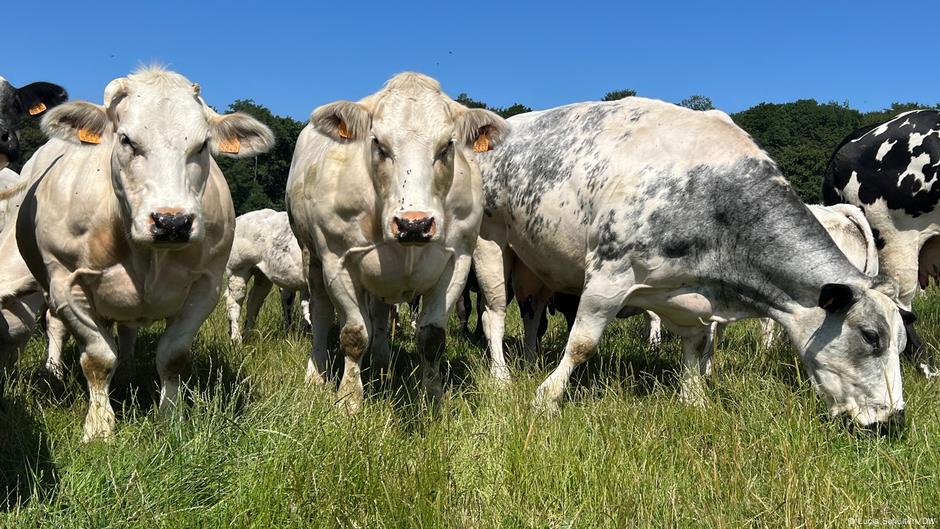
The EU-Mercosur trade deal, which aims to create the world's largest free trade area between the EU and Mercosur states (Brazil, Argentina, Paraguay, and Uruguay), is causing concerns among European ranchers. They fear that increased meat imports from Latin America, particularly Brazil, will negatively impact their livelihoods and drive down prices. Additionally, there are environmental concerns regarding cattle farming in Brazil, where inferior sanitary and environmental regulations are in place compared to Europe. Critics argue that enabling broader access to the EU market could lead to further deforestation. However, proponents of the trade deal see it as an opportunity for Brazilian farmers to expand their exports and regain market share. The finalization of the agreement is currently being negotiated, with environmental protection measures being a major stumbling block.