The European Union plans to implement a carbon border tax to reduce emissions and promote climate goals, despite facing opposition from some trade partners who are concerned about potential trade disruptions and economic impacts.
Brazil, supported by China, is bringing its opposition to the European Union's carbon border tax to the COP28 climate summit in Dubai. Brazil argues that the tax is discriminatory and could hinder global efforts to reduce emissions. Some countries are pushing for language in the negotiating text that criticizes measures like the carbon border tax. The tensions reflect the growing trade dispute between the EU and its partners, with China also challenging the tax at the World Trade Organization. Brazil and other emerging economies fear the tax could negatively impact their economies. The EU maintains that the tax is not affecting climate talks and suggests that trade disputes should be addressed at the WTO.
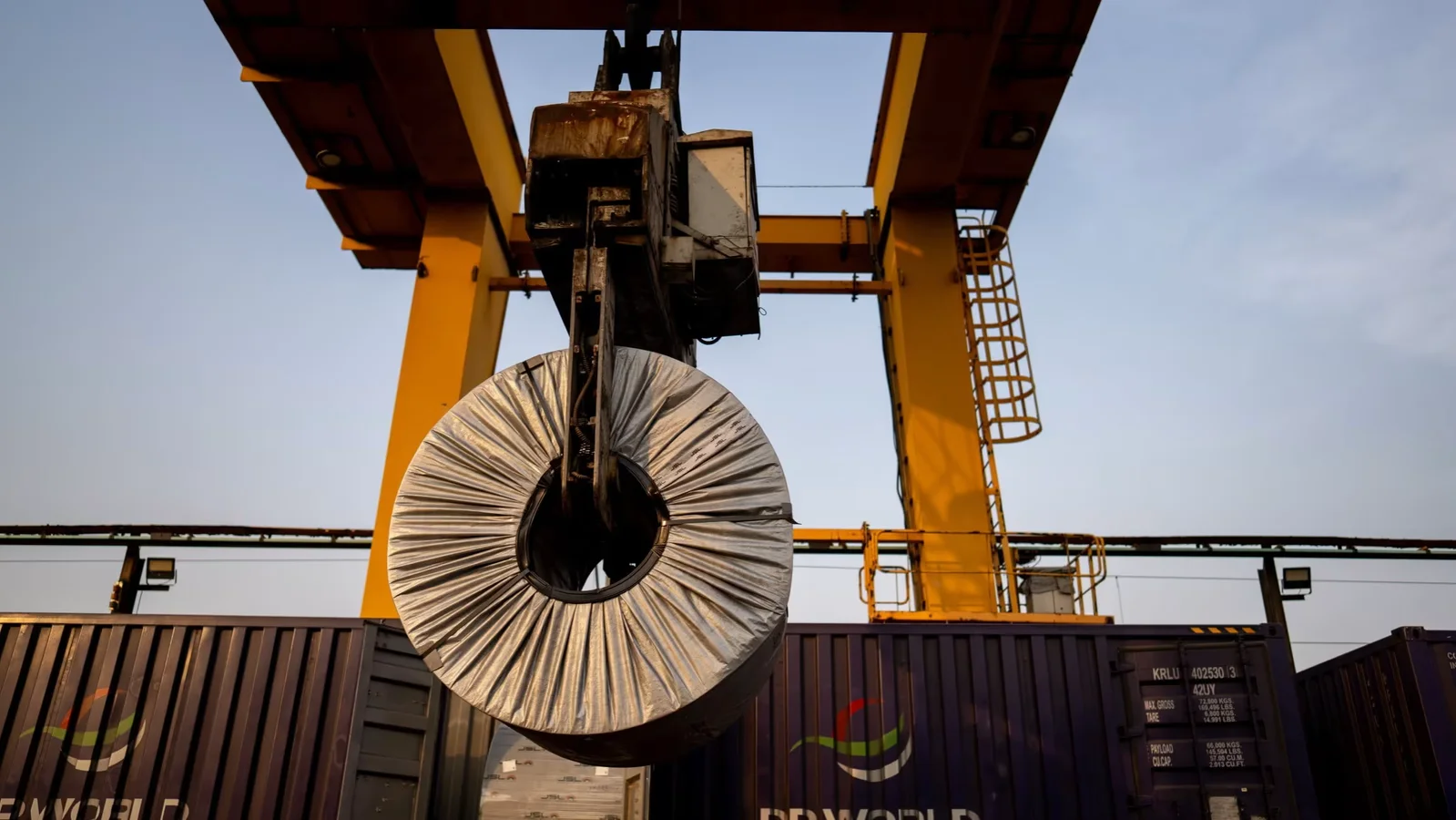
The European Union's carbon border tax, known as the Carbon Border Adjustment Mechanism (CBAM), has entered a trial period, requiring trading partners to report greenhouse gas emissions tied to their exports of certain goods. The aim of the tax is to protect EU companies from unfair competition and encourage other countries to implement their own carbon pricing. However, the CBAM has faced criticism from major trading partners, including Russia, China, the UK, and the US, who argue that it is discriminatory and harmful to global growth. Concerns have also been raised about the impact on the world's poorest countries and the readiness of businesses to comply with the paperwork requirements.
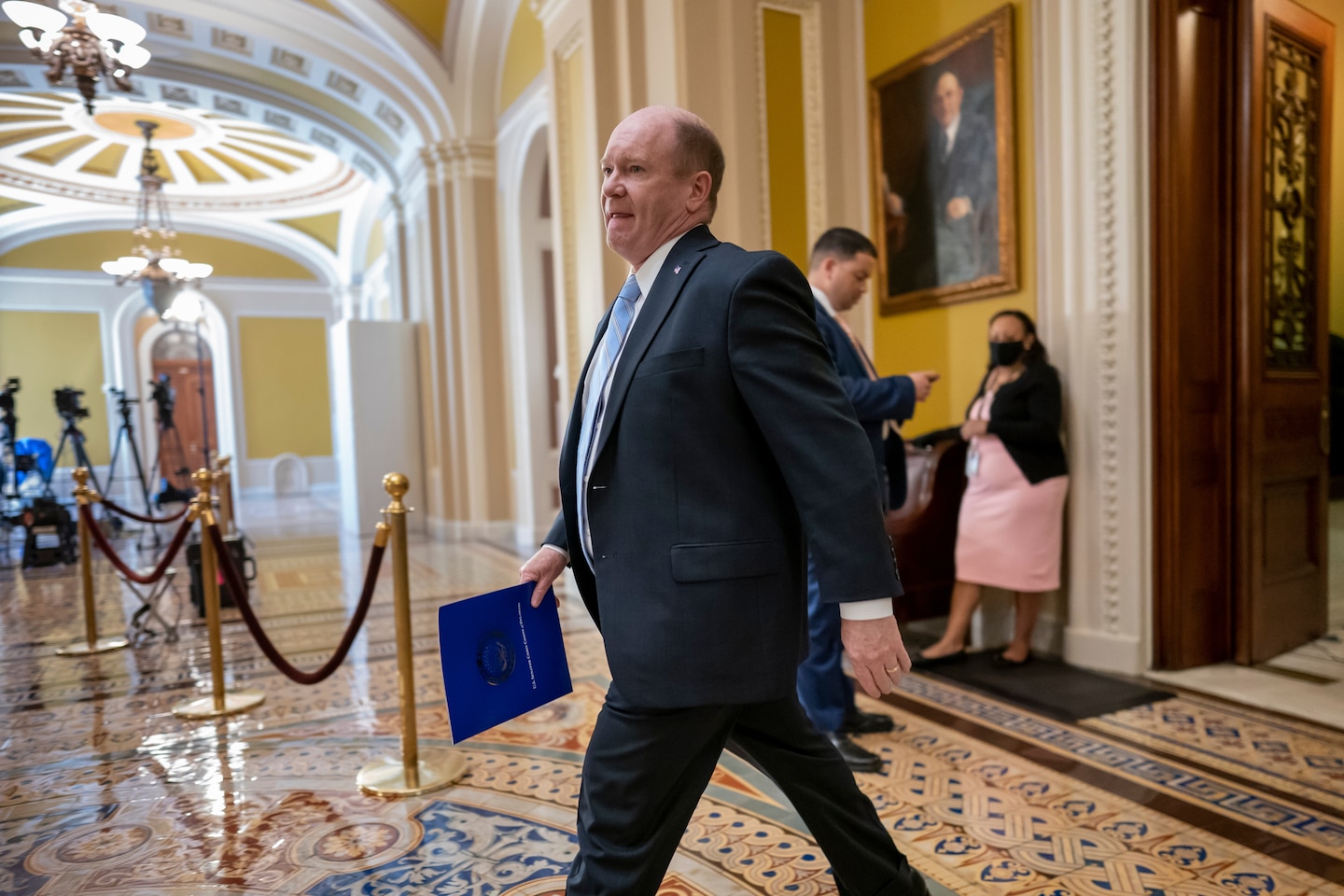
Senators Christopher A. Coons and Kevin Cramer will introduce a bipartisan bill that would lay the groundwork for America's first carbon border tax, which would impose fees on iron, steel, and other imports from countries that are not significantly reducing greenhouse gas emissions. The bill would require the Energy Department to study the emissions intensity of certain products produced in the United States and in certain countries. The goal is to use trade to advance American manufacturing and disadvantage dirty or high-emissions products, ultimately putting effective pressure on China, Russia, and India to dramatically reduce their emissions.