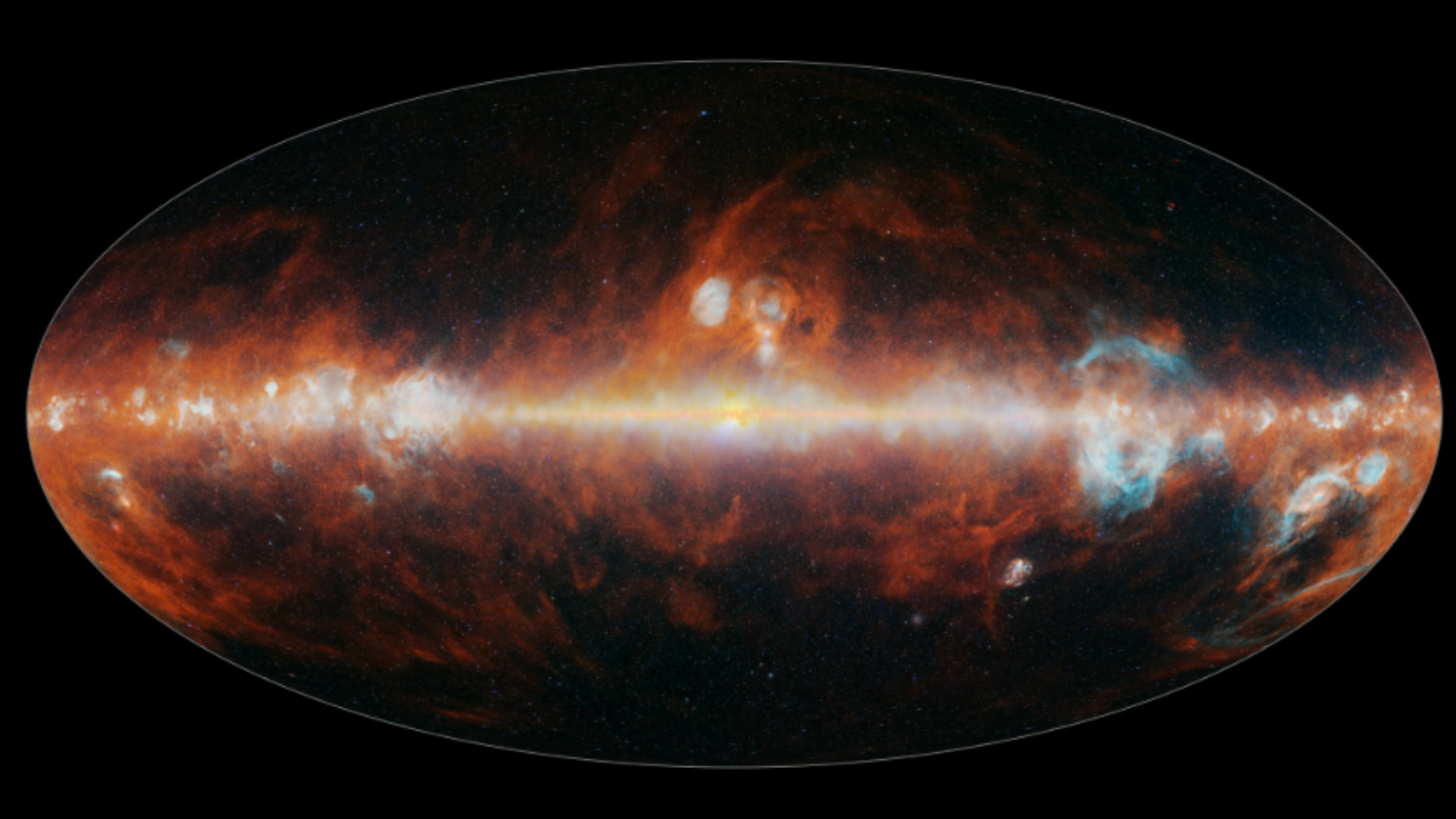
NASA's SPHEREx telescope has completed its first comprehensive infrared map of the entire sky, capturing 102 different wavelength images that provide valuable data for understanding the universe's origins and evolution, with more scans planned during its primary two-year mission.
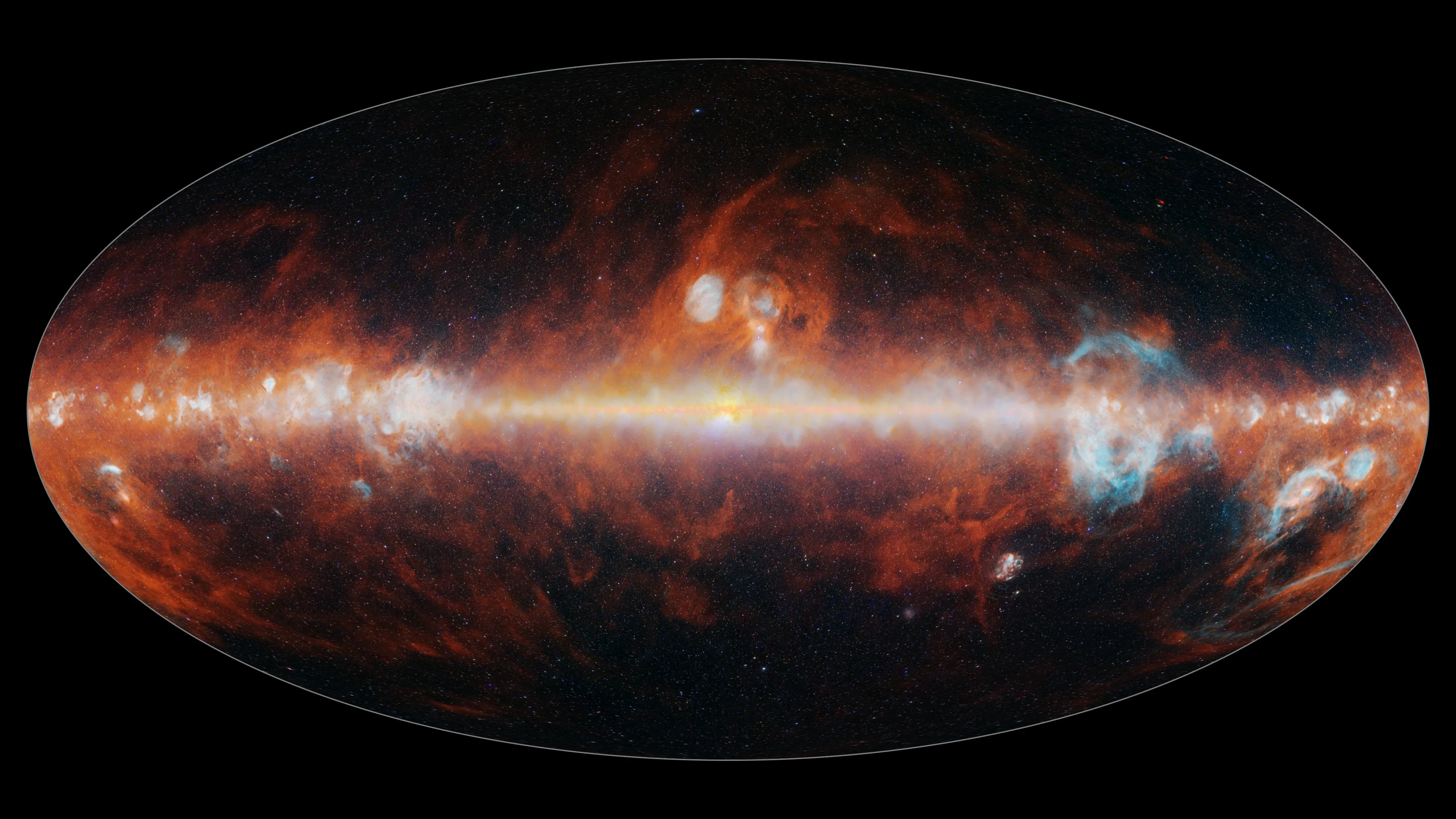
NASA's SPHEREx space telescope has completed its first all-sky infrared map in 102 colors, providing unique data to study the universe's early moments, galaxy evolution, and the distribution of life ingredients, with the dataset freely available for scientific research.
The James Webb Space Telescope has created the largest-ever map of the universe, revealing nearly 800,000 galaxies spanning 13.5 billion years, challenging existing cosmological models and opening new avenues for cosmic exploration.
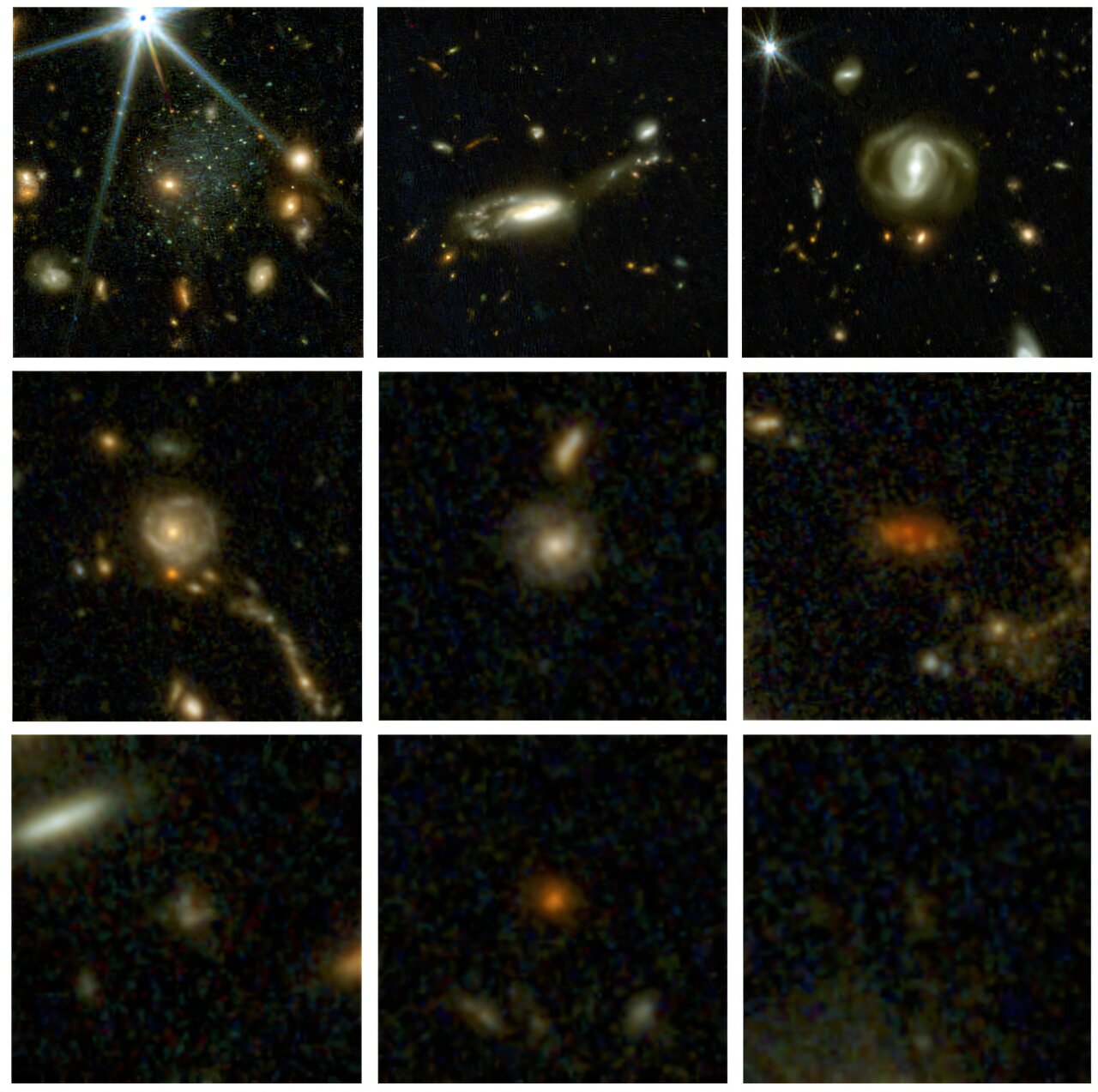
The COSMOS-Web project, utilizing the James Webb Space Telescope, has created the most detailed cosmic map to date, revealing nearly 800,000 galaxies and supermassive black holes from just after the Big Bang, prompting a reevaluation of cosmological models and promoting open data sharing for further discoveries.
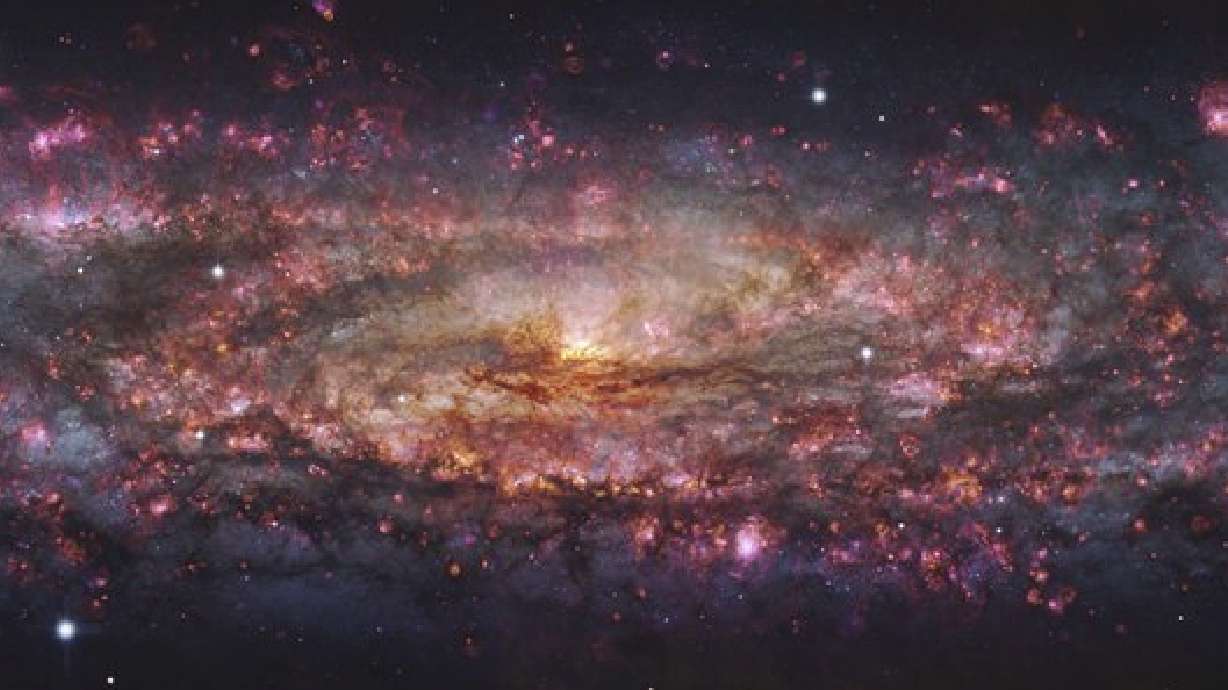
Astronomers used the European Southern Observatory's Very Large Telescope to create a highly detailed, colorful panoramic image of the nearby Sculptor galaxy, revealing its internal structure and thousands of colors that provide insights into its composition, age, and motion.
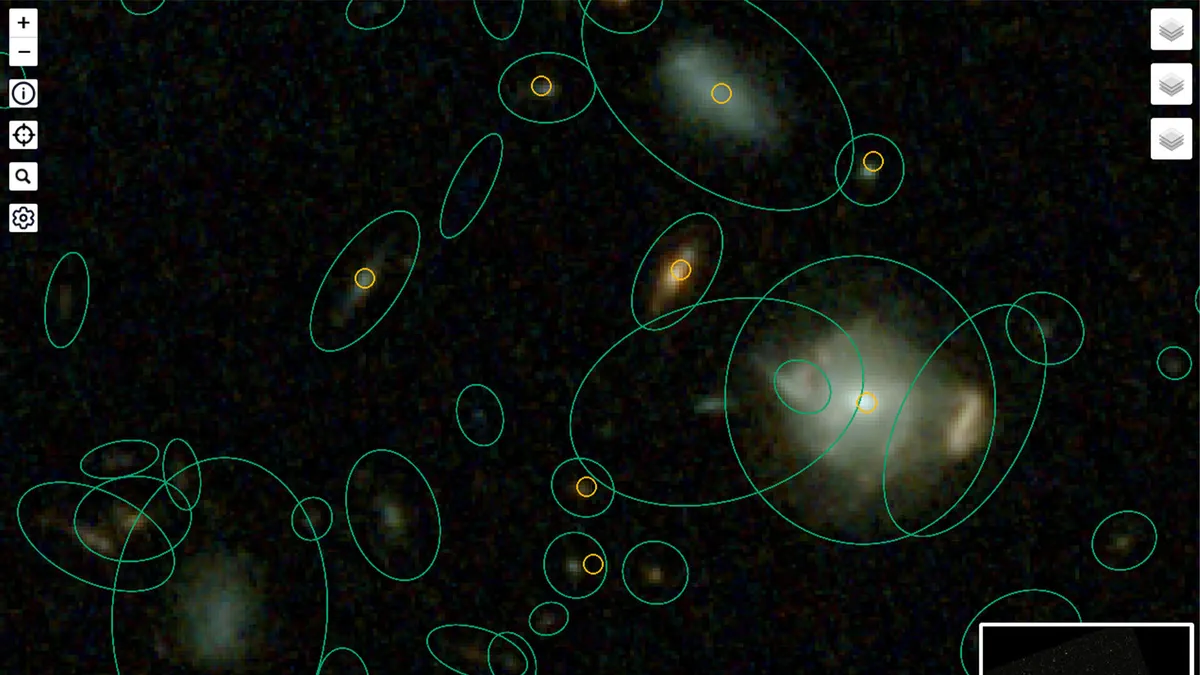
The largest publicly accessible space map, created from data by the James Webb Space Telescope, features nearly 800,000 galaxies across 0.54 square degrees, including some 13.5 billion-year-old objects, and is available for exploration via an interactive online viewer and data download, offering a new window into the early universe.
Scientists have created the largest-ever map of the universe using the James Webb Space Telescope, revealing nearly 800,000 galaxies across cosmic time, including some from as early as 13 billion years ago, providing new insights into the universe's formation and expansion.
The COSMOS-Web project, utilizing data from the James Webb Space Telescope, has created the largest map of the universe, revealing nearly 800,000 galaxies across cosmic time, challenging existing theories about the early universe by showing more galaxies and black holes than expected, and raising new questions about cosmic evolution.
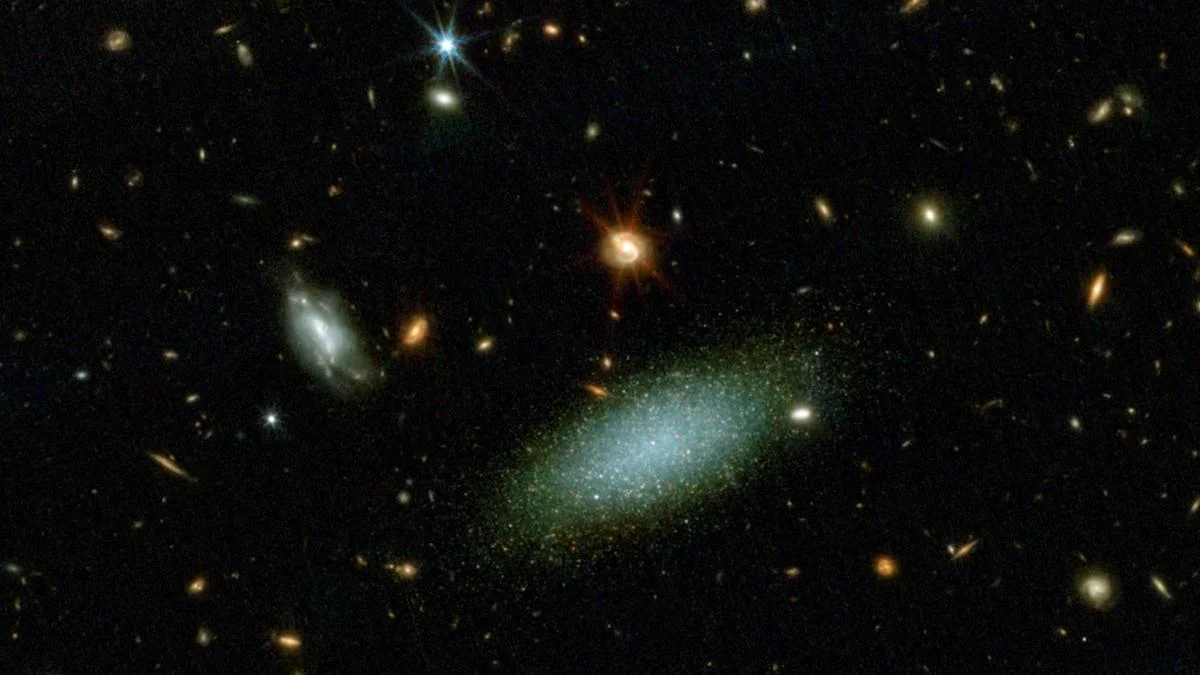
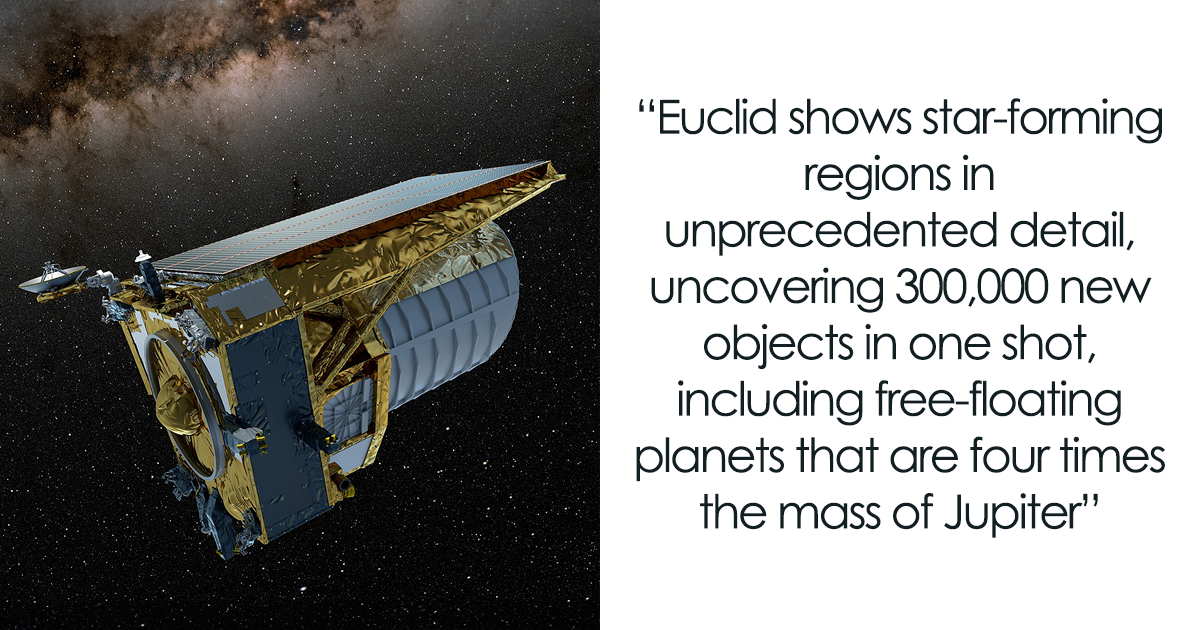
The European Space Agency's Euclid Space Telescope, launched in July 2023, has unveiled five highly detailed images of the cosmos using its 600-megapixel camera. These images, which are four times sharper than those from ground-based telescopes, range from star-forming regions in the Milky Way to clusters of galaxies. Euclid aims to create a cosmic map covering a third of the sky by 2030, enhancing the study of dark matter and the universe's evolution.