A study from the University of Bremen reveals that the brain's ability to focus depends on the precise timing of signals reaching nerve cells, which only process information if they arrive during brief receptive cycles, providing insights into attention mechanisms and potential applications in medicine and technology.
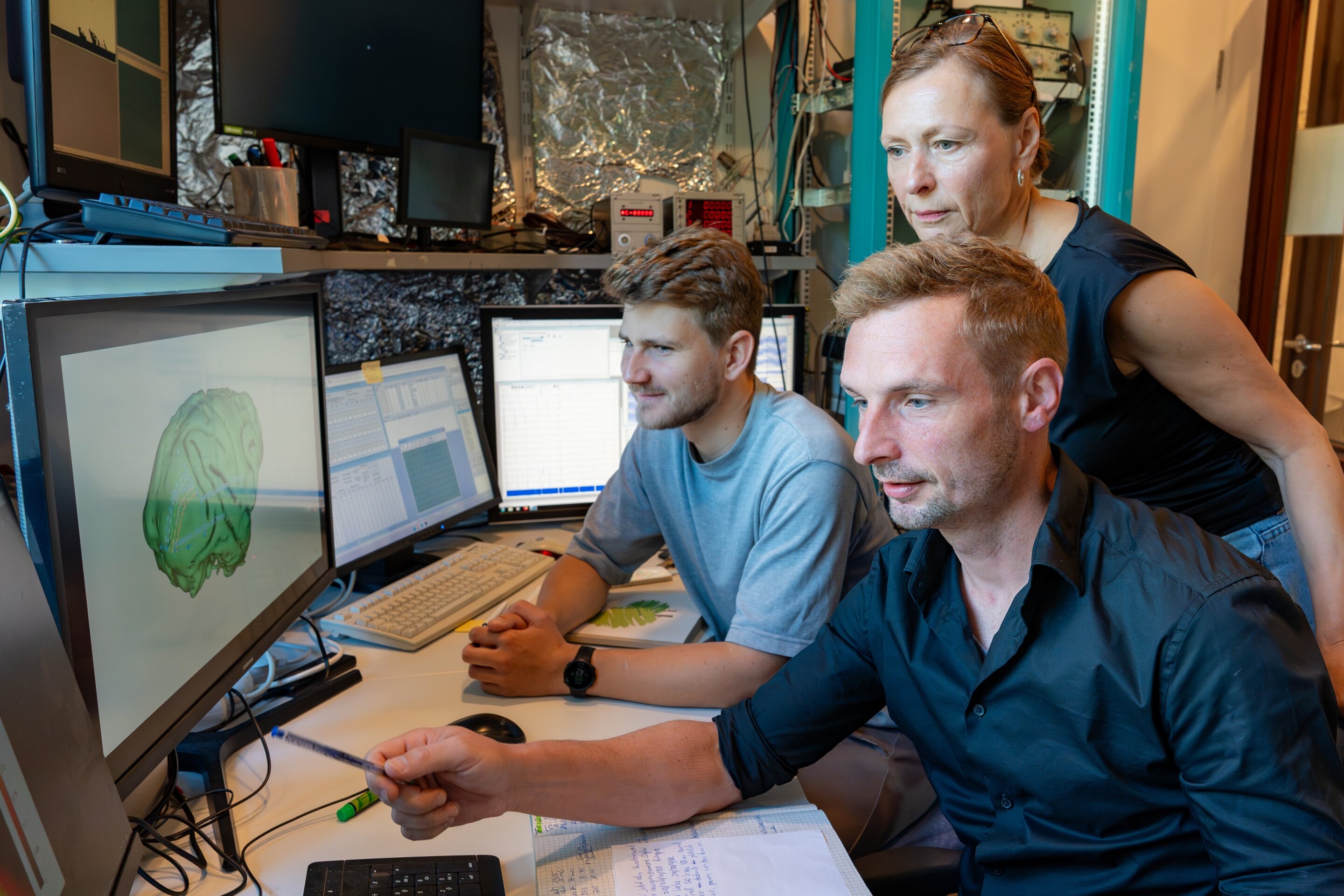
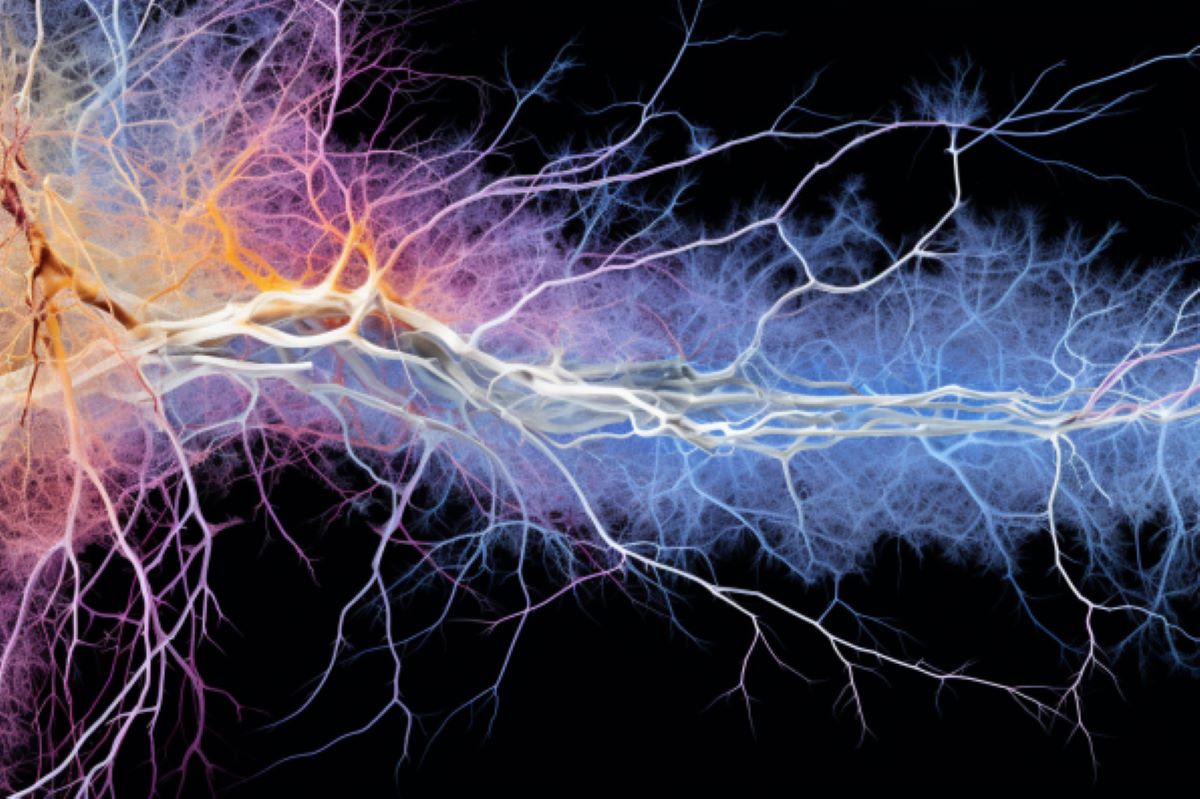
Neuroscientists have demonstrated for the first time that the precise timing of nerve signals, occurring during a short receptive window, is crucial for how the brain processes and prioritizes relevant information, with implications for understanding brain function and treating neurological disorders.
New research published in Cell reveals that neurons in the brain balance individual tasks and teamwork by devoting 40-50% of their effort to each, forming a fractal hierarchy that optimizes information processing and adaptability. This structure, found across five species, suggests a fundamental evolutionary principle for efficient and resilient brain function. Advances in calcium imaging have allowed scientists to observe this coordination, highlighting the brain's ability to adapt to change and maintain function even when some neurons misfire.
Researchers at Yale University have developed a new tool to estimate the energetic cost of information transfer between cells and molecular components in biological systems. The study confirms the high energy costs associated with this process and suggests that the geometry and physical details of the system play a significant role in determining these costs. The findings could help explain the high cost of information processing observed in experimental studies and provide insights into the design principles of different cell signaling strategies.
New research using DishBrain, a collection of 800,000 human neural cells learning to play Pong, provides strong evidence in support of the critical brain hypothesis. The study shows that when neurons receive task-related sensory input, they enter a near-critical state, where tiny inputs can trigger "avalanches" of brain activity. This state is crucial for complex behaviors and task performance. However, criticality alone is not enough for learning; a feedback loop providing information about the consequences of actions is also necessary. The research has implications for understanding brain diseases, developing brain-computer interfaces, and exploring real brain function.
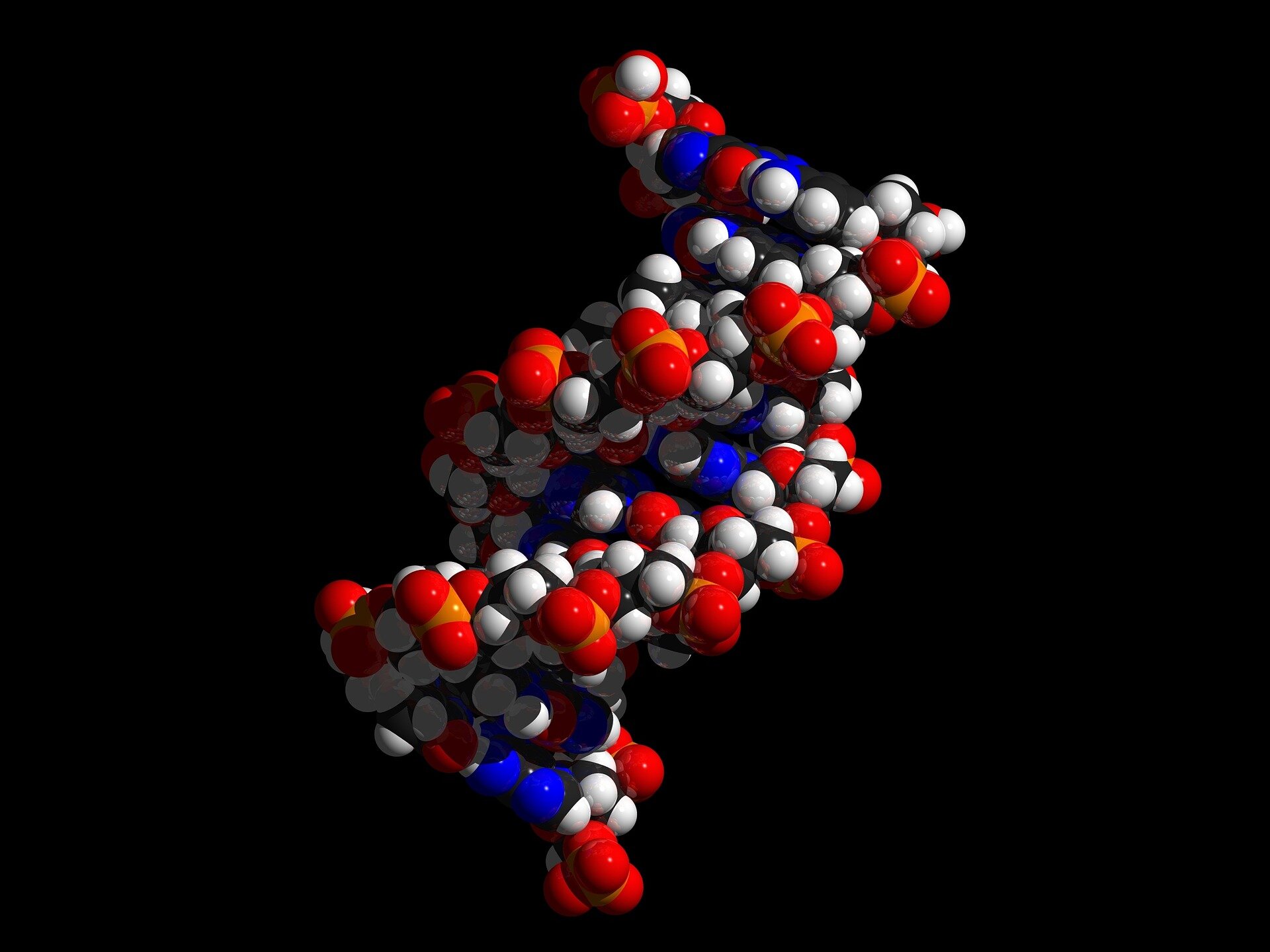
Linguists have applied a semiotic approach to understand the genetic code, comparing nucleotides to language elements. They introduced the concept of "semiotic nucleotides" to distinguish between codons. The research highlights that the genetic code has both biochemical and informational characteristics. By considering nucleotides as information carriers, researchers can describe genetic processes as operations with text. The study reveals that the position of nucleotides within codons affects their significance, with the third position often being irrelevant. The semiotic approach provides insights into the distinctive features of nucleotides and their role in distinguishing codons. This research expands our understanding of the genetic code and its complexities.
Researchers have provided strong evidence supporting the "critical brain hypothesis" through an experiment called DishBrain, which involved 800,000 human neural cells playing Pong. The study reveals that neurons shift into a "neural critical" state when informed about the surrounding environment, enabling cascades of brain activity. This state lies between epileptic excitation and a comatose stall. The findings offer insights into brain function and potential treatments for neurological disorders. However, the study also highlights that criticality alone is insufficient for learning; a feedback loop with additional action consequence information is necessary.
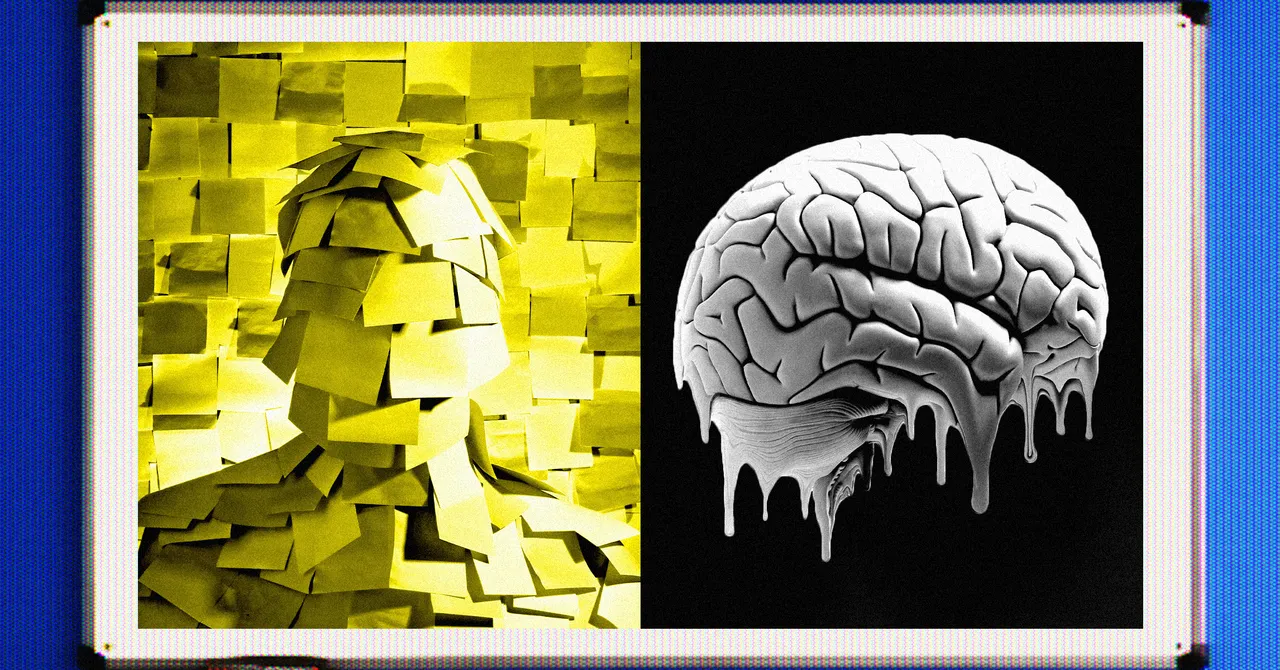
The rise of digital whiteboards, inspired by design thinking and marketed for visual collaboration, has led to an overreliance on sticky notes as a means of conveying and processing information. While these boards offer useful features for spatial tasks, such as arranging images or making diagrams, the majority of their users spend their time writing on virtual sticky notes. This has transformed Post-it collages into fully fledged documents, with countless templates available for creating written records. However, critics argue that this focus on fragmented ideas and the aesthetic of innovation can hinder true problem-solving and result in a lack of tangible solutions.
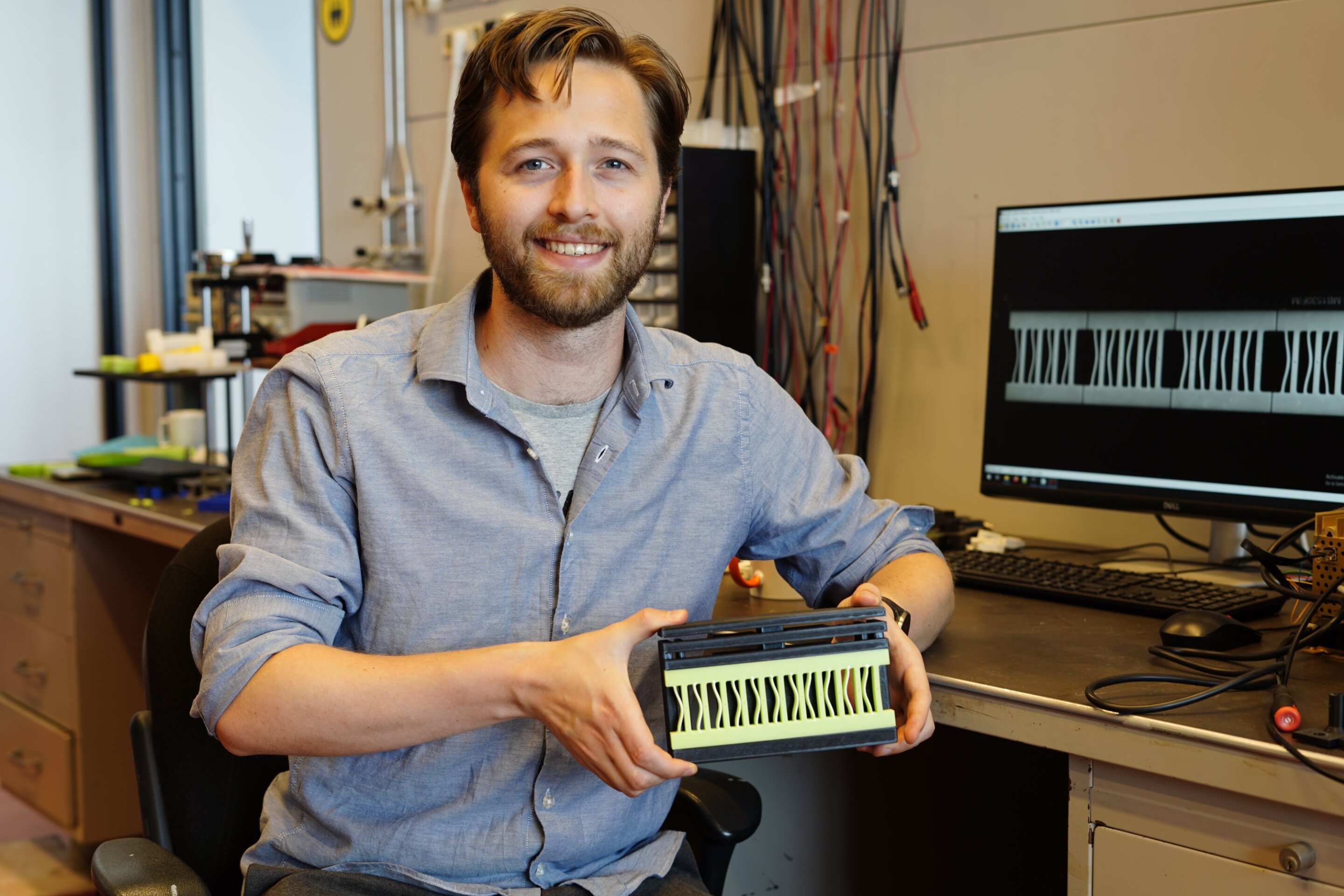
Physicists from Leiden University and AMOLF Amsterdam have developed a mechanical metamaterial made of rubber that can count up to ten and remember the order in which it is pressed. The material consists of beams that bend in a specific pattern when pushed, allowing it to perform simple computations. The researchers also discovered that different levels of force can elicit different reactions in the material, creating a lock-like mechanism. This inexpensive and robust metamaterial has potential applications in various fields, such as counting cars on a bridge or creating customizable pedometers. The team plans to explore more complex structures for advanced information processing.
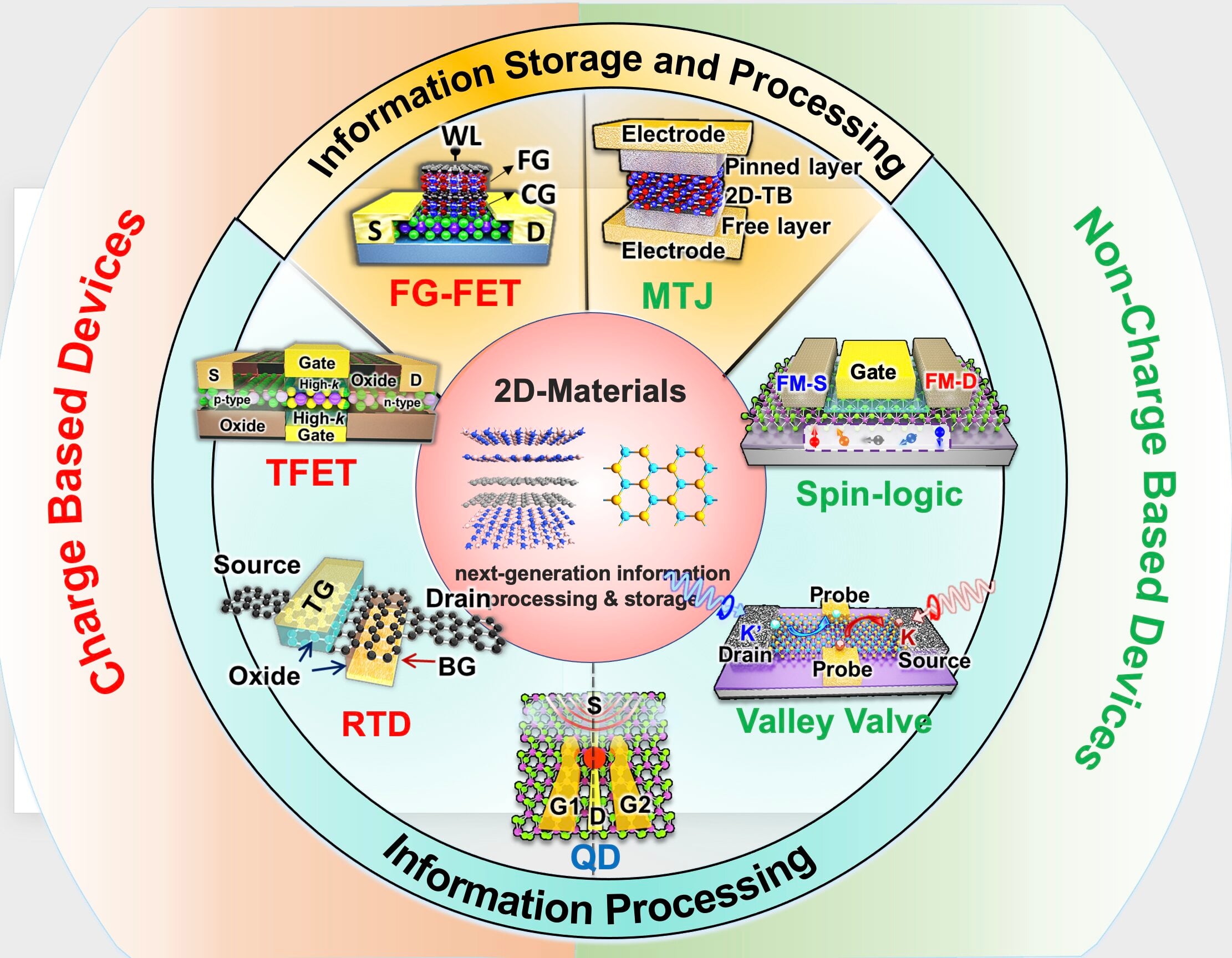
Researchers at UC Santa Barbara have developed new devices based on 2D materials that could enhance information processing and data storage while consuming less power and generating less heat. The devices include a spin-based field-effect transistor, a charge-based field-effect transistor, a charge-based floating-gate field-effect-transistor, and magnetic tunnel junctions. The unique properties of 2D materials also make it possible to efficiently design newer types of qubits for quantum computing, including spin-, valley-, and spin-valley qubits. These emerging devices offer the promise of energy-efficient high-performance computing and storage, enabling beyond-Moore integration and sparking new explorations in solid-state physics and their applications.