Many animal species, including birds, insects, mammals, and reptiles, can discriminate quantities and perform basic numerical tasks, often using an innate approximate number system (ANS). While some animals like parrots and chimpanzees can approach true counting, most are limited to quick comparisons and simple estimations rather than complex arithmetic. The ability to do actual math, involving symbols and operations like addition and subtraction, appears to be rare and mostly observed in trained animals.
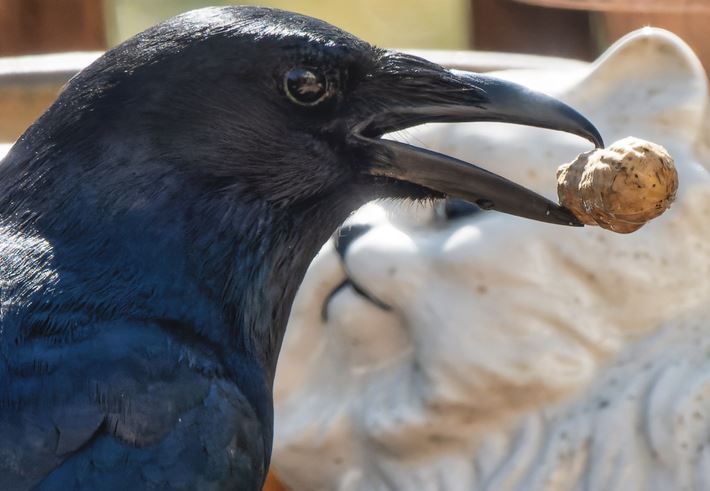
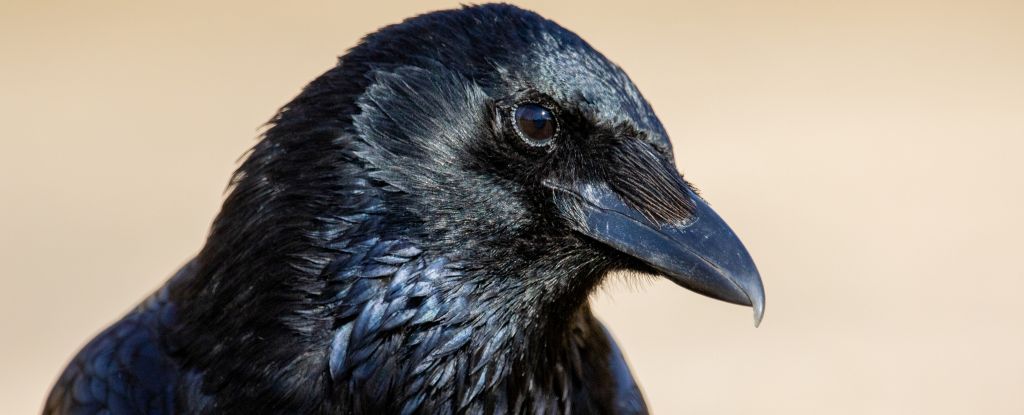
A new study reveals that crows can count out loud, demonstrating numerical abilities and vocal control comparable to human toddlers. Researchers found that crows could reliably count to four with their caws, suggesting they might be able to go higher if needed. This discovery highlights the sophisticated cognitive skills of crows, using a nonsymbolic number estimation system shared by humans and animals.
A new study by researchers at the University of Tübingen has found that crows can count up to four and match the number of calls they make when shown a numeral. This discovery, published in the journal Science, highlights the advanced numerical thinking and planning abilities of crows, challenging the notion that animals are merely stimulus-response machines. The findings add to the growing body of evidence on crow intelligence and their ability to understand abstract numbers.
A new study reveals that crows can count out loud, producing a specific number of caws in response to visual and auditory cues. This ability, which requires both numerical understanding and vocal control, has not been observed in other non-human species. The research, conducted on three carrion crows, shows that they can flexibly produce between one and four vocalizations, similar to how human toddlers count before mastering symbolic numbers. This discovery could indicate a new form of avian communication and suggests an evolutionary precursor to true counting.
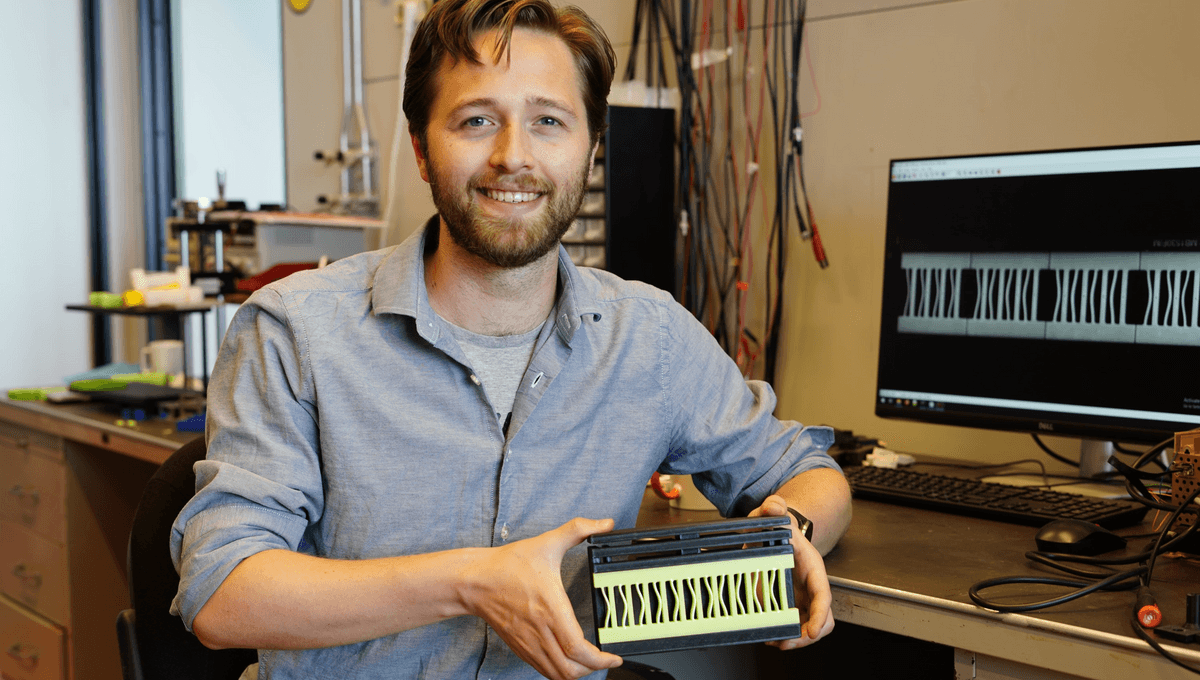
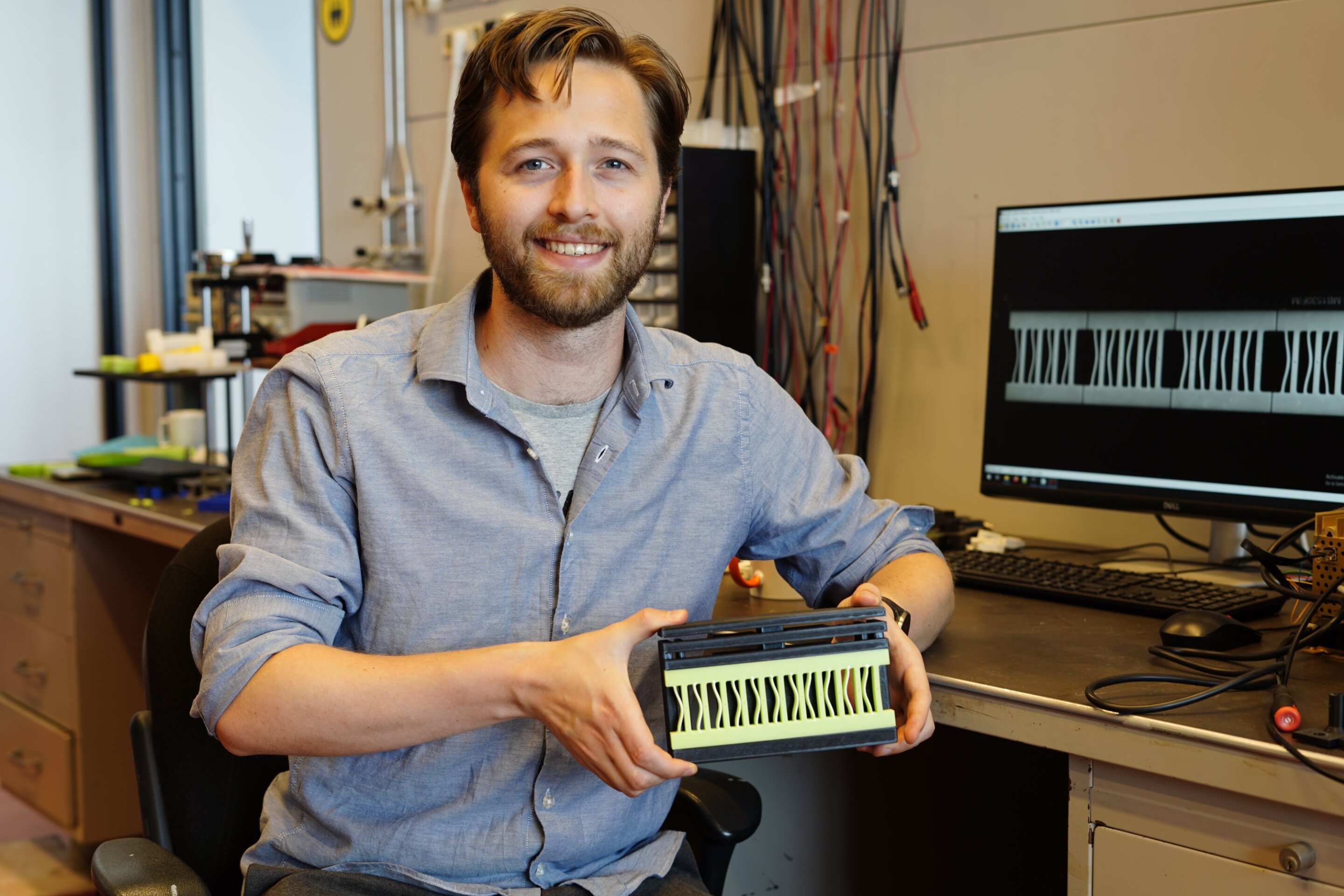
Physicists at Leiden University have created a block of rubber that can count simply by being carved into a ceiling, floor, and pairs of beams. The rubber block, called a "beam counter," can record the number of times it has been pushed by bending its beams in a specific sequence. This simple yet impressive feat demonstrates that inanimate objects can perform mathematical tasks without sophisticated circuit boards. The researchers believe this rubber counting mechanism could have applications in fields such as bridge engineering and could potentially be expanded to count larger numbers.
Physicists from Leiden University and AMOLF Amsterdam have developed a mechanical metamaterial made of rubber that can count up to ten and remember the order in which it is pressed. The material consists of beams that bend in a specific pattern when pushed, allowing it to perform simple computations. The researchers also discovered that different levels of force can elicit different reactions in the material, creating a lock-like mechanism. This inexpensive and robust metamaterial has potential applications in various fields, such as counting cars on a bridge or creating customizable pedometers. The team plans to explore more complex structures for advanced information processing.
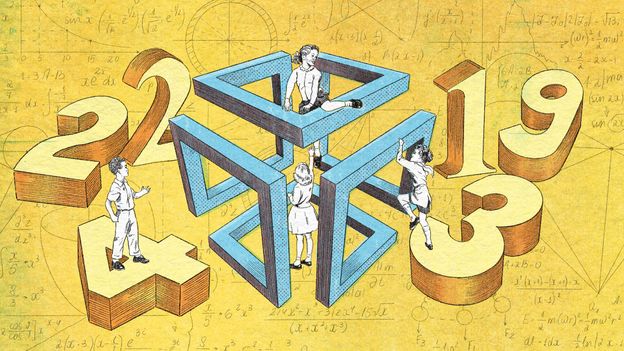
There are numbers so large that they cannot be imagined or expressed, and some infinities are larger than others, according to mathematicians. The largest number is infinite, but there are hierarchies of ever-bigger numbers beyond trillions, such as quadrillions, quintillions and sextillions. A centillion has 303 zeroes in the US version, and a googol is a one followed by 100 zeroes. A googol plex is 10 to the power of a googol, and there are numbers smaller than a googol plex that cannot be reduced to a simpler notation or a single word.