
Advancing Materials Science with Quantum Computing and 2D Materials
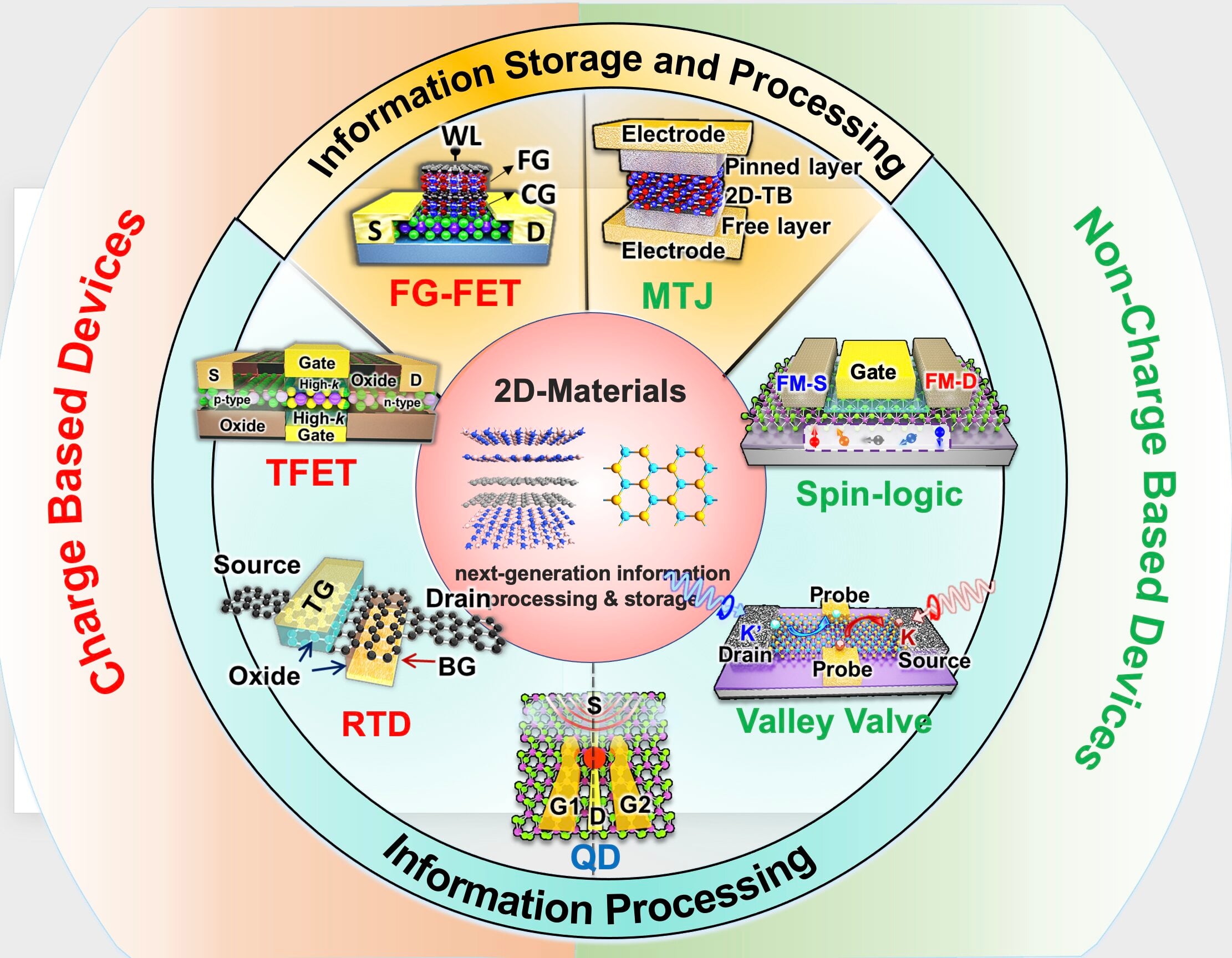
Researchers at UC Santa Barbara have developed new devices based on 2D materials that could enhance information processing and data storage while consuming less power and generating less heat. The devices include a spin-based field-effect transistor, a charge-based field-effect transistor, a charge-based floating-gate field-effect-transistor, and magnetic tunnel junctions. The unique properties of 2D materials also make it possible to efficiently design newer types of qubits for quantum computing, including spin-, valley-, and spin-valley qubits. These emerging devices offer the promise of energy-efficient high-performance computing and storage, enabling beyond-Moore integration and sparking new explorations in solid-state physics and their applications.
Reading Insights
0
1
6 min
vs 7 min read
92%
1,226 → 99 words
Want the full story? Read the original article
Read on Phys.org