Tag

Industrial Policy

All articles tagged with #industrial policy

economy3 months ago

Europe Faces Rising Risks from China's Growing Export Power

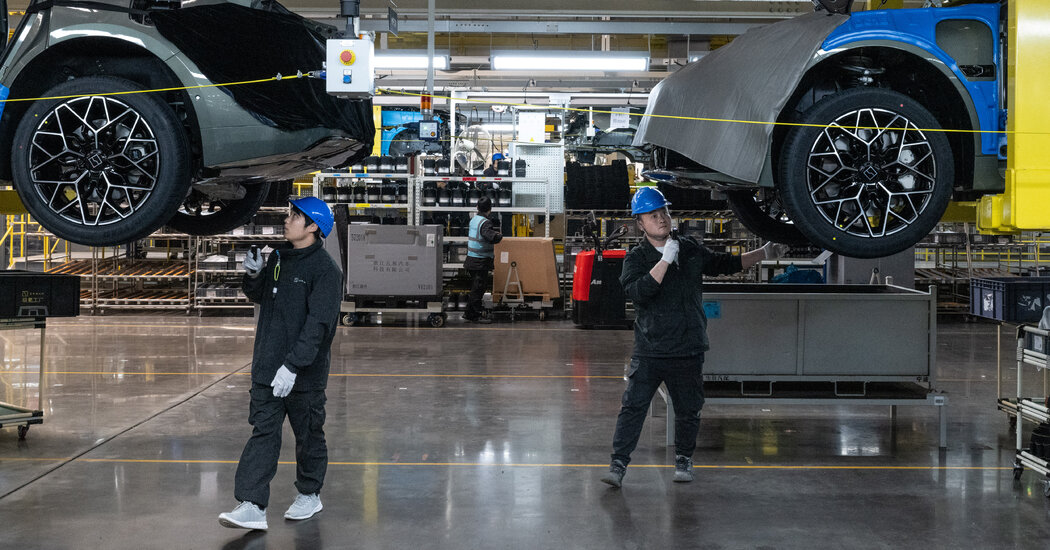
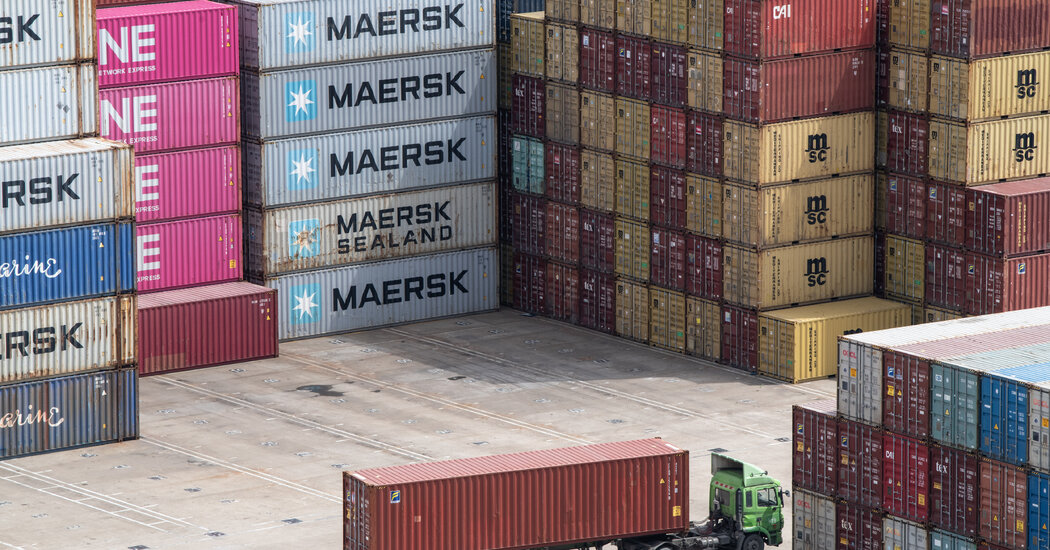
Germany, which thrived during the first China Shock due to its specialized manufacturing exports and strategic trade relationships, now faces a potentially catastrophic second China Shock as China rapidly advances in high-tech manufacturing and becomes a direct competitor, threatening Germany's export-led economy and prompting calls for policy reforms and increased domestic demand.

politics4 months ago

Critics Warn Against Trump's U.S. Chip Industry Investments

The Trump administration's decision to acquire a 10% stake in Intel has faced criticism from conservatives and economists who argue it undermines free enterprise and risks politicizing business decisions, raising concerns about cronyism and the direction of U.S. industrial policy, despite the administration's goal to boost domestic chip production and technological competitiveness.

business1 year ago

"Revitalizing Britain's Economy with Stronger Government Intervention"

The Labour Party, under Keir Starmer, is set to introduce a new economic agenda emphasizing a stronger government role to address Britain's economic challenges, including slow growth and low productivity. This approach, reminiscent of global trends, aims to revitalize the economy but is being closely watched due to past failures and the competitive nature of international government interventions.

economy1 year ago

IMF Boosts China's Growth Forecast to 5% After Strong Q1

The International Monetary Fund has raised its forecasts for China's economic growth, predicting a 5% increase this year and 4.5% in 2025, driven by surging exports and factory investments. However, the IMF questions China's extensive support for export-focused industries and highlights significant challenges in the housing market, including overbuilding and unsold apartments.

global-economy1 year ago

"China's Bold Industrial Strategy: A Glimpse into the Future"

China has surged ahead in global manufacturing, particularly in clean energy, by leveraging government and banking power, and fostering competition among private companies. The U.S. and Europe are now trying to catch up by investing heavily in domestic industries and blocking Chinese products, but China's decades of experience and infrastructure investments give it a significant advantage.

international-relations1 year ago

"Yellen Urges China Policy Shift and Touts More Stable US-China Relationship"

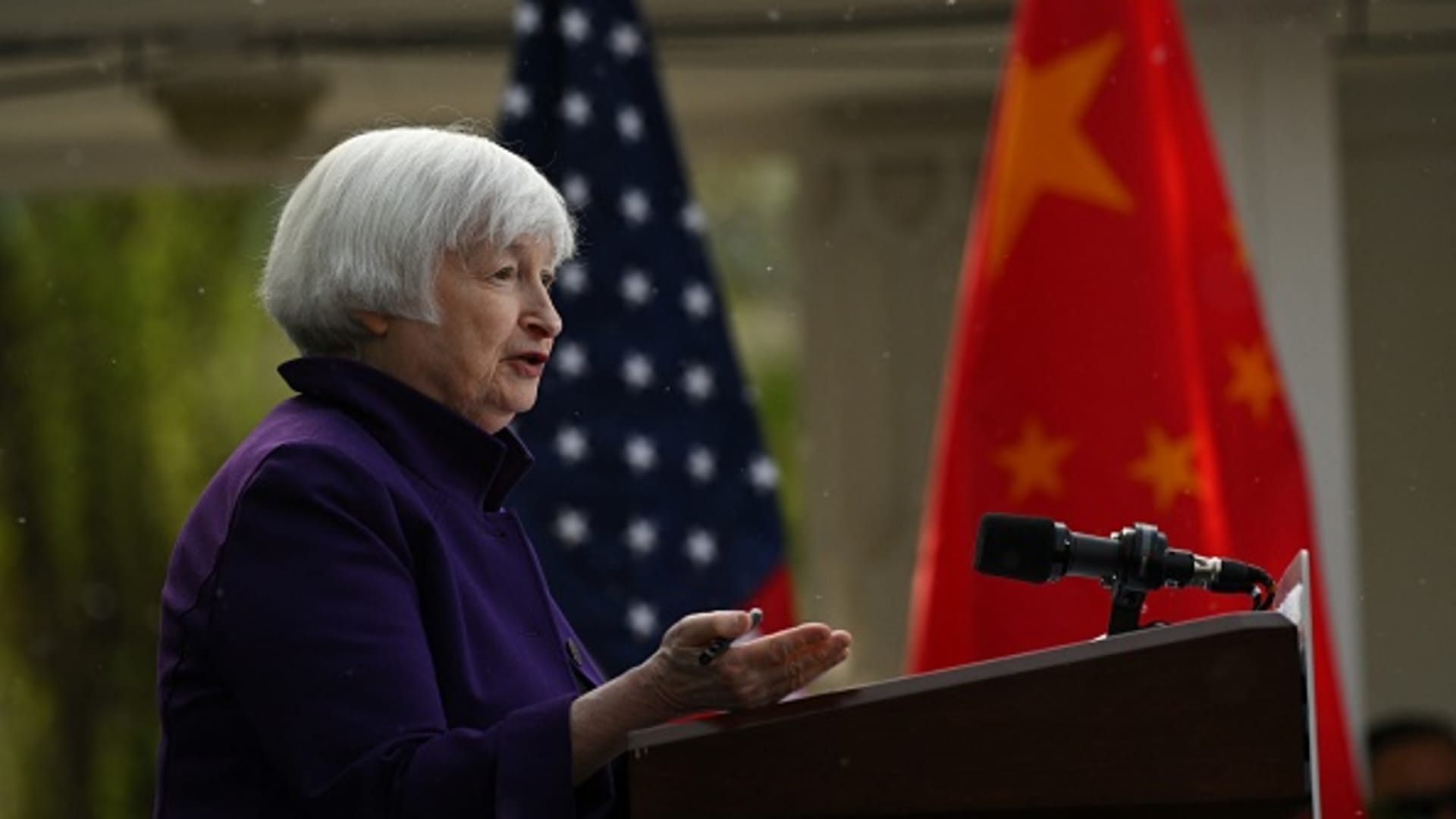
US Treasury Secretary Janet Yellen emphasized the need for China to shift its industrial and economic policies during her recent trip to China, focusing on issues such as industrial overcapacity and boosting domestic demand. Yellen also discussed national security concerns and economic cooperation with top Chinese officials, aiming to maintain open communication and address differences between the two countries.

business1 year ago

Yellen Advocates for Fair Trade and Diplomacy in China Relations

Treasury Secretary Janet Yellen met with Vice Premier He Lifeng of China to urge the country to reduce its green energy exports, citing threats to the US electric vehicle and solar sectors. Yellen's push comes as the Biden administration subsidizes its own clean energy industries, posing a diplomatic test as it could inflame trade tensions between the two largest economies. Yellen warned that China's cheap green technology exports could disrupt global supply chains and advised China to focus on boosting domestic consumption instead.

business1 year ago

Arctic Town's Green Energy Boom Dashed by Bidenomics

The small Norwegian town of Mo i Rana, near the Arctic Circle, had high hopes for a green energy boom with the construction of a modern factory by the electric battery company Freyr. However, the Biden administration's Inflation Reduction Act, offering significant tax breaks and grants for clean energy technology, prompted Freyr to pause its Norway facility and focus on setting up shop in the United States instead. This shift reflects the global competition among nations to attract green industries, leaving Mo i Rana and its local authorities disappointed as they had hoped the factory would bring economic growth and employment opportunities to the region.

business-politics2 years ago

"Japanese Acquisition of U.S. Steel Raises Concerns Over National Security and Labor Agreements"

U.S. Steel's acquisition by Japanese competitor Nippon Steel for $14.1 billion has put President Biden in a difficult position as he aims to revitalize American industry while maintaining international alliances. Pressure from both Democrats and Republicans to block the sale on national security grounds highlights the challenges of balancing domestic industrial revival with foreign investment. The proposed acquisition tests Biden's commitment to creating and retaining high-paying union manufacturing jobs in the United States, and the administration is reviewing the deal amid concerns about potential job losses and impact on national security.

politics2 years ago

"Bipartisan Infrastructure Law Sparks Electric Vehicle Growth Amid Bidenomics Challenges"

President Joe Biden's plan to build a nationwide network of chargers for electric cars is facing challenges due to politics and the limitations of his "Bidenomics" approach. Despite pledging to install half a million chargers, not a single new charger has been installed with the allocated $7.5 billion from the infrastructure bill. Biden's insistence on quantity over quality has resulted in slower Level 2 chargers that are inadequate for road trips. Additionally, the Buy American provision in the bill and the rejection of flexibility requests have further hindered progress. The blending of politics and industry in industrial policy often derails ambitious goals, and both Democrats and Republicans have faced frustrations in implementing their corporatist approaches.

business2 years ago

"Debt Ceiling Vote Reveals GOP's Failure to Address Environmental Concerns"

The recent debt-ceiling debate failed to address the victory of the green blob over effective industrial policy. America's manufacturing sector has declined due to outsourcing to China, and the country now relies heavily on China for many goods. The Inflation Reduction Act, which was supposed to support American industry through subsidies and tax credits, was a dud as it allocated most of its funds to green-energy subsidies. Republicans need a coherent vision of industrial policy to strengthen the American economy, as the greedy green blob could absorb all available funds and continue the country's steady decline.