France’s President Macron says Europe faces a geopolitical and geo-economic state of emergency, calling for rapid EU investment and the removal of growth barriers to compete with American technology and Chinese imports, or risk being swept aside.
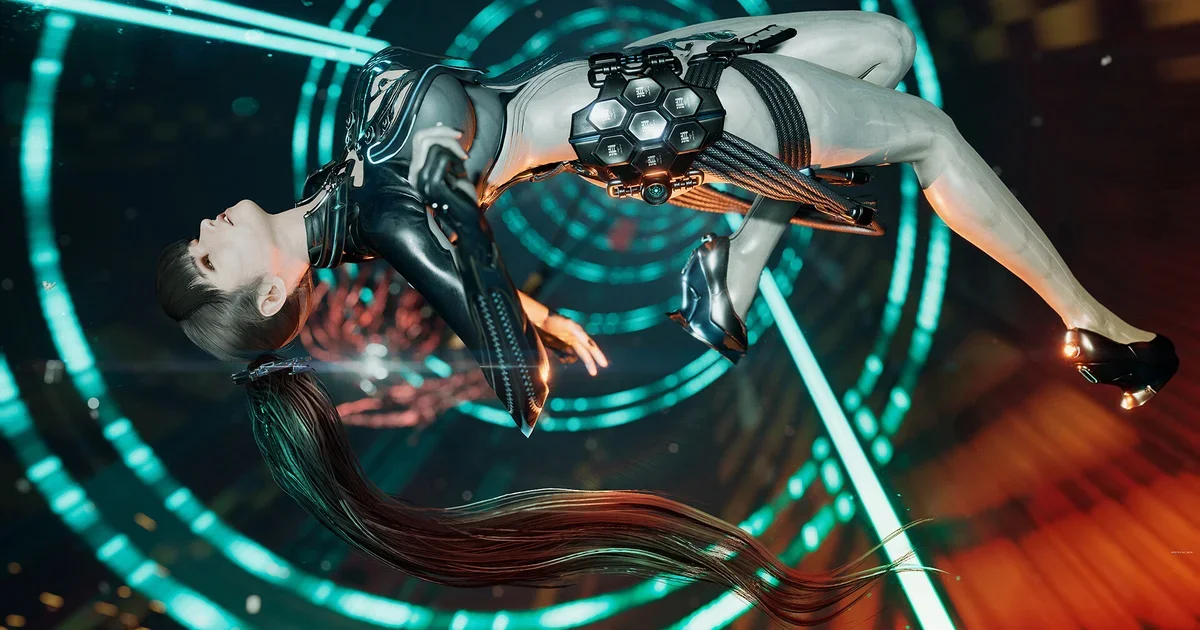
Stellar Blade director Hyung-tae Kim says AI is an essential tool for South Korea to compete globally against China and the US, as the country shifts from MMO-focused trends to AAA projects; he argues AI can boost productivity—potentially letting one person do the work of 100—though the broader job impact and the outcomes of widespread AI adoption remain debated.
Shift Up CEO Hyung-tae Kim says South Korea must embrace generative AI to compete with China and the US, arguing AI can let a small team do the work of hundreds and help safeguard jobs, though matching larger studios remains a challenge.
The EU is developing a new AI strategy to promote homegrown AI technologies, reduce reliance on US and Chinese providers, and enhance its industrial and security capabilities, with a focus on sectors like healthcare, defense, and manufacturing, supported by €1bn in funding.
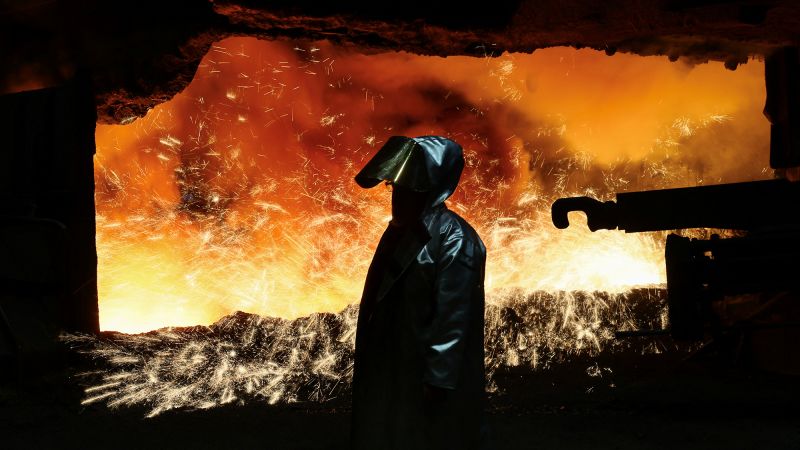
Thyssenkrupp Steel plans to cut 11,000 jobs by 2030, about 40% of its workforce, to improve competitiveness amid global overcapacity and cheap imports, particularly from Asia. This move reflects broader challenges in Germany's industrial sector, including high energy costs and competition from Chinese rivals. The German economy, already shrinking, faces significant transformation needs, with calls for substantial investment in infrastructure and green technologies.
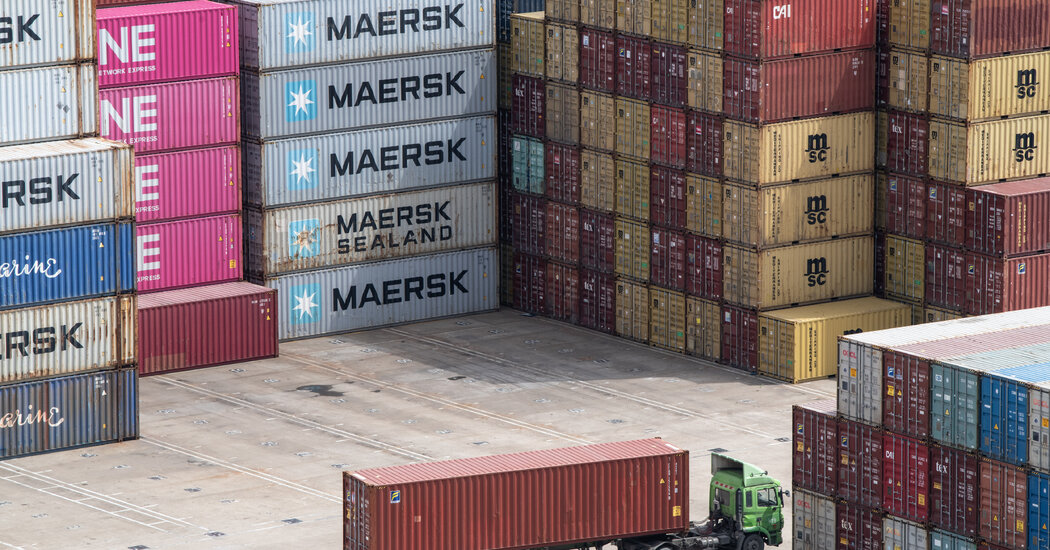
China has surged ahead in global manufacturing, particularly in clean energy, by leveraging government and banking power, and fostering competition among private companies. The U.S. and Europe are now trying to catch up by investing heavily in domestic industries and blocking Chinese products, but China's decades of experience and infrastructure investments give it a significant advantage.
China issues a warning to the West about the "survival of the fittest" as its manufacturing sector continues to bolster the economy, emphasizing the need for global competition. This comes amid ongoing tensions in international trade and economic relations.
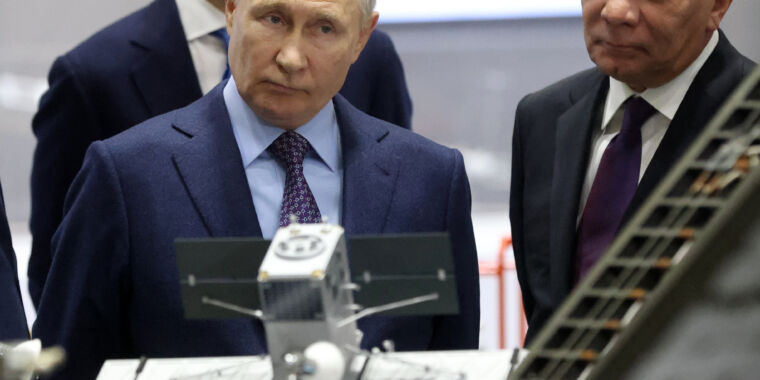
Russia's once-dominant position in the global launch market has been eroded by reliability issues with its Proton rocket and the limited capabilities of its next-generation Angara rocket, leading to a decline in launches compared to competitors like SpaceX and China. To regain its position, Russia's space corporation chief, Yuri Borisov, outlined a plan to develop a partially reusable replacement for the Soyuz rocket called Amur-CNG, as well as "ultralight" boosters with reusability. However, the timeline for these developments has been pushed back, and it remains uncertain if Russia can restore its dominance in the global launch services market by 2028-2029 as hoped.
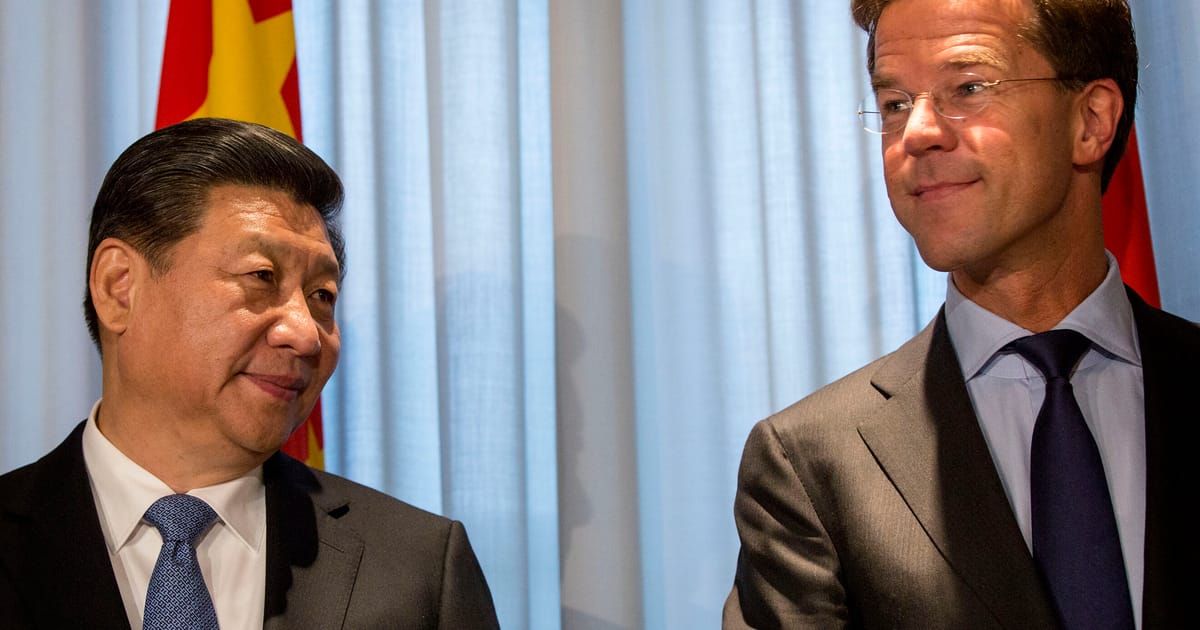
Chinese President Xi Jinping warns Dutch Prime Minister Mark Rutte against interfering with China's access to Dutch technology, as the global competition for technological dominance intensifies.
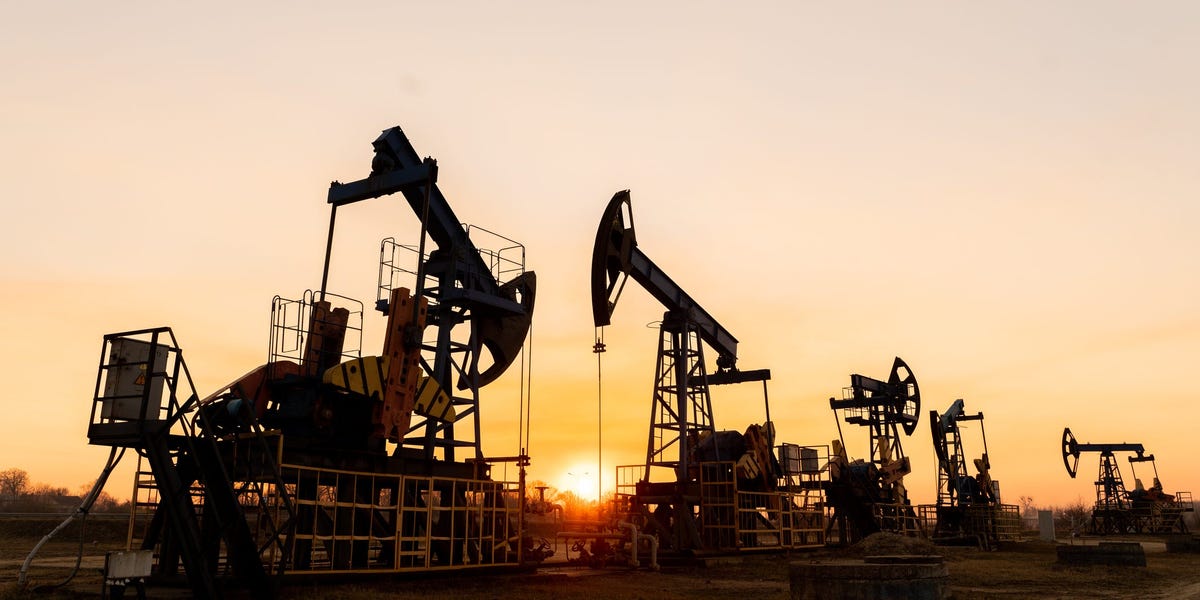
The US has maintained its position as the world's largest oil producer for six consecutive years, with its 2023 production reaching a record high unlikely to be surpassed by any global competitor in the near future, according to the Energy Information Administration. Despite a slowdown in growth, technological advancements have made US production more efficient, leading to a remarkable turnaround from a 62-year low in 2008. However, the future of US production remains uncertain due to factors such as private operations, merger activity, and changing financial priorities of public companies.
India's Ministry of Electronics and IT has issued an advisory requiring tech firms to obtain government approval before launching new AI models, marking a reversal from its previous hands-off approach. The advisory also mandates that AI services or products should not permit bias or discrimination and asks tech firms to label the fallibility of their AI models' output. This move has surprised industry executives and sparked concerns about hindering India's ability to compete globally in AI. The advisory follows the ministry's disappointment with Google's response to a user query about India's PM, warning of potential penal consequences for non-compliance with IT regulations.
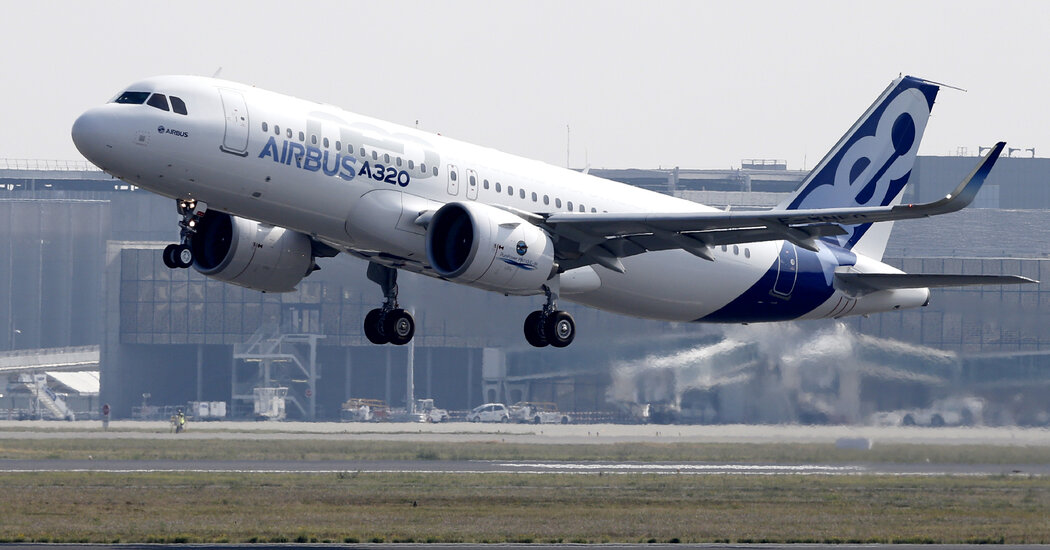
Airbus plans to deliver 800 planes this year, including its A320neo, strengthening its position as the largest plane maker and pulling further ahead of Boeing, which is still dealing with the fallout from the 737 Max safety crisis. Airbus also reported a record 2,094 commercial aircraft orders and a backlog of 8,598 planes at the end of 2023. The company has started work on a more fuel-efficient successor to the A320neo, aiming to launch it in the mid-to-late 2030s, putting Airbus ahead of Boeing in cutting-edge technology aircraft.
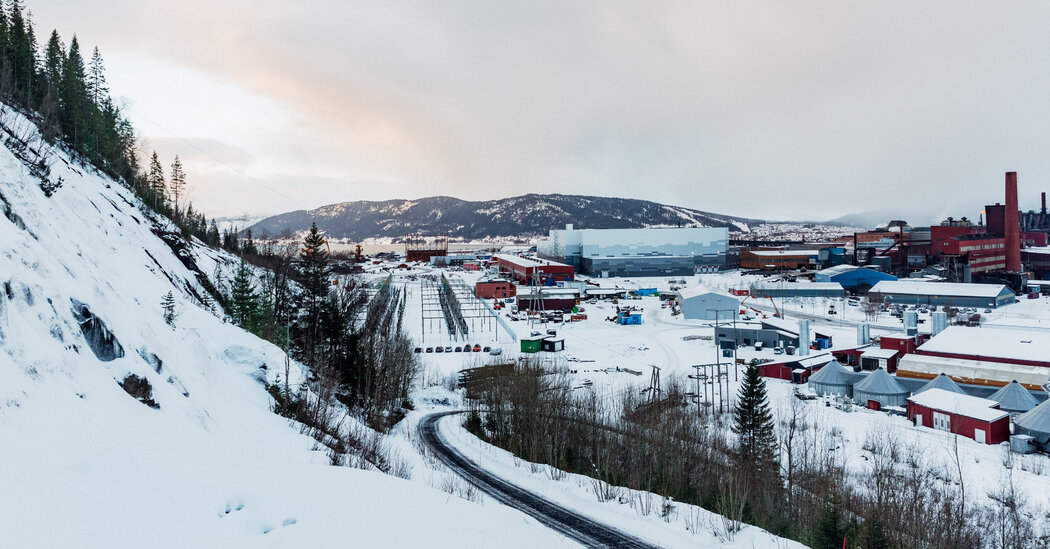
The small Norwegian town of Mo i Rana, near the Arctic Circle, had high hopes for a green energy boom with the construction of a modern factory by the electric battery company Freyr. However, the Biden administration's Inflation Reduction Act, offering significant tax breaks and grants for clean energy technology, prompted Freyr to pause its Norway facility and focus on setting up shop in the United States instead. This shift reflects the global competition among nations to attract green industries, leaving Mo i Rana and its local authorities disappointed as they had hoped the factory would bring economic growth and employment opportunities to the region.
The Biden administration is aggressively promoting Open RAN, an emerging technology for cellular towers, as a way to challenge Chinese tech giant Huawei's dominance in the global market for internet data and phone call infrastructure. With significant funding and diplomatic efforts, the U.S. is pushing for the adoption of Open RAN in various countries, aiming to counter Huawei's influence. However, the initiative faces skepticism and challenges, with some viewing it as a geopolitical maneuver and others expressing concerns about cybersecurity risks and market complexities. Despite these obstacles, the U.S. is making strides in gaining support for Open RAN, with major telecom operators and global alliances showing interest in the technology.
Elon Musk warned that Chinese EV companies could dominate the global market without trade barriers, as Chinese automaker BYD surpassed Tesla as the top-selling EV company last quarter. China aims to have its top EV makers generate 10% of sales overseas by 2025, with BYD likely being one of them. Musk admitted that Tesla is reaching the limit of cost reduction with its existing products and plans to start producing a cheaper, mass-market compact crossover in mid-2025. Chinese EV manufacturers are targeting Europe, while facing challenges in the US market due to tariffs and trade restrictions.