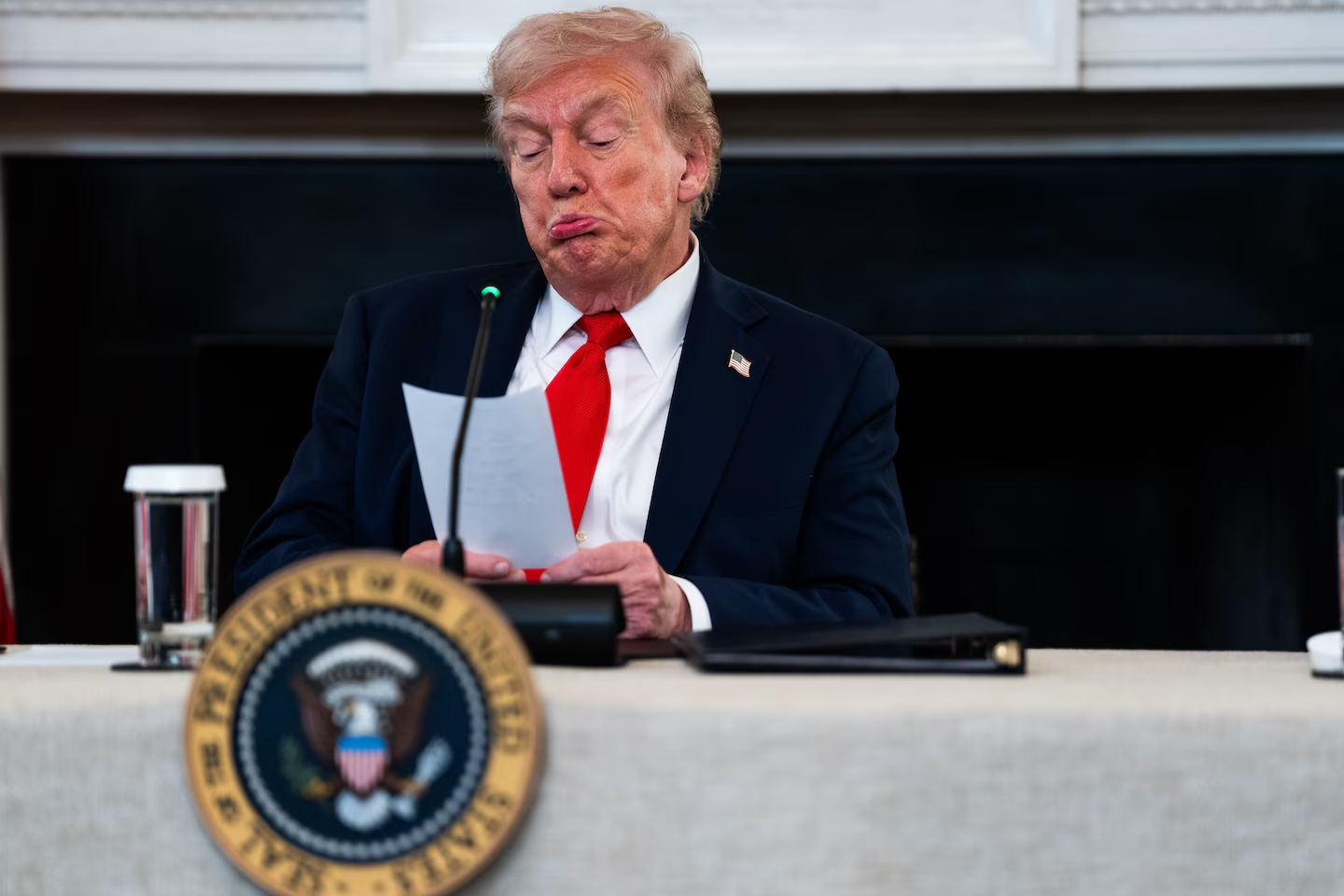
Trump Plans to Increase Government Control in Key Sectors to Counter China
Trump plans to increase government involvement in key sectors, especially domestic mining and processing of rare earth minerals, to strengthen U.S. competition against China.

All articles tagged with #government stake
Trump plans to increase government involvement in key sectors, especially domestic mining and processing of rare earth minerals, to strengthen U.S. competition against China.
Lithium Americas stock surged over 75% after reports that the Trump administration is seeking a 10% stake in the company, as part of a broader move by the government to take stakes in key sectors like technology and rare earths to bolster national security. The move follows recent government stakes in Intel and MP Materials, with the stock's rally seen as potentially overblown by analysts, and the company continuing negotiations with the DOE and GM.
The Trump administration's decision to acquire a 10% stake in Intel has faced criticism from conservatives and economists who argue it undermines free enterprise and risks politicizing business decisions, raising concerns about cronyism and the direction of U.S. industrial policy, despite the administration's goal to boost domestic chip production and technological competitiveness.
US Senator Bernie Sanders supports President Trump's plan to convert grants to chipmakers like Intel into government stakes, aiming to boost domestic semiconductor production and ensure taxpayer returns, amidst broader bipartisan interest in government investment in the tech industry.
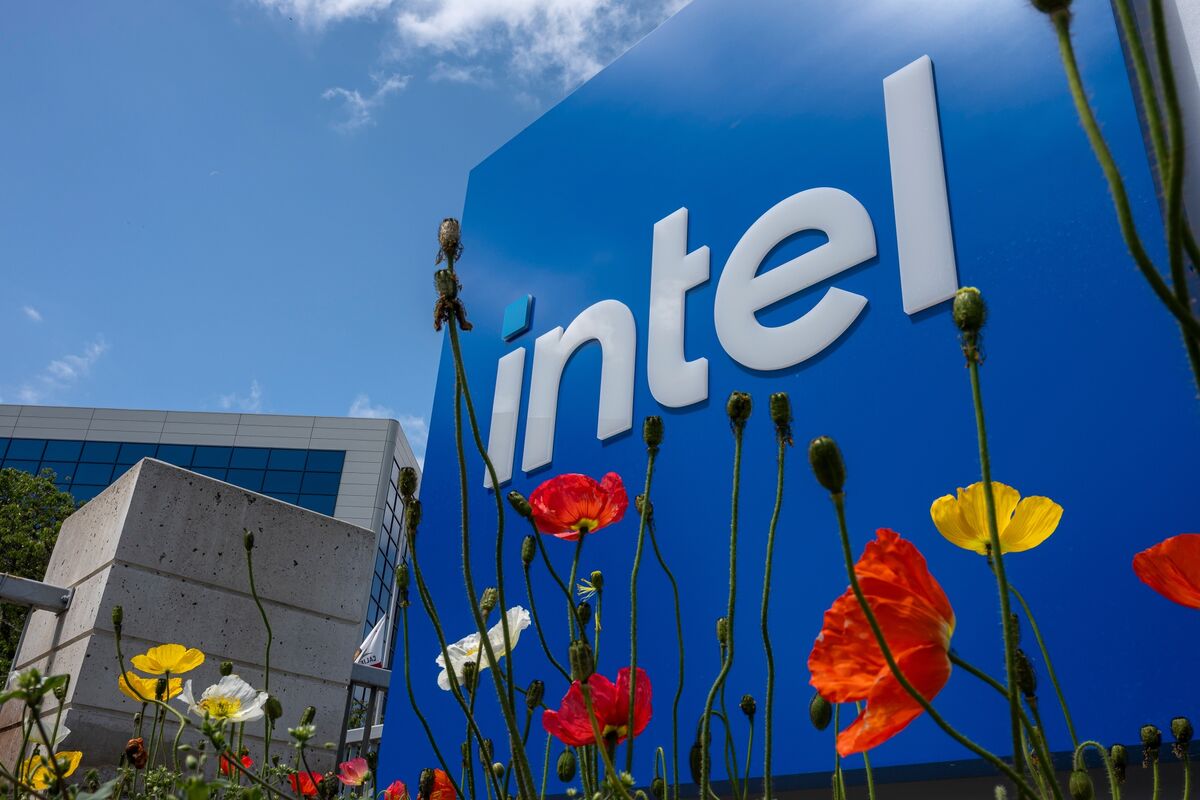
Intel's stock has surged 28% this month, boosting its market value by $24 billion and reaching valuation levels reminiscent of the dot-com bubble, driven by reports of potential US government investment and SoftBank involvement, despite concerns over its high valuation and uncertain earnings growth prospects.
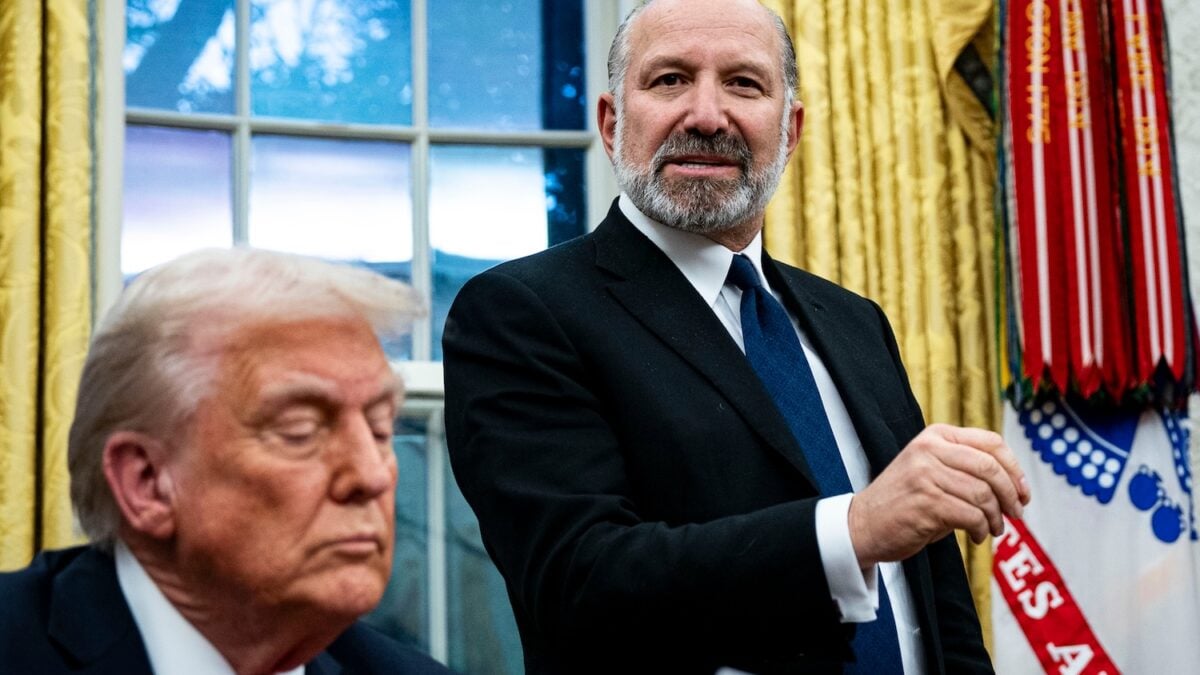
Howard Lutnick criticizes the CHIPS Act, calling it a giveaway to wealthy companies like Intel and TSMC, and advocates for the U.S. government taking equity stakes in tech firms to ensure better returns and influence, contrasting current policies with those of the Trump administration.

The Trump administration is considering taking a 10% equity stake in Intel, potentially making it the largest shareholder, as part of efforts to bolster U.S. semiconductor manufacturing and national security, with discussions around converting some of Intel's Chip Act grants into equity. The move reflects broader government interest in supporting strategic industries amid Intel's struggles in advanced chip manufacturing and AI markets.

Speculation about a potential merger between Deutsche Bank and Commerzbank has resurfaced as Germany considers selling stakes in state-owned companies to raise funds. While no decision has been made on the government exiting its 15% stake in Commerzbank, Finance Minister Christian Lindner is open to the idea. Deutsche Bank has reportedly been discussing potential mergers, including with Commerzbank, and its low valuation and the need for asset write-downs could complicate any potential deal. The German government plans to raise up to 4 billion euros this year by selling company stakes, with the proceeds potentially going to state-owned rail company Deutsche Bahn.