
Vitamin D and Vitamin K should be taken together for optimal health benefits, as they work synergistically to enhance calcium absorption and deposition, improving bone strength and reducing the risk of arterial calcification. This combination supports bone health, cardiovascular health, and immune function. A study by Indian researchers highlights the importance of this synergy in preventing bone fractures and cardiovascular disorders. It's recommended to consult a healthcare provider for appropriate supplementation.
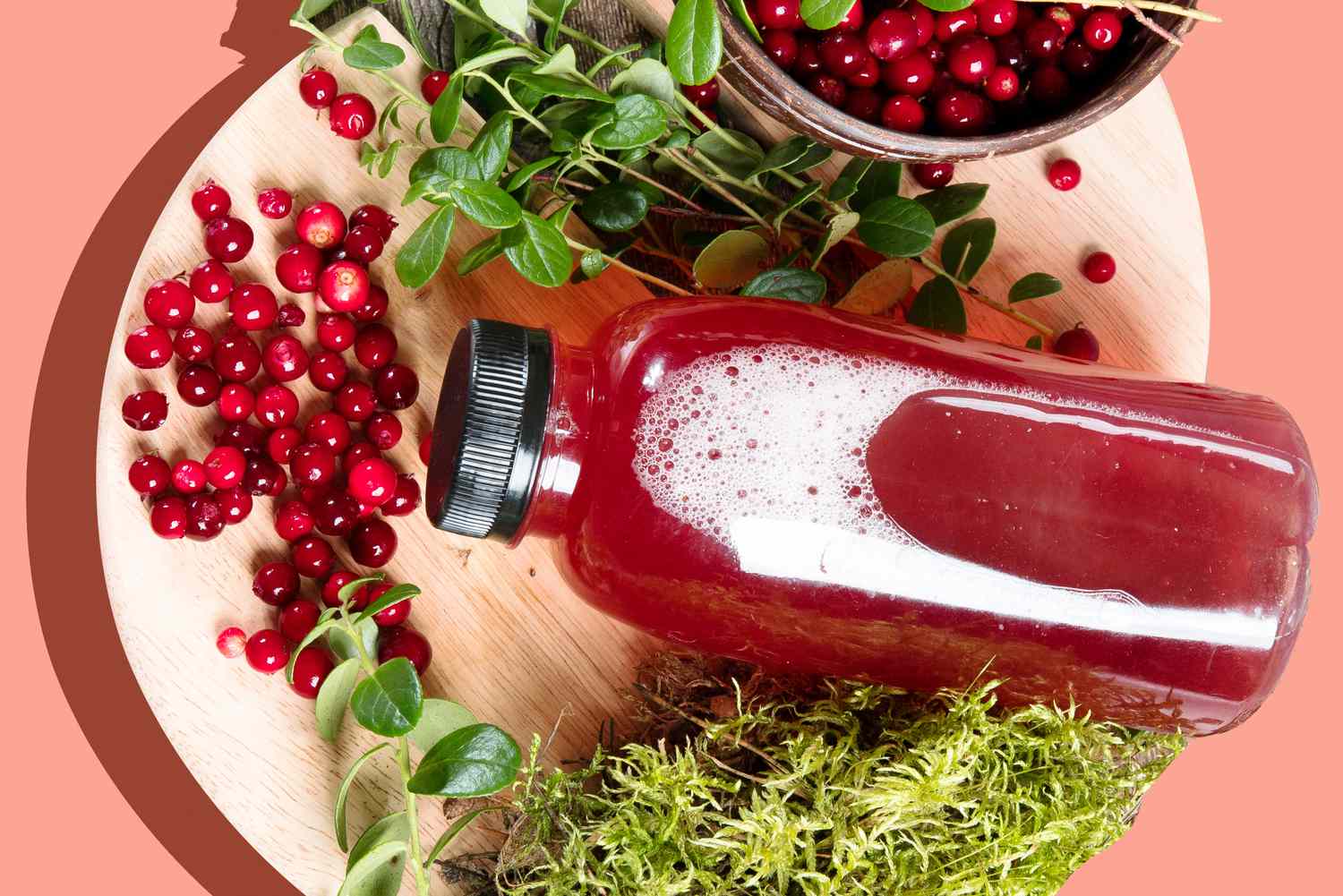
Cranberry juice offers health benefits such as reducing oxidative stress, promoting hydration, supporting immune function, potentially aiding urinary tract health, and possibly contributing to heart health. However, it's important to consume it in moderation and be mindful of added sugars and potential side effects, especially for those prone to kidney stones or taking blood-thinning medications. When choosing cranberry juice, opt for pure varieties with no added sugars for the healthiest option.
Magnesium plays a crucial role in the activation of vitamin D in the body, and without sufficient magnesium, the activation of vitamin D is impaired. Magnesium is also involved in calcium regulation, preventing excessive calcium accumulation in cells. Both magnesium and vitamin D are essential for bone health, as they contribute to bone formation and density. A deficiency in magnesium can reduce the body's ability to use vitamin D, even if supplements are taken, negatively affecting calcium absorption. Additionally, both nutrients contribute to immune function. It is important to consult with a healthcare professional before starting any supplementation to maintain a balanced approach and address deficiencies effectively.
Cold plunging, also known as cold water immersion, is a practice that involves immersing your body in cold water for potential health benefits. While the scientific evidence is still evolving, some potential benefits include improved insulin sensitivity, enhanced immune function, reduction in chronic inflammation, mood enhancement, stress management, and improved workout recovery. The effects of cold plunging can vary from person to person, and it is important to start with shorter sessions and gradually increase the duration. Safety and individual comfort levels should be prioritized, and consulting with a healthcare professional is recommended, especially for those with underlying medical conditions.
Superfoods rich in amino acids, such as quinoa, chia seeds, spirulina, hemp seeds, Greek yogurt, salmon, eggs, chicken breast, tofu, lentils, beans, nuts, seeds, and cottage cheese, provide essential nutrients for muscle growth, immune function, and overall wellness. These foods are packed with amino acids, protein, fiber, vitamins, minerals, and healthy fats, making them beneficial for building muscles, boosting immunity, improving gut health, and supporting heart and brain health.
Orange juice is a concentrated source of nutrients like vitamin C, folate, and potassium. Studies suggest that it may improve heart health, cognitive function, and immune function, as well as protect against kidney stones. However, not all orange juice is created equal, as some varieties contain added sugars and other ingredients. Fresh-squeezed and pasteurized orange juice is rich in antioxidants and can increase antioxidant capacity. While orange juice offers health benefits, it should be consumed in moderation due to its calorie and sugar content. Opting for 100% orange juice or making your own is recommended, and individuals with kidney disease or diabetes should consult with their healthcare provider.
Coughs can linger after a cold due to lingering inflammation caused by viral and bacterial infections that irritate the mucous membranes in the airway and nose, producing mucus. Airway inflammation may take a few weeks to subside, and this time could be extended if someone has had previous lung infections or is a smoker. Home remedies such as nasal saline, nasal steroids, and throat lozenges can help relieve symptoms. Coughing serves an immune function, but people should see a doctor if a cough lasts more than three to four weeks and is accompanied by other symptoms.
Glutathione, a tripeptide molecule made up of three amino acids, is a powerful antioxidant that plays a crucial role in many physiological processes, including detoxification, immune function, and cellular repair. It has been linked to numerous health benefits, including reducing inflammation, improving skin health, and reducing the risk of certain types of cancer. While some foods contain glutathione, it is difficult for the body to absorb it directly from food, and supplementation may be necessary for those with chronic illnesses or exposure to high levels of environmental toxins.