Japan has approved research to create human embryos from stem cells without using ovaries or testes, marking a significant step in in vitro gametogenesis, which could lead to new reproductive technologies and raise ethical questions.
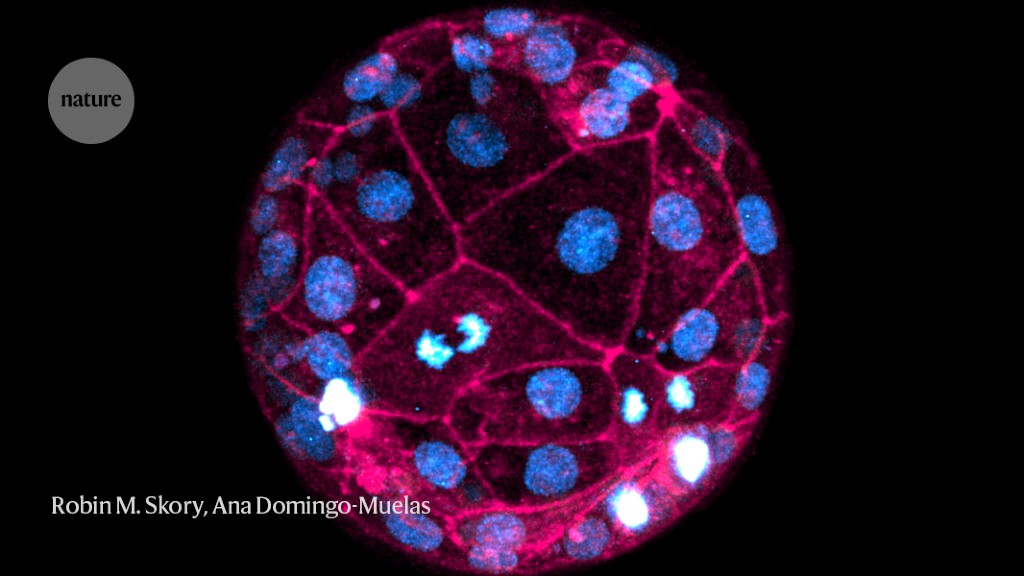
Researchers have developed a new imaging technique using fluorescent dyes and laser microscopes to capture the most detailed images of human embryos developing in real time. This non-invasive method allows for the study of crucial events in the early stages of development without genetically altering the embryos. The technique could have applications in non-invasive screening of embryos conceived through in vitro fertilization (IVF) and may provide insights into chromosomal abnormalities and variations in embryonic development between humans and mice. The researchers hope to further improve the imaging process and potentially use it in clinical settings to determine the viability of embryos before implantation.
The race to build human embryo models from stem cells has sparked global controversy, with researchers making significant progress in growing stem cells into structures resembling human embryos. However, concerns have been raised about the lack of outside analysis, ethical considerations, and legal regulations. The spread of misinformation and accusations of overblown claims have further fueled the debate surrounding synthetic babies.