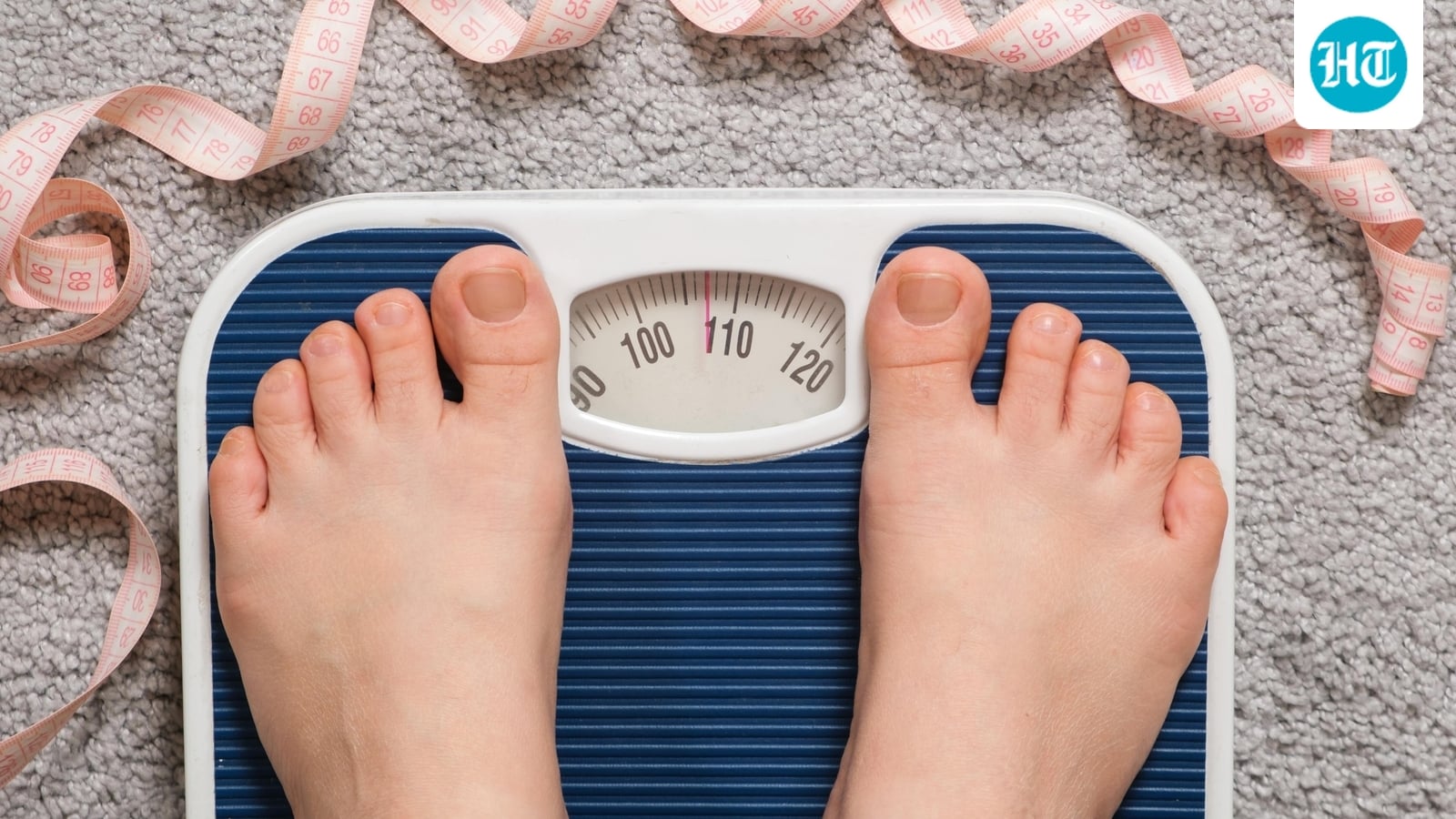
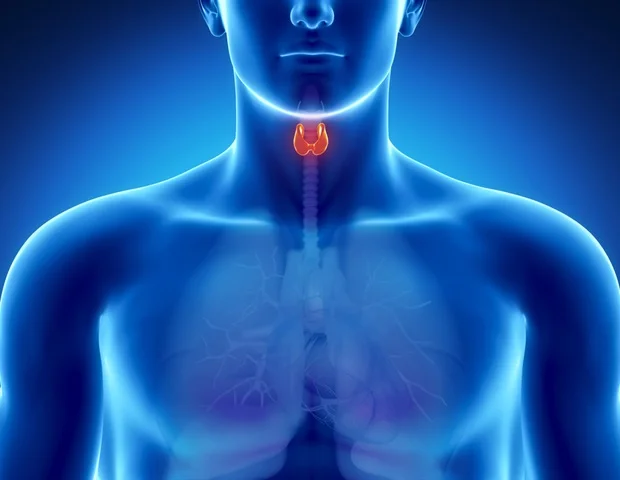
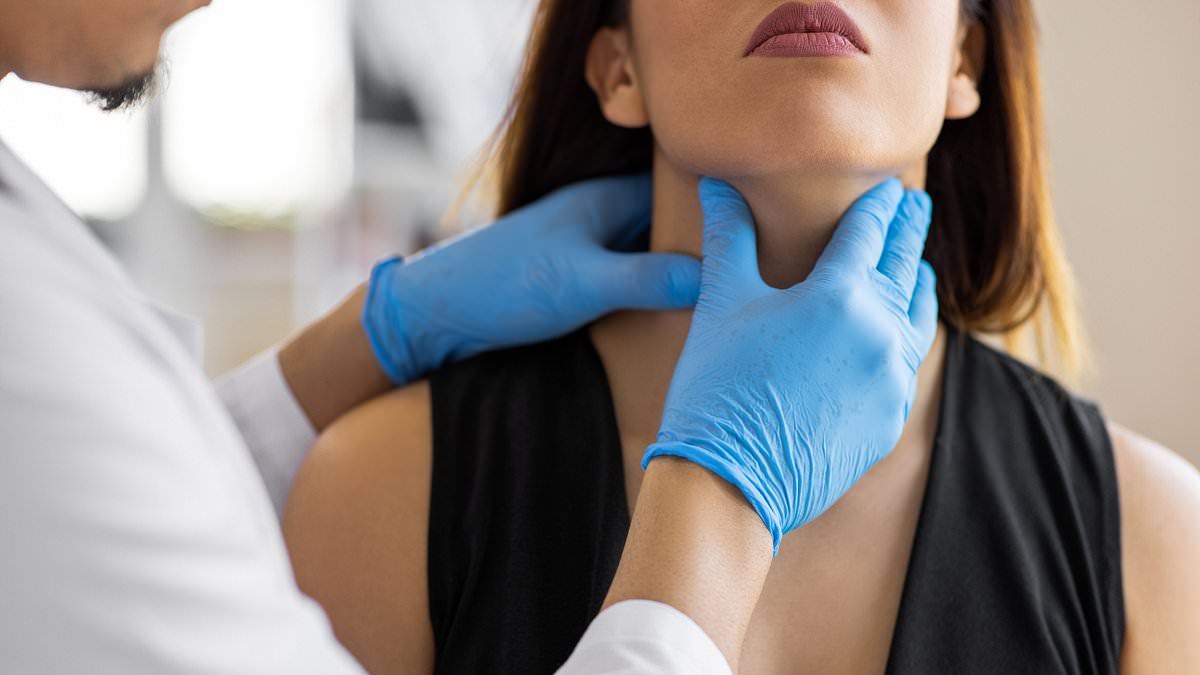
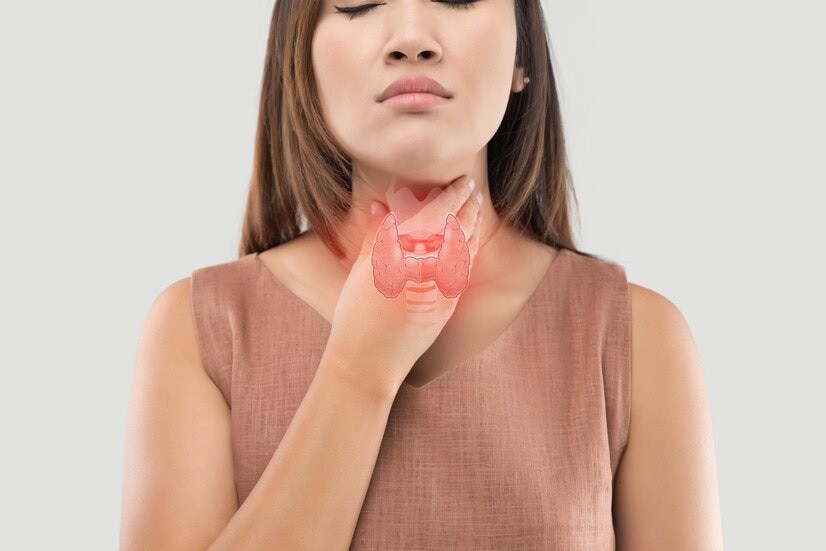
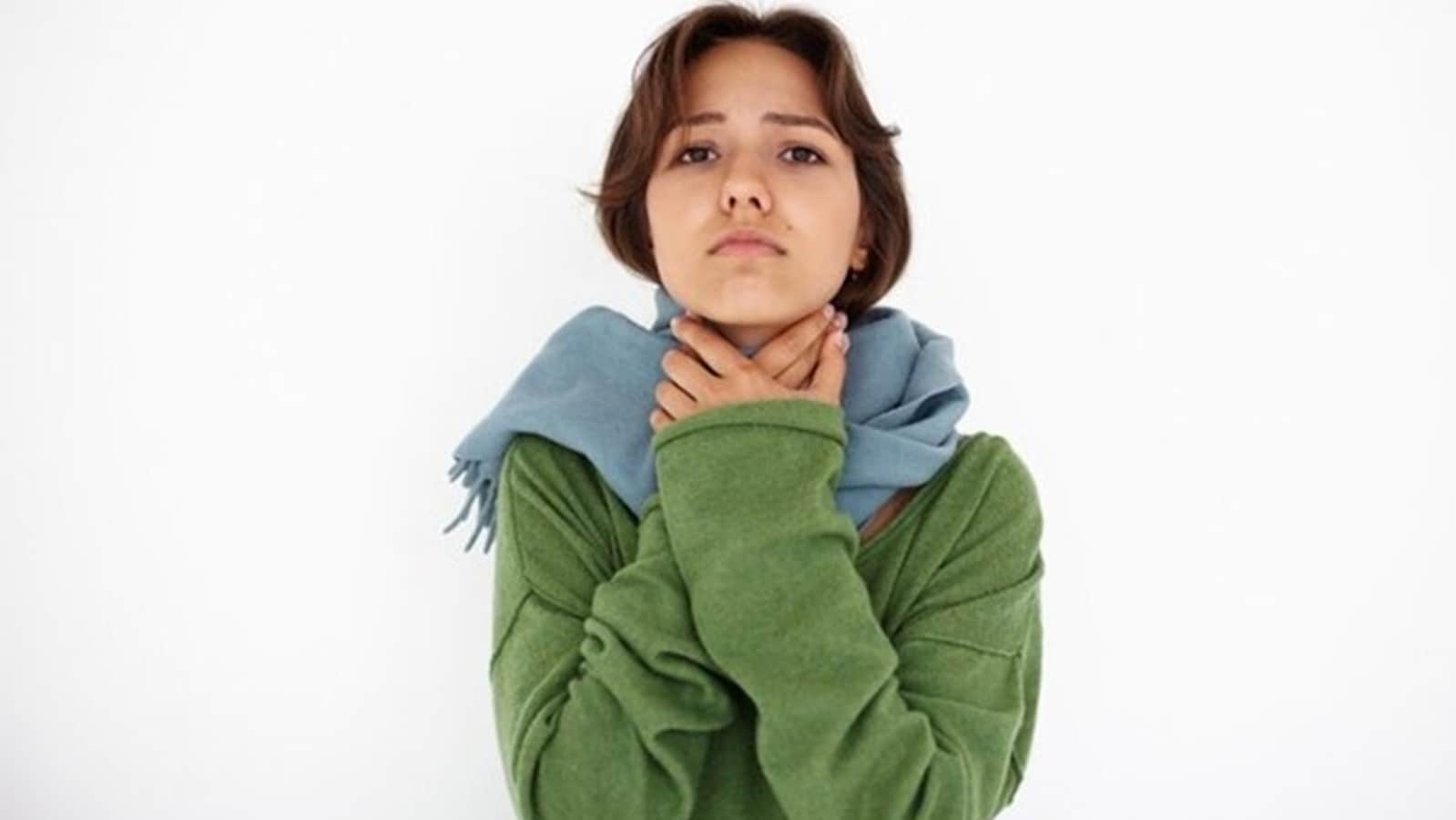
Unexplained weight gain may be a sign of hypothyroidism, an underactive thyroid condition that slows metabolism and causes symptoms like fatigue, dry skin, hair loss, menstrual irregularities, and neck swelling. Recognizing these signs early can help in timely diagnosis and treatment.
Many subtle symptoms like weight fluctuations, hair loss, digestive issues, heart rate changes, mood swings, fatigue, bone weakness, memory problems, and irregular periods can indicate a thyroid problem, which is often hard to diagnose due to varied symptoms. If these signs are present, consulting a healthcare provider for proper testing is recommended.
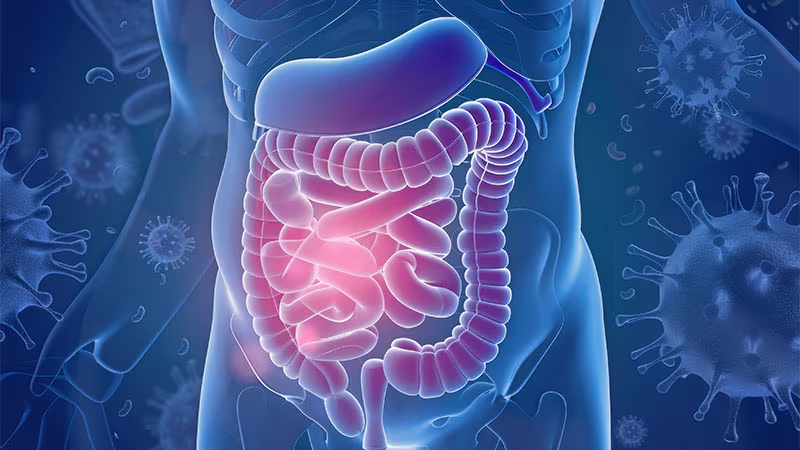
A study finds that hypothyroidism is associated with disturbances in the gut microbiome, particularly small intestinal bacterial overgrowth (SIBO), and suggests that gut health may influence autoimmune thyroid conditions like Hashimoto's. The research highlights differences in small bowel bacteria between hypothyroid patients and controls, and indicates that treating hypothyroidism may reduce the risk of SIBO, though further research is needed to understand the mechanisms and implications for treatment.
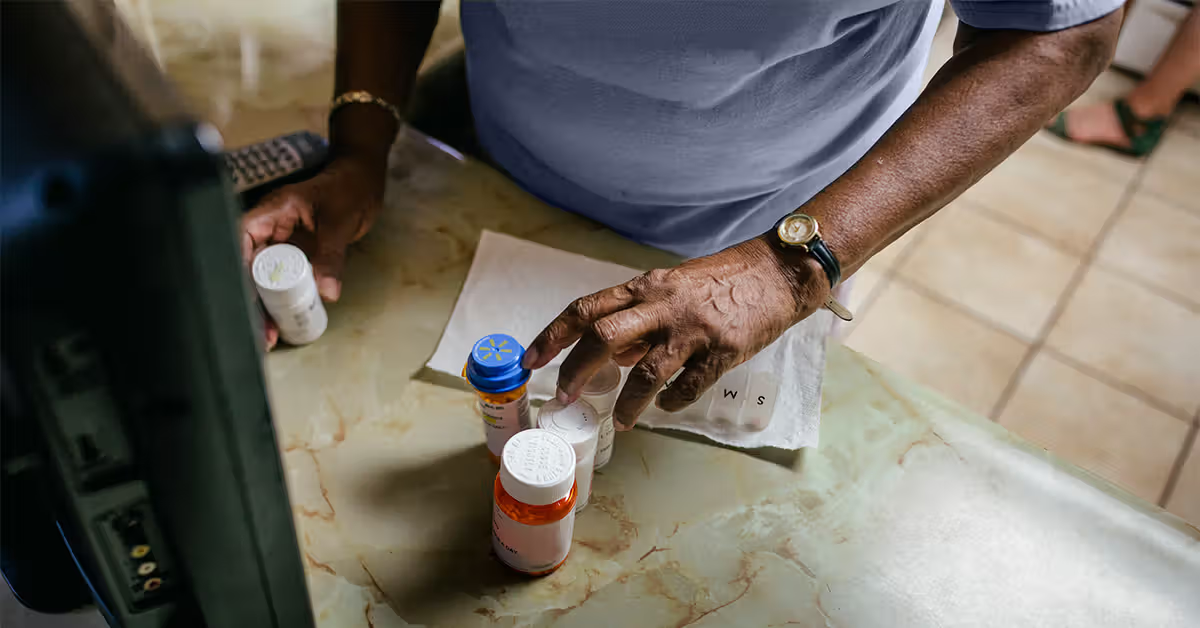
A study presented at the Radiological Society of North America suggests that levothyroxine, a common thyroid medication, may lead to reduced bone mass and density in older adults with normal thyroid levels. Conducted by Johns Hopkins University researchers, the study involved 81 participants over 65 and found bone loss over a 6-year period. This raises concerns about the potential overprescription of levothyroxine and its side effects, including increased osteoporosis risk, in older adults.
New research indicates that levothyroxine, a common thyroid medication prescribed to older adults, may be linked to increased bone loss. The study, involving 445 participants with normal thyroid levels, found that those taking levothyroxine experienced greater bone mass and density loss. Researchers suggest that even when following current guidelines, the medication could pose risks, urging patients to regularly consult with their doctors and assess the necessity of their treatment. These findings were presented at the Radiological Society of America meeting.
A study presented at the Radiological Society of North America meeting suggests that levothyroxine, a common medication for hypothyroidism, may be linked to bone density loss in older adults, even when thyroid hormone levels are within the normal range. The research, using data from the Baltimore Longitudinal Study of Aging, found that levothyroxine users experienced greater bone mass loss over a median follow-up of 6.3 years compared to non-users. The study highlights the need for regular monitoring and risk-benefit assessments for older adults on levothyroxine.
A study of over 3,500 individuals with treated hypothyroidism reveals a significant correlation between type D personality and poor treatment outcomes, including persistent symptoms and dissatisfaction. Over 50% of participants exhibited type D personality, characterized by negative emotions and social withdrawal, and reported higher levels of anxiety, depression, and dissatisfaction with treatment outcomes. The findings suggest a need for further research to explore the impact of personality traits on hypothyroidism treatment effectiveness and patient satisfaction, potentially paving the way for personalized interventions to improve quality of life for patients with hypothyroidism.
Thyroid disorders, particularly hypothyroidism, are often misdiagnosed in women, leading to delayed treatment and potential health risks. The condition, which affects at least one in 20 people in the UK, is frequently mistaken for depression or menopause. However, experts warn of both underdiagnosis and overdiagnosis, with concerns about the threshold for treatment and potential side effects of medication. The complexities of thyroid function and the lack of a nationally agreed standard for "normal" levels further complicate diagnosis and treatment, leading to a need for more individualized approaches.
Sudden weight gain can be caused by various underlying factors such as hypothyroidism, PCOS, anxiety or depression, menopause, increased cortisol levels, ovarian or uterine tumors, side effects of medications, and improper sleep cycles, highlighting the importance of understanding these potential culprits for overall well-being.
The People's Pharmacy responds to a reader's skepticism about using Vicks VapoRub on the soles of the feet as a nighttime cough remedy, citing a study that suggests its ingredients may activate channels in the skin to reduce cough symptoms. They also caution a reader using biotin-containing shampoo for hair loss due to hypothyroidism, as it may interfere with thyroid tests, leading to inaccurate results and potentially exacerbating the issue.
Feeling cold may be due to a deficiency in certain vitamins such as B9, B12, or iron, leading to anemia and reduced red blood cell count. Symptoms of these deficiencies include cold sensitivity, fatigue, and shortness of breath. It's important to get tested for deficiencies and not self-diagnose, as other conditions like diabetes or hypothyroidism could also cause cold sensitivity. Replenishing nutrient levels or addressing underlying conditions can help alleviate excessive cold sensitivity.
Managing hypothyroidism naturally involves incorporating a well-balanced diet rich in iodine, vitamin D, tyrosine, selenium, and antioxidants, as well as engaging in yoga practices such as Vipareetkaraniasana, Ustrasana, Sarvangasana, and Setubandhasana to support thyroid health and overall well-being. These holistic approaches offer promising avenues for enhancing the quality of life for individuals managing hypothyroidism.
Feeling cold all the time could be a sign of hypothyroidism, an underactive thyroid gland that doesn't produce enough hormones. Other symptoms include tiredness, sudden weight gain, and feeling low. If you're concerned, it's important to speak to a doctor or healthcare professional for diagnosis and treatment, as underactive thyroid can usually be treated successfully with daily hormone tablets.
Your thyroid plays a crucial role in regulating various bodily functions, and maintaining its health is essential. Consuming foods rich in selenium, iodine, tyrosine, zinc, antioxidants, and B vitamins can support thyroid function. However, individuals with thyroid conditions should be cautious with soy, caffeine, raw cruciferous vegetables, foods high in added sugar, and trans fats. Consulting a healthcare provider for personalized dietary recommendations is important for supporting thyroid health.
Cold temperatures, reduced sunlight, and changes in diet can influence thyroid function in winter, potentially leading to elevated TSH levels or subclinical hypothyroidism in individuals without a pre-existing thyroid issue. Factors such as reduced sunlight exposure, seasonal changes in diet, and winter illnesses can contribute to thyroid fluctuations. Women, individuals with a family history of thyroid conditions, autoimmune diseases, iodine deficiency, radiation exposure, certain medications, and pregnancy/postpartum periods are at higher risk of thyroid disorders. Hypothyroidism can lead to complications such as heart problems, high cholesterol, weight gain, fertility issues, pregnancy complications, depression, and cognitive issues, emphasizing the importance of regular monitoring and appropriate treatment.