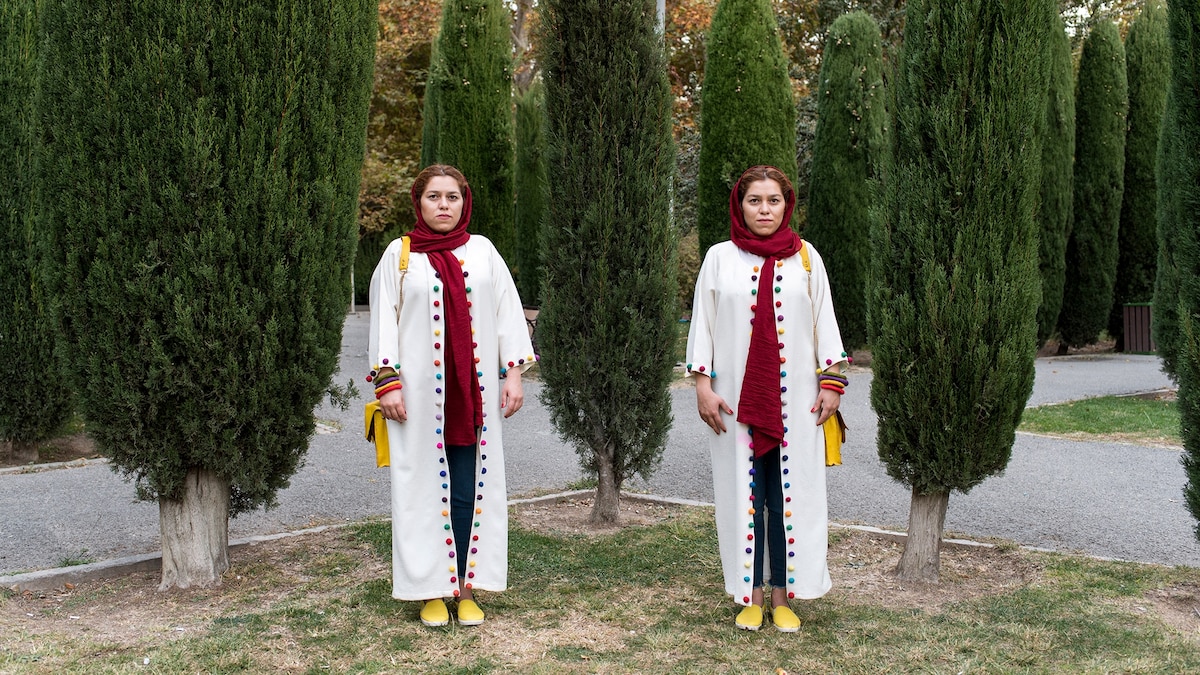
Cross-cultural psychology shows personality stems from both genes and environment; where you grow up can reshape traits, self-identity, and behavior, with twin studies and cross-country comparisons illustrating environment’s lasting influence alongside genetic factors.
Recent scientific evidence suggests that psychopathy is more likely to be innate, linked to structural differences in the brain and genetic factors, rather than solely caused by environmental influences, although both may play a role.
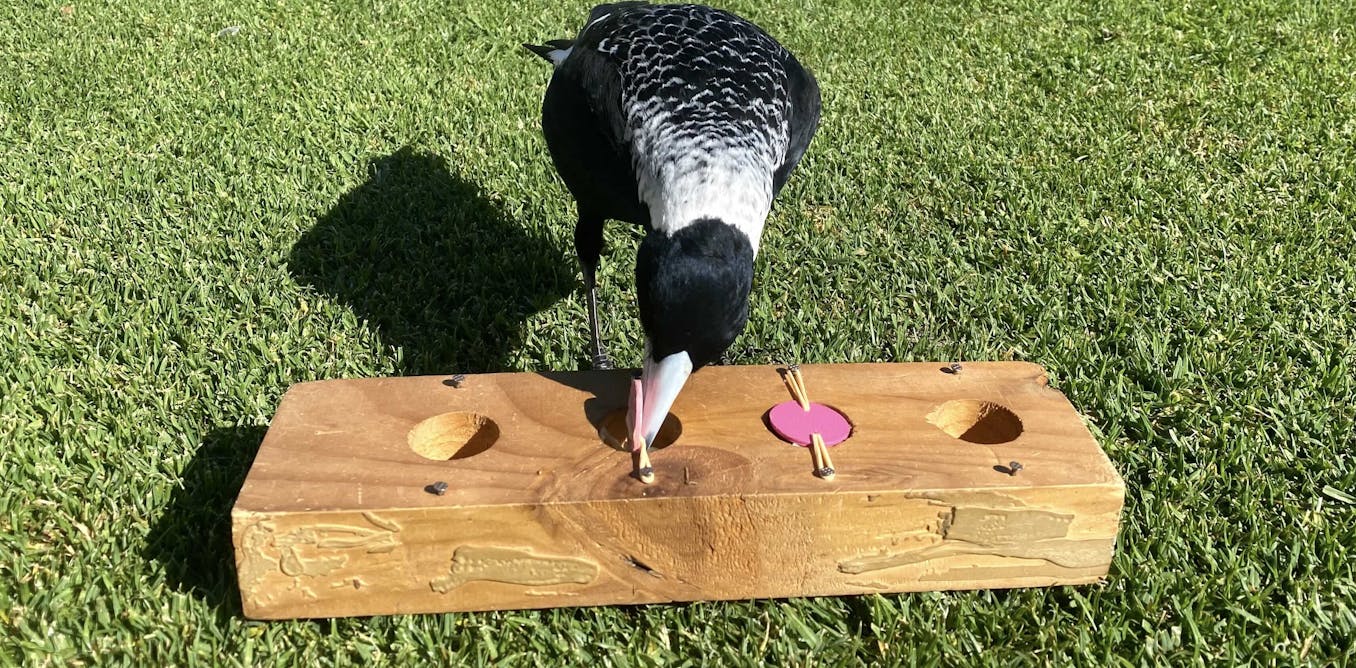
A new study on Australian magpies reveals that their intelligence is influenced more by their social environment than genetic inheritance. Researchers found that magpies raised in larger social groups demonstrated faster problem-solving abilities, while the cognitive performance of young magpies showed little connection to their mothers' abilities. The mental demands of recognizing and remembering group members within a complex social environment likely contribute to the birds' cognitive development, challenging the notion that intelligence is solely determined by genetic inheritance.
In 1931, psychologist parents Winthrop and Luella Kellogg attempted to raise their son alongside a chimpanzee named Gua in a nature versus nurture experiment, but abandoned it after nine months due to chilling changes in their son's behavior. The experiment involved cruel tests and attempts to teach Gua human behaviors, but ultimately failed to humanize her. The study concluded that there are limits to the humanization of non-human species. Tragically, their son Donald later took his own life at the age of 43, and Gua died in captivity after contracting pneumonia.
The Twins Days Festival in Twinsburg, Ohio, is the largest gathering of twins in the world, highlighting the increasing number of twin births in the United States. Twin studies provide valuable biological information for geneticists, helping them understand diseases, eating disorders, obesity, sexual orientation, and psychological traits. Identical twins share 99.99% of their DNA, making them ideal for studying the impact of genes and the environment on traits. Scott Kelly's year in space altered his genes, changing his DNA expression, immune system, bone formation, and eyesight. Studies suggest that heredity plays a significant role in determining sexual orientation, with genetics outweighing other influences such as parenting and environment.