Tag

Environmental Changes

All articles tagged with #environmental changes

archaeology1 year ago

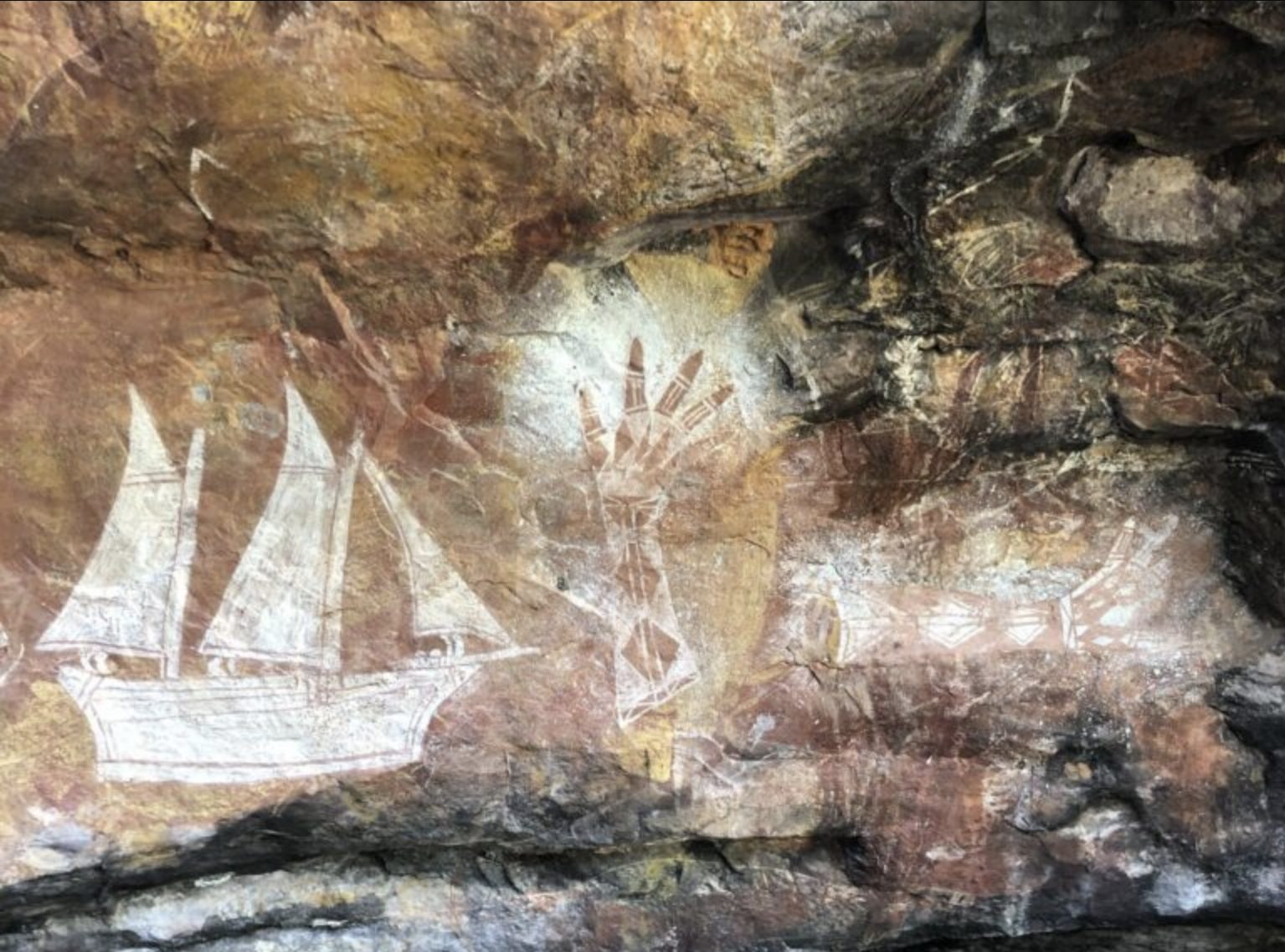
"Uncovering the Mysteries of Arnhem Land's Renowned Rock Art Sites"

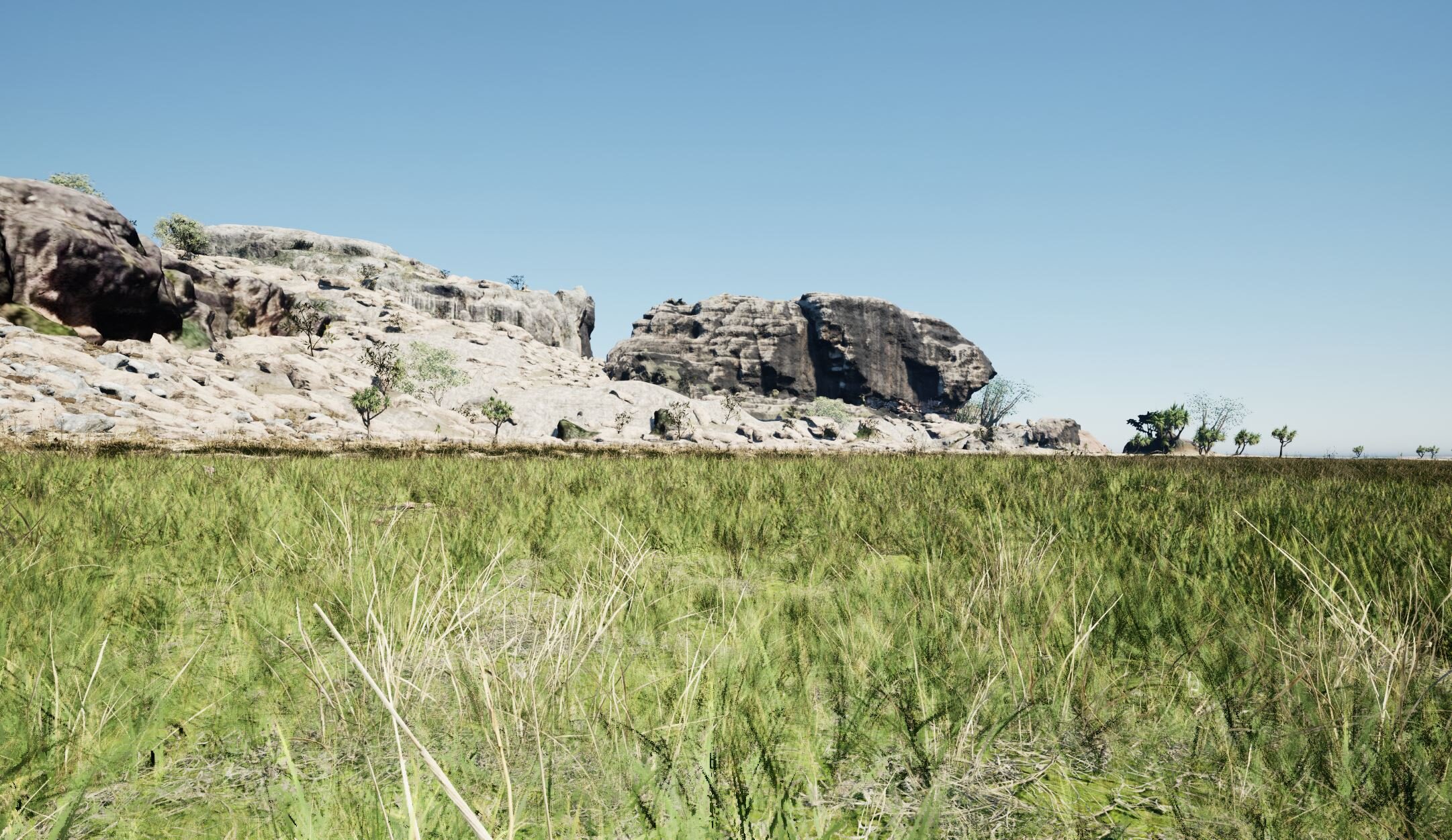
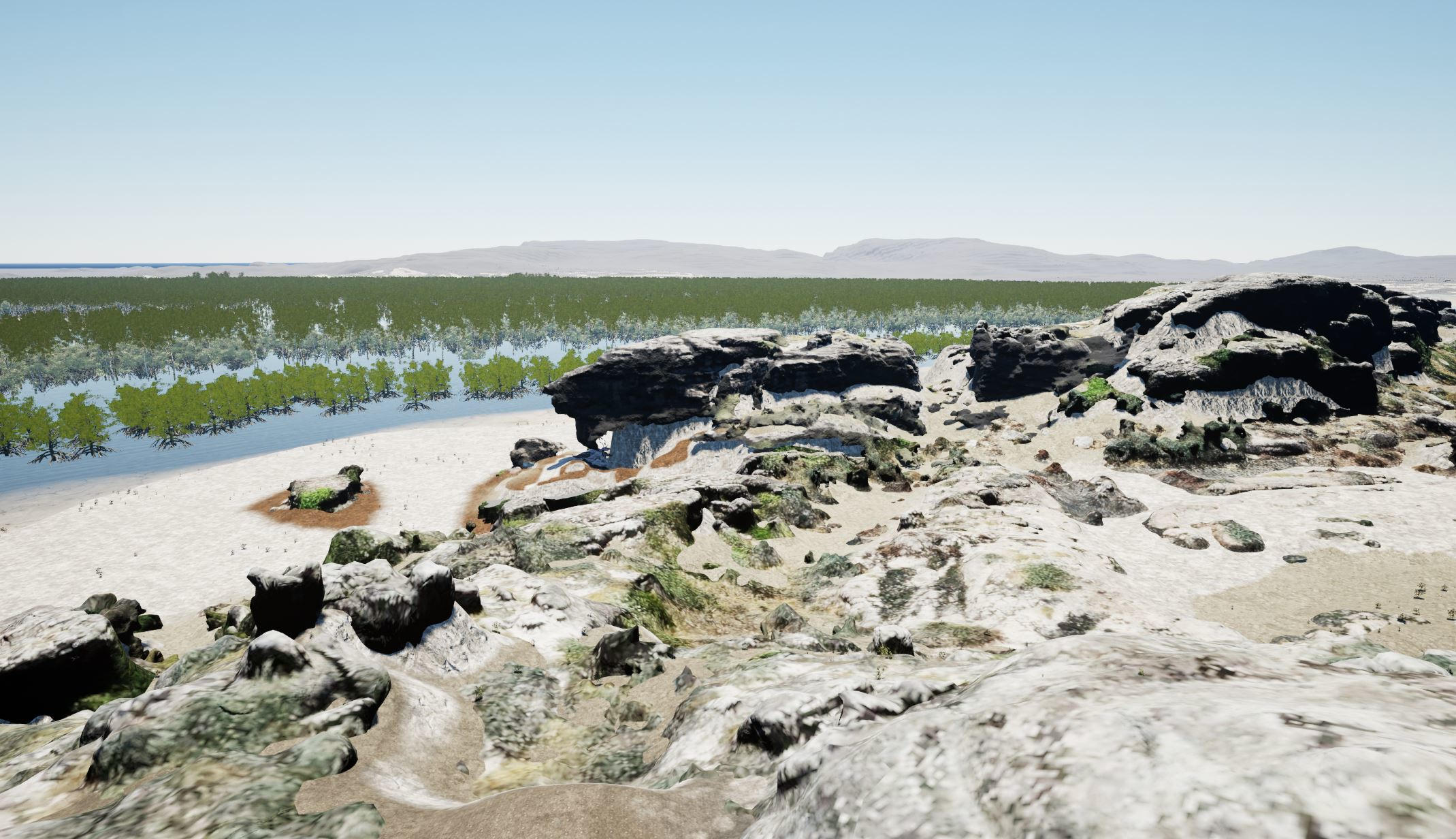
New research from Flinders University in collaboration with Njanjma Rangers and Erre Traditional Owners has revealed that the selection of rock art sites in Arnhem Land was not random, but rather intentional, based on crucial vantage points offered by the landscape. The study used aerial and drone surveys, subsurface imaging, and elevation data to create high-resolution palaeolandscape modeling, shedding light on the environmental conditions 15,000-28,000 years ago. The research shows how the landscape changes, particularly due to rising sea levels, impacted the placement and use of rock art sites, providing insights into the relationships between the art and the evolving landscape.
science2 years ago

"The Extinction of the Giant Ape: Unraveling the Mystery"

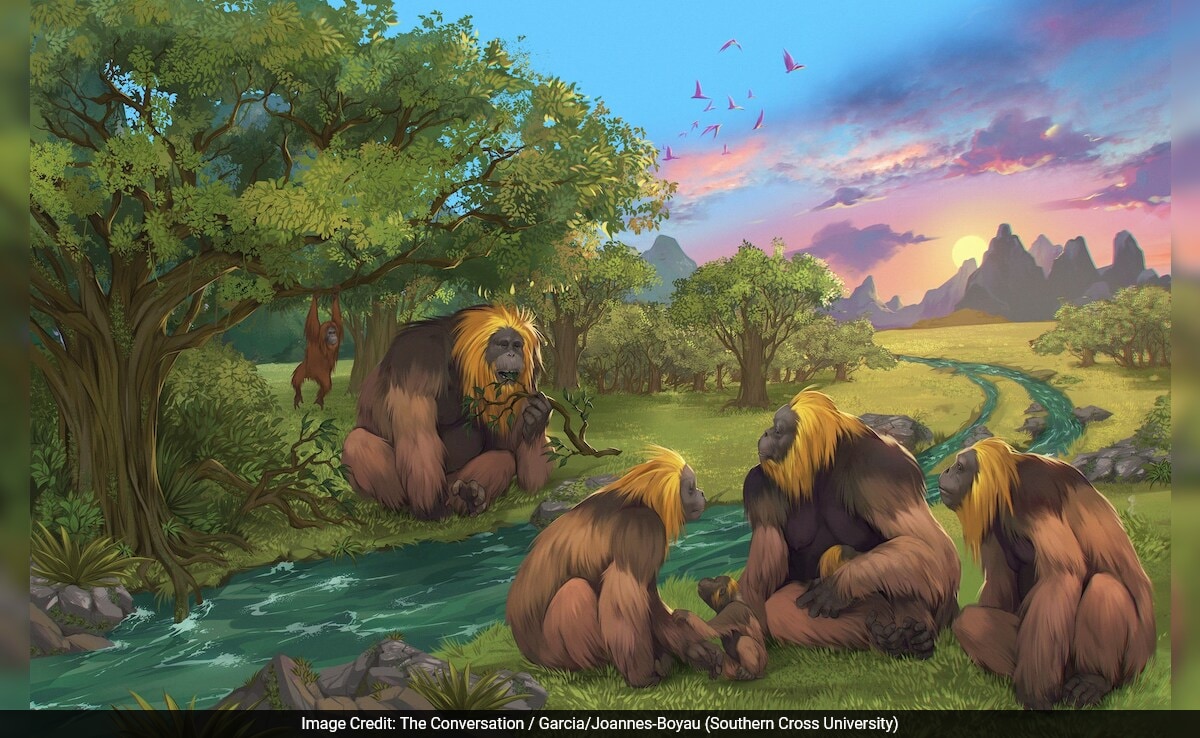
The mystery of the extinction of Gigantopithecus blacki, the largest primate to have ever lived, has been solved by a team of Chinese, Australian, and US scientists. Through extensive exploration and excavations in southern China, the team discovered that the giant ape went extinct between 295,000 and 215,000 years ago due to environmental changes that led to a decrease in its food sources and chronic stress. Unlike its close relative, the orangutans, Gigantopithecus blacki was unable to adapt to the changing environment, ultimately leading to its demise. This study provides valuable insights into primate resilience and the vulnerability of certain species to environmental changes.

environment2 years ago

Earth's Planetary Boundaries Breached: Humanity's Livability at Risk

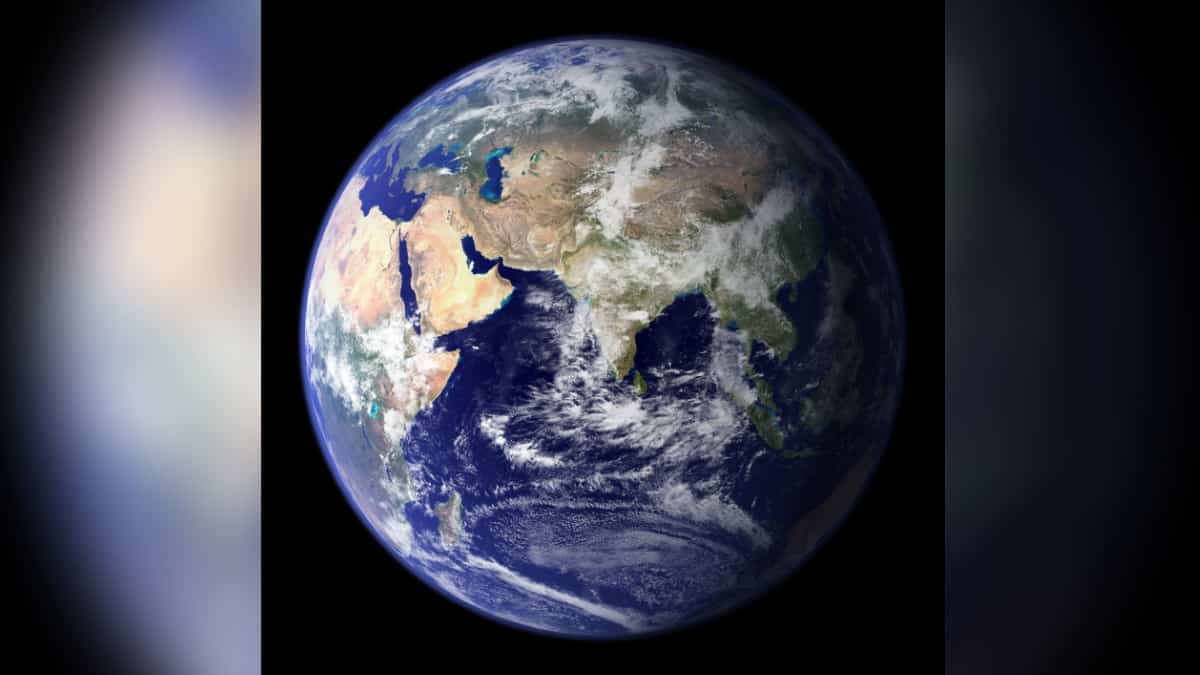
A new study published in Science Advances warns that Earth is increasingly becoming uninhabitable for humans as six out of nine planetary boundaries have been breached due to human-caused pollution and destruction of the natural world. These boundaries, which include biosphere integrity, climate change, freshwater changes, land system change, the introduction of novel entities, and biogeochemical flows, determine the fate of the planet. The study indicates that Earth is now well outside the safe operating space for humanity, with failing resilience making it difficult to reach climate goals and bringing the world closer to tipping points.

paleontology2 years ago

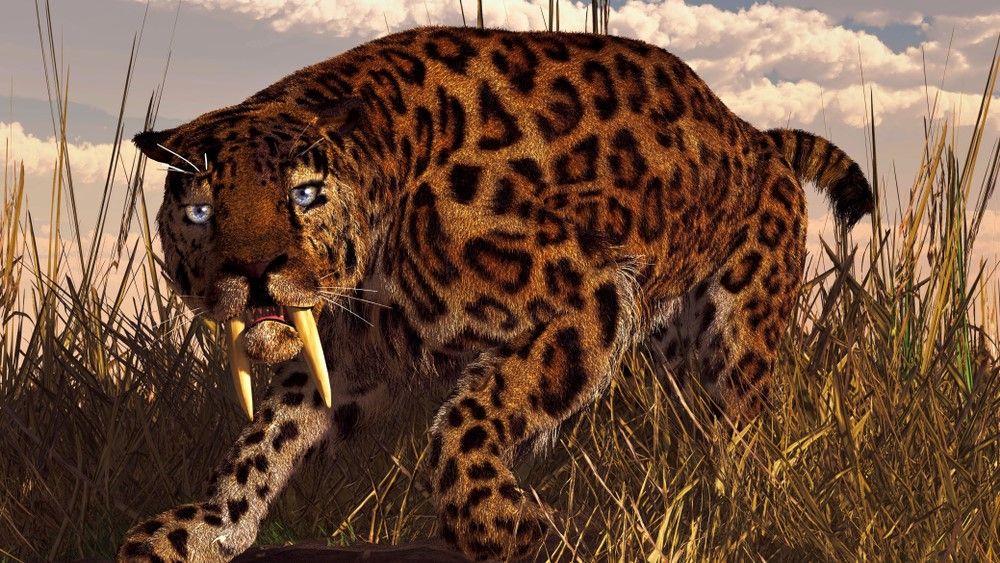
Newly Discovered Sabertooth Cat Species Unearthed in South Africa

Two new species of saber-toothed cats, Dinofelis werdelini and Lokotunjailurus chimsamyae, have been discovered in South Africa, dating back around 5.2 million years. The findings challenge previous knowledge about these extinct feline creatures and provide insights into the environmental changes of the time. The discovery suggests that saber-toothed cats were more widespread than previously thought, and their habitat included both forests and open grasslands. This shift in ecosystems may have influenced the evolution of human ancestors, who emerged in Africa during this period. However, recent studies indicate that grasslands may have appeared much earlier, questioning the impact on hominin bipedalism.

archaeology2 years ago

Uncovering Australia's Prehistoric Humans: Latest Discoveries.

Researchers and Aboriginal rangers are using electrical resistivity tomography to model a buried ancient landscape in Australia's Northern Territory, which could reveal new insights about the country's first inhabitants and the rock art they created. The team's paper, published in PLOS ONE, shows how environmental changes at the lagoon correlate to fish, crocodiles, and birds that appeared in artistic depictions. The technique involves mildly electrocuting the ground, then measuring the waves as they pass through to find out what's below. However, some archaeologists are skeptical that anything substantial remains at the site.

science2 years ago

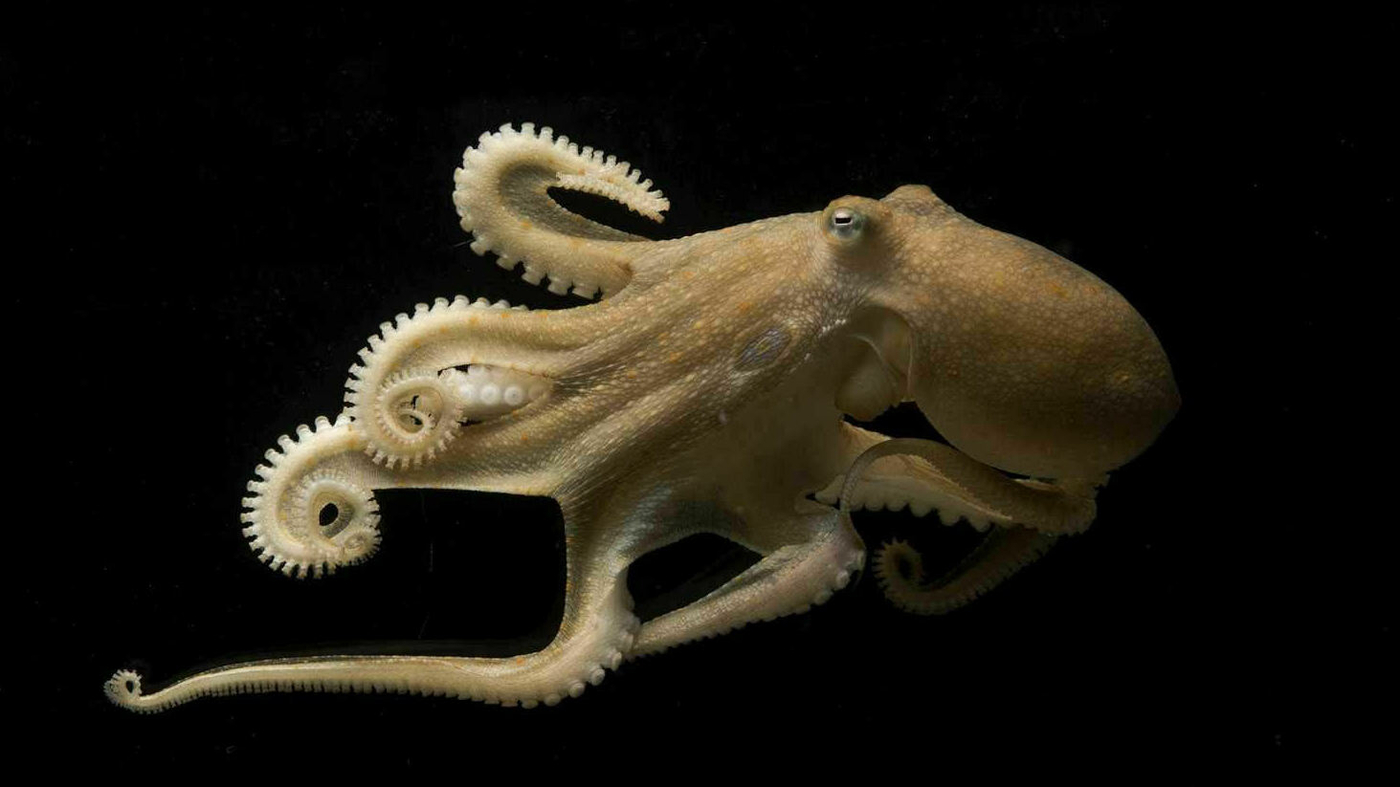
Octopuses use RNA editing to adapt to changing ocean temperatures.

Octopuses can edit the RNA in their brains on a massive scale, allowing them to adapt to changes in their environment. Researchers found that more than 60% of RNAs in the brains of octopuses and their relatives get edited, affecting over 20,000 different locations on various proteins. This adaptation is likely to help octopuses keep their brains functioning properly in both warm and cool waters. The study sheds new light on the adaptability of these creatures and may help scientists design therapeutics for problematic mutations in humans.

science-and-environment2 years ago

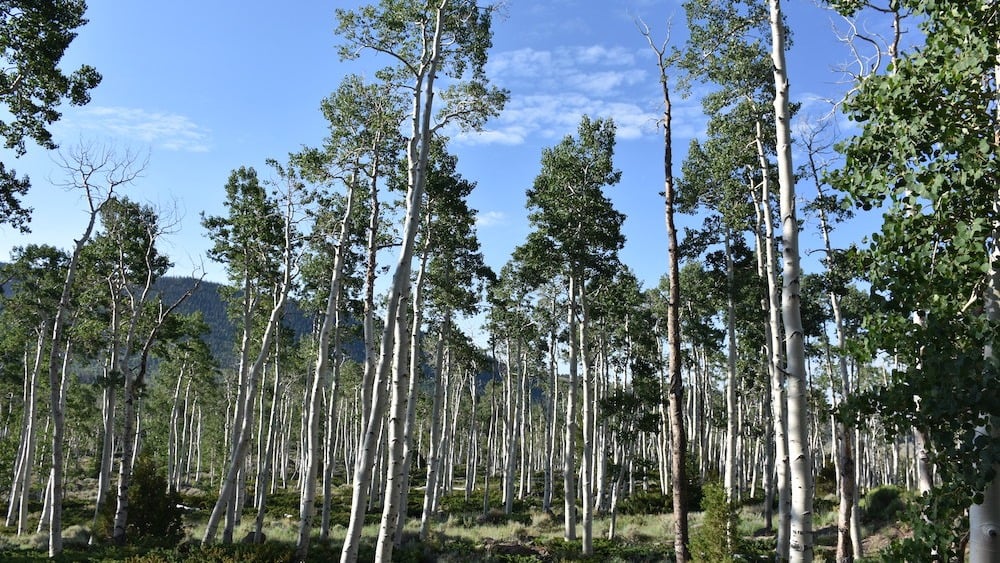
Experience the Majesty of Pando, the World's Largest Living Tree, Through Its Sounds.

Researchers have recorded the sounds of Pando, the world's largest tree, using a hydrophone to capture the rustling of its leaves, birds chirping in the canopy, and critters scampering around. Pando is a single clone comprising approximately 40,000 genetically identical stems interconnected by a complex root system. The underground recordings offer new opportunities to better understand the "trembling giant" in a way that's completely noninvasive, including mapping out Pando's root system, monitoring water flow, and performing wildlife management that may help deter deer from eating the tree, which could hinder its regeneration.

archaeology2 years ago

Revolutionary technology uncovers ancient Australian landscape.

Scientists at Flinders University have used sub-surface imaging and aerial surveys to map the Red Lily Lagoon area of West Arnhem Land in Northern Australia, revealing how the landscape was altered as sea levels rose about 8,000 years ago. The findings have important implications for understanding the archaeological record of Madjedbebe—the oldest archaeological site in Australia—and provide a new way to understand the rock art in the region. By examining how sediments now buried beneath the flood plains changed as sea levels rose, the researchers can see how the transformation of Red Lily Lagoon had resulted in the growth of mangroves that have supported animal and marine life in a region where ancient Indigenous rock art is located.