A newly discovered single-celled amoeba, Incendiamoeba cascadensis, can survive and grow at temperatures up to 63°C, surpassing previous records for eukaryotic organisms, challenging assumptions about the thermal limits of complex life.
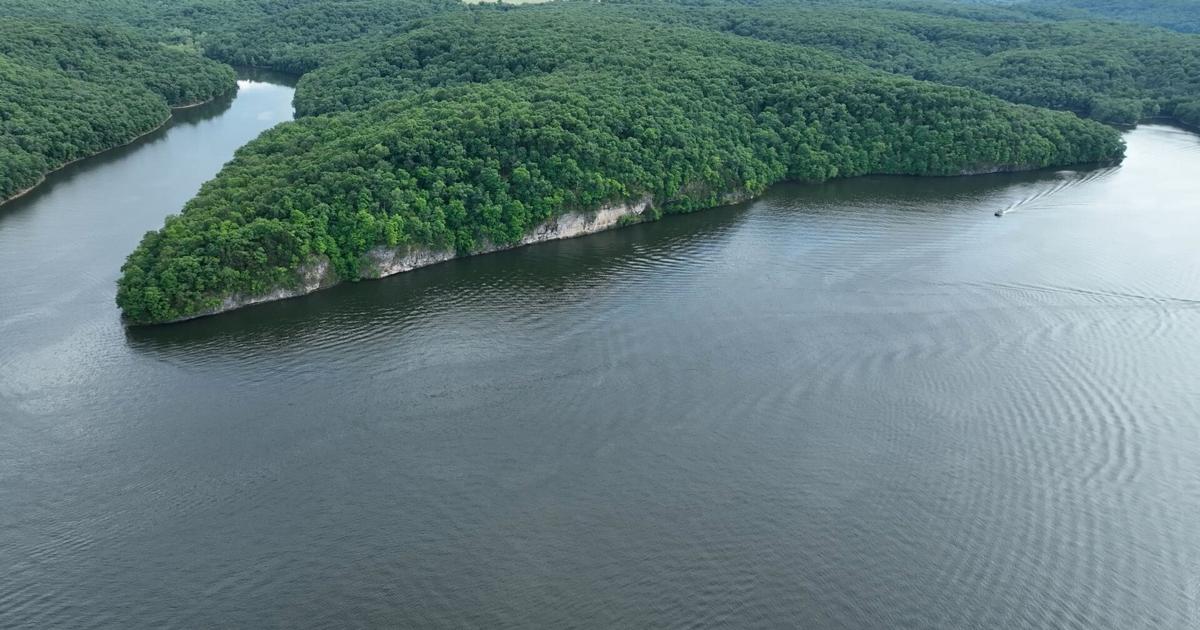
A man in Missouri died after contracting primary amebic meningoencephalitis, a rare and deadly brain infection caused by a 'brain-eating' amoeba, likely from water skiing at Lake of the Ozarks. The amoeba is present in warm, fresh water and poses a very low risk, with symptoms including severe headache, fever, and seizures. Prevention includes avoiding warm freshwater bodies or using nose clips during water activities.
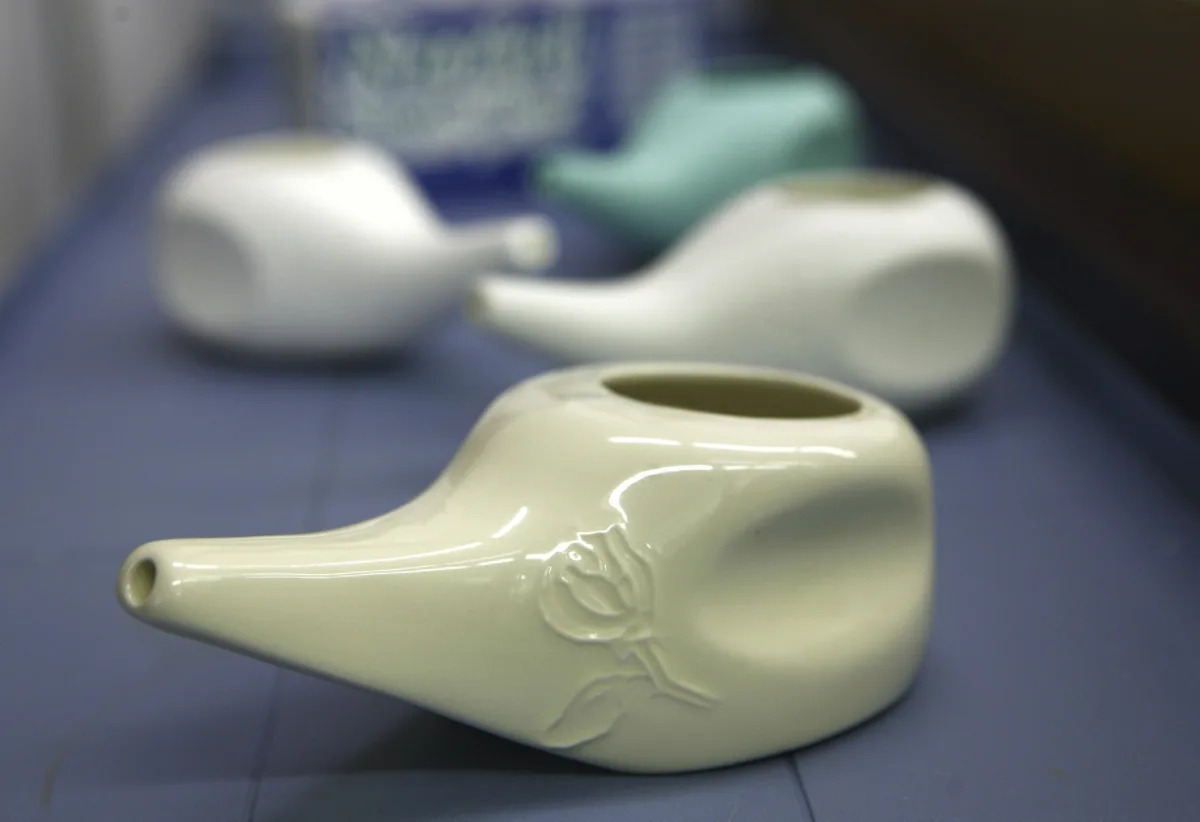
The CDC has linked Acanthamoeba infections to neti pots and nasal rinsing, renewing warnings about the potential dangers of using tap water for nasal irrigation. A study focused on 10 patients who fell ill between 1994 and 2022, three of whom died, revealed commonalities such as weakened immune systems and nasal rinsing practices. Acanthamoeba, a deadly amoeba found in tap water, can cause serious and potentially life-threatening illnesses, with a fatality rate of 85% in reported cases. The CDC recommends using boiled, sterile, or distilled water for nasal rinsing to mitigate the risk of infection.