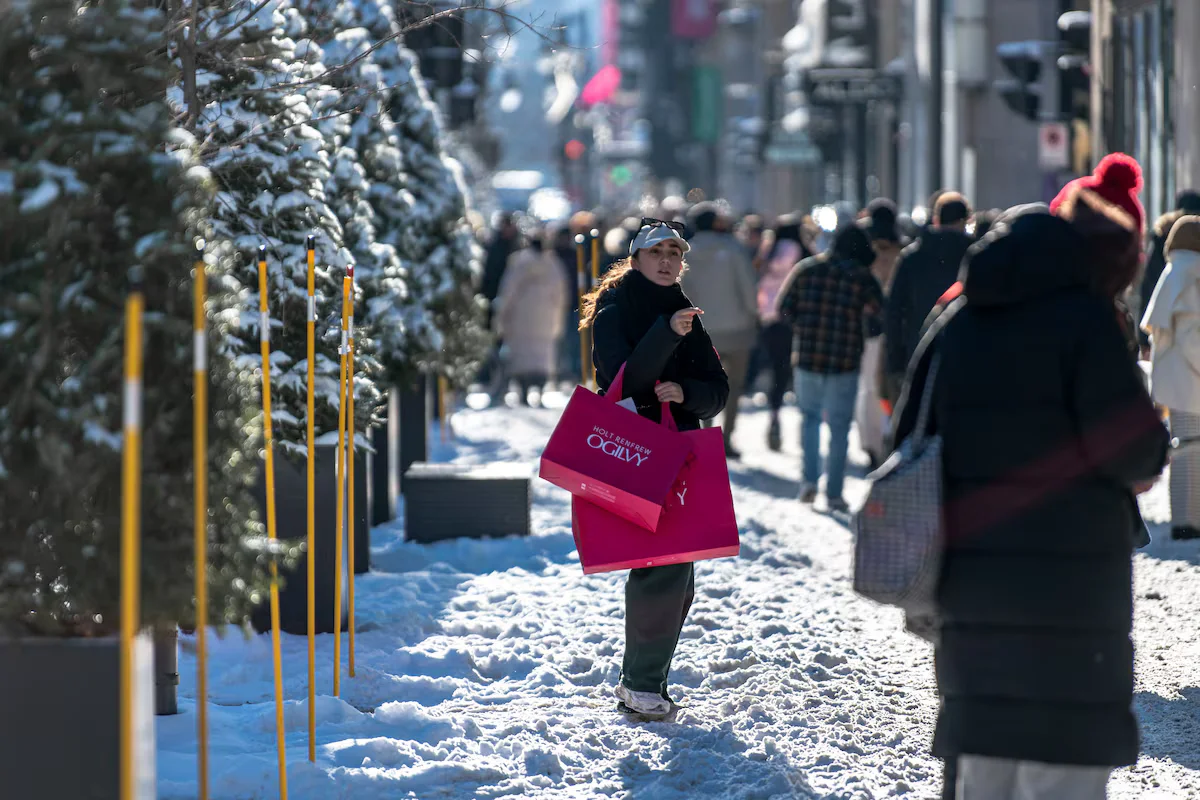
Holiday spending in Canada increased overall, driven by higher-income and older consumers, while younger shoppers and lower-income groups cut back, illustrating a 'K-shaped' economic recovery with divergent spending patterns across demographics.
Experts recommend planning and budgeting for holiday expenses by setting spending limits, prioritizing meaningful gifts, spreading purchases over time, and considering homemade or experience-based gifts to enjoy the season without financial stress.
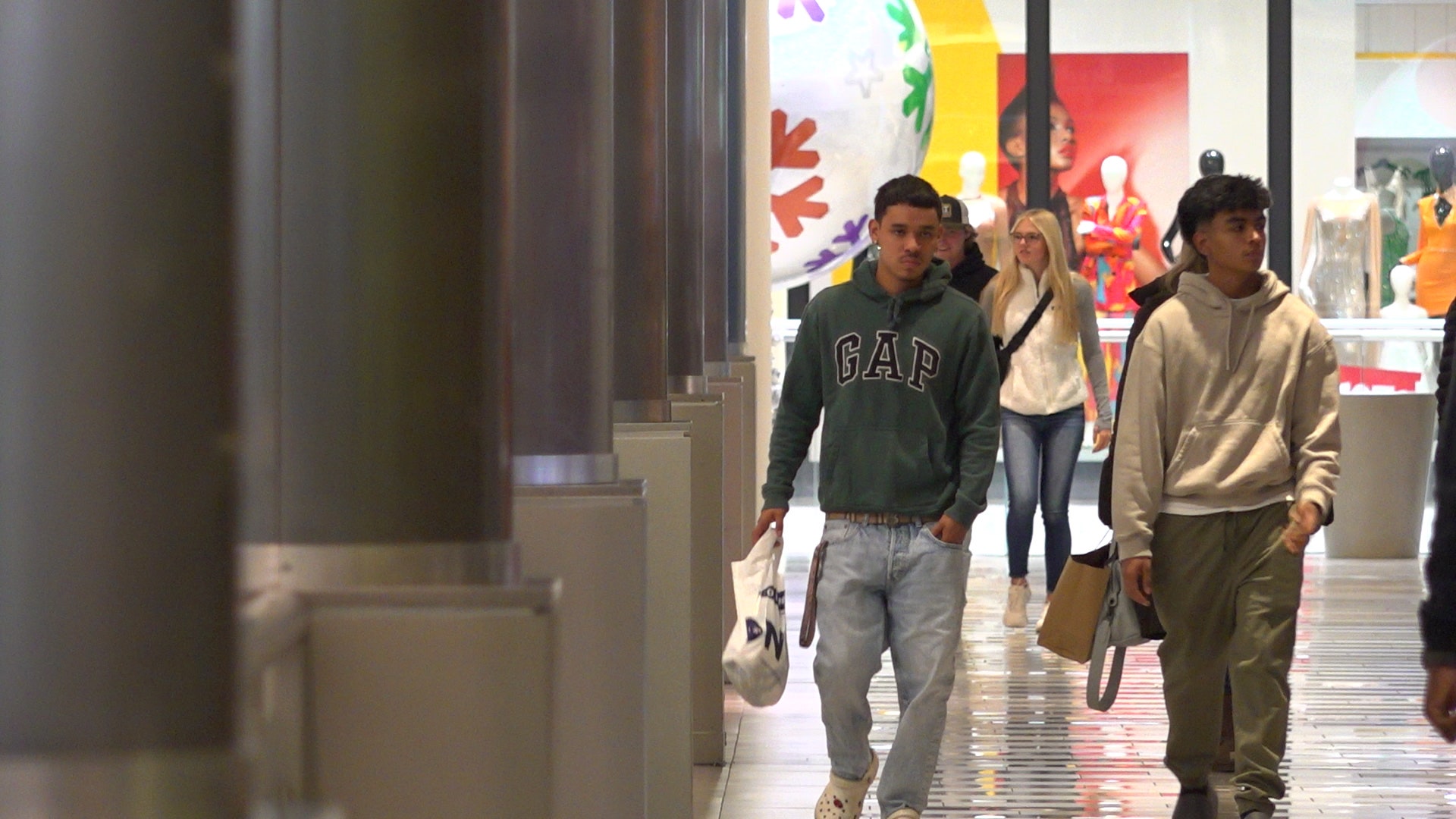
Younger consumers, particularly Gen Z, are reducing their spending at fast-casual chains like Chipotle and Cava but are still investing in luxury items like Coach handbags, which has helped Tapestry beat earnings expectations and raise its full-year outlook. Despite some signs of decreased spending among younger demographics, Tapestry's focus on Gen Z has resulted in strong sales growth and high customer retention, contrasting with other brands facing declines in younger customer engagement. However, overall holiday spending plans among Gen Z are expected to decrease significantly compared to previous years.
Most U.S. consumers expect higher holiday prices and a weaker economy this year, leading to reduced spending plans, especially among younger shoppers, amid ongoing inflation and economic uncertainty, according to a Deloitte survey.
NPR is seeking input from the public on their holiday shopping plans amid economic challenges like rising costs and a slowing job market, asking whether people plan to tighten budgets, make tradeoffs, or splurge this season.
U.S. online holiday spending is projected to grow by 5.3% to $253.4 billion, slower than last year's 8.7%, as consumers seek discounts and increasingly use AI chatbots for shopping research, with overall holiday sales expected to grow modestly amid economic concerns.
A survey by PwC indicates that overall holiday spending is expected to decrease by 5%, with Generation Z planning to cut their spending by 23%, driven by price sensitivity and a focus on value, which poses both challenges and opportunities for retailers during the holiday season.
U.S. holiday spending is expected to decline by 5% this year, primarily due to a 23% reduction in spending by Gen Z, driven by economic uncertainty, inflation, and changing priorities towards experiences and value shopping. Other generations are maintaining or increasing their budgets, but overall consumer sentiment is cautious, impacting retail strategies and sales.
Following the 2024 presidential election, consumer sentiment is expected to influence holiday spending, with Trump voters feeling optimistic about the economy and likely to increase their spending, while Harris supporters may be more cautious. Shipping data shows increased volumes in GOP-won states, suggesting a boost in consumer confidence. However, inflation concerns persist, potentially dampening overall holiday sales growth, which is forecasted to be modest compared to previous years.
Buy Now, Pay Later options have surged in popularity during the holiday season, allowing consumers to pay off major purchases over time. While these services appeal to those without credit cards or those wary of adding to their credit card debt, they can also lead to overspending and confusion. Concerns have been raised about the potential for unmanageable debt, prompting Ohio Senator Sherrod Brown and other Democrats to urge federal regulators to monitor these products. Some Buy Now, Pay Later companies do not report to credit bureaus, making it difficult to track a consumer's payment history. Affirm, one of the companies in this space, states that they underwrite each transaction individually and only approve consumers for what they can repay.
As holiday spending is expected to reach record levels, a TD Bank survey reveals that 96% of shoppers anticipate overspending, with half planning to take on more debt to cover expenses. However, only 23% have a plan to pay off this debt within one to two months. With credit card financing rates at all-time highs, carrying a balance can be costly, leading to financial distress. A CNBC survey found that 61% of Americans are living paycheck to paycheck, contributing to stress about finances.
Despite a decline in approval ratings for President Joe Biden and negative views on the economy, holiday spending plans in the US are expected to be robust, with intended spending per person reaching $1,300, a 31% increase from last year. While a small number of respondents plan to spend large sums, even when those answers are removed, double-digit gains are still evident. Factors contributing to increased spending include higher incomes and inflation. However, the survey also highlights the growing divide between negative economic sentiment and positive economic data. The majority of Americans view the economy as fair or poor, although there have been modest improvements in economic outlook. Inflation remains a top concern, followed by immigration and border security. President Biden's approval ratings have hit a new low, with his overall approval rate at 35% and his economic approval at 33%. Former President Trump has widened his lead over Biden in a head-to-head matchup, particularly among key constituents such as younger women, independents, and Latinos.
Experts are warning of a potential credit card debt crisis as record holiday spending threatens an uncertain economy. Despite concerns about the state of the economy, a record 200.4 million consumers spent money over the Thanksgiving holiday weekend, with online shopping being the preferred destination for 44% of shoppers. Black Friday remained the most popular in-person shopping day, while Cyber Monday saw the biggest online sales. The National Retail Federation forecasts a 3-4% growth in holiday spending this year, but experts caution about high interest rates and the potential for credit card debt.
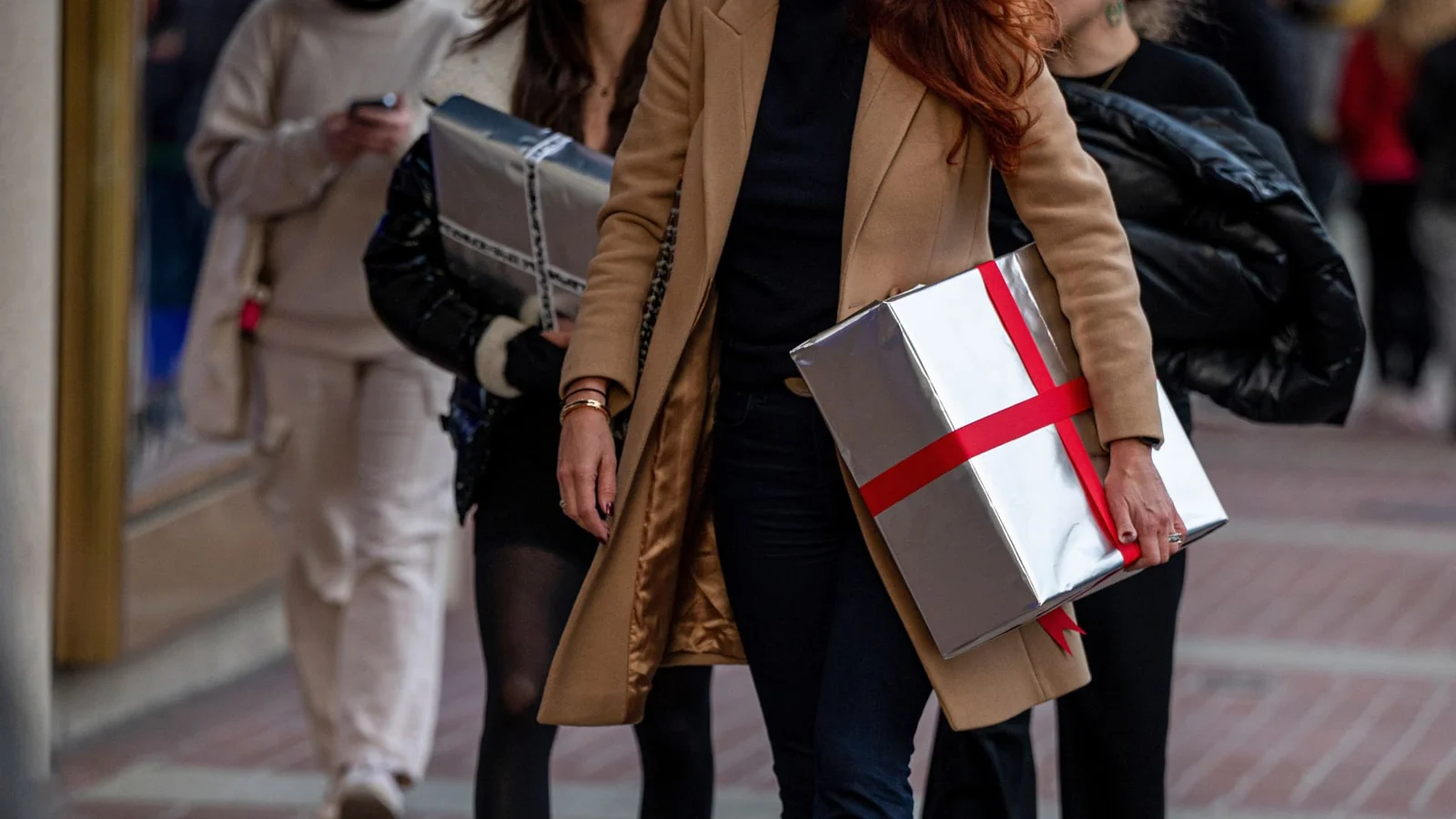
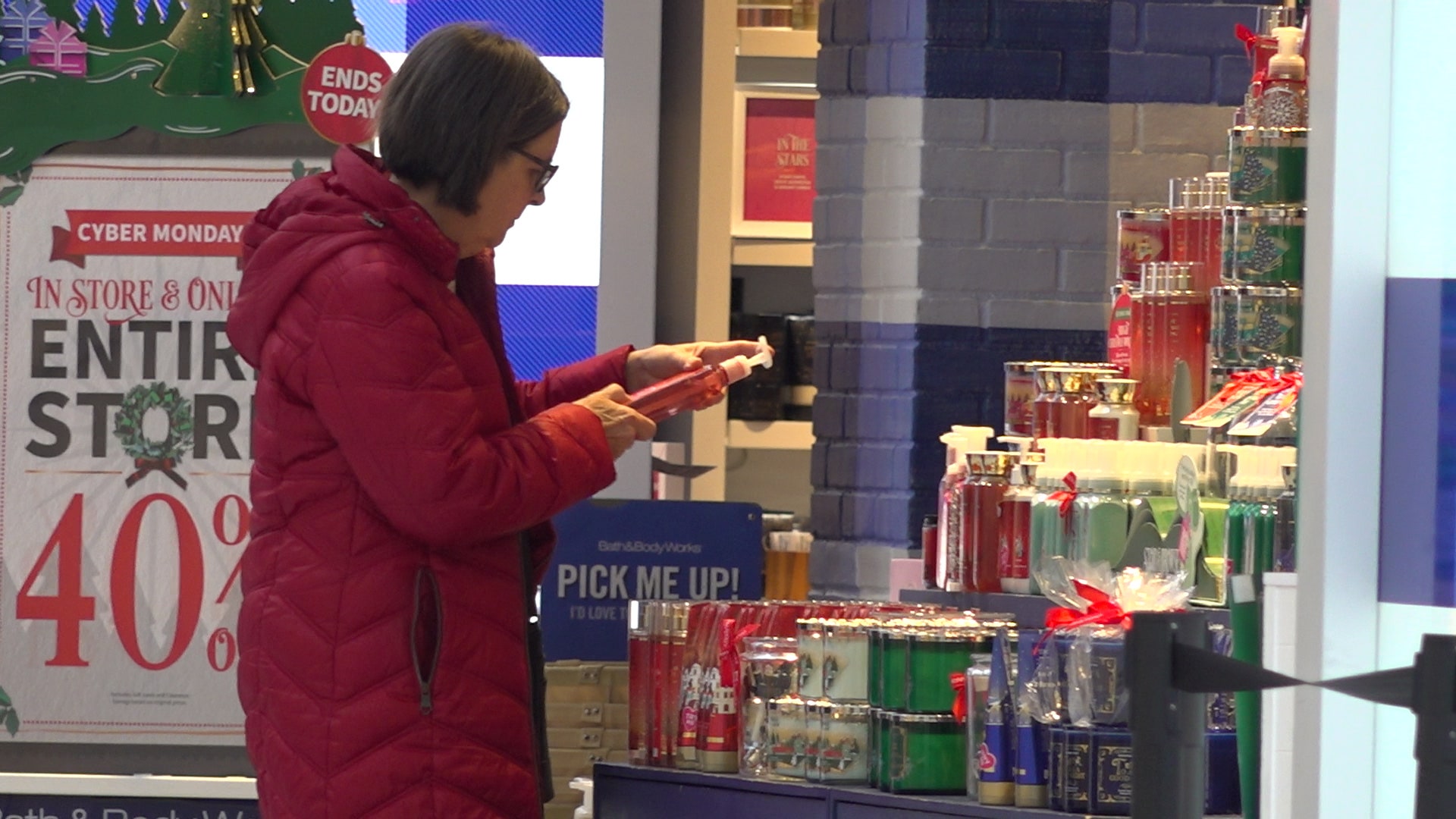
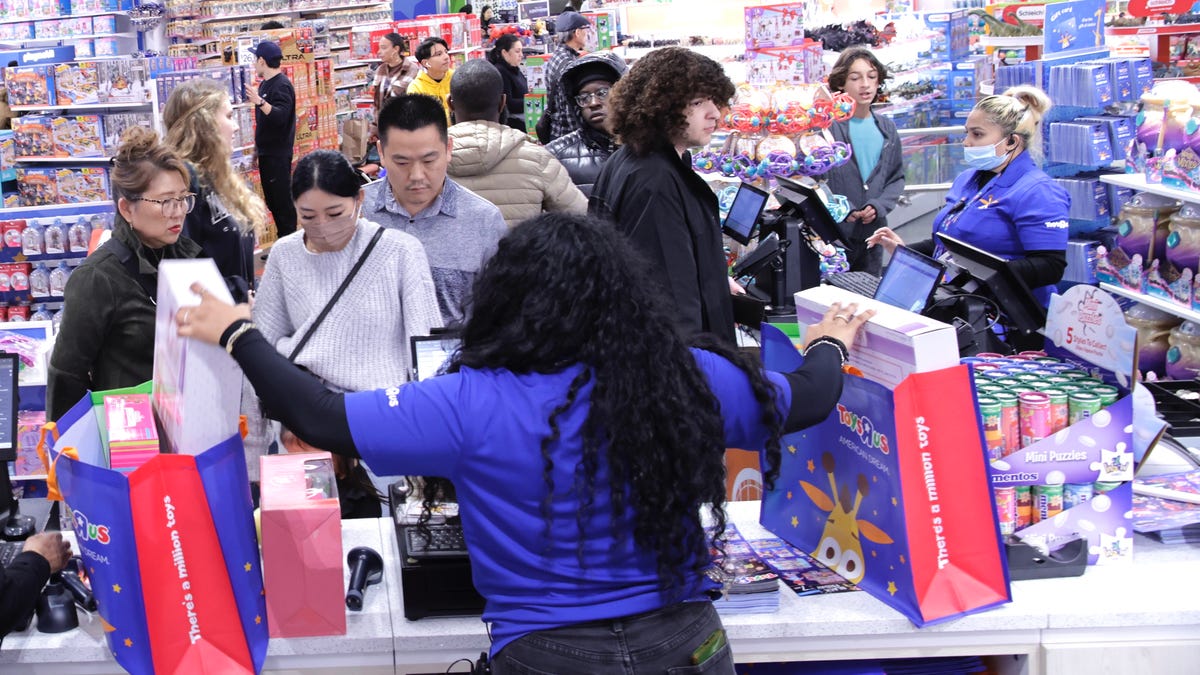
Americans are expected to set new records for holiday spending this year, with sales projected to increase by 3% to 4% compared to last year. However, shoppers are seeking better prices and promotions due to economic uncertainty. The holiday shopping season started earlier and will last longer, with many consumers receiving promotional ads as early as September. The Mall of America is preparing for Black Friday and expects high turnout. Concerns over the economy have led shoppers to focus on buying apparel, shoes, toys, and tech gifts for kids. The National Retail Federation predicts that 182 million people will shop during the Thanksgiving to Cyber Monday period, with nearly 60% already browsing and buying since early November. While shoppers are still looking for good deals, a survey by McKinsey and Company reveals that most Americans plan to wait for better deals or find cheaper options for gifts. Gen Z shoppers are less likely to splurge, with many prioritizing quality over quantity and utilizing "buy now, pay later" plans.
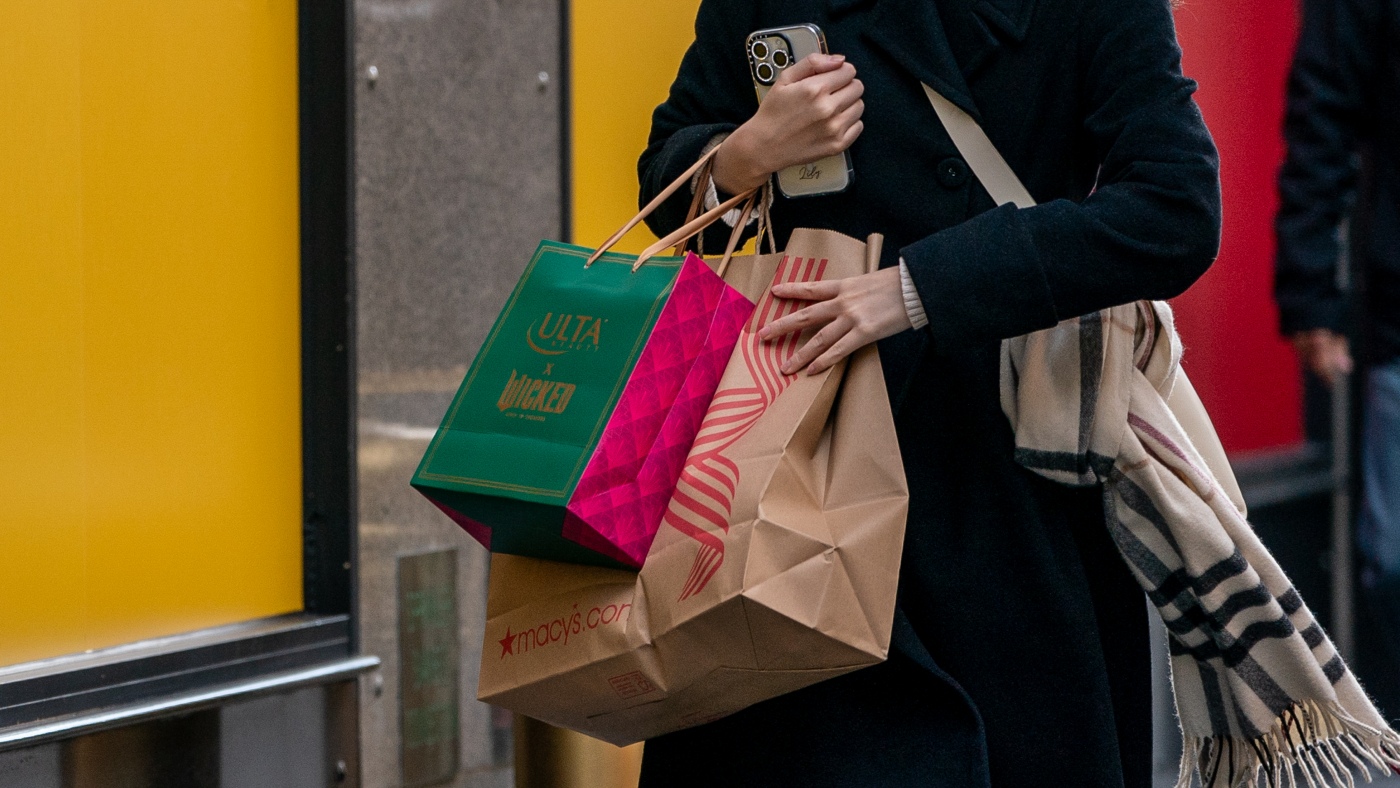
Consumers in the US are taking a cautious approach to their holiday spending as they grapple with high prices, dwindling savings, and rising debt. While shoppers are still spending, they are focusing more on essentials and making fewer discretionary purchases. General merchandise sales have fallen, and retail sales dipped slightly last month. The wobbly consumer sentiment could raise the odds of a recession. Although some economists predict a rise in holiday sales, others note that households are facing inflationary pressures and have depleted their pandemic-related savings. Credit card debt has surged, and consumers are making more subtle tweaks to their shopping habits, which could curb holiday sales.