Despite strong economic indicators like low unemployment and GDP growth, Americans are increasingly pessimistic about the economy, driven by concerns over rising living costs, stagnant wages, and perceived economic hardships, which are not fully reflected in the headline data.
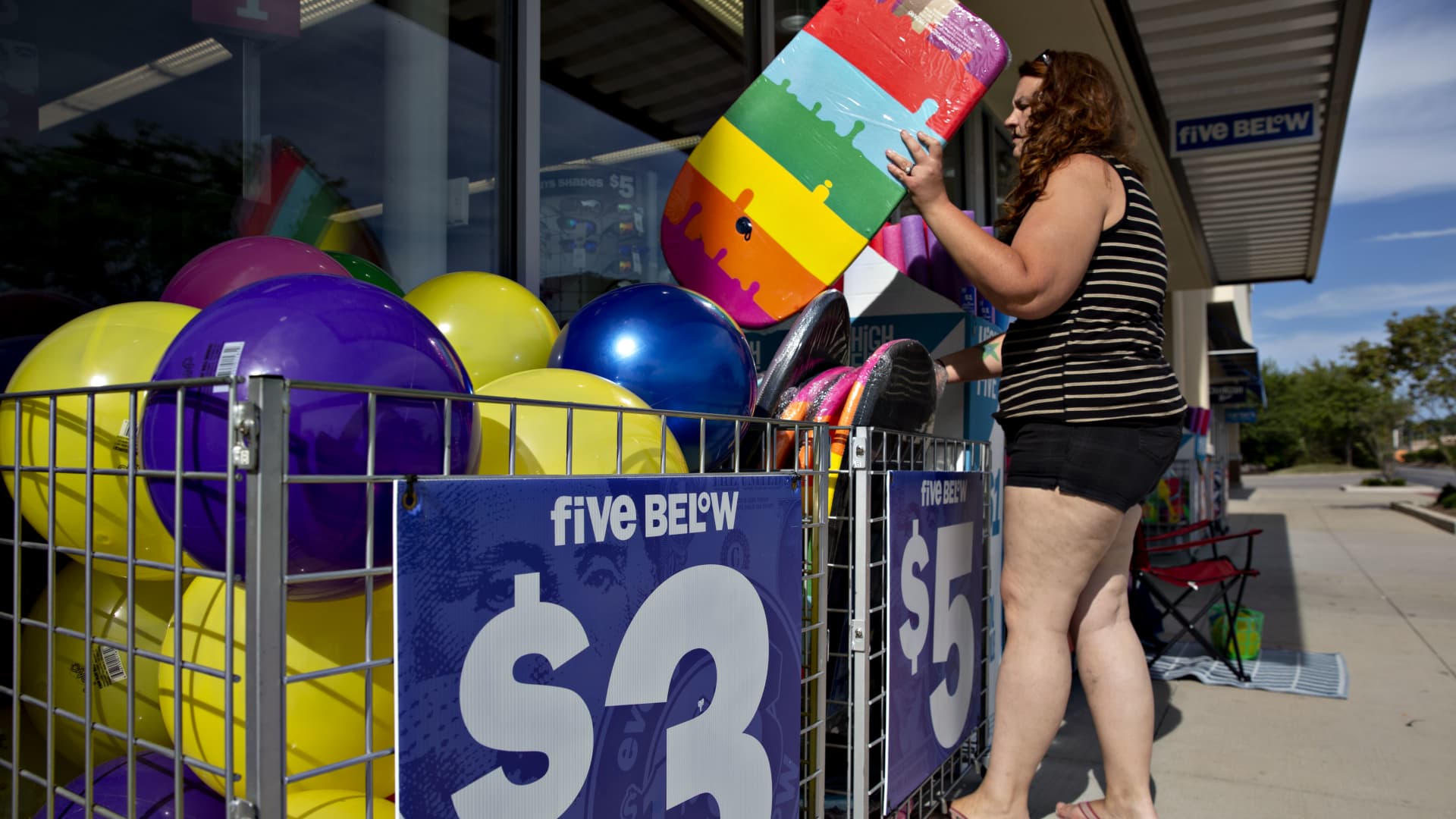
Five Below CEO Joel Anderson highlighted that lower-income consumers are feeling stretched due to prolonged inflation, impacting the retailer's performance. The company reported lower-than-expected revenue for the first quarter and issued soft guidance for the rest of the year, causing shares to drop nearly 11%. Despite some economic improvements, consumer sentiment remains low, with many Americans mistakenly believing the country is in a recession.
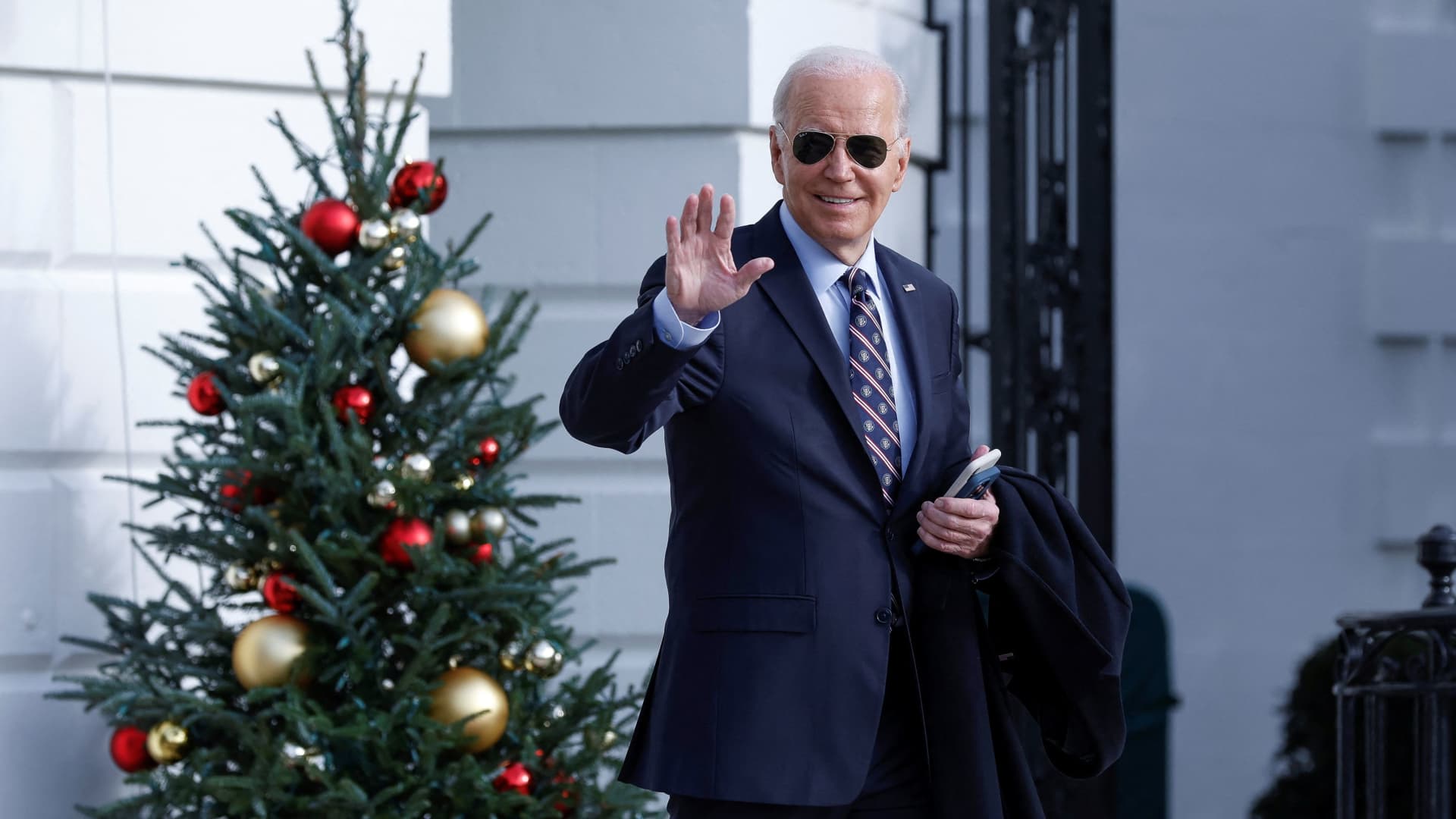
Despite a decline in approval ratings for President Joe Biden and negative views on the economy, holiday spending plans in the US are expected to be robust, with intended spending per person reaching $1,300, a 31% increase from last year. While a small number of respondents plan to spend large sums, even when those answers are removed, double-digit gains are still evident. Factors contributing to increased spending include higher incomes and inflation. However, the survey also highlights the growing divide between negative economic sentiment and positive economic data. The majority of Americans view the economy as fair or poor, although there have been modest improvements in economic outlook. Inflation remains a top concern, followed by immigration and border security. President Biden's approval ratings have hit a new low, with his overall approval rate at 35% and his economic approval at 33%. Former President Trump has widened his lead over Biden in a head-to-head matchup, particularly among key constituents such as younger women, independents, and Latinos.
The US economy continues to grow, but a sense of unease persists, coined as the "vibecession," characterized by stagnant real wages and the impact of inflation on people's economic situation. While some indicators show positive signs, such as increased travel and retail sales, measures like the University of Michigan sentiment index reveal a popular malaise, with inflation being a major concern. For younger generations, the changing work culture, the gig economy, and the challenges posed by AI and the pandemic further complicate economic priorities and create a "passion crisis."