Most U.S. consumers expect higher holiday prices and a weaker economy this year, leading to reduced spending plans, especially among younger shoppers, amid ongoing inflation and economic uncertainty, according to a Deloitte survey.
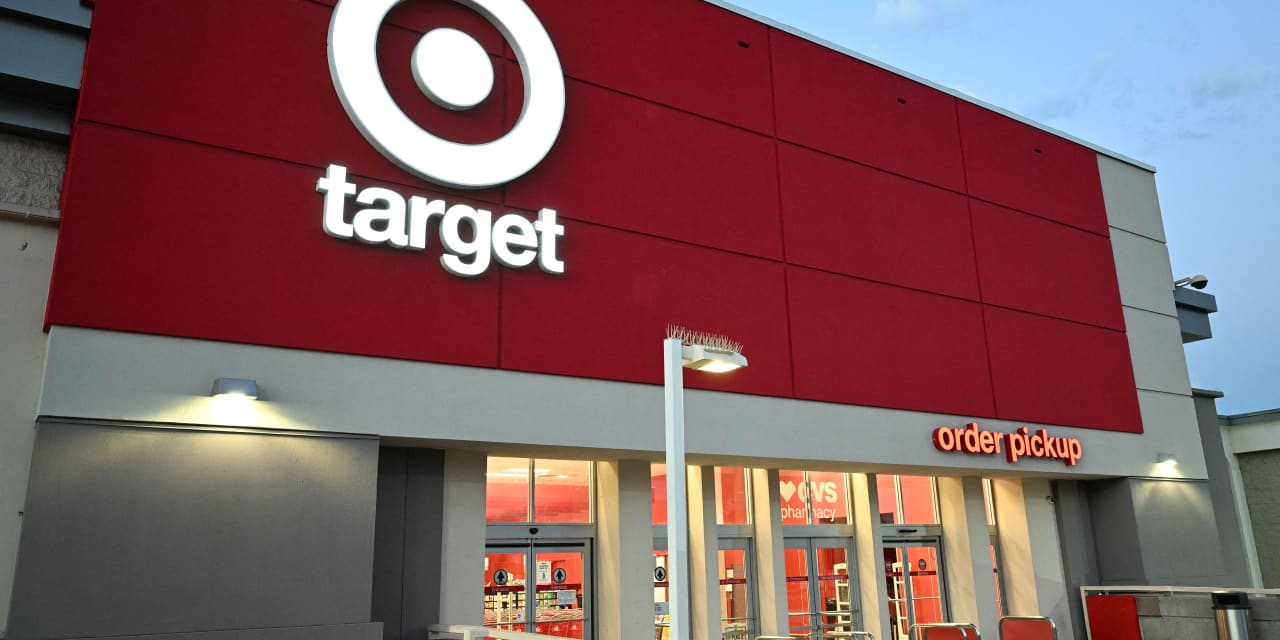
Target's stock surged 11.4% after reporting a fiscal fourth-quarter profit well above expectations, with lower markdowns and shrink costs boosting margins. Chief Growth Officer Christina Hennington noted mixed consumer outlook, with consumers feeling stretched but showing an affinity for style and newness. The company's net income rose to $1.38 billion, with adjusted earnings per share beating expectations. Target expects adjusted EPS of $1.70 to $2.10 for the first quarter and $8.60 to $9.60 for the full year, while also rolling out a new Target Circle membership program to reignite sales and market-share gains.
US consumer confidence, as measured by the Conference Board's Consumer Confidence Index, reached its highest level in two years, hitting 117 in July compared to a revised 110.1 in June. Economists had expected the index to climb to 111.8. The increase in confidence was observed across all age groups and income levels.
The U.S. Leading Economic Index, which tracks business cycles, fell for the 15th consecutive month in June, indicating a weakening consumer outlook and increased unemployment claims. This marks the longest streak of decreases since the 2007-2009 recession. The Conference Board stated that economic activity is likely to continue decelerating in the coming months, and they forecast a recession from the third quarter of 2023 to the first quarter of 2024. Factors such as elevated prices, tighter monetary policy, reduced government spending, and limited credit availability are expected to further dampen economic growth.