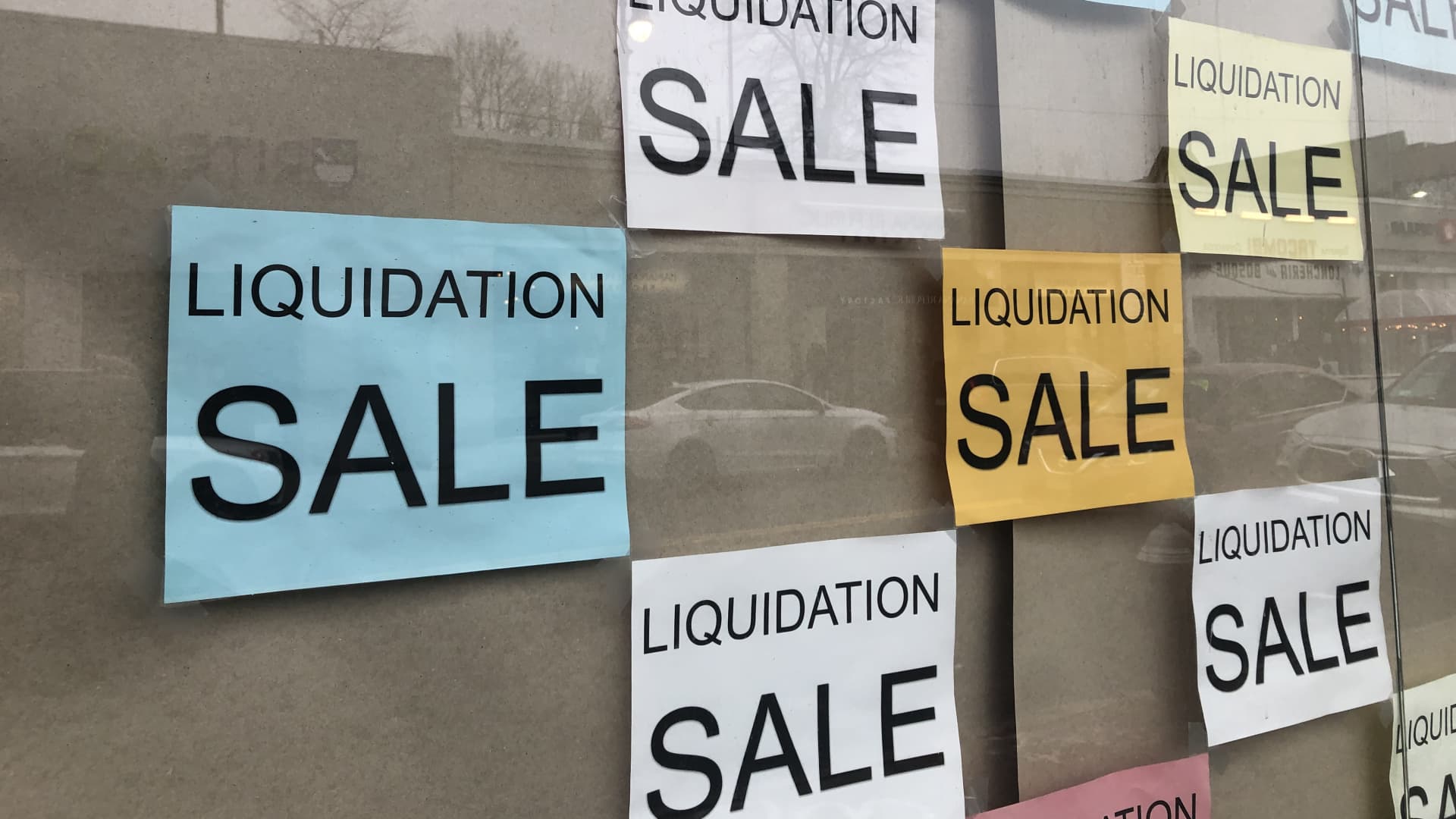
Stoli Group USA, a major vodka brand, has filed for Chapter 11 bankruptcy due to financial distress, including over $78 million in secured debt defaults, a data breach, and a ransomware attack. The company, which also faces legal battles with the Russian government and declining alcohol demand post-Covid-19, listed significant unsecured debts to various creditors, including sports teams and marketing firms. The bankruptcy filing aims to reorganize the company's finances amid rising operating costs and global economic challenges.

Several major healthcare providers, including CarePoint Health Systems, Wellpath Holdings, and CareMax Inc., have filed for Chapter 11 bankruptcy due to financial challenges exacerbated by Covid-19 expenses, rising operational costs, and inadequate funding. Despite a report predicting fewer bankruptcies in 2024, these filings highlight ongoing industry struggles. CareMax, facing $639 million in debt, seeks to sell its assets through a Section 363 auction, citing systemic challenges and increased costs as key factors in its financial distress.
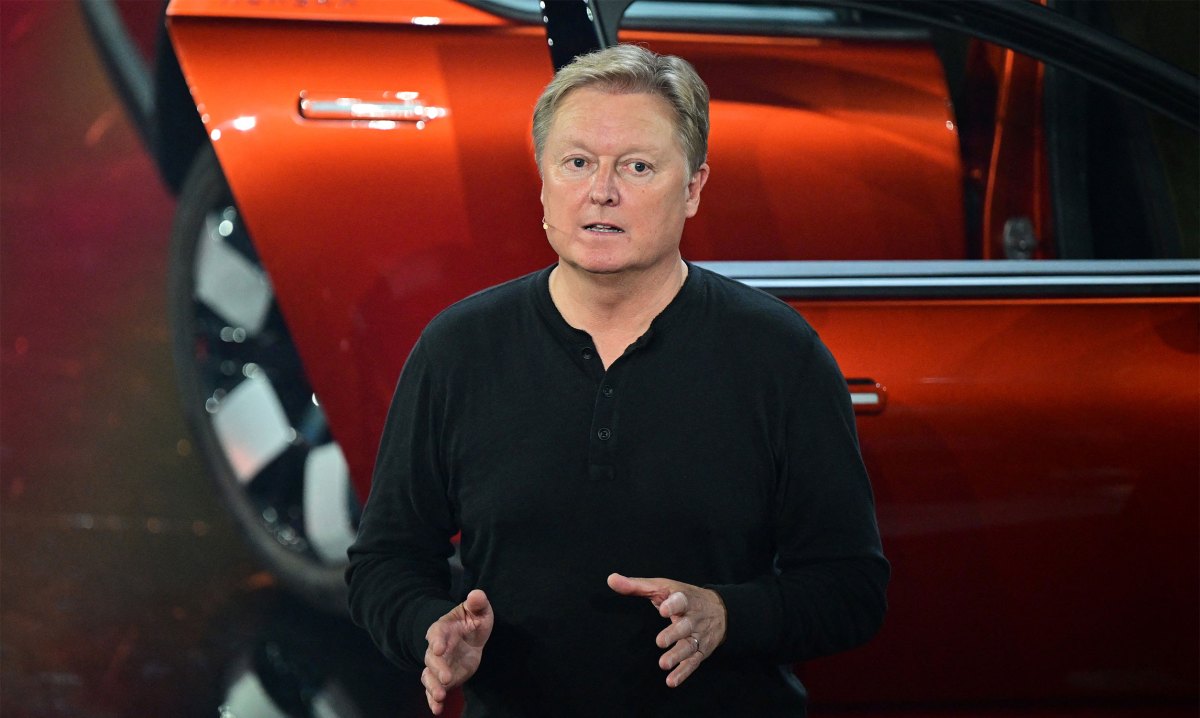
Fisker, the electric vehicle startup, has been facing financial distress since August 2023, leading to its recent Chapter 11 bankruptcy filing. Despite efforts to secure partnerships and promote new models, the company struggled with production and financial obligations. Talks with Nissan for a potential partnership fell through, and Fisker ceased production of its Ocean SUV, laid off employees, and now plans to liquidate assets. The bankruptcy proceedings aim to stabilize operations while addressing debts, with significant amounts owed to creditors, including Heights Capital Management.
Birmingham-Southern College held its final graduation ceremony as it prepares to close permanently after 168 years due to financial difficulties and a failed loan effort. The event was marked by emotional speeches, honorary degrees, and reflections on the college's legacy. Alumni and staff expressed sadness over the closure, which will result in over 200 job losses. Despite the closure, the community celebrated the college's impact and cherished memories.
Chicago and Houston top the list of American cities with the most financial distress, according to a report from WalletHub. Factors contributing to financial duress include bankruptcy filings, credit scores, accounts in forbearance, and online searches for "debt" or "loans." New York and Los Angeles also rank high on the list, while Boise, Idaho, has the fewest citizens in financial peril. Rising inflation and interest rates are exacerbating financial challenges, leading to increased credit card debt and decreased savings rates across the country.
According to a report from the Federal Reserve Bank of New York, U.S. households are grappling with a record $1.13 trillion in credit card debt, signaling increasing financial strain, particularly among younger and lower-income Americans. Factors such as inflation and higher interest rates are contributing to this rise in debt, with 49% of credit cardholders carrying debt from month to month. Additionally, credit card delinquencies have surged by over 50% in the past year, reaching 6.4% of all accounts being 90 days past due, while mortgage and auto loan balances have also increased.
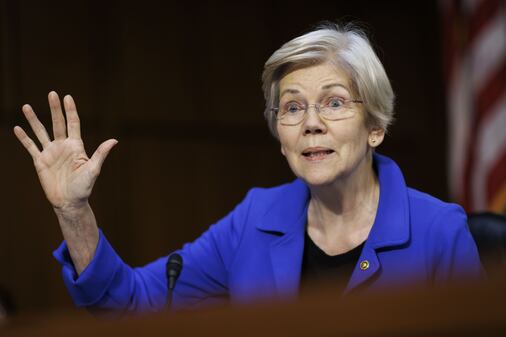
US Senator Elizabeth Warren criticizes Steward Health Care's for-profit business model, expressing concern over its financial distress potentially impacting patient care at its nine Massachusetts hospitals. Steward has attributed its struggles to low Medicaid reimbursement rates and inadequate payments from commercial insurance. Warren is investigating the situation and organizing briefings for state officials, while state legislators are exploring measures to prevent hospital closures and ensure continued care for communities.
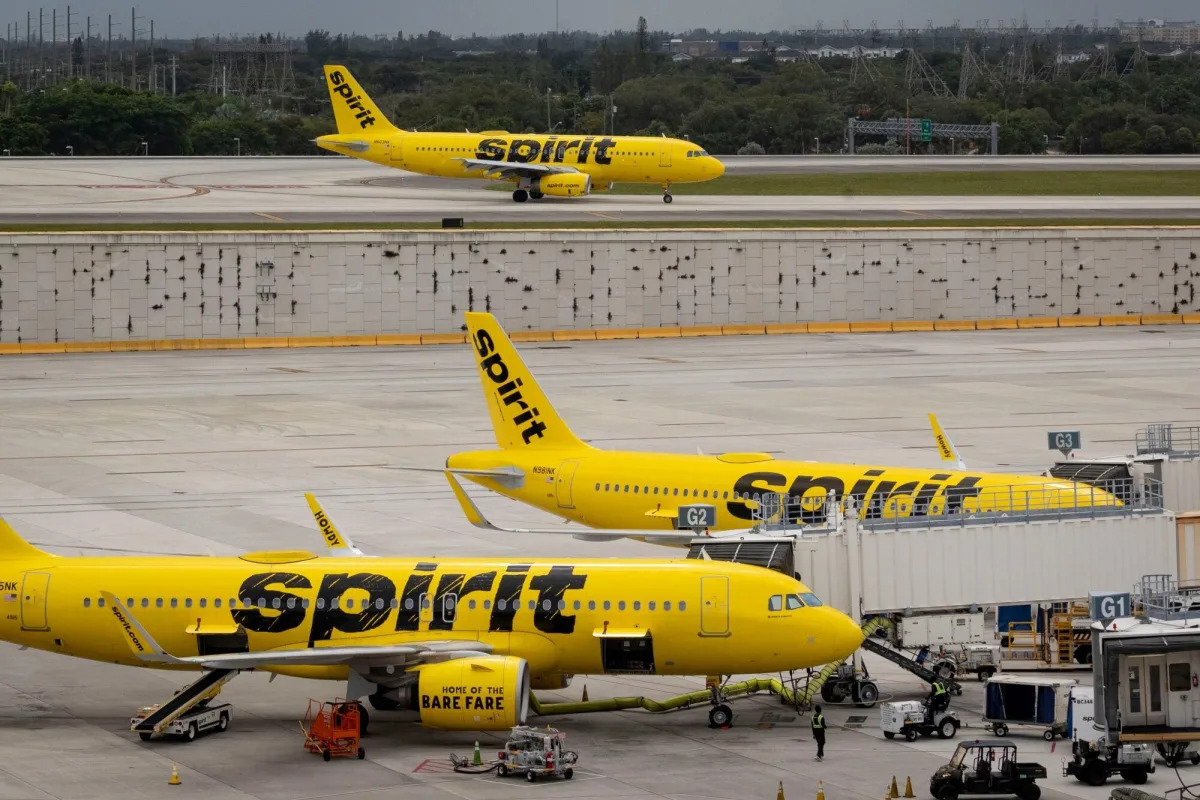
Spirit Airlines is facing financial distress with deeply distressed bond prices and about $2.5 billion in debt, despite its relatively young fleet. The airline is seeking to refinance upcoming debt maturities and exploring options such as sale-leaseback deals on its planes. However, its slim margins and cash burn pose challenges for refinancing, and its remaining financing options may require creativity. With its fleet already pledged as collateral on existing debt, the airline's survival hinges on convincing investors of its viability as an independent-going enterprise.
Despite positive economic indicators such as GDP growth and low unemployment, many Americans are dissatisfied with the economy, citing reasons such as high prices, economic inequality, and housing unaffordability. Three charts highlight increasing financial stress, with credit card debt and bill payment difficulties on the rise, and housing becoming unaffordable in many cities. While some indicators show a strong economy, a significant portion of households are experiencing economic strain, contributing to widespread dissatisfaction.
A top executive of China Evergrande's electric vehicle company has been detained by police, signaling further trouble for the heavily indebted property developer. The company's shares sank after the announcement, and news of a major shadow bank's bankruptcy liquidation added to the distress in the property sector. Evergrande, facing a $340 billion debt, is in the midst of a restructuring and its chairman's status is unclear. The company's EV unit's troubles could complicate its restructuring efforts, and a Hong Kong court is set to hold a hearing on its debt restructuring plans. Meanwhile, Zhongzhi Enterprise Group, a major shadow bank, filed for bankruptcy liquidation, highlighting the financial distress in China's property market.
As holiday spending is expected to reach record levels, a TD Bank survey reveals that 96% of shoppers anticipate overspending, with half planning to take on more debt to cover expenses. However, only 23% have a plan to pay off this debt within one to two months. With credit card financing rates at all-time highs, carrying a balance can be costly, leading to financial distress. A CNBC survey found that 61% of Americans are living paycheck to paycheck, contributing to stress about finances.
Nio's stock has been trading sideways after a decline, and while some hope for a turnaround following the company's recent layoffs, it may actually mark the beginning of the end for the once high-flying EV maker. Nio's weak sales growth and increasing competition suggest that a resurgence is unlikely, and cost savings from layoffs may be outweighed by decreasing gross margins and rising overhead expenses. As the Chinese EV market bounces back, Nio is falling behind and may have to settle for being a small player in the industry. The company's execution issues make success in overseas markets doubtful, and a limited growth runway could lead to a further devaluation of Nio's stock. With potential financial distress looming, it is advised to avoid investing in Nio at this time.
Small business bankruptcies, particularly through Subchapter V filings, are increasing in the United States. The Small Business Reorganization Act of 2019 introduced Subchapter V as a simpler and more cost-effective way for small companies to reorganize their debts. However, business owners should carefully consider the timing of declaring bankruptcy and explore other options before resorting to it. Access to capital for small businesses is currently low, and short-term funding options like merchant cash advances can be risky due to high costs. It is important to protect personal assets and seek professional advice before making financial decisions. Different bankruptcy options have varying costs and restrictions, and the success of a bankruptcy filing should be carefully evaluated. Bankruptcy can have long-term consequences, including impacting personal credit and making business details public. Therefore, it should be considered as a last resort.
The number of corporate insolvencies in England and Wales has surged, indicating the financial distress faced by businesses due to the economic impact of the pandemic.
The Washington Post plans to cut 240 positions, or roughly 10 percent of its staff, through voluntary buyouts, as part of cost-cutting measures amid financial distress in the media industry. Other media companies, including ABC News and Condé Nast, are also expected to implement staff reductions. The Post, backed by Jeff Bezos, remains relatively stable compared to linear television and magazine businesses but is projected to lose $100 million this year.