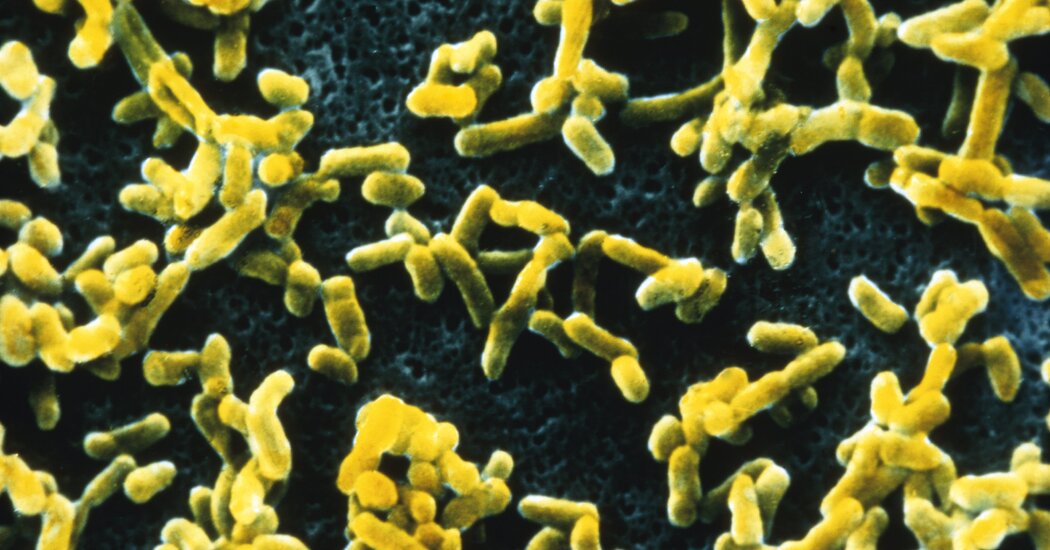
Scientists have created a 37,000-year genetic record of 214 human diseases across Europe and Asia, revealing insights into the history and evolution of ailments that have affected humans, including a surge in plague-causing microbes around 5,000 years ago, to better understand and prepare for future pandemics.
Recent research published in PLOS Biology suggests that body lice, not just rat-transmitted fleas, played a significant role in spreading the bubonic plague during the 14th century. The study found that body lice can effectively transmit the plague-causing bacterium Yersinia pestis, with infected lice remaining contagious for up to a week and capable of infecting humans through their bites. This new evidence highlights the potential for body lice to be more effective vectors of the plague than previously understood.