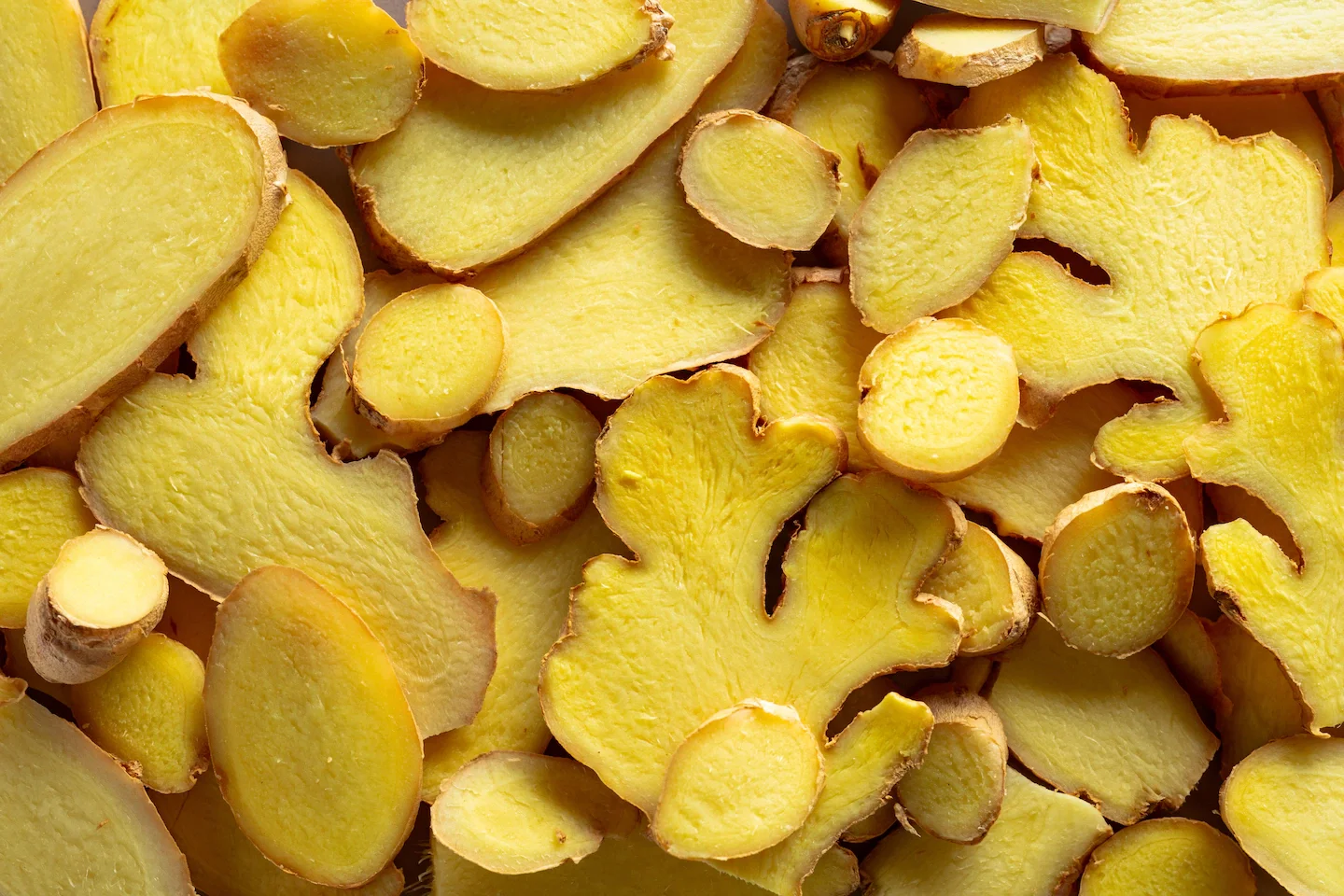
Ginger can relieve mild to moderate nausea and is easy to find as a spice, tea, or supplement, but research shows it does not consistently prevent vomiting, so use it as a helpful option rather than a guaranteed cure.
Water retention, or edema, can cause swelling and discomfort due to factors like diet, hormones, or inactivity. To reduce water retention, drink more water, consume less sodium, increase potassium and magnesium intake, stay active, elevate your feet, wear compression socks, drink herbal teas, avoid refined carbs, and ensure adequate sleep.
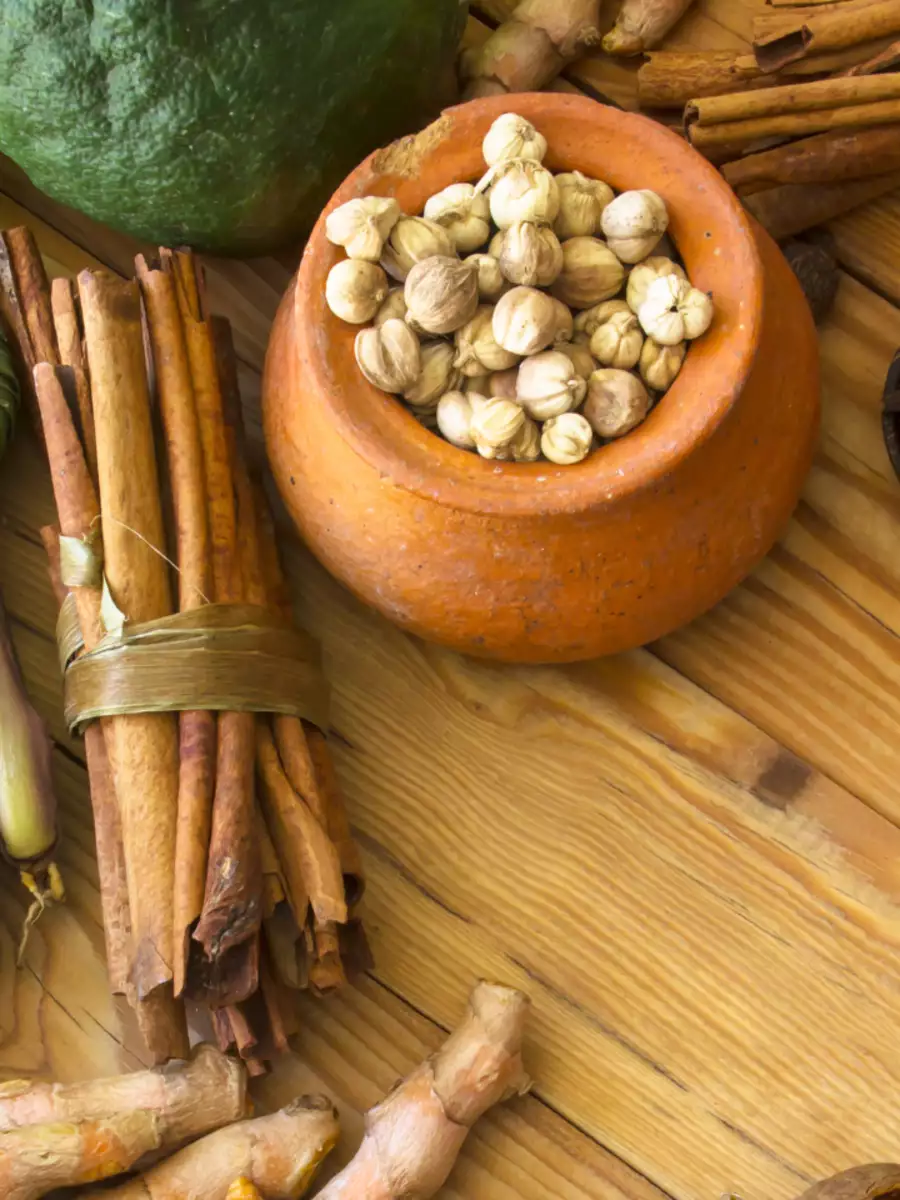
Ayurveda identifies nine foods as "Amrit" for their exceptional health benefits, including turmeric, ashwagandha, ghee, amla, honey, jamun, tulsi, giloy, and ginger. These foods are celebrated for their abilities to boost immunity, improve digestion, reduce stress, and enhance overall vitality.
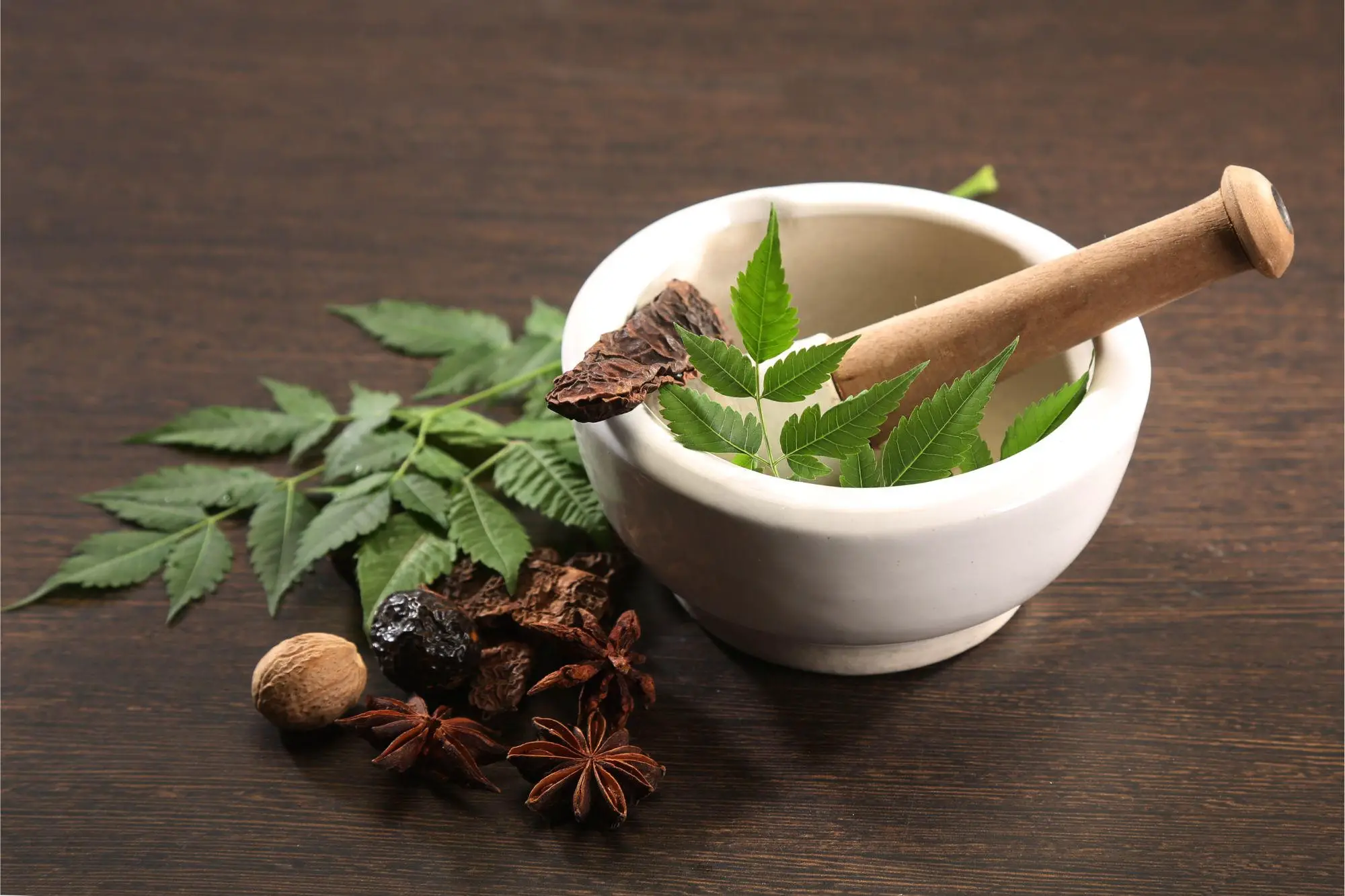
W72 Wellness, located on 72nd Street in the Upper West Side of NYC, offers a range of health and wellness services including acupuncture, herbal remedies, and massage therapy. Led by experienced practitioners such as Dr. Peter Caron, the clinic provides personalized treatments and custom herbal formulas to address physical, mental, and emotional ailments. With plans to expand its staff in 2024, W72 Wellness aims to bring health and vitality to the neighborhood.
A registered herbalist recommends 12 types of tea for bloating relief, including chamomile, Earl Grey, wormwood, peppermint, dandelion root, fennel, burdock root, cinnamon, lemon balm, thyme, ginger, and gentian root tea. These teas contain carminatives, bitter herbs, and roots that relax muscles in the digestive tract, support healthy digestion, and alleviate inflammation. Steeping the herbs for 15 minutes and buying organic, well-sourced ingredients are recommended. However, persistent bloating should be investigated to identify and address the underlying cause.
Occasional bloating is normal, but for those who experience it frequently, there are supplements available to help debloat. Some effective ingredients to look for in debloating supplements include peppermint, lemon balm, fennel, and anise. Some recommended supplements include Hilma's Gas + Bloat Relief, HUM, Love Wellness, Lemme Debloat gummies, Iberogast, Gaia Herbs Gas & Bloat, Arrae, and Gogo. These supplements contain various herbs, enzymes, and probiotics to soothe digestion and reduce bloating. It's important to consult with a doctor before taking any supplements, especially if you are on medication.
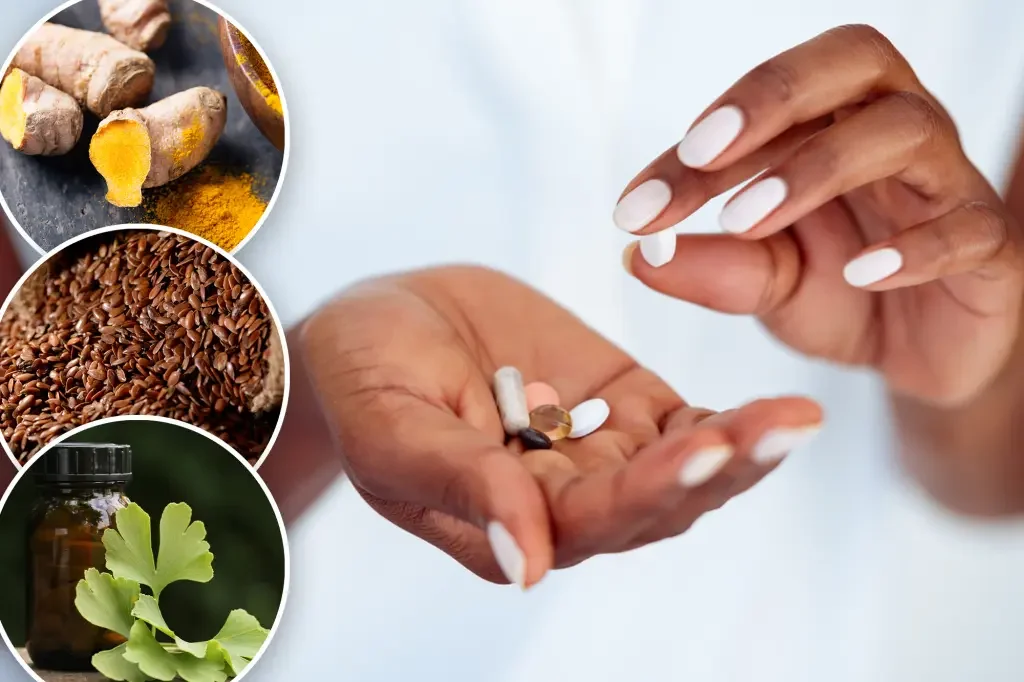
Americans are avid consumers of dietary supplements, despite the largely unregulated nature of the industry. However, there are six supplements that have shown evidence of providing real health benefits. These include echinacea for treating colds and pain, ginger and turmeric for easing nausea and inflammation, ginkgo for memory and brain function, vitamin D for those deficient in it, evening primrose oil for menopause symptoms, and red yeast rice for lowering cholesterol. It is important to follow label instructions, be aware of potential interactions with medications, and buy supplements from reputable brands.
A nutritionist recommends three morning drinks to help manage blood sugar levels in individuals with diabetes. The first drink is methi seeds water, which contains soluble fibers that delay the absorption of sugars and amino acids that stimulate insulin release. The second drink is giloy water, which contains berberine, a compound that has been shown to reduce blood sugar levels. Lastly, cinnamon tea can help stabilize blood glucose levels by increasing glycogen storage. It is important to consult with an expert before incorporating these drinks into your diet.
A case study published in the Canadian Medical Association Journal highlights the risk of lead poisoning from Ayurvedic medicines. A young woman developed lead toxicity after consuming these medications for over a year, leading to nonspecific symptoms like abdominal pain and anemia. Investigations revealed high lead levels in the pills, prompting public advisories from health authorities. The case emphasizes the importance of communication between clinicians and public health to minimize the health risks associated with lead in consumer products.
Menopause can cause a range of symptoms, including mood changes, vaginal dryness, and hot flashes. There are various treatment options available, including antidepressants, vaginal therapy, herbal remedies, acupuncture, exercise, and therapy. Lubricants and laser treatments can help with vaginal dryness, while black cohosh is a popular herbal remedy. Acupuncture has been found to reduce symptoms, and therapy can be helpful for mental health symptoms.
Some home remedies can actually be harmful, such as using syrup of ipecac to induce vomiting in case of accidental poisoning, applying butter or egg whites to burns, using breast milk as a cure-all, drinking arnica tea, using vinegar compresses on the skin, eating oysters to induce a miscarriage, using teething gels containing benzocaine on babies, taking St. John's Wort and other herbal remedies without considering potential interactions, pouring hydrogen peroxide on wounds, and using baking soda for stomach troubles. It's important to be aware of the potential health risks associated with these remedies and to seek medical advice when necessary.