Doctors have discovered that clopidogrel is more effective than aspirin in preventing heart attacks and strokes in patients with coronary artery disease, without increasing bleeding risks, potentially leading to a change in global treatment guidelines.
Novo Nordisk's semaglutide significantly reduced the risk of major cardiovascular events and death in patients with type 2 diabetes and chronic kidney disease in a Phase 3 study, supporting its potential for broader indications. The results were presented at the European Renal Association's conference and published in the New England Journal of Medicine.
Excess niacin metabolism was found to be associated with major adverse cardiovascular events (MACE), with two breakdown products, 2PY and 4PY, showing a strong link to myocardial infarction, stroke, and other adverse cardiac events. The study suggests that niacin supplementation may require a more nuanced, titrated approach to avoid excess 4PY generation, which is associated with increased MACE risk. The findings highlight the potential impact of niacin levels on cardiovascular health and the need for careful consideration of niacin supplementation.
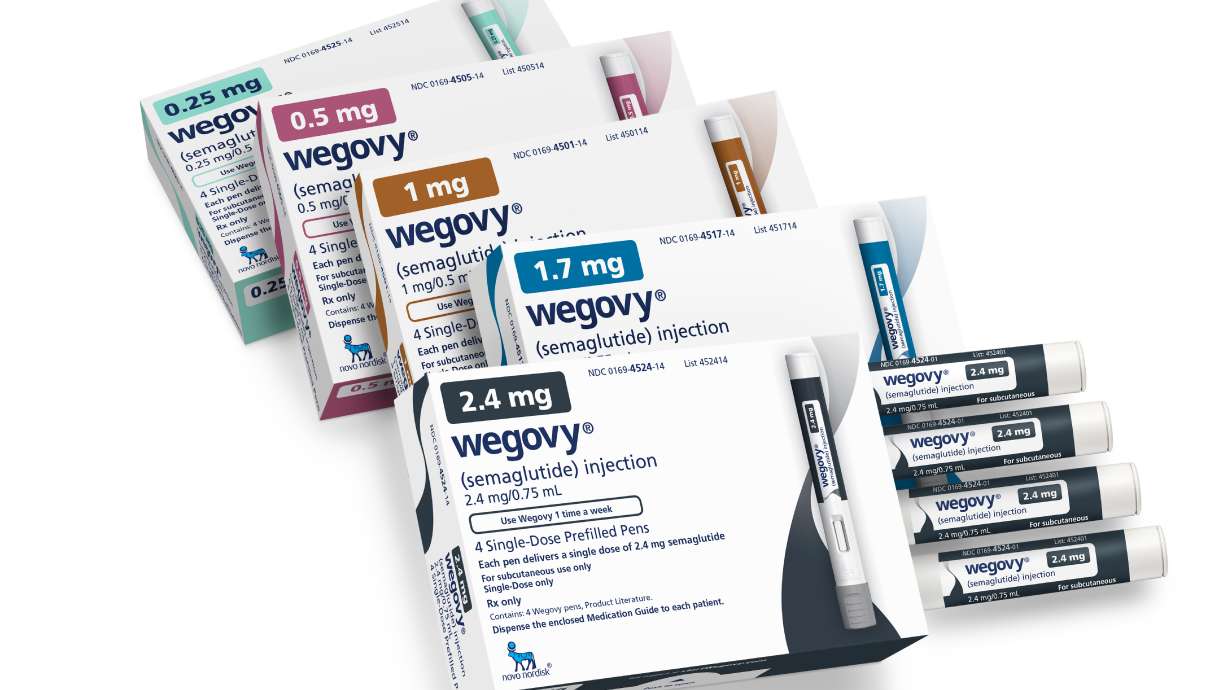
A large international study has found that the weight-loss drug Wegovy reduced the risk of serious heart problems by 20% in individuals with heart disease but without diabetes. The study is the first to demonstrate that an obesity medication can not only help with weight loss but also safely prevent heart attacks, strokes, and heart-related deaths. The findings could change treatment guidelines and put pressure on health insurers to cover these medications, shifting the perception that they are solely cosmetic treatments. Wegovy is a high-dose version of the diabetes treatment Ozempic and has already been shown to reduce heart risks in people with diabetes.
The FIRE trial presented at the European Society of Cardiology Congress 2023 showed that complete revascularization, as opposed to treating only the culprit lesion, reduced the risk of cardiovascular events, including death and myocardial infarction, in elderly patients aged 75 and older presenting with either STEMI or NSTEMI. The trial demonstrated that complete revascularization guided by functional testing was safe and beneficial in this population, challenging the current practice of treating only the culprit lesion. The results highlight the need to consider complete revascularization in older patients with multivessel disease and may lead to a shift in clinical practice towards a more comprehensive approach.
A study conducted by the University of California, Irvine, and partly funded by Novo Nordisk, suggests that the weight loss injection Wegovy could prevent up to 1.5 million heart attacks, strokes, and other cardiovascular events in the U.S. over a 10-year period. The study also found that Wegovy could result in 43 million fewer Americans with obesity. These findings align with previous data from a clinical trial, which showed that Wegovy reduced the risk of serious heart problems and heart-related death by 20%. The results indicate that Wegovy and similar obesity drugs have significant health benefits beyond weight loss, potentially increasing pressure on insurers to cover these medications.
The results of a late-stage trial for the weight-loss drug Wegovy have shown that it reduces the risk of major cardiovascular events by 20%, which could lead to increased access to the drug through health insurance schemes. Novo Nordisk, the pharmaceutical company behind Wegovy, plans to seek regulatory approval to add cardiovascular benefits to the drug label. Analysts believe that the trial results could change the perception of Wegovy from a vanity drug to one that health insurers are willing to cover. However, supply constraints and reports of side effects may pose challenges to the drug's availability.
Novo Nordisk's shares surged after late-stage trial data revealed that its obesity drug, Wegovy, reduced the risk of major cardiovascular events by 20% compared to a placebo. The results of the SELECT trial exceeded expectations and could help reshape Wegovy's perception as a "vanity drug." The trial involved over 17,600 adults with cardiovascular disease who were overweight or obese but had no history of diabetes. Novo Nordisk plans to seek regulatory approvals for an expanded label indication for Wegovy in the US and European Union this year. The detailed results of the trial will be presented at a later scientific conference.
Novo Nordisk, the maker of the weight-loss drug Wegovy, shared data from a major trial showing that the drug lowers the risk of adverse cardiovascular events by 20%. The trial involved over 17,000 participants and measured data over a five-year period. The 2.4 mg dosage of Wegovy was found to be safe and well-tolerated. The announcement of the trial results caused Novo Nordisk's shares to surge by over 16%.
A large prospective randomized trial called D-Health found that high monthly doses of vitamin D for 5 years did not significantly reduce the risk of cardiovascular events in adults aged 60 or older. However, there was a significant 19% reduction in the risk of myocardial infarction (MI) with vitamin D supplementation. Subgroup analysis suggested potential benefits for individuals taking statins or other cardiovascular medications. The study's authors caution against recommending vitamin D supplementation specifically for cardiovascular disease prevention, but suggest that clinicians may consider supplementing elderly individuals with underlying risk factors for CV disease. Further research is needed to understand the interactions between vitamin D supplementation and cardiovascular medications.
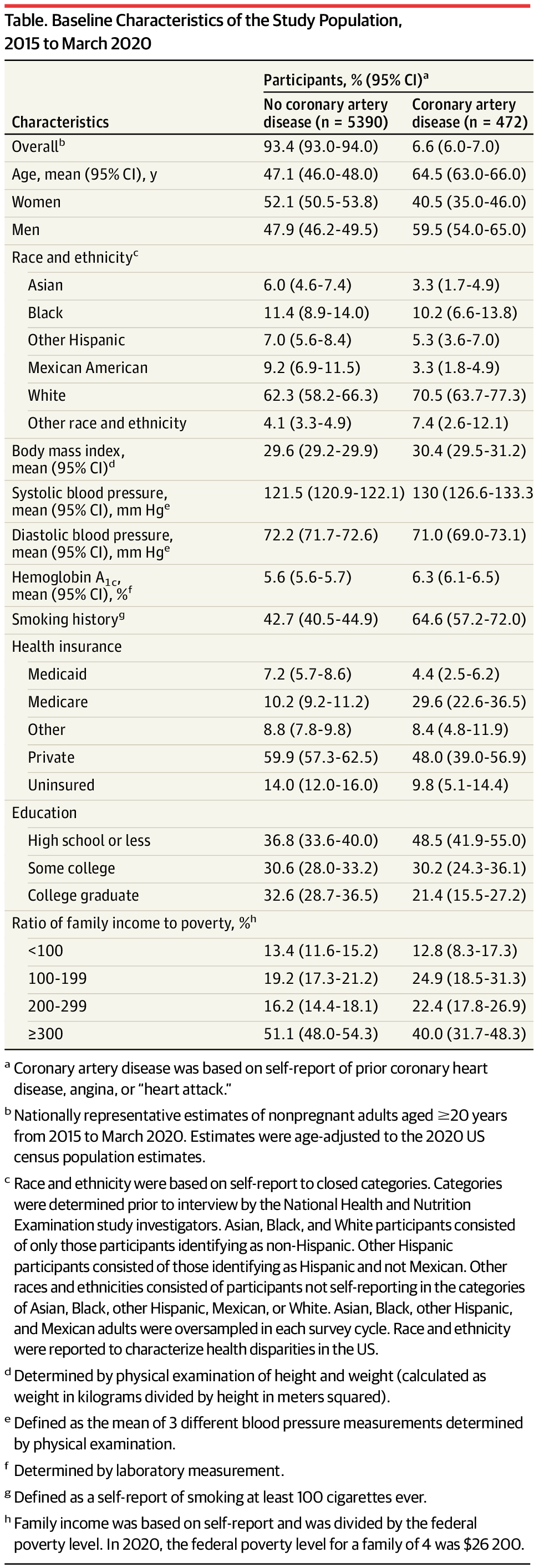
A study using data from the National Health and Nutrition Examination Survey (NHANES) found that a significant percentage of US adults with coronary artery disease (CAD) are not achieving guideline-recommended low-density lipoprotein cholesterol (LDL-C) levels. Lipid control is crucial for reducing the risk of secondary cardiovascular events in CAD patients. The study highlights the need for improved management of LDL-C levels in this population.
A randomized controlled trial called the D-Health Trial investigated the effects of monthly vitamin D supplementation on major cardiovascular events in older adults. The trial involved 21,315 participants aged 60-84 years and found that vitamin D supplementation might reduce the incidence of major cardiovascular events, particularly among those taking cardiovascular drugs at baseline. However, the absolute risk difference was small, and further evaluation is needed to determine the role of vitamin D supplementation in preventing or treating cardiovascular disease.
The Australian D-Health Trial found that monthly high-dose vitamin D supplements did not significantly reduce major cardiovascular events in older adults over a period of up to 5 years. However, there were indications of potential benefits for certain components of the primary outcome, such as myocardial infarction and coronary revascularization. The study suggests further evaluation of the role of vitamin D supplementation, particularly in individuals taking cardiovascular medications. While previous trials have also shown no preventive effect of vitamin D supplementation on cardiovascular events, the researchers argue that conclusions about the impact of vitamin D on cardiovascular disease risk are premature.
A clinical trial published in The BMJ suggests that vitamin D supplements may reduce the risk of major cardiovascular events, such as heart attacks, in people aged over 60. The trial involved over 21,000 Australians and found that the rate of major cardiovascular events was 9% lower in the group taking vitamin D supplements compared to the placebo group. The researchers note that the absolute risk difference was small, but further evaluation is needed, particularly in individuals taking statins or other cardiovascular disease drugs.
New research suggests that primary prevention patients who cannot tolerate statins may benefit from taking bempedoic acid, as it has been shown to reduce cardiovascular events. The study involved statin-intolerant patients, including those who had not experienced a major cardiovascular event. Bempedoic acid was found to lower LDL cholesterol levels and improve cardiovascular outcomes. However, further research is needed to fully understand its benefits and risks. Doctors recommend lifestyle changes, such as a healthy diet and exercise, to improve heart health.