Scientists at Northwestern University have developed a new online calculator that estimates an individual's 'heart age' based on health factors, aiming to improve understanding and motivation for heart disease prevention, especially among younger adults and underserved communities.
The article discusses how to reduce the biological age of the heart by adopting healthy lifestyle habits such as regular exercise, a heart-healthy diet, managing blood pressure and cholesterol, quitting smoking, limiting alcohol, maintaining a healthy weight, and managing stress, all of which can potentially reverse heart aging by up to 20 years.
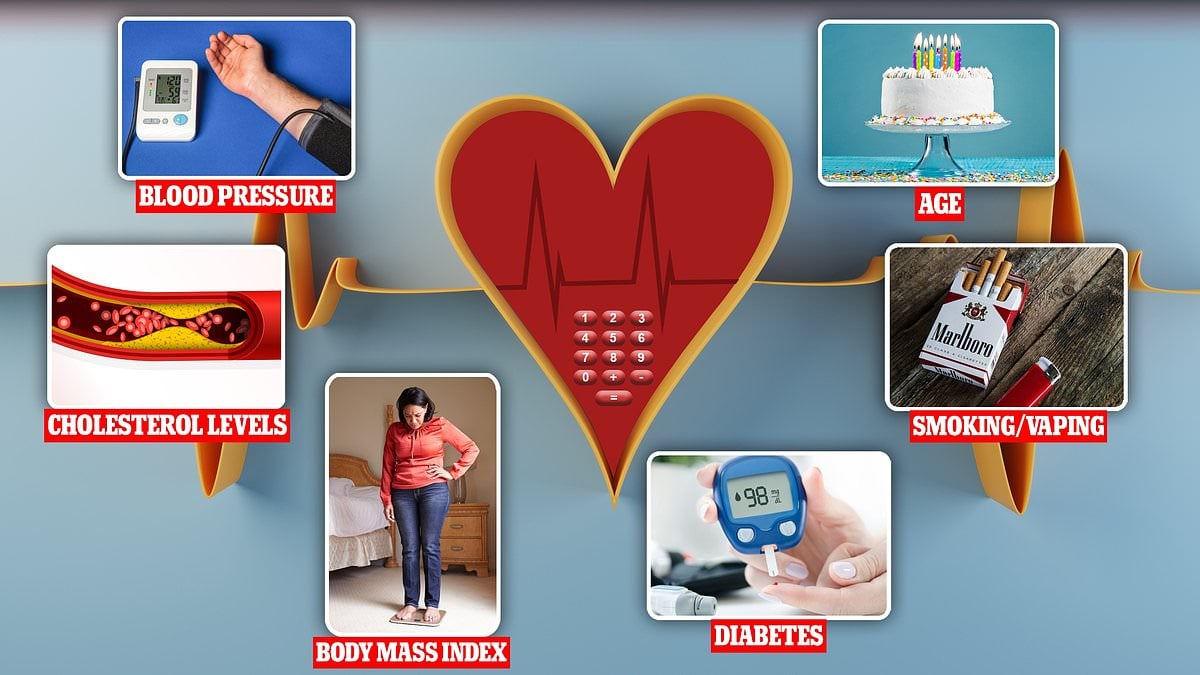
Experts suggest that considering your 'heart age' in addition to your biological age can help predict longevity, with the average American adult having a heart about seven years older than their actual age. Factors such as blood pressure, cholesterol levels, smoking, and diabetes contribute to heart age, which can be reversed through lifestyle changes. Online calculators are available to help individuals assess their cardiovascular health, and modifying unhealthy habits such as smoking, exercising regularly, and maintaining a healthy diet can help lower heart age and reduce the risk of heart disease, a leading cause of death in the US.
Your heart has an "age" that reflects its risk for cardiovascular events, influenced by factors like blood pressure, cholesterol levels, and lifestyle habits. To keep your heart young, focus on lowering LDL cholesterol, engaging in regular exercise, managing stress, eating nutritious foods, quitting smoking and vaping, getting enough sleep, and learning about your genetics. These measures can help reduce the risk of heart disease and maintain a healthy heart age.
A new artificial intelligence (AI) tool developed by a team led by Prof Declan O'Regan of the Medical Research Council's London Institute of Medical Sciences can assess an individual's heart age based on factors such as drinking, smoking, poor diet, and lack of exercise. The aim is to identify ways to reverse heart aging and reduce the risks of age-related conditions like stroke and heart disease. The AI tool analyzes MRI scans and compares them with a database of 40,000 people to detect subtle signs of premature aging. By understanding the role of genes in premature heart aging, researchers hope to develop treatments that target these mechanisms and help people live longer, healthier lives.