A study by the University of Surrey has identified specific genetic variants that link type 2 diabetes to an increased risk of breast, bowel, and pancreatic cancer. The research, presented at the Diabetes UK Professional Conference, found two key genetic variants that contribute to the development of both type 2 diabetes and certain cancers. The study sheds light on the role of genetically determined factors in the co-occurrence of these conditions, potentially aiding in early identification and personalized prevention and treatment strategies. Experts emphasize the importance of maintaining a healthy diet, weight, and lifestyle to reduce the risks of both type 2 diabetes and cancer.

A study published in Cancer Epidemiology, Biomarkers & Prevention suggests that genetics may influence the risk of colorectal cancer from consuming red and processed meats. Researchers identified two genetic markers that may increase the risk for some individuals. The study analyzed data from nearly 30,000 people with colorectal cancer and found that certain genetic variants could elevate the risk of cancer when consuming high levels of red and processed meats. The findings provide insight into potential mechanisms behind the development of colorectal cancer and may lead to further experimental studies.
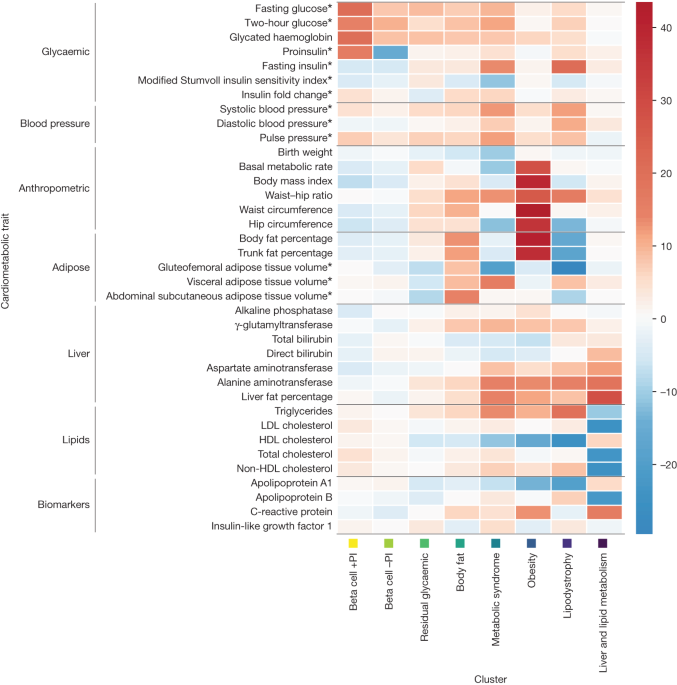
The largest genome-wide association study of type 2 diabetes to date has identified new genetic risk factors and clusters of variants that contribute to the disease, shedding light on different mechanisms underlying the condition. The study included data from over 2.5 million individuals and revealed 1,289 genetic variants, 145 of which were new discoveries. Researchers also found that certain genetic clusters were associated with specific cardiometabolic traits and could predict cardiovascular outcomes in individuals with type 2 diabetes. This research represents a significant advancement in understanding the genetic basis of type 2 diabetes and may lead to improved treatments and care for individuals with the condition in the future.
A study on type 2 diabetes (T2D) pathophysiology reveals genetic heterogeneity in T2D development and complications. The research, involving over 2.5 million individuals of diverse ancestry, identified 1,289 T2D association signals and classified them into eight mechanistic clusters based on their cardiometabolic profiles. The study also uncovered ancestry-correlated heterogeneity in allelic effects at T2D association signals, with differences in mean BMI in T2D cases and controls across ancestry groups playing a role. Additionally, the study tested the association of cluster-specific polygenic scores with T2D-related vascular outcomes, providing insights into the genetic drivers of T2D heterogeneity.
Scientists have discovered genetic mutations that may explain why Black men are at higher risk of developing prostate cancer, potentially leading to a test to identify those at greatest risk. The research identified mutations in DNA regulatory regions that control androgen receptor levels, which are frequently found in men with African ancestry but virtually absent in men of European ancestry. These findings could lead to a genetic test to predict which subset of men are most likely to develop the disease, potentially revolutionizing the management of prostate cancer and helping to close the survival gap between Black and white men.
Millions of Americans are genetically predisposed to high levels of a dangerous cholesterol called lipoprotein(a) (Lp(a), which can lead to deadly heart attacks and strokes by middle age. Routine blood cholesterol tests do not screen for Lp(a) due to lack of effective treatment, but several promising drugs are in clinical trials. Doctors are calling for wider testing and proactive prevention measures, such as maintaining a healthy lifestyle, for those at risk. Despite the lack of available drugs, knowing one's Lp(a) levels can be life-saving, as it can lead to more intentional diet and exercise, potentially reducing heart risks.
Researchers have identified two genetic deletions, NRXN1 and ABCB11, associated with schizophrenia that likely occur during early gestation, suggesting that the seeds of schizophrenia may not always be inherited but acquired before birth. These findings open the door to early prevention and shed light on the complex mix of genetic and environmental factors contributing to the disorder. More research is needed to understand the extent of their contribution to the genetic architecture of schizophrenia.
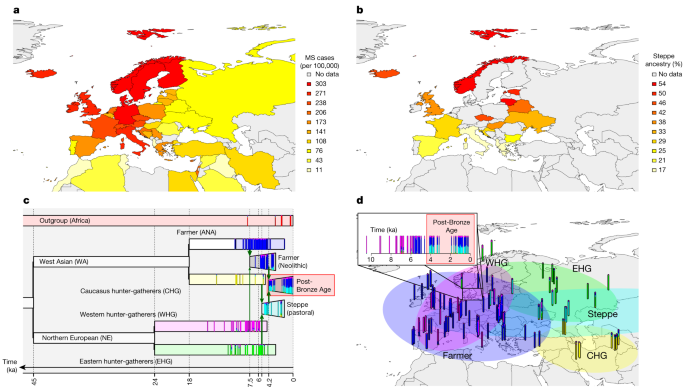
Ancient DNA analysis suggests that the higher risk of multiple sclerosis among people of northern European ancestry may be linked to genetic variants introduced by Bronze Age horseback-riding cattle herders who migrated into the region 5,000 years ago. These gene variants, which are known to increase the risk of multiple sclerosis, likely provided an advantage to the herders by protecting them from infections carried by their livestock. The findings shed light on the north-south divide in multiple sclerosis rates in Europe and may help explain the genetic basis of the disease.
Ancient DNA analysis reveals that the higher risk of multiple sclerosis among northern Europeans is linked to gene variants brought by the Yamnaya, a bronze age people who migrated into the region 5,000 years ago. These gene variants, which likely provided an advantage to the nomadic herders against infections carried by their livestock, are now associated with an increased risk of multiple sclerosis. The findings shed light on the genetic legacy of ancient migrations and offer a potential explanation for the north-south divide in multiple sclerosis prevalence in Europe.
A new study of DNA from ancient and present-day people suggests that the genetic risk for multiple sclerosis in people of northern European descent may have originated from the migration of sheep and cattle herders from Asia to Europe 5,000 years ago. The research indicates that gene variants related to immunity, which provided an evolutionary advantage against infectious perils in the past, also increase the risk of the autoimmune disease. Analysis of ancient DNA from over 300 individuals has revealed insights into the roots and spread of disease risk, shedding light on the impact of migration events on disease susceptibility and human traits. While this understanding may not directly lead to new treatments, it offers a valuable perspective for advancing drug development.
A study has found that steppe pastoralist populations have an elevated genetic risk for multiple sclerosis (MS), an autoimmune disease affecting the brain and spinal cord. The research suggests that genetic factors, particularly those associated with steppe ancestry, contribute significantly to the risk of developing MS. The study also indicates that MS risk variants, particularly the HLA-DRB1*15:01 allele, underwent positive selection around 5,000 to 2,000 years ago in steppe populations. This research provides insights into the genetic and evolutionary factors influencing the prevalence of MS in different populations.