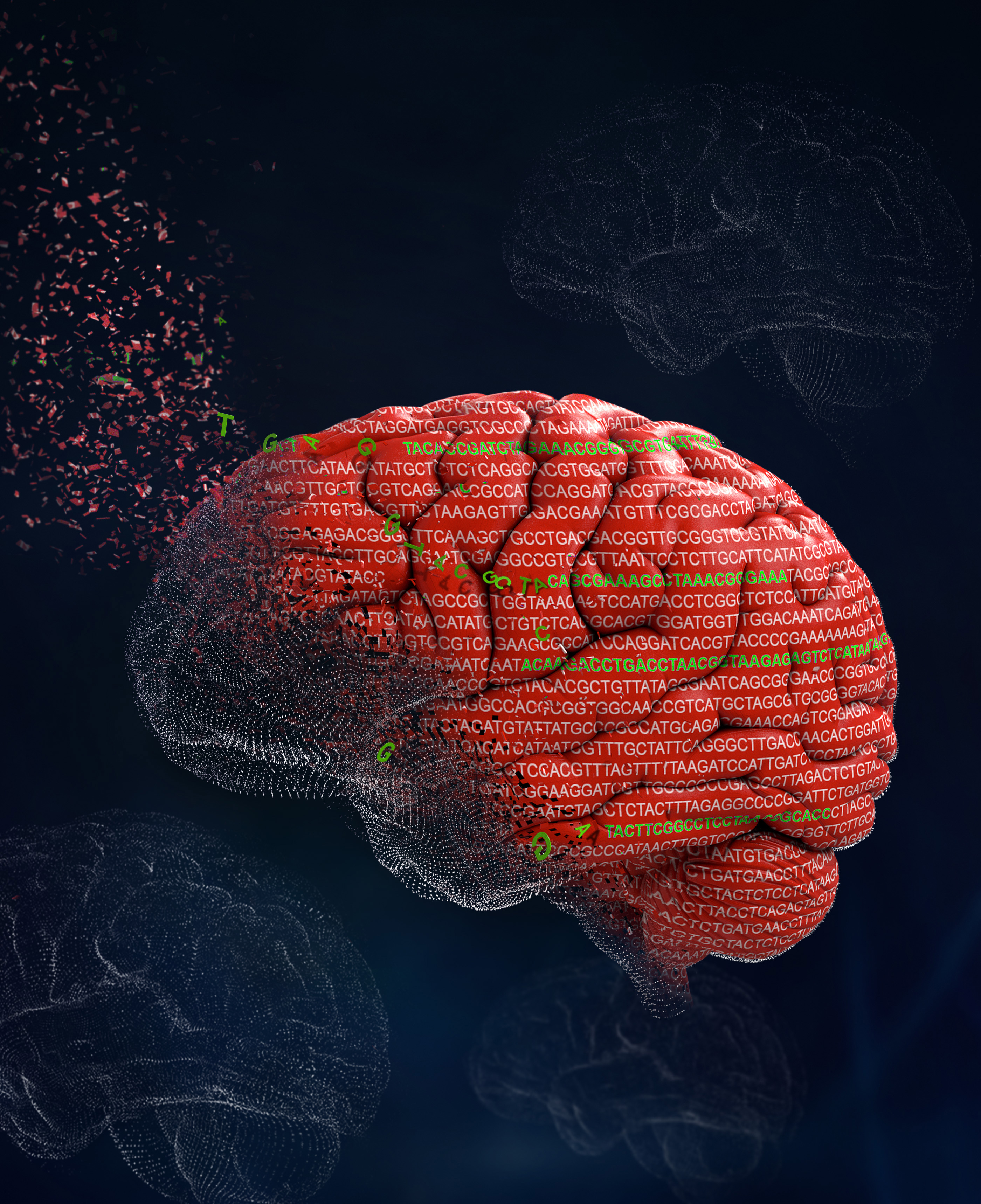
Researchers suggest that targeting the Apoe gene, particularly its harmful variants Apoe3 and Apoe4, could potentially prevent most cases of Alzheimer's disease, although challenges remain due to the gene's vital functions and widespread presence in the population.

The largest genome-wide association study of type 2 diabetes to date has identified new genetic risk factors and clusters of variants that contribute to the disease, shedding light on different mechanisms underlying the condition. The study included data from over 2.5 million individuals and revealed 1,289 genetic variants, 145 of which were new discoveries. Researchers also found that certain genetic clusters were associated with specific cardiometabolic traits and could predict cardiovascular outcomes in individuals with type 2 diabetes. This research represents a significant advancement in understanding the genetic basis of type 2 diabetes and may lead to improved treatments and care for individuals with the condition in the future.
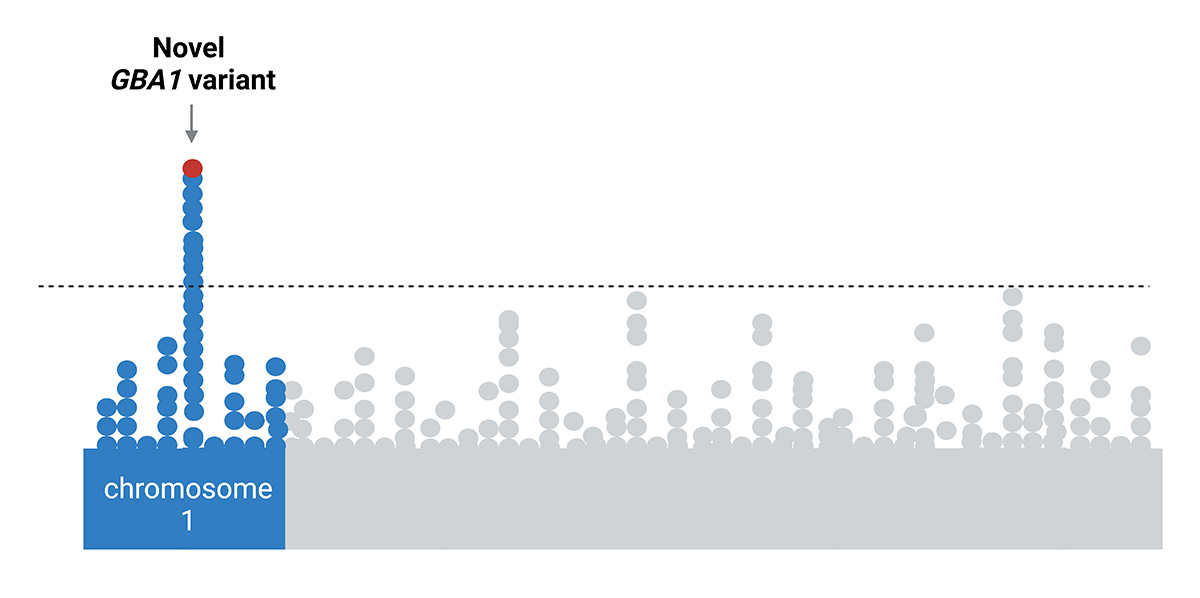
A gene variant that increases the risk of developing Parkinson's disease has been discovered in individuals of African ancestry. The variant, found almost exclusively in genomes of people of African descent, is linked to a gene encoding β-glucocerebrosidase (GBA1), a protein involved in protein recycling within cells. The study, led by scientists at the National Institutes of Health, highlights the importance of researching diverse populations to understand the genetic basis and risk factors for diseases like Parkinson's. The findings may provide new insights into the biology of Parkinson's disease and aid in the development of genetic treatments and therapies.
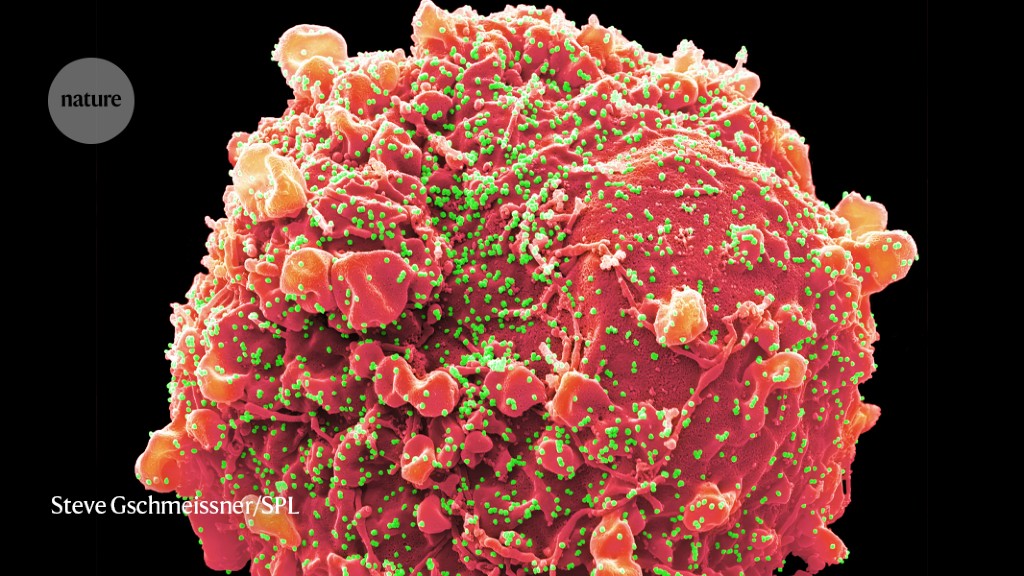
A genome-wide study analyzing data from 6,450 people with long COVID has identified a DNA sequence near the FOXP4 gene, which is active in the lungs and immune cells, as a potential genetic risk factor for the condition. Long COVID has been associated with over 200 symptoms, and understanding its causes is crucial for developing treatments and prevention strategies. The study is a breakthrough in unraveling the complexity of long COVID, and future research is expected to uncover additional genetic risk factors contributing to the condition.
Dupuytren's disease, a hand disorder common among Northern Europeans, has been found to have genetic links to Neanderthals. Three of the 61 genetic risk variants for the disease identified by researchers are of Neanderthal origin, highlighting the influence of ancient ancestry on modern health issues. The condition is much more common in people of Northern European ancestry, and the finding that two of the most important genetic risk factors for Dupuytren’s disease are of Neanderthal origin leads the scientists to conclude that Neanderthal ancestry is a significant factor in explaining the prevalence of the disease in Europe today.
Neanderthal genes are linked to an increased risk of Dupuytren's contracture, also known as "Viking disease," which causes the fingers of one or both hands to freeze into a permanently bent position. The condition is most common in men of Scandinavian or northern European descent and is rarely seen in individuals of African descent. Researchers discovered 61 genetic risk factors for the disease, of which three were inherited from Neanderthals. The discovery highlights the health consequences of intermingling with Neanderthals, who share up to 98.5% of our DNA.
Researchers have found that the genetic origins of "Viking disease," a condition that affects older Northern European men, can be traced back to Neanderthals. The disease, also known as Dupuytren's contracture, causes fingers to lock in a bent position and is significantly more common in men than women. The study identified 61 genetic risk factors for the disease, with three of the strongest risk factors inherited from Neanderthals. The findings provide further evidence of the consequences of intermingling between Neanderthals and modern humans.
A new study shows that Dupuytren's disease, a hand disorder that causes permanent bending of the fingers, is partly of Neanderthal origin. The disease is much more common in Northern Europeans than in those of African ancestry. Researchers used data from over 7,000 cases and 645,000 controls to identify genetic risk variants for the disease and found that two of the most important genetic risk factors are of Neanderthal origin, leading them to conclude that Neanderthal ancestry is a significant factor in explaining the prevalence of the disease in Europe today.
A recent study by Boston University’s Chobanian & Avedisian School of Medicine found that Ashkenazi Jews are more likely to suffer from Alzheimer's disease due to their genetic makeup. The study conducted a genome-wide association study for AD in a sample of 3,500 people whose ancestry was almost exclusively Ashkenazi Jewish, identifying several genetic risk factors for AD, including some previously known and several novel ones that are strong biological candidates. The findings may lead to the development of novel AD biomarkers and therapeutic targets.
Researchers have identified several new genetic risk factors for Alzheimer’s disease unique to Ashkenazi Jews through a genome-wide association study. The study found that some AD susceptibility variants are more frequent in this group compared to much larger and more genetically heterogeneous EA cohorts. The researchers identified several genetic risk factors for AD including some previously known and several novel ones that are strong biological candidates. The findings may lead to the development of novel AD biomarkers and therapeutic targets.
NIH researchers have identified new genetic risk factors for Lewy body dementia (LBD) and frontotemporal dementia (FTD) by analyzing thousands of DNA samples and identifying large-scale DNA changes, known as structural variants. The team discovered several structural variants that could be risk factors for LBD and FTD, including a previously unknown variant in the gene TCPN1. The analyses also identified two well-established risk factors for FTD changes in the C9orf72 and MAPT genes. The researchers generated a catalog based on the data obtained in these analyses, which is now available to the scientific community for use in their studies.