Tag

Genome Wide Association Study

All articles tagged with #genome wide association study

Genetic research confirms biological basis of ME/CFS

Originally Published 5 months ago — by Live Science

Featured image for Genetic research confirms biological basis of ME/CFS
Source: Live Science

A large genetic study called DecodeME identified eight new genetic regions linked to ME/CFS, providing the first robust evidence of genetic contributions to the syndrome, which affects millions worldwide and involves immune and nervous system dysfunction. The study analyzed over 15,000 patients of European ancestry, highlighting potential biological pathways involved in the disease, though further research is needed to develop diagnostics or treatments.

"Predicting Type 2 Diabetes Risk: Insights from Genetic and Epigenetic Research"

Originally Published 1 year ago — by Medical News Today

Featured image for "Predicting Type 2 Diabetes Risk: Insights from Genetic and Epigenetic Research"
Source: Medical News Today

The largest genome-wide association study of type 2 diabetes to date has identified new genetic risk factors and clusters of variants that contribute to the disease, shedding light on different mechanisms underlying the condition. The study included data from over 2.5 million individuals and revealed 1,289 genetic variants, 145 of which were new discoveries. Researchers also found that certain genetic clusters were associated with specific cardiometabolic traits and could predict cardiovascular outcomes in individuals with type 2 diabetes. This research represents a significant advancement in understanding the genetic basis of type 2 diabetes and may lead to improved treatments and care for individuals with the condition in the future.

17 Genetic Loci Linked to Nonalcoholic Fatty Liver Disease Identified in Meta-Analysis

Originally Published 2 years ago — by Nature.com

Featured image for 17 Genetic Loci Linked to Nonalcoholic Fatty Liver Disease Identified in Meta-Analysis
Source: Nature.com

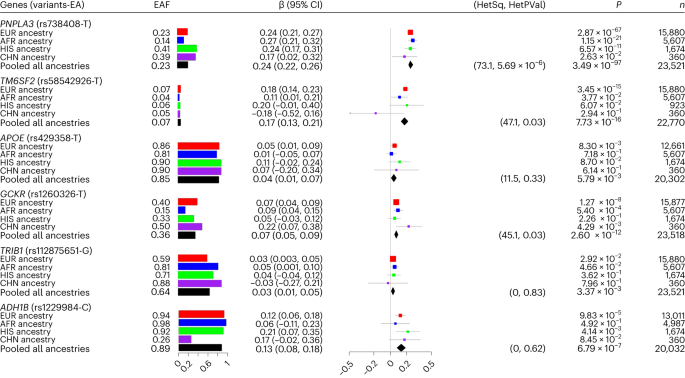
A genome-wide association meta-analysis has identified 17 genetic loci associated with nonalcoholic fatty liver disease (NAFLD). The study analyzed data from over 1.1 million individuals of diverse ancestries and found genetic variants that influence the risk of NAFLD, providing insights into the underlying biology of the disease. The findings highlight the importance of genetic factors in the development of NAFLD and may lead to improved understanding, prevention, and treatment of this common liver disorder. Data from the study is publicly available for further research.

Higher Alzheimer's risk for Ashkenazi Jews, study shows

Originally Published 2 years ago — by The Jerusalem Post

Featured image for Higher Alzheimer's risk for Ashkenazi Jews, study shows
Source: The Jerusalem Post

A recent study by Boston University’s Chobanian & Avedisian School of Medicine found that Ashkenazi Jews are more likely to suffer from Alzheimer's disease due to their genetic makeup. The study conducted a genome-wide association study for AD in a sample of 3,500 people whose ancestry was almost exclusively Ashkenazi Jewish, identifying several genetic risk factors for AD, including some previously known and several novel ones that are strong biological candidates. The findings may lead to the development of novel AD biomarkers and therapeutic targets.

Ashkenazi Jews have unique genetic risk for Alzheimer's disease

Originally Published 2 years ago — by Futurity: Research News

Featured image for Ashkenazi Jews have unique genetic risk for Alzheimer's disease
Source: Futurity: Research News

Researchers have identified several new genetic risk factors for Alzheimer’s disease unique to Ashkenazi Jews through a genome-wide association study. The study found that some AD susceptibility variants are more frequent in this group compared to much larger and more genetically heterogeneous EA cohorts. The researchers identified several genetic risk factors for AD including some previously known and several novel ones that are strong biological candidates. The findings may lead to the development of novel AD biomarkers and therapeutic targets.

Neanderthal Gene Shapes Modern Human Noses.

Originally Published 2 years ago — by Technology Networks

Featured image for Neanderthal Gene Shapes Modern Human Noses.
Source: Technology Networks

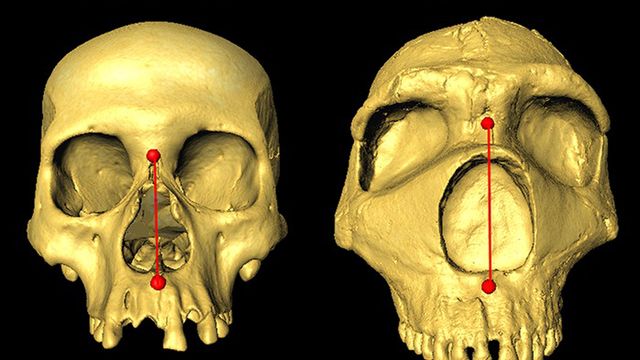
A new genome-wide association study (GWAS) from University College London (UCL) and collaborators has found that genetic material inherited from Neanderthals can affect the nose shape of modern humans. The study explored genetic markers associated with specific human facial features in over 6,000 Latin Americans and identified one specific genome region associated with nose shape that carries genetic material inherited from the Neanderthals. The research team collected 2D photographs from over 6,000 volunteers involved in the CANDELA study, all of whom have been previously studied in GWASs exploring physical traits.