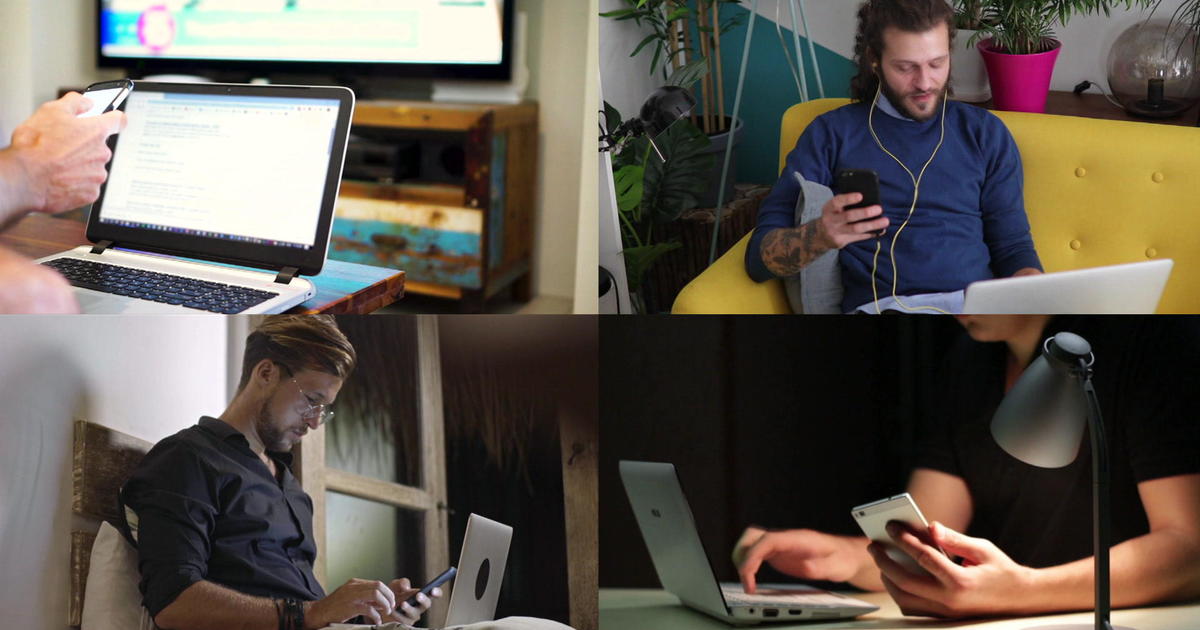
An online trend among young people promotes doing nothing as a way to improve attention spans, counteracting the constant barrage of digital notifications and updates, and encouraging a return to boredom as a beneficial state.
The article explores the decline in attention spans, highlighting different types of attention such as visual scanning and sustained attention, and how motivation influences focus. It discusses the implications for sports, education, and first impressions, emphasizing that attention is multifaceted and can be improved by making tasks more engaging and motivating.
Correspondent David Pogue explores the topic of shrinking attention spans and the impact of distractive technologies on behavior, productivity, and stress levels. He interviews researcher Gloria Mark, author of "Attention Span," Cornell psychology professor James Cutting, counselor Lauren Barnett, and her daughters to gain insights into the effects of multitasking and technology on our ability to focus.
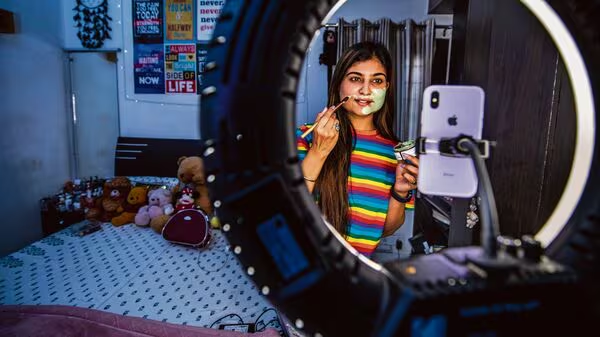
The popularity of TikTok has led to the rise of short-form videos on YouTube, which are now watched by over 2 billion users every month. However, research suggests that these short videos can negatively impact children's attention spans and contribute to addictive behavior. Parents are concerned about their children's excessive consumption of short videos, as it makes it harder for them to engage in activities that don't offer instant gratification. YouTube is aware of these concerns and is monitoring the impact of short-form content on young people. A recent study recommends curbing excessive viewing with more offline activities, as previous research has shown that fast-paced videos interfere with children's ability to perform tasks correctly and control their impulses.