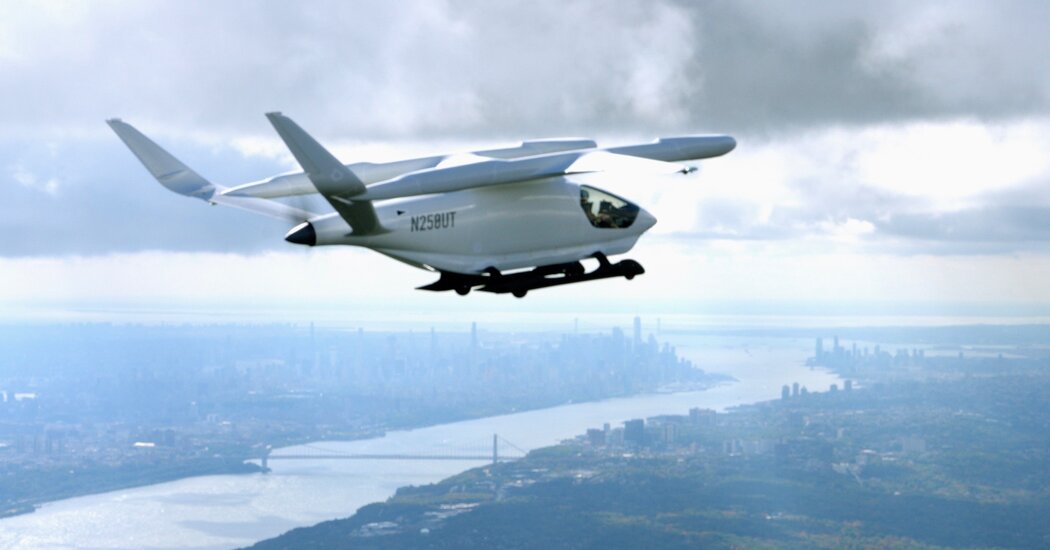
Norway is pioneering electric aviation with its first test flight of the electric Alia CX 300, aiming to connect remote islands and reduce emissions, as part of its broader shift towards green energy and electrification of transport.
Electric planes, once considered a fantasy, are starting to become a reality as technological advancements in batteries and significant investments make short-distance electric air travel feasible. Companies like Beta Technologies are leading the way, with their CX300 plane making a 16-day trip from Vermont to Florida, showcasing the potential of battery-powered aviation. These electric aircraft offer the promise of zero emissions, simpler operation and maintenance, and the ability to connect rural areas with limited air service. While electric planes are not expected to be widely adopted for several years, they are likely to initially compete with helicopters and cars for short-distance travel. The industry is working towards gaining trust and certification from regulatory bodies, with plans to expand infrastructure and create a network of chargers.
NASA researchers at the Solid-state Architecture Batteries for Enhanced Rechargeability and Safety (SABERS) have developed a high-performing solid-state battery that could potentially power electric aircraft more efficiently than lithium-ion batteries. The new battery design eliminates 30 to 40 percent of the weight of traditional batteries and can double or even triple the energy storage capacity. Solid-state batteries are lighter, safer, and can operate in higher temperatures than lithium-ion batteries. While not yet commercially viable, this battery technology has attracted interest from the U.S. government and the aviation industry as a promising solution to reduce air pollution from air travel.
NASA researchers at the Solid-state Architecture Batteries for Enhanced Rechargeability and Safety (SABERS) have developed a high-performing solid-state battery that could potentially power electric aircraft more efficiently than lithium-ion batteries. The new battery design eliminates 30 to 40 percent of the weight of traditional batteries and can double or even triple the energy storage capacity. Solid-state batteries are lighter, safer, and can operate in higher temperatures than lithium-ion batteries. While not yet commercially viable, this battery technology has attracted interest from the U.S. government and the aviation industry as a promising solution to reduce air pollution from air travel.