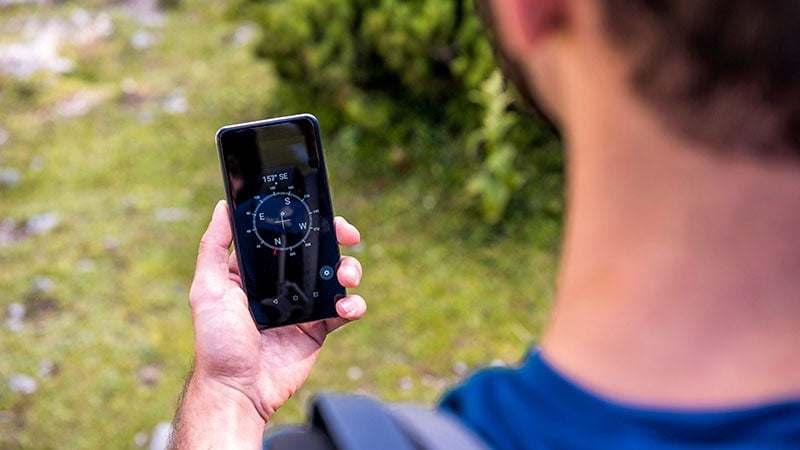
Researchers at NIST have developed a method to use a smartphone's compass to analyze biomarkers in body fluids, potentially allowing for the monitoring and diagnosis of diseases. In a proof-of-concept study, they successfully measured glucose and pH levels in various liquids. The technique involves a small magnet embedded in a hydrogel strip that interacts with the smartphone's magnetometer. While more testing is needed for biological fluids, this innovation could lead to affordable and portable medical sensing capabilities, with potential applications in healthcare and environmental monitoring.

The FDA has authorized the first AI-driven diagnostic tool for sepsis, developed by Chicago-based company Prenosis, to predict the risk of the condition, which contributes to at least 350,000 deaths annually in the US. The tool, based on an algorithm trained with over 100,000 blood samples and clinical data, categorizes a patient's sepsis risk into four levels. This development comes as federal health agencies prioritize sepsis management, with hospitals increasingly considering the integration of artificial intelligence into patient care despite concerns among some frontline workers.
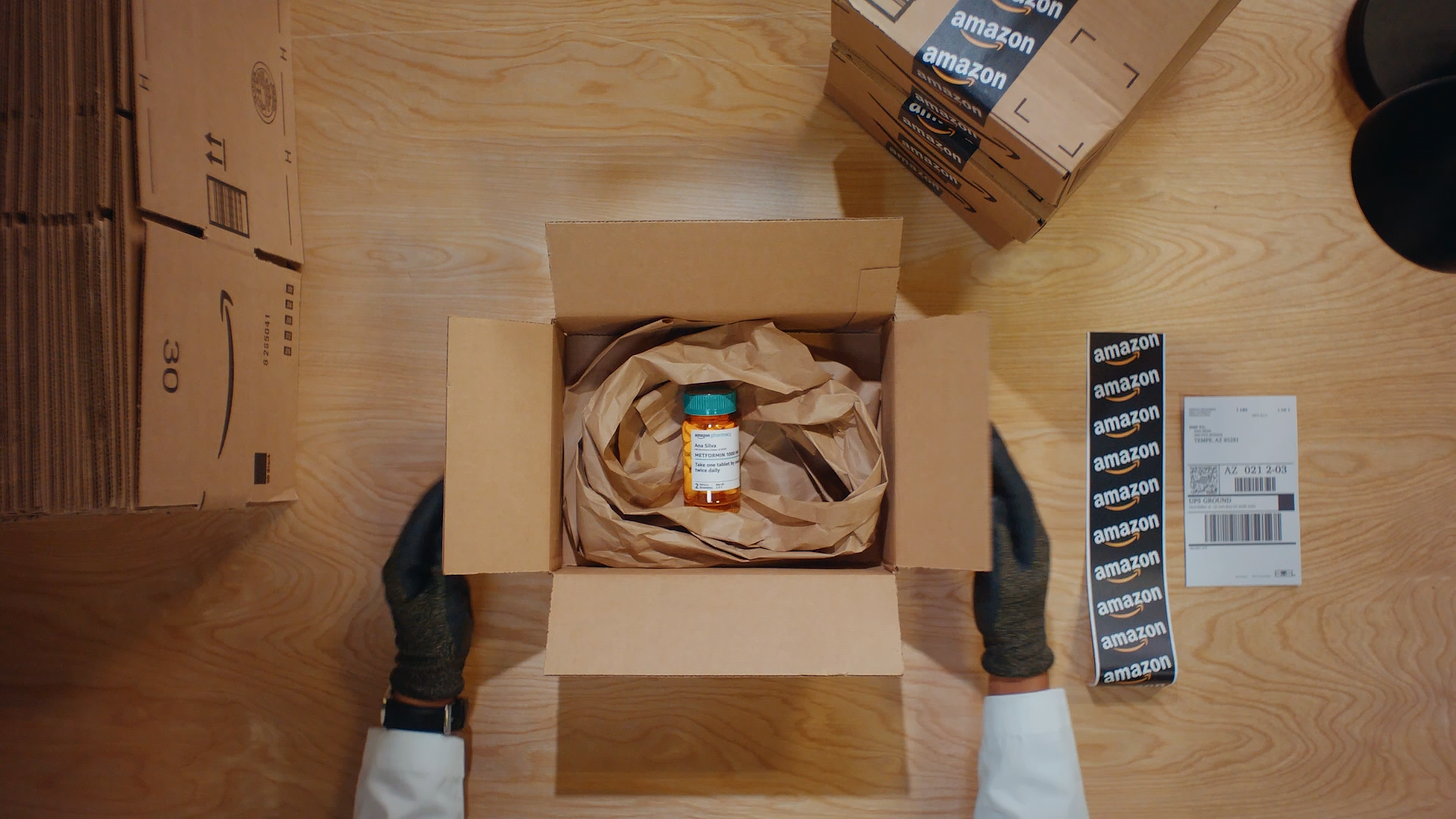
Amazon Pharmacy has launched same-day prescription delivery in New York City and Los Angeles, with plans to expand to more cities by the end of the year. The service aims to provide customers with medication for health conditions like high blood pressure and diabetes within hours. Amazon's small-format facilities, such as the one in Brooklyn, stock common prescription medications for acute conditions to get medications closer to where customers live and process prescriptions within minutes. The company's chief medical officer, Dr. Vin Gupta, emphasized the faster delivery option with transparent pricing to avoid unexpected costs at the pharmacy counter.
Amazon is offering a discounted One Medical membership of $99 per year to its Prime subscribers, integrating the boutique primary care clinic further into its healthcare offerings. This move signifies Amazon's ambition to expand into mainstream healthcare. While One Medical has limited physical clinics in major cities, the company has been steadily growing its telehealth business. Amazon also operates Amazon Clinic, a telehealth service that focuses on common conditions but does not accept health insurance. Privacy concerns have been raised about Amazon Clinic, but Amazon claims to take customer privacy seriously. This move suggests that Amazon is ready to expand its healthcare services to its more than 100 million Prime members.